


Smart homes combine connected technology, automation, and remote control systems to create more efficient, convenient, and responsive living environments. Using internet-connected devices, sensors, mobile apps, and voice assistants, smart homes allow homeowners to manage lighting, climate, security, appliances, and entertainment systems from almost anywhere.
What once began as simple home automation technology has evolved into advanced ecosystems capable of learning user habits, improving energy efficiency, and enhancing comfort and safety. Modern smart homes are no longer limited to luxury properties or technology enthusiasts. Today, a wide range of affordable devices and wireless standards have made smart home technology increasingly accessible for everyday households.
In this guide, you’ll find:
- Introduction to Smart Homes
- How Smart Homes Work
- Key Features of Smart Homes
- Benefits of Smart Homes
- Example of Smart Home Companies in Dubai
- Challenges and Considerations
- Cost and ROI Comparison
- How to Get Started: Building a Smart Home
- Key Takeaways
- Frequently Asked Questions (FAQs)
Introduction to Smart Homes
A smart home is a residence equipped with connected devices and systems that can communicate with one another, automate functions, and be controlled remotely through apps, voice assistants, or central hubs. Devices may include lighting systems, thermostats, security cameras, appliances, entertainment systems, and environmental sensors.

The concept of smart homes dates back to early home automation systems such as X10, which allowed electrical devices to communicate over power lines. While early systems were relatively limited and often unreliable, advances in wireless communication and the Internet of Things (IoT) have transformed smart homes into sophisticated ecosystems capable of automation, remote monitoring, and predictive learning.
Modern smart homes typically include four core components:
- Connected smart devices
- Wireless communication networks
- Smart hubs or ecosystems
- Automation software and control interfaces
These components work together to create seamless interactions between devices and users.
How Smart Homes Work
Smart homes rely on connectivity, automation, and intelligent control systems to manage devices across the home environment.
Connectivity and Communication Protocols
Most smart homes use wireless communication standards to connect devices and enable data sharing. Different protocols offer different strengths in terms of speed, range, compatibility, and power consumption.
Common smart home protocols include:
- Wi-Fi: Widely used for cameras, speakers, and high-bandwidth devices
- Bluetooth: Suitable for short-range communication and device pairing
- Zigbee: Low-power mesh network commonly used for sensors and lighting
- Z-Wave: Designed specifically for home automation with reliable device communication
- Thread: A newer low-power mesh protocol focused on interoperability and reliability
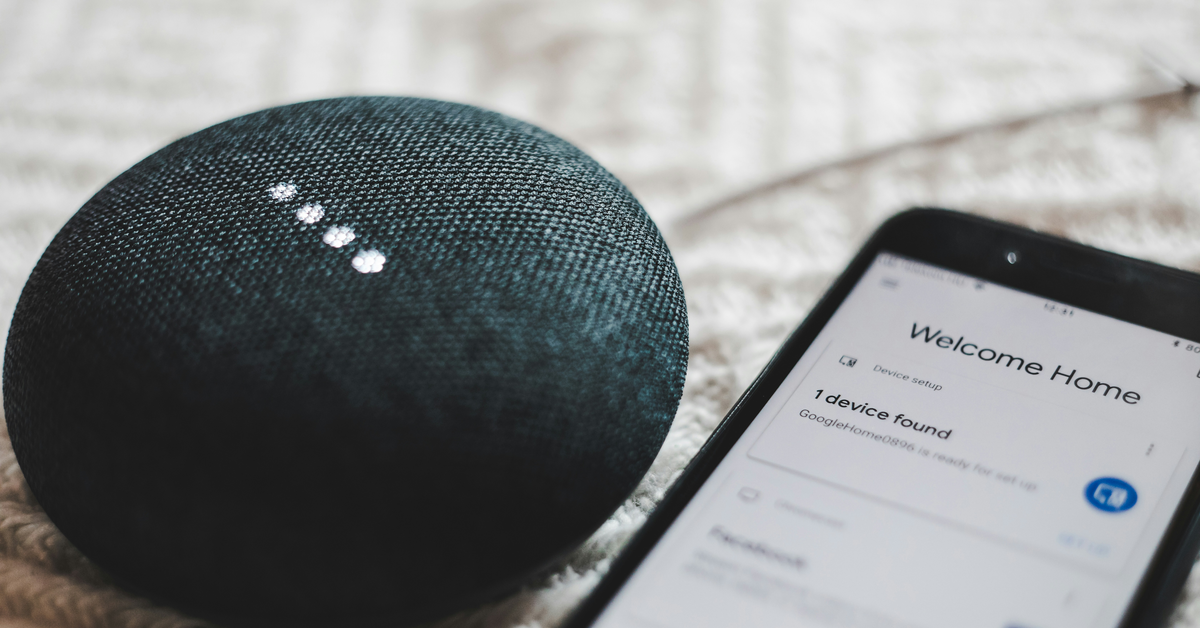
Many smart homes also use central hubs or ecosystems to unify device management. These hubs allow homeowners to control multiple products through one interface rather than separate apps. Popular ecosystems include Apple Home, Google Home, Amazon Alexa, and SmartThings.
Automation and Intelligence
Automation is one of the defining features of smart homes. Devices can operate automatically based on schedules, conditions, or triggers.
Examples include:
- Lights turning on automatically at sunset
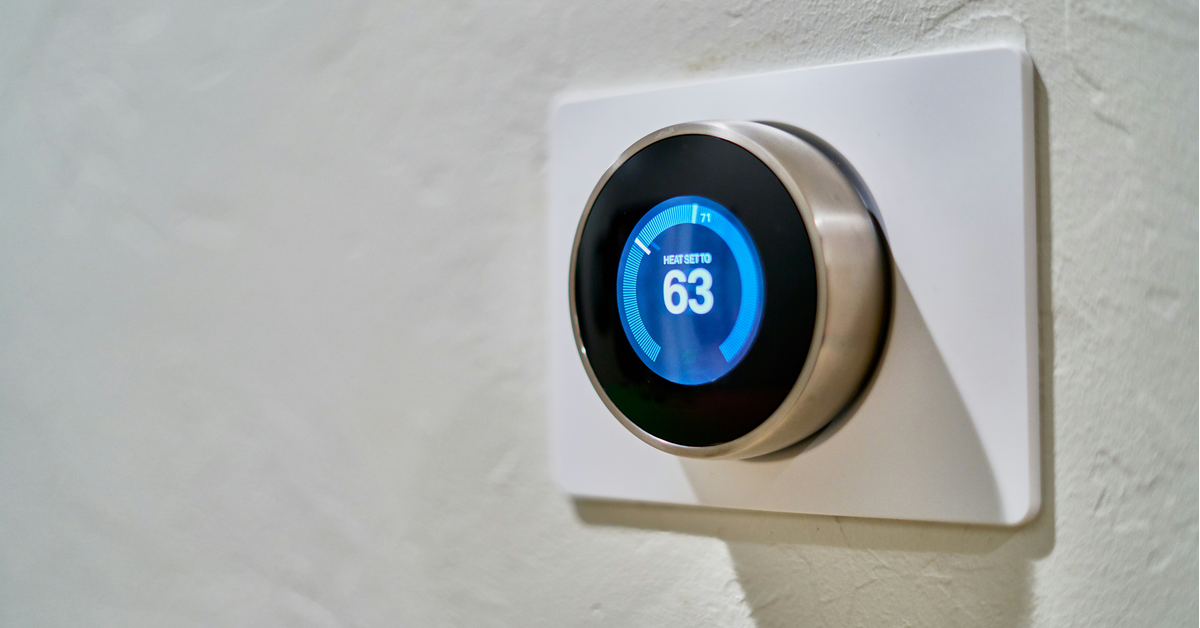
- Thermostats adjusting temperatures when occupants leave the home
- Doors locking automatically at night
- Motion sensors triggering security alerts
Many systems use “If This, Then That” logic to create automated routines. More advanced smart homes also include learning systems that adapt over time. Smart thermostats, for example, may analyse occupancy patterns and automatically optimise heating and cooling schedules.
Control Methods
Smart homes can be controlled through several interfaces depending on user preference.
Voice Assistants
Voice assistants such as Alexa, Google Assistant, and Siri allow users to control devices using spoken commands. Common actions include adjusting lighting, playing music, checking security cameras, or changing thermostat settings.
Mobile Apps and Dashboards
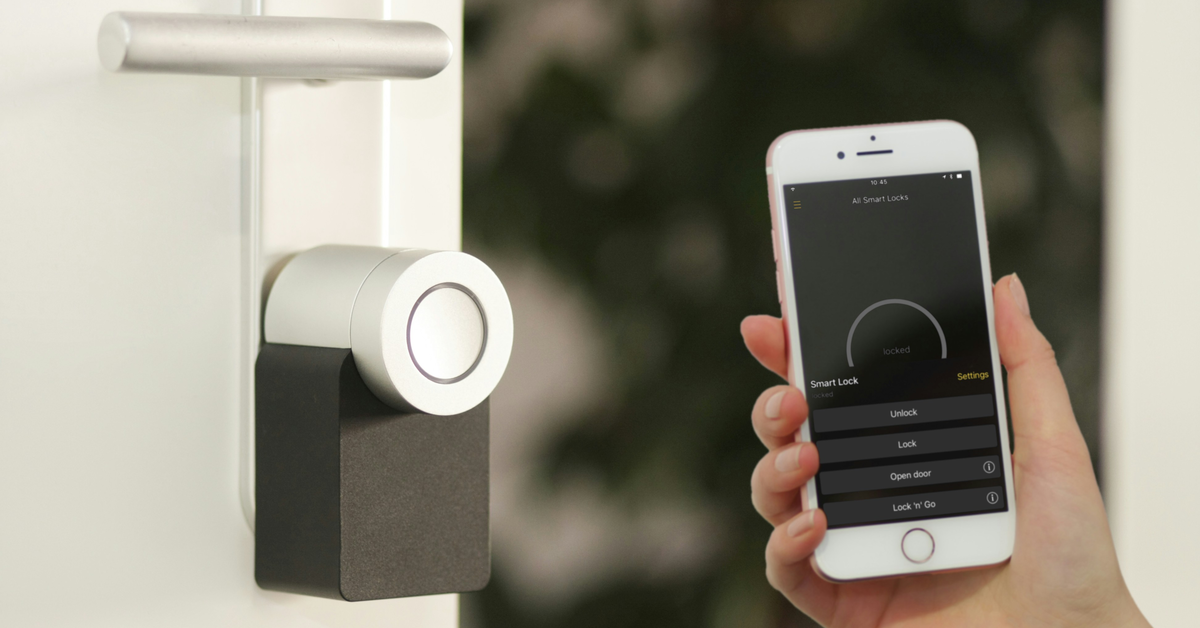
Most smart home systems include mobile apps or web dashboards that allow remote access from anywhere with an internet connection. Homeowners can monitor systems, receive alerts, and control devices while away from home.
Physical Interfaces
Despite increasing automation, physical controls remain important. Smart switches, touch panels, and programmable wall controls provide direct access to smart home functions without relying entirely on smartphones or voice commands.
Key Features of Smart Homes
Smart homes can include a wide range of connected technologies designed to improve convenience, efficiency, security, and comfort.
Explore the Available Smart Villas for Sale in Dubai
-


Villa
Listed 1 week ago
135,000,000 AED
Designer Coastal Villa | Modern and Brand New
La Mer South Island, La Mer, Jumeirah, Dubai
6
7
24,751 sqft
-

Villa
Listed 1 week ago
425,000,000 AED
Prestigious Waterfront Mansion with Open Sea Views
Bulgari Resort & Residences 1, Bulgari Resort & Residences, Jumeirah Bay Island, Jumeirah, Dubai
6
7+
29,101 sqft
-

Villa
Listed 1 week ago
250,000,000 AED
Sophisticated Modern Villa | Incomparable Luxury
Jumeirah Bay Island Villas, Jumeirah Bay Island, Jumeirah, Dubai
5
6
18,587 sqft
-

Villa
Listed 1 week ago
265,000,000 AED
Timeless Beachfront Villa | Unparalleled Sea View
Jumeirah Bay Island Villas, Jumeirah Bay Island, Jumeirah, Dubai
5
7
17,252 sqft
-

Villa
Listed 1 week ago
195,000,000 AED
Bulgari Front Row Mansion | Full Skyline Views
Bulgari Resort & Residences 1, Bulgari Resort & Residences, Jumeirah Bay Island, Jumeirah, Dubai
5
7
7,353 sqft
-

Villa
Listed 6 days ago
115,000,000 AED
Hermes Beachfront Mansion | 24,649 sqft Plot
Amali Island, The World Islands, Dubai
5
7
11,493 sqft
-

Villa
Listed 4 days ago
60,000,000 AED
Genuine Re-Sale Best Price 7 Bedroom Villa
Altissima, Al Barari, Dubai
7
7+
13,781 sqft
-

Villa
Listed 18 hours ago
59,500,000 AED
Exclusive| High Number | Brand New Villa
Garden Homes Frond O, Garden Homes, Palm Jumeirah, Dubai
6
6
7,380 sqft
-

Villa
Listed 3 weeks ago
88,000,000 AED
Bespoke Smart Home Living | Italian Designer Villa
La Mer South Island, La Mer, Jumeirah, Dubai
6
7+
13,370 sqft
-

Villa
Listed 3 weeks ago
30,000,000 AED
EXCLUSIVE | High Number | Extended Plot
Garden Homes Frond B, Garden Homes, Palm Jumeirah, Dubai
4
5
7,314 sqft





Smart Lighting and Shades
Smart lighting systems allow users to automate schedules, adjust brightness levels, and customise colour temperatures. Automated blinds and shades can also respond to sunlight, temperature, or time of day.
Benefits include:
- Reduced energy consumption
- Improved convenience
- Enhanced ambience and mood settings
- Better integration with natural daylight
Climate Control
Smart thermostats and HVAC systems help regulate indoor temperatures more efficiently. Many systems use occupancy detection or geofencing to adjust settings automatically when residents enter or leave the property.
Features may include:
- Scheduled heating and cooling
- Energy usage monitoring
- Remote temperature control
- Learning algorithms that optimise comfort and efficiency
Security and Surveillance
Security remains one of the most popular applications of smart home technology.
Common security features include:
- Smart locks
- Video doorbells
- Security cameras
- Motion sensors
- Window and door sensors
- Real-time mobile alerts
These systems allow homeowners to monitor properties remotely and receive notifications about unusual activity or potential security risks.
Appliances and Kitchen Technology
Modern smart homes increasingly integrate connected appliances capable of remote control and automation.
Examples include:
- Smart refrigerators that track inventory
- Ovens controlled through mobile apps
- Washing machines with automated cycles
- Dishwashers that optimise water usage
Some appliances can also provide maintenance alerts or energy consumption reports.
Health, Safety, and Environmental Monitoring
Smart homes often include environmental sensors designed to improve health and safety.
These may include:
- Smoke and fire detectors
- Carbon monoxide alarms
- Water leak sensors
- Air quality monitors
- Humidity sensors
Automated alerts can help homeowners respond quickly to hazards before they escalate into larger problems.
Entertainment and Media Integration
Entertainment systems are another major feature of smart homes. Smart speakers, streaming devices, and multi-room audio systems allow users to manage media seamlessly throughout the home.
Capabilities may include:
- Voice-controlled entertainment
- Synchronised multi-room audio
- Smart televisions and streaming services
- Automated home cinema settings
Benefits of Smart Homes
Smart homes offer a range of practical and lifestyle advantages for homeowners.
Energy Efficiency and Cost Savings
One of the primary benefits of smart homes is improved energy management. Automated systems help reduce unnecessary electricity and heating usage through optimised scheduling and occupancy detection.
Examples include:
- Automatic lighting shut-offs
- Efficient thermostat scheduling
- Reduced standby power usage
- Better monitoring of energy consumption
Over time, these efficiencies may contribute to lower utility bills and long-term cost savings.
Security and Safety Enhancements
Smart homes improve residential security through remote monitoring, instant notifications, and integrated safety systems.
Benefits include:
- Real-time security alerts
- Remote access to cameras and locks
- Automated emergency responses
- Early detection of smoke, leaks, or intrusions
These systems can help homeowners respond more quickly to emergencies and improve overall peace of mind.
Convenience and Accessibility
Automation and remote access make smart homes highly convenient for daily living.
Homeowners can:
- Control systems from anywhere
- Use voice commands for routine tasks
- Automate repetitive actions
- Simplify household management
Smart homes can also improve accessibility for individuals with mobility challenges or disabilities by reducing the need for manual controls.
Comfort, Well-being, and Environment
Smart homes contribute to a more personalised and comfortable living experience.
Benefits may include:
- Improved indoor air quality
- Better climate regulation
- Lighting aligned with circadian rhythms
- Personalised room settings and routines
Automation can create environments that adapt more naturally to occupant preferences and daily habits.
Resale Value and Real Estate Appeal
As smart technology becomes more mainstream, many homebuyers increasingly expect integrated smart systems in modern properties.
Features such as:
- Smart security systems
- Energy-efficient climate control
- Automated lighting
- Connected appliances
may improve marketability and potentially increase property appeal or resale value.
Example of Smart Home Companies in Dubai
Below is an example of a smart home provider operating in Dubai.
The Switch Company
The Switch Company is a Dubai-based smart home automation provider offering integrated solutions for residential and commercial properties. The company specialises in smart lighting, climate control, home security, CCTV, smart curtains, access control, home entertainment systems, and Wi-Fi networking, enabling users to manage their homes through mobile apps and voice assistants.
- Services: Smart home automation, lighting control, security systems, smart curtains, home cinema, networking, and access control.
- Contact: +971 56 539 9549 – +971 55 165 5537
- Location: Dubai Business Atrium Building, Mezzanine Floor – Dubai
Challenges and Considerations
Despite their advantages, smart homes also present several challenges that homeowners should consider carefully.
Reliability and Connectivity Issues
Smart homes depend heavily on internet access, wireless connectivity, and electrical power. Network outages or technical failures may temporarily disrupt automated systems and device functionality.
Privacy and Security Risks
Connected devices collect and transmit data, which may create privacy and cybersecurity concerns if systems are not properly secured.
Homeowners should prioritise:
- Strong passwords
- Regular firmware updates
- Secure networks
- Trusted device manufacturers
Upfront Costs and Compatibility
Initial setup costs can vary significantly depending on the number and complexity of devices installed. Compatibility issues between brands and ecosystems may also complicate integration.
Choosing interoperable devices and open standards can help reduce future limitations.
Learning Curve and Maintenance
Managing multiple devices, apps, and automation routines may require ongoing maintenance and technical understanding. Firmware updates, troubleshooting, and ecosystem management remain important aspects of long-term smart home ownership.
Cost and ROI Comparison
| Smart Feature | Typical Upfront Cost | Estimated Savings & Payoff Time |
| Smart Thermostat | AED 370–920 | 10–20% annual HVAC energy savings; payoff often within 1-2 years |
| Smart Lighting | AED 55–185 per bulb / AED 110–370 per switch | Potential lighting cost reduction of 20-30%; payoff over 1-3 years |
| Smart Security System | AED 1,100–3,700+ | Value is often reflected in security benefits and possible insurance discounts |
How to Get Started: Building a Smart Home
Starting with smart homes does not necessarily require a complete property overhaul. Many homeowners begin gradually by focusing on specific priorities.
1. Audit Your Needs
Identify the areas where automation may provide the greatest value, such as security, comfort, convenience, or energy efficiency.
2. Choose a Platform or Ecosystem
Selecting a central ecosystem early can improve compatibility and simplify long-term management. Common platforms include:
- Apple Home
- Google Home
- Amazon Alexa
- SmartThings
3. Ensure Strong Infrastructure
Reliable Wi-Fi coverage and a stable internet connection are essential for smart home performance. Upgrading routers or mesh systems may improve reliability.
4. Start with Core Devices
Many homeowners begin with foundational devices such as:
- Smart thermostats
- Smart lighting
- Security cameras
- Smart locks
- Environmental sensors
5. Plan for Future Expansion
Choosing scalable and interoperable products can help future-proof the system and simplify future upgrades.
Key Takeaways
Smart homes combine connectivity, automation, and remote control technologies to manage devices and systems throughout the home more efficiently. Major benefits include improved energy efficiency, enhanced security, greater convenience, and increased everyday comfort for homeowners. Important smart home features typically include climate control systems, automated lighting, smart security devices, connected appliances, and environmental monitoring tools. However, smart homes also come with certain challenges, including upfront costs, compatibility issues between devices, privacy concerns, and reliance on stable internet connectivity. The overall return on investment (ROI) largely depends on the types of devices installed, user habits, and how extensively the smart home system expands over time.
Frequently Asked Questions (FAQs)
Each protocol has different advantages in terms of range, power consumption, speed, and compatibility. Many modern smart home hubs support multiple protocols, allowing devices to work together more efficiently.
Many smart home systems are designed for DIY installation and are relatively simple to configure. However, more advanced installations involving wiring, integrated automation, or high-end security systems may benefit from professional assistance.
Smart home security can be improved by using strong passwords, enabling software updates, choosing trusted brands, and using local control options where available. These steps help minimise privacy and cybersecurity risks.
Ongoing costs may include electricity usage, internet connectivity, subscription services, cloud storage fees, and occasional device replacement or upgrades. These expenses are generally lower than the initial installation cost but remain ongoing.
Technology standards continue to evolve, but choosing devices that support open ecosystems and receive regular software updates can help improve long-term compatibility and future-proof your smart home setup.