



The UAE solar market is moving quickly in 2026. Demand is being shaped by the UAE Energy Strategy 2050, which aims to triple the contribution of renewable energy, and by the wider Net Zero by 2050 direction set by the federal platform. That policy backdrop has made solar panels more relevant for homeowners, landlords, developers, and industrial operators across the country.
For buyers, the important point is that solar panel suppliers in the UAE do not all serve the same customer. Some focus on residential rooftops and villas, while others are built for warehouses, retail parks, farms, and utility-scale projects. The right choice depends on local utility rules, the financing model, and the extent of after-sales support the supplier can provide in a hot, dusty climate.
- The UAE solar market in 2026
- Top solar panel suppliers in the UAE for residential projects
- Top solar panel suppliers in the UAE for commercial and industrial projects
- Panel manufacturers and distributors active in the UAE
- Pricing and cost benchmarks for 2026
- Selection criteria: What to compare before you buy
- Key takeaways
- FAQs
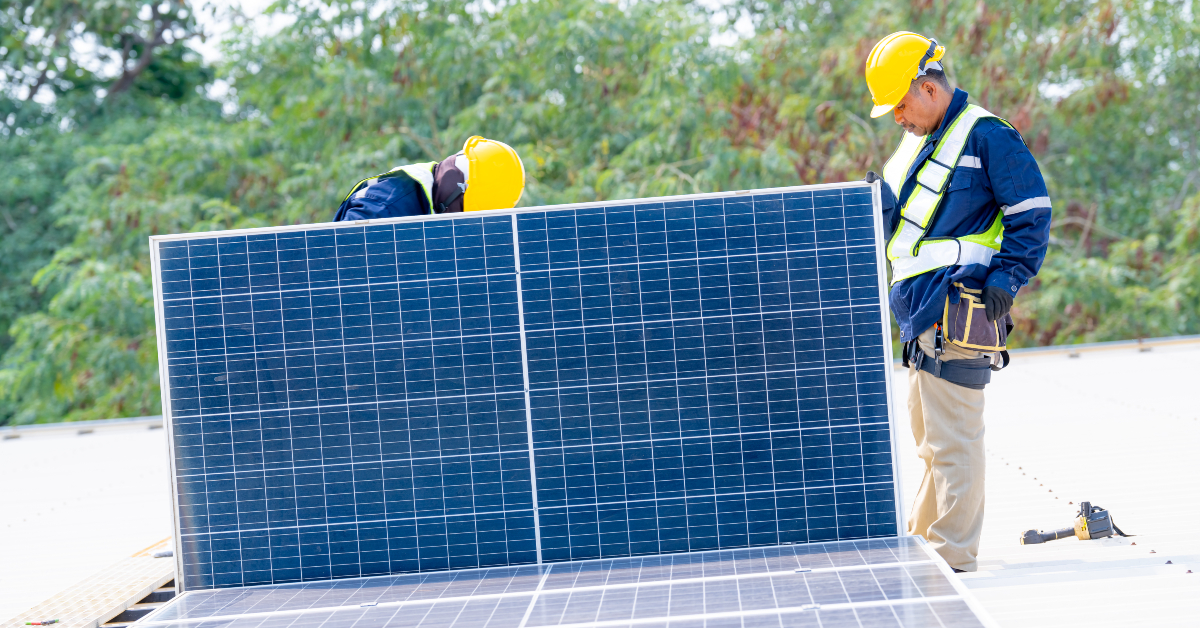
The UAE solar market in 2026
In Dubai, Shams Dubai remains the clearest rooftop pathway for eligible buildings. DEWA describes it as its first smart initiative to connect solar energy to buildings, and its permit service is designed for enrolled solar consultants and contractors who apply for Solar NOC, design approval, and connection documents through the system. That makes contractor approval and regulatory oversight central to any project.
Outside Dubai, the structure is similar but not identical. Abu Dhabi has its own small-scale solar PV net metering regulations, which create a framework for connection and export credits, while Sharjah is served by the Sharjah Electricity, Water, and Gas Authority (SEWA), and the Northern Emirates by Etihad Water and Electricity. In practice, that means compliance is utility-specific, so suppliers need to be chosen with the right emirate in mind.
The market also splits clearly by project size. Residential buyers usually look for compact rooftop systems for villas and small buildings, while commercial and industrial clients often need larger rooftop arrays, carports, ground-mount systems, storage, or PPA-style financing. That split is reflected in the product ranges offered by UAE providers, such as SirajPower, Solar Oasis, Yellow Door Energy, and ACWA Power.
Top solar panel suppliers in the UAE for residential projects
1. SirajPower
SirajPower is one of the strongest names for residential and mixed-use solar in the UAE because it offers development, financing, construction, operations, and maintenance under one umbrella. Its official site states that it serves residential, commercial, and industrial clients and highlights rooftop, carport, ground-mount, energy storage, and hybrid systems. It also positions its offering around no upfront capital cost, which matters for homeowners who prefer predictable monthly savings rather than a large initial outlay.
For villas and residential complexes, that full-service model is often more valuable than a simple equipment-only sale. SirajPower’s own site notes that it has a large distributed solar portfolio in operation, suggesting strong execution depth and project scale. For a homeowner, that usually means fewer coordination issues and a clearer route through approvals, installation, and maintenance.
2. Power & Sun UAE
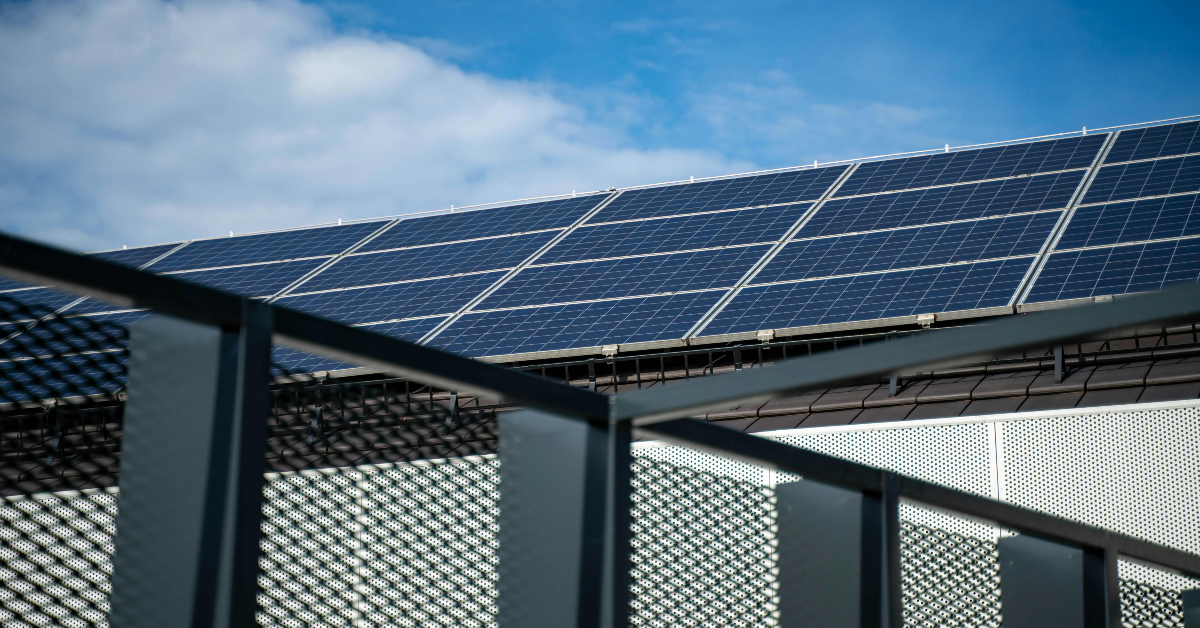
Power & Sun is better known as a supplier and distributor than as a lease-finance developer, which makes it useful for buyers who want equipment access, battery storage, inverters, mounting systems, or hybrid components. Its site lists PV modules, solar inverters, energy storage systems, mounting systems, cables, and EV chargers, and it shows a broad brand mix that includes LONGi, JA Solar, Trina Solar, Sungrow, Deye, SMA, and Dyness. It also lists a Dubai headquarters and showroom, which is useful for buyers who prefer to compare products locally.
For residential buyers, that kind of supplier is often best when the priority is component choice, battery pairing, or hybrid backup rather than a full project-finance structure. In other words, it suits homeowners and smaller businesses that already have a contractor in mind and need a dependable product sourcing partner. That is an inference, but it follows directly from the product range and the company’s local supply model.
Top solar panel suppliers in the UAE for commercial and industrial projects
1. Yellow Door Energy
Yellow Door Energy is one of the clearest commercial choices in the UAE market because its model is built around solar leases and PPAs. The company says there is no capital expense, that it manages long-term electricity costs, and that customers can own the plant after the term in some structures. That makes it highly relevant for factories, warehouses, retail centres, and large property owners that want to reduce operational spend without tying up capital.
This model is particularly attractive for businesses with large roofs and a steady daytime load. A warehouse in Jebel Ali, for example, is often a better fit for a financed rooftop arrangement than for a simple panel purchase, because the value comes from long-term performance, monitoring, and billing structure rather than only from hardware. That is an inference based on Yellow Door Energy’s commercial model and the project types it promotes.
Explore the Available Warehouses for Rent in Jebel Ali
-
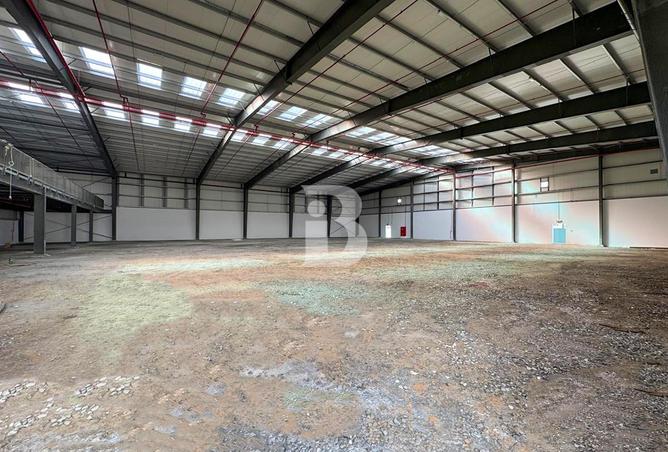

Warehouse
Listed 1 year ago
1,550,000 AED/year
BRAND NEW | OPEN LAYOUT | LOADING BAYS
Freezone North, Jebel Ali Freezone, Jebel Ali, Dubai
none
31,000 sqft
-
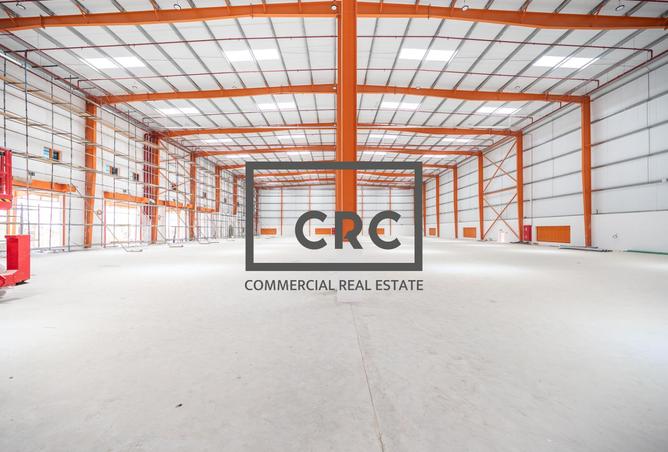
Warehouse
Listed 1 month ago
1,811,280 AED/year
Brand New | Power Load 400kW | Height 12 meters
Freezone South, Jebel Ali Freezone, Jebel Ali, Dubai
4
37,782 sqft
-
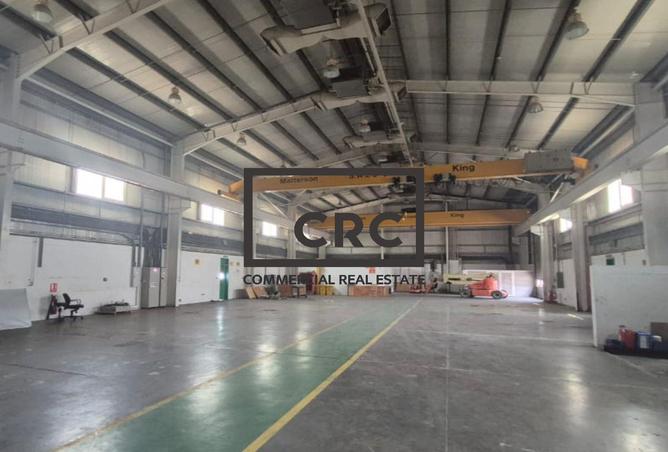
Warehouse
Listed 2 months ago
1,347,000 AED/year
No Sublease | Manufacturing or Logistics/Storage
Freezone North, Jebel Ali Freezone, Jebel Ali, Dubai
none
24,160 sqft
-
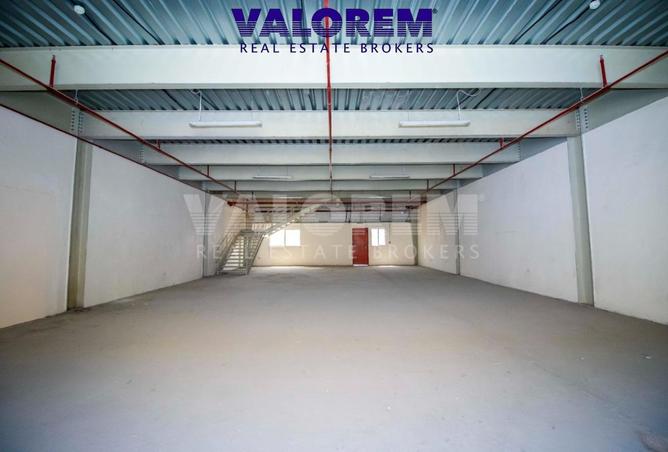
Warehouse
Listed 2 months ago
160,000 AED/year
10 KW Huge Warehouse | Ground and Mezzanine Floor
Jebel Ali Industrial 1, Jebel Ali Industrial, Jebel Ali, Dubai
1
4,249 sqft
-
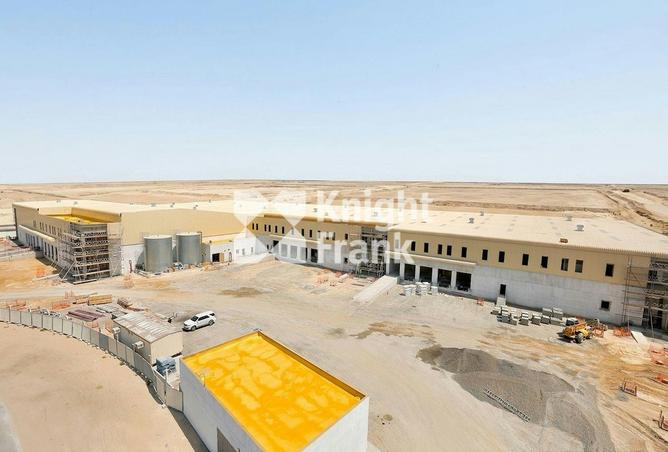
Warehouse
Listed 6 days ago
12,500,000 AED/year
Grade A Logistics Facility | Ready Dec 2026
Freezone South, Jebel Ali Freezone, Jebel Ali, Dubai
none
239,927 sqft
-
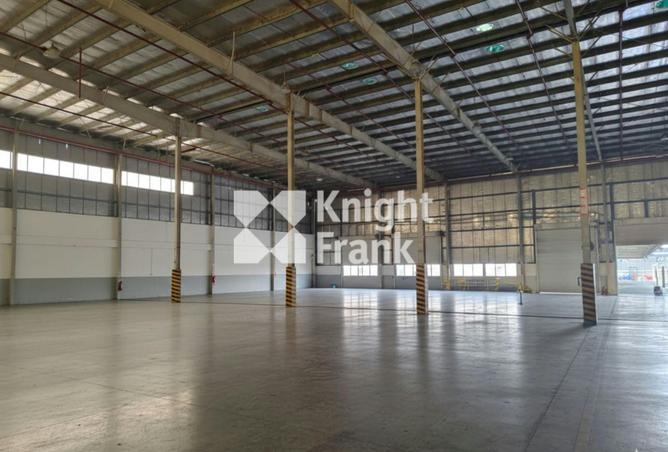
Warehouse
Listed 6 days ago
3,263,808 AED/year
12m Eaves | Dock Loading | Leasehold Warehouse
Freezone South, Jebel Ali Freezone, Jebel Ali, Dubai
none
67,996 sqft
-
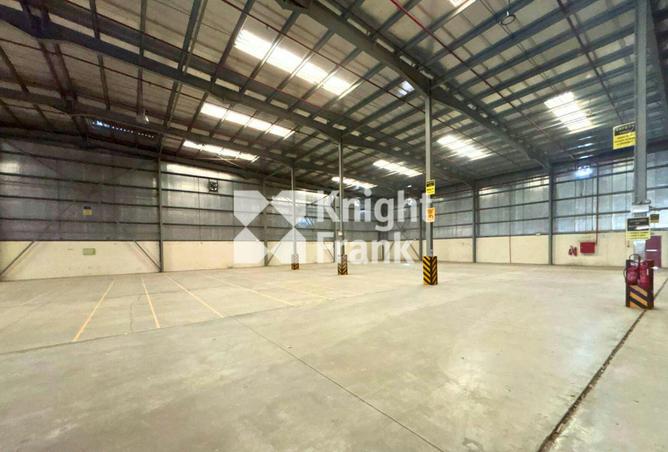
Warehouse
Listed 6 days ago
2,952,000 AED/year
Racked Logistics Warehouse for Lease in JAFZA
Freezone South, Jebel Ali Freezone, Jebel Ali, Dubai
1
73,800 sqft
-
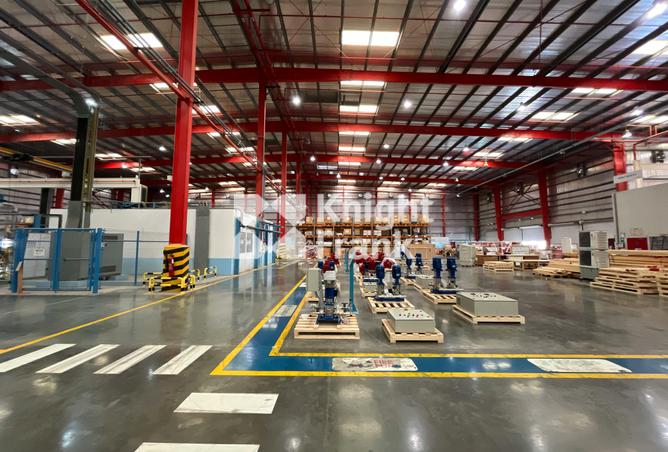
Warehouse
Listed 6 days ago
4,700,000 AED/year
High Power Warehouse | 3 Floor Offices | For Rent
Freezone South, Jebel Ali Freezone, Jebel Ali, Dubai
none
144,755 sqft
-
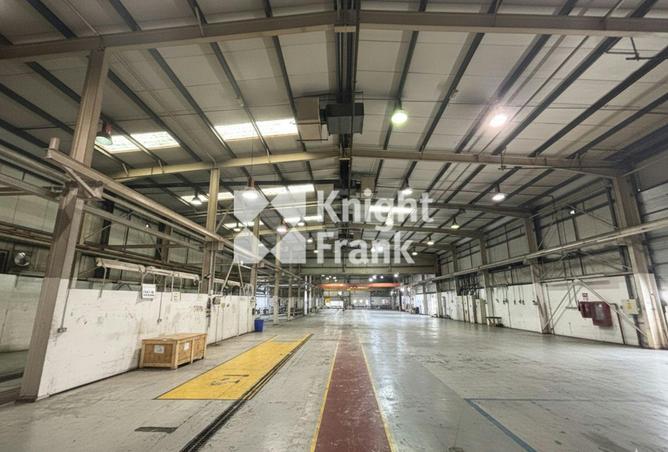
Warehouse
Listed 6 days ago
1,145,419 AED/year
Energy Sector Serviced Warehouse | Available Now
Freezone North, Jebel Ali Freezone, Jebel Ali, Dubai
none
24,165 sqft
-

Warehouse
Listed 2 weeks ago
1,641,600 AED/year
Energy Sector | No Sub-Lease Fee | Oil and Gas
Freezone North, Jebel Ali Freezone, Jebel Ali, Dubai
none
29,450 sqft




2. Solar Oasis
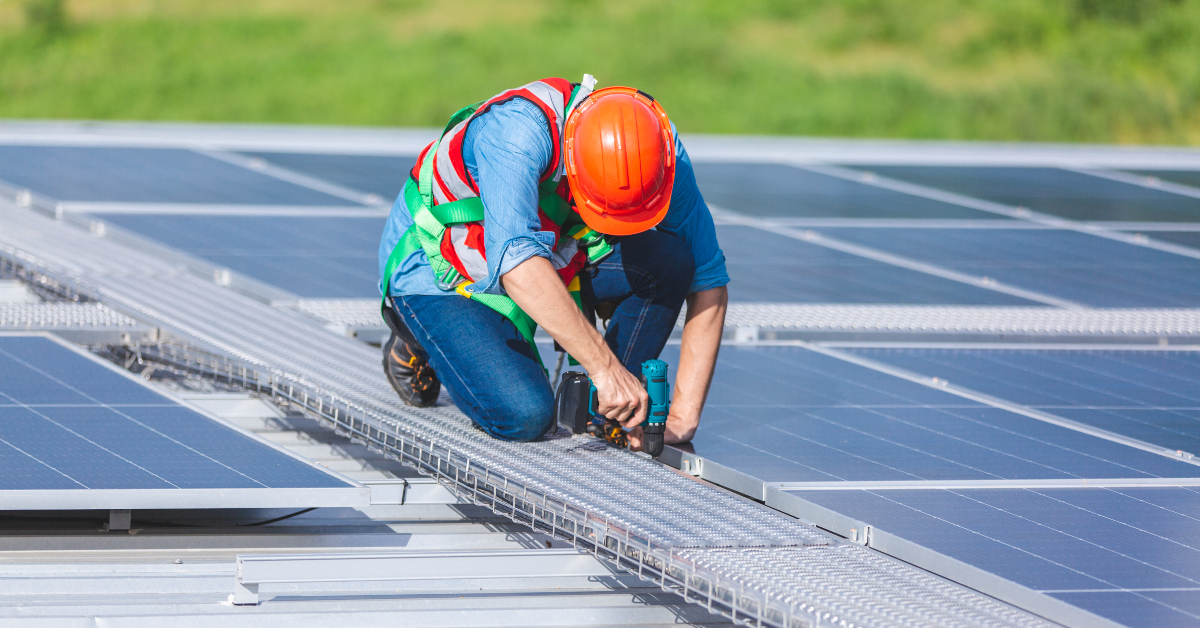
Solar Oasis focuses on custom solar systems for villas, farms, factories, and commercial projects across the UAE. Its website emphasises UAE climate design, local expertise, and government-compliant systems, which makes it a relevant option for multi-emirate commercial work where engineering, approvals, and long-term savings matter.
The company is especially relevant for mid-market buyers who want a provider that can handle mixed project types, from rooftop arrays to more specialised installations. For businesses comparing suppliers, that flexibility matters because the right design for a villa is rarely the same as that for a warehouse.
3. ACWA Power
For utility-scale solar, ACWA Power is the strongest name in this list. Its official project pages show major solar IPP experience, including Shuaa Energy 1, a 200 MW photovoltaic project, and Noor Energy 1, a 950 MW hybrid project. That scale puts it in a different league from residential or mid-market EPCs.
This is the type of provider that matters for solar parks, long-term power purchase agreements, and grid-connected projects where financing, output certainty, and institutional delivery are essential. For businesses, this means ACWA Power is more relevant for large, strategic, and highly structured projects.
Panel manufacturers and distributors active in the UAE
Tier-1 module brands, especially LONGi, JinkoSolar, JA Solar, and Trina Solar, heavily influence the UAE market. UAE distributors such as Power & Sun list these brands among their top offerings, while LONGi says it has a MENA and Central Asia headquarters in Dubai.
This matters for buyers, because module availability, replacement speed, and warranty support are often just as important as nominal wattage. A local distributor with stock in Dubai can shorten lead times, which is helpful when a project is tied to construction milestones or seasonal demand. That is a practical inference from the distributor’s presence and stock-led product listings.
Pricing and cost benchmarks for 2026
The cost of solar technology has decreased significantly over the last decade, making it a viable financial investment for many. In 2026, panel efficiency, system size, and the chosen financial model all influence pricing.
| System / Item | Estimated Cost (AED) | USD Approx. | Notes |
| 200-W monocrystalline panel | Starts at 400 to over 900 AED | $120–$250 | Best for micro-installations |
| 500-W panel (mono) | Around 1500 AED | $410 | High-efficiency for modern projects |
| 5 kW villa installation (around 20 panels) | Starting 18,000 AED | Starting $5,000 | Full residential setup (installed) |
Selection criteria: What to compare before you buy
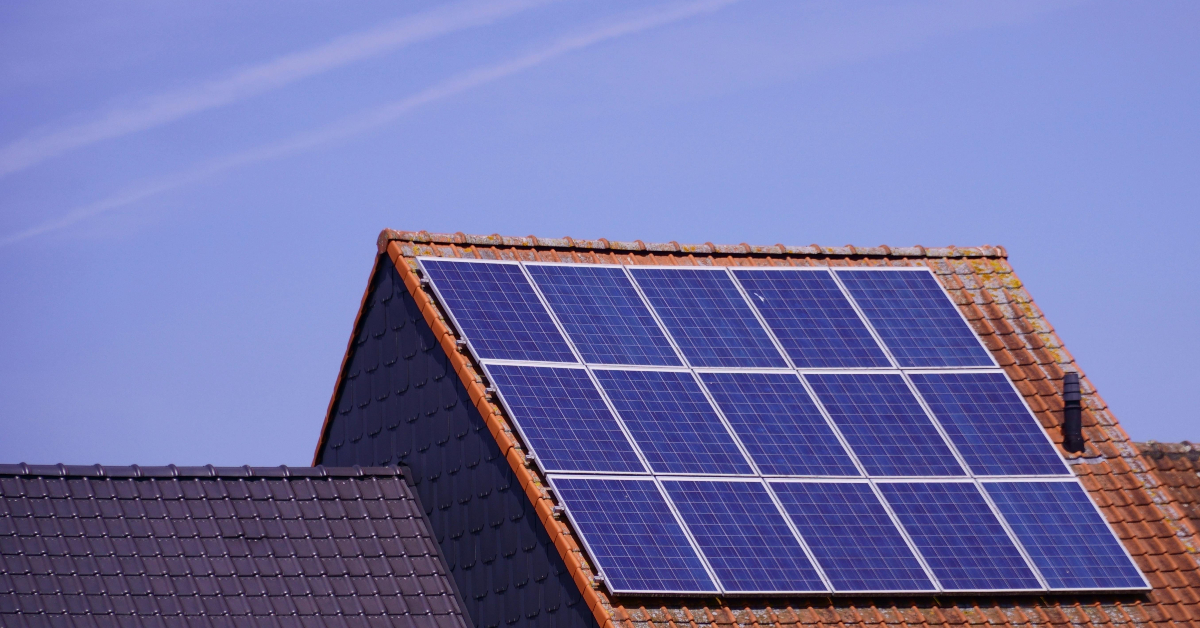
The most reliable way to compare solar panel suppliers in the UAE is to look beyond the headline price. Check whether the supplier can support the relevant utility approval process, offer monitoring and maintenance, and have modules suited to high-heat, dusty environments. In the UAE, that means looking closely at compliance, service depth, and the financing structure, not only wattage.
A practical checklist is simple:
- Compare the supplier’s certification and approval pathway.
- Ask how cleaning and monitoring are handled.
- Review whether they offer outright purchase or lease-style structures.
- Confirm which technology is being proposed, whether that is monocrystalline, TOPCon, bifacial, or a hybrid system with storage.
- For Dubai, also confirm that the contractor is able to work within Shams Dubai.
- For Abu Dhabi, Sharjah, and the Northern Emirates, such as Ras Al Khaimah, Umm Al Quwain, and Ajman, the utility pathway must match the emirate.
Key takeaways
The UAE is a strong solar market. This is because policy, utility frameworks, and commercial demand are all moving in the same direction. For homes, SirajPower and local distributors such as Power & Sun are relevant starting points. For businesses, Yellow Door Energy and Solar Oasis cover the mid-market well, while ACWA Power is the better fit for utility-scale work.
When comparing solar panel suppliers in the UAE, the smartest approach is to match the provider to the project type, utility, and financing model. A villa in Dubai, a warehouse in Sharjah, and a solar park in Abu Dhabi all need different levels of engineering, compliance, and commercial support. The best supplier is the one that fits that reality cleanly and can support the project long after installation.
FAQs
Standard warranties include 10–12 years for the product and 25–30 years for power output. Inverters usually carry a separate 5–10 year warranty.
Yes, via Dubai’s Shams Dubai net-metering scheme. Excess energy is credited to your DEWA account. Other emirates have their own specific regulations.
Yes. Small systems (1–3 kW) are highly cost-effective and offer attractive payback periods as utility rates continue to rise.
Heat and dust can significantly lower efficiency. You can minimise these losses by choosing panels with a low temperature coefficient and maintaining a regular cleaning schedule.
Tier-1 imports generally lead in efficiency and variety. However, local distributors are excellent for reducing delivery times and lowering shipping costs.