



Understanding road signs is essential for safe and efficient driving in the United Arab Emirates (UAE). Whether you are a local driver, an expatriate, or a visitor, knowing the purpose and meanings of traffic signs in the UAE helps you navigate roads confidently while complying with the law. From regulating traffic flow to providing guidance and warnings, road signs play a pivotal role in keeping motorists and pedestrians safe.
In this guide, you will find:
- Overview
- Categories of Road Sign
- Colour Coding & Shapes
- Route Numbering Systems
- Language & Typography
- Road Markings vs Signs
- Legal Importance & Penalties
- Tips for Drivers & Visitors
- Key Takeaways
- FAQs
Overview
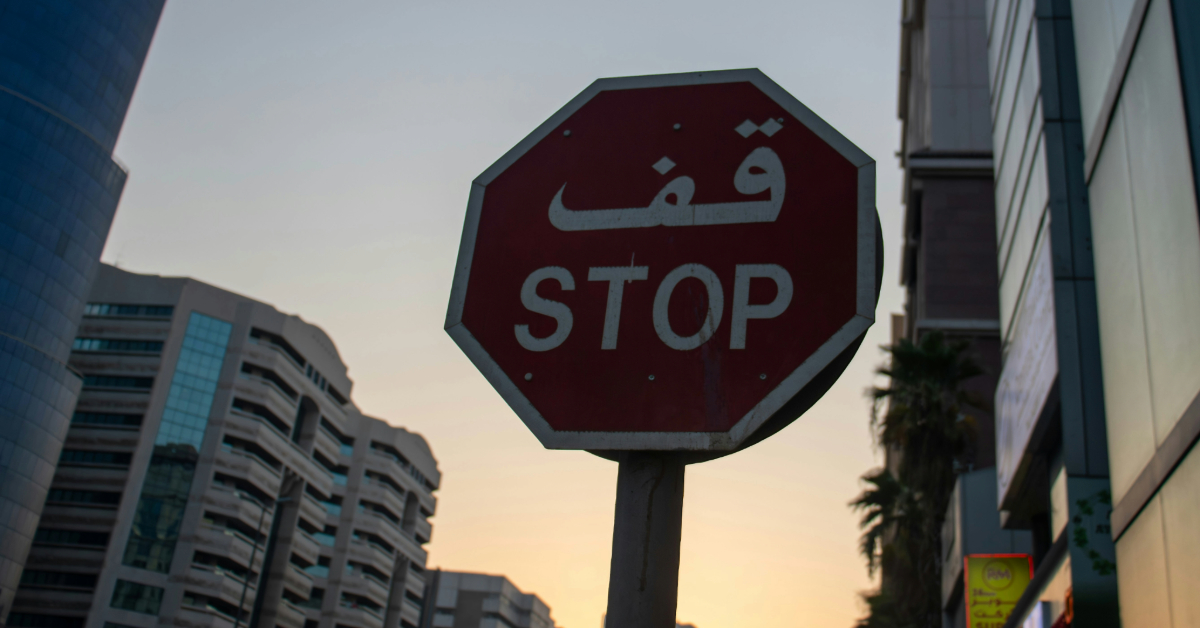
Road signs are an essential part of driving in the UAE, designed to ensure safety, regulate traffic flow, and provide clear guidance to all road users. They serve three main purposes: regulation, informing drivers of legal obligations; warning, alerting motorists to potential hazards ahead; and guidance, offering directions and information for smooth navigation.
Traffic signs in the UAE are carefully regulated to maintain consistency across the country. Key authorities include the Roads and Transport Authority (RTA) in Dubai, the Department of Transport (DoT) in Abu Dhabi, and the Emirates Authority for Standardisation and Metrology (ESMA). These organisations oversee the design, placement, and standardisation of signs, ensuring a unified system throughout all emirates.
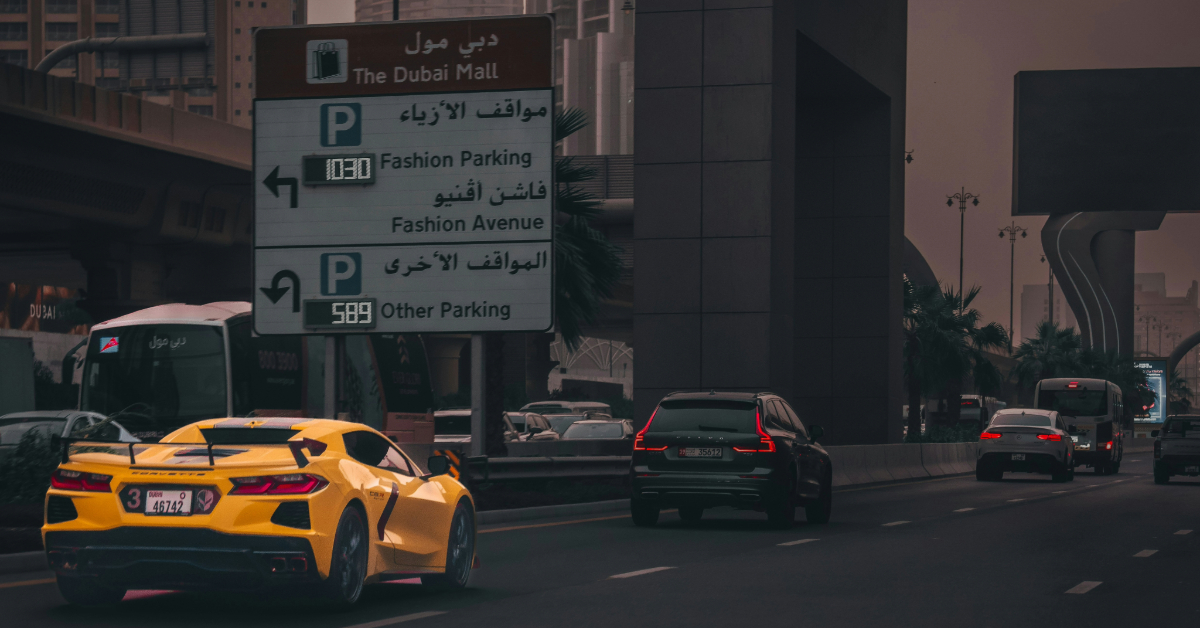
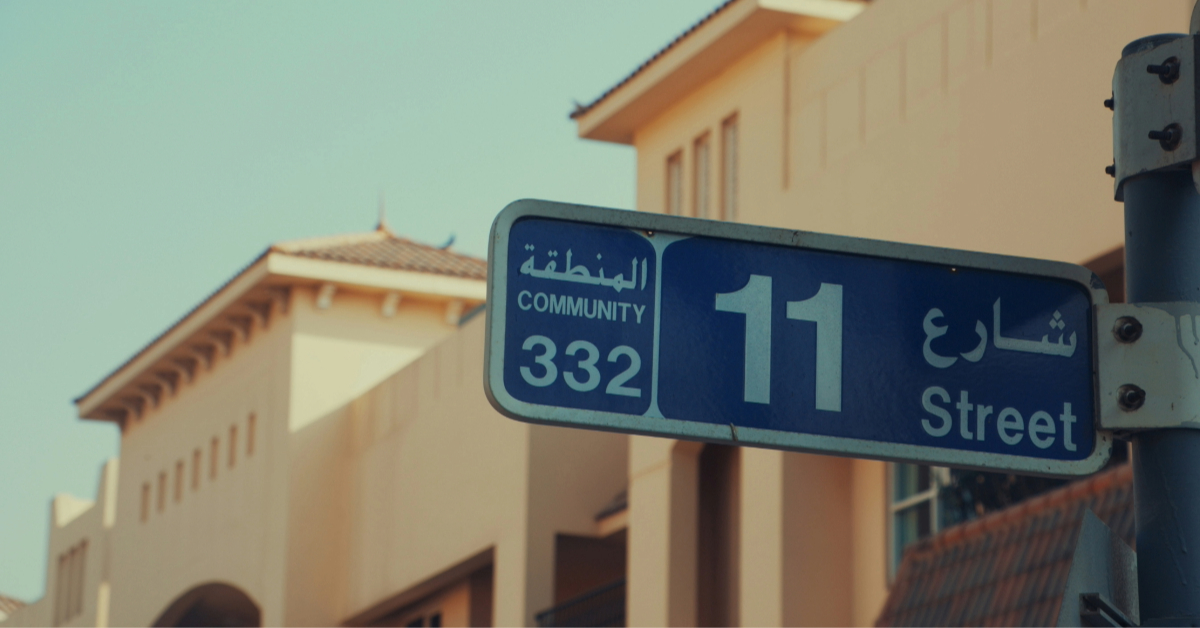
To cater to the country’s diverse population and international visitors, UAE road signs are presented in a bilingual format, featuring both Arabic and English. Additionally, universally recognised symbols are incorporated to make signs immediately understandable, even for drivers unfamiliar with the language, supporting safe and efficient travel across urban streets and highways alike.
Categories of Road Signs
Road signs in the UAE are grouped into distinct categories, each designed to convey specific instructions, warnings, or guidance to drivers.
Regulatory Signs
Regulatory signs inform drivers of legal requirements and traffic rules they must follow. They are divided into several types:
- Control Signs
These signs manage traffic flow and right-of-way, including:- STOP – instructs vehicles to come to a complete halt
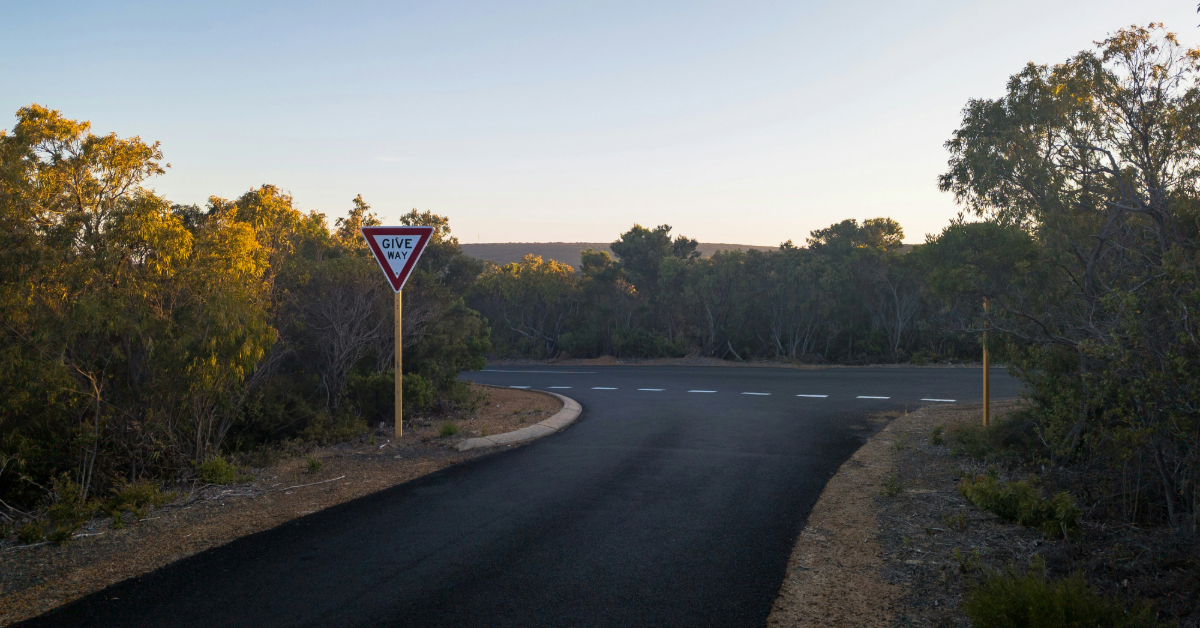
- GIVE WAY – requires drivers to yield to other traffic
- NO ENTRY – prohibits entry to a particular road
- Mandatory Action Signs
These signs indicate actions drivers are required to take, such as:- KEEP LEFT – lane discipline instruction
- Minimum speed limits – showing the lowest allowed speed
- Directional arrows – guiding lanes or turning directions
- Prohibitory Signs
Prohibitory signs specify actions that are not allowed, including:- No U-turn
- No pedestrians
- Speed limits
- Parking Control Signs
These signs regulate parking and stopping, highlighting:- Restricted areas
- Reserved parking spaces
- No stopping zones
- Freeway Control Signs
Used on highways and freeways, these signs indicate:- Entry and exit points
- Start and end of freeways
Warning Signs
Warning signs alert drivers to potential hazards ahead and are usually triangular or diamond-shaped with red borders. They cover:
- Road hazards: curves, intersections, pedestrian crossings, animals, and steep slopes
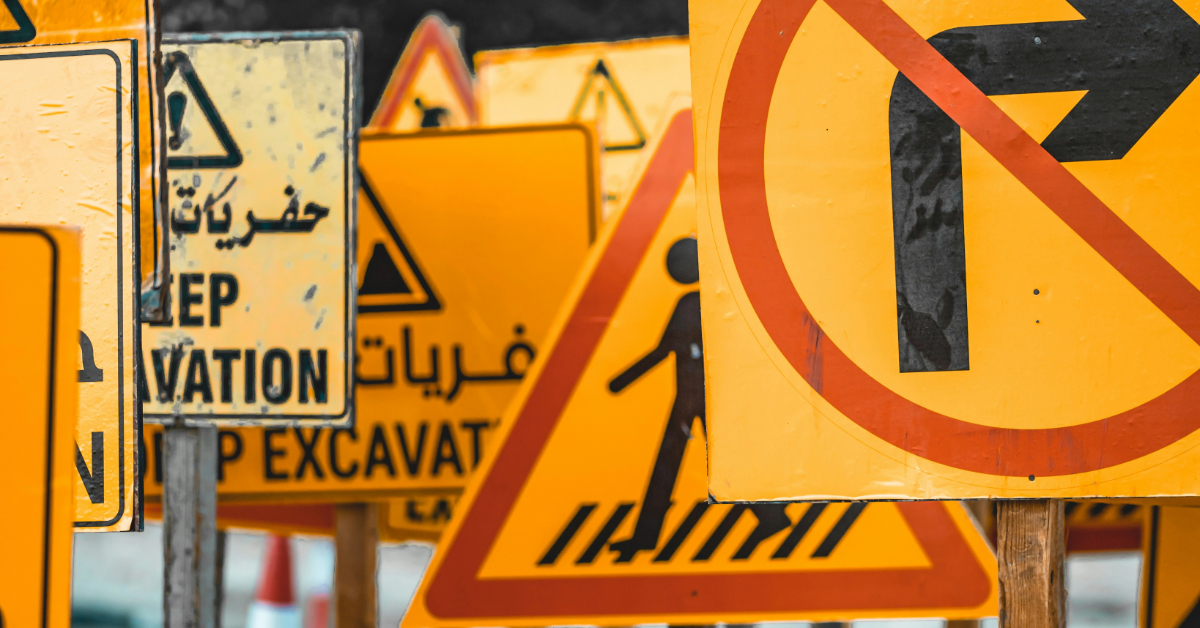
- Temporary conditions: roadworks, loose chippings, or other temporary hazards
Guide & Information Signs
Guide and information signs provide directions and important details to help drivers navigate safely and efficiently:
- Directional / Wayfinding Signs
- Indicate routes, exits, and destinations
- Trailblazing Signs
- Show major roads, including Emirates Routes (E-routes) and Dubai Routes (D-routes).
- Advance Guide and Exit-Direction Signs
- Help drivers prepare for upcoming junctions or freeway exits.
- Tourist, Heritage, and Hospital Signs
- Brown signs highlight tourist attractions, heritage sites, and landmarks.
- Blue signs indicate hospitals and essential services.
Colour Coding & Shapes
Understanding the colours and shapes of road signs in the UAE helps drivers quickly identify the type of instruction or information being conveyed.
Colours Explained
Different colours are used to indicate the purpose of a sign:
- Blue: Used for inter-emirate routes or national roads (E-routes) and service signs, helping drivers navigate longer journeys across the UAE.
- Green: Marks within-city or intra-emirate routes, such as Dubai D-routes, for local navigation.
- White: Indicates residential streets, inner roads, and street names, typically with black lettering.
- Brown: Highlights tourist attractions, heritage sites, landmarks, and points of interest.
- Red borders/circles: Used for prohibitory or mandatory rules, indicating danger, stop requirements, or restrictions.
Shape Patterns
Shapes are standardised to indicate the type of instruction or warning:
- Octagon: STOP – universally recognised to require a full stop.
- Inverted triangle: GIVE WAY/yield – drivers must yield to other traffic.
- Circular: Indicates mandatory actions or prohibitions, such as speed limits or restricted turns.
- Triangular or diamond: Warning signs alerting drivers to hazards or changes in road conditions.
- Rectangular panels: Used for guidance, street names, and general information.
Route Numbering Systems
UAE roads use a systematic numbering approach to help drivers navigate efficiently across and within the emirates.
E-Routes
E-Routes, or Emirate Routes, are major inter-emirate highways marked with blue signs featuring the letter “E” followed by a number. These routes connect different emirates and form the backbone of the country’s national road network, allowing smooth long-distance travel.
D-Routes
D-Routes are specific to Dubai and serve as the city’s internal road system. These routes are marked with green signs and use the letter “D” followed by a number. D-Routes help drivers navigate within Dubai efficiently, linking residential areas, commercial hubs, and key city landmarks.
Routes in Other Emirates
Other emirates follow a similar system, with local authorities numbering roads according to regional conventions. While the colours and letters may vary, the principle remains the same: route numbers provide clear guidance for both local and inter-emirate travel.
Language & Typography
UAE road signs are designed for clarity and quick comprehension, accommodating both local and international drivers.
- Bilingual Signs
All official road signs in the UAE are bilingual, displaying Arabic (the official language) alongside English. This ensures that both residents and visitors can understand traffic instructions and navigate roads safely.
- Arabic Typography
Arabic text on signs typically uses the Naskh style, often in the “Boutros Advertisers Naskh” font. This typeface is selected for legibility, helping drivers read signs quickly even while travelling at high speeds.
- Standardised Design
Both font size and symbol design are standardised across all UAE road signs to ensure consistent recognition. This standardisation allows drivers to quickly interpret instructions and warnings, reducing confusion and enhancing road safety, particularly on highways.
Road Markings vs Signs
Road markings work alongside traffic signs to guide drivers, reinforce rules, and enhance road safety.
Common Road Markings
- Solid white lines – indicate no lane crossing and often mark where vehicles must stop at intersections.
- Broken white lines – allow lane changes when it is safe to do so.
- Pedestrian crossings – marked with zebra stripes; drivers must stop before the crosswalk.
- Box junctions – yellow crossed grids designed to prevent vehicles from blocking intersections.
Interaction Between Signs and Markings
Traffic signs provide instructions, while road markings often reinforce or clarify these rules. For example:
- Advance warning signs with directional arrows are frequently combined with road markings to guide lane changes, exits, or merges.
- Failing to obey either signs or markings can result in fines or other penalties under UAE traffic law.
Legal Importance & Penalties
Traffic signs in the UAE are not only informative but also legally binding, and failure to comply can lead to fines, penalties, or licence points.
Regulatory Signs
Signs such as STOP, speed limits, and NO ENTRY are legal requirements. Ignoring these signs can result in fines and points on your driving licence.
Warning Signs
While warning signs primarily advise drivers of potential hazards, failing to heed them can contribute to accidents. In some cases, ignoring these signs may be enforceable under the law, especially if negligence leads to an incident.
Guide / Informative Signs
Guide and information signs are generally advisory. However, blocking or ignoring official exit directions, route signs, or wayfinding signs can still result in legal issues and fines.
Special Zones
Certain areas, such as reserved parking, handicapped spaces, or zones for people of determination, are strictly regulated. Misuse of these zones carries strict penalties to ensure access for authorised individuals.
Tips for Drivers & Visitors
- Scan quickly: Notice the colour first, then shape, followed by symbols or text.
- Learn key Arabic-English pairs, such as “Stop / قف” and “No Entry / ممنوع الدخول,” to aid comprehension.
- Watch for route codes: E-routes, D-routes, and other local road numbers help you stay oriented.
- Obey temporary signs: Roadworks, diversions, and police instructions override other signs.
- Stay updated: Traffic laws and sign standards, including font and signage rules, are occasionally updated.
Key Takeaways
- UAE road signs follow international standards, using a combination of colour, shape, and bilingual Arabic/English text to ensure clarity and consistency.
- Colour codes, blue, green, white, brown, and red, quickly indicate the type of route or the category of rule being communicated.
- Shapes such as circles, triangles, octagons, and rectangles help drivers identify whether a sign is mandatory, prohibitory, warning, or informational.
- Major inter-emirate roads, known as E-routes (blue), connect different emirates, while D-routes (green) serve intra-city navigation, particularly within Dubai.
- Both road signs and markings must be obeyed, as failure to comply can result in legal penalties, fines, or licence points, making awareness and adherence crucial for safe driving.
FAQs
Yes. Except for rare local or community signage, all official road signs are bilingual (Arabic & English). Universally recognised symbols also aid comprehension.
Blue indicates inter-emirate or national routes (E-routes) and service signs. Green marks intra-city or local routes, such as Dubai D-routes. Brown highlights tourist or heritage sites, landmarks, and points of interest.
E-routes are federal or national roads connecting different emirates, while D-routes are intra-city routes, primarily within Dubai.
Warning signs generally advise drivers of potential hazards. However, ignoring them can lead to legal violations, particularly if it contributes to an accident or breaches other traffic rules.
Road markings are very important and often reinforce the instructions provided by signs. Disobeying either can result in fines. Markings guide lane discipline, stop lines, pedestrian crossings, exits, and other key traffic behaviours.