



Dubai attracts buyers for more than its skyline. Many investors choose to invest in Dubai real estate because the market combines clear ownership structures, a strong rental ecosystem, and a city plan designed around growth, connectivity, and liveability. The result is a market that supports a range of strategies, from long-term leasing to lifestyle-led purchases, provided the property is carefully matched to the location, building quality, and realistic budget assumptions.
- Dubai’s Real Estate Market in Context
- Why Investors Are Choosing Dubai Real Estate in 2026
- Making the numbers practical
- Getting the location and advice right
- Key takeaways
- FAQs
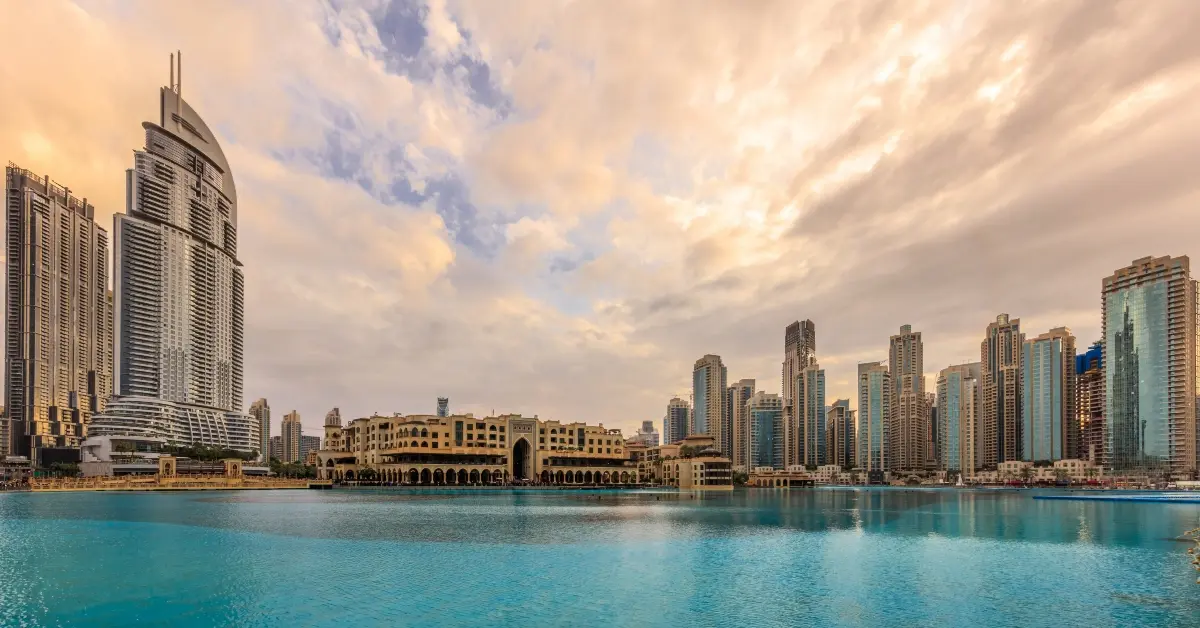
Dubai’s Real Estate Market in Context
Over the past decade, Dubai has transitioned from a high-growth emerging market into a globally benchmarked real estate destination. Institutional investors, family offices, and private buyers are no longer approaching the city as a speculative play, but as a place to allocate capital with more explicit rules, stronger data, and longer-term visibility. Nowadays, that shift is becoming more pronounced as investors reassess where stability, yield, and measured growth intersect.
Why Investors Are Choosing Dubai Real Estate in 2026: 15 Key Reasons

Dubai’s investment story works best when you separate the structural from the seasonal. Short-term market cycles come and go, but regulation, demand fundamentals, and economic direction shape long-term value. The reasons below are designed to help investors focus on those enduring factors, providing a more transparent framework for assessing opportunities in Dubai real estate in 2026, whether you are entering the market for the first time or refining an established portfolio.
1) A tax environment that supports long-term net returns
Dubai’s residential ownership model is appealing because holding costs are comparatively straightforward. There is no annual residential property tax, and individuals do not typically face personal tax on residential rental income.
You still pay one-off fees at purchase and sale, so returns should be modelled on net numbers rather than headlines. However, the absence of recurring taxes can change the long-term picture.
2) Transparent ownership options for international buyers
Dubai offers freehold ownership in designated areas, and transactions follow a well-established process. That clarity reduces uncertainty for global buyers who are accustomed to complex land rules, leasehold structures, or restrictions that vary by district. Clear title registration also supports smoother resale.
3) Rental demand driven by a global resident base
A large portion of Dubai’s population is internationally mobile, and that diversity supports steady rental demand across many neighbourhoods. This matters because it spreads risk. Demand is not tied to a single employer, industry, or buyer profile, which can help occupancy remain resilient across different economic cycles.
4) Yields that can be competitive by international standards
Dubai is often compared with mature global markets where yields can be compressed. In Dubai, yields vary widely by location, unit type, service charges, and furnishing strategy, but many investors still find that net returns can compare favourably when the asset is chosen carefully. It is one of the reasons many buyers consider Dubai for income-led portfolios, not only capital growth.

5) Capital appreciation supported by infrastructure and absorption
Capital growth is not guaranteed anywhere, but Dubai’s tends to be driven by tangible factors: infrastructure delivery, population growth, and new community development. In practical terms, the neighbourhood matters as much as the unit. A well-located property in an area with strong demand drivers can behave very differently from a similar-looking unit in a weaker pocket.
6) A diversified economy that supports housing demand
Dubai’s economy is broad-based, with activity across tourism, trade, logistics, aviation, professional services, and technology. That diversification matters for property investors because housing demand is closely linked to job creation and business activity. When demand comes from multiple sectors, rental markets can be less fragile.
7) A tourism ecosystem that supports short stays in specific areas
Tourism can contribute to rental demand in districts that are designed for visitors and short-term stays. That does not mean every unit is suitable for short lets, because building rules, regulations, and management quality matter. Where appropriate, tourism-led demand can support occupancy in peak seasons and lifestyle-heavy locations.
8) Global connectivity that strengthens tenant and buyer appeal
Dubai’s connectivity is a significant structural advantage. The city sits between time zones, and its airport and logistics network support business travel, relocation, and international hiring. For real estate, that translates into a steady flow of residents who want well-connected neighbourhoods, easy commuting, and access to business districts.
9) Ongoing infrastructure investment that keeps communities relevant
Infrastructure is not just about landmarks. It is about commuting time, road quality, public transport links, and how easily residents can move between home, work, and leisure. When infrastructure improves, well-placed communities tend to benefit from stronger tenant interest and better long-term appeal.
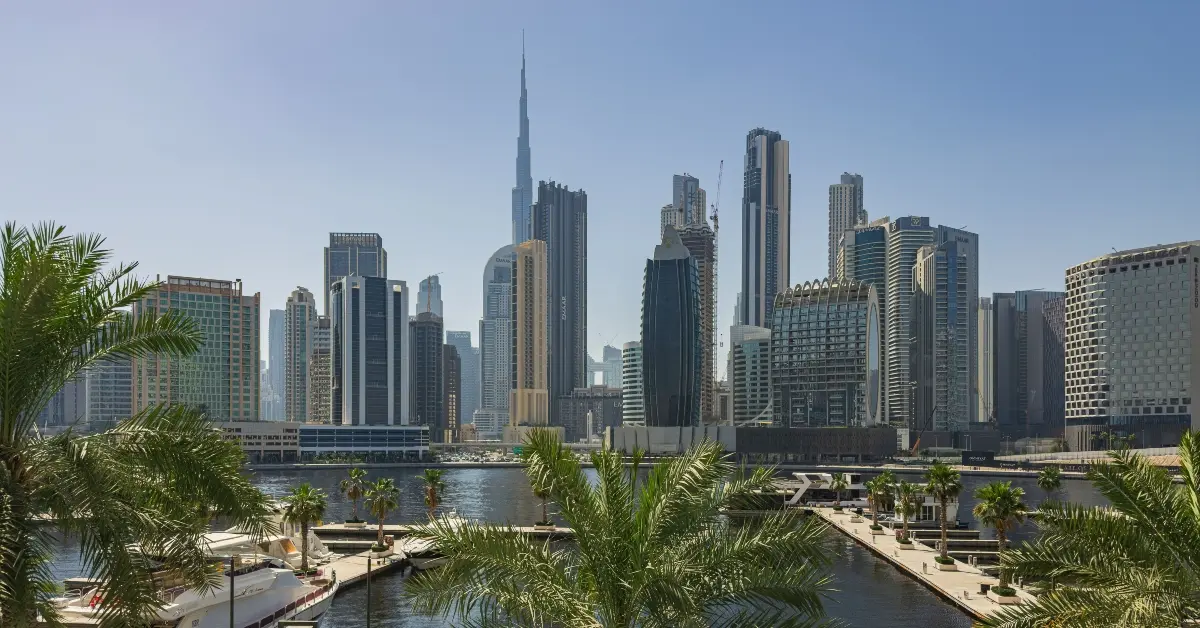
10) Population growth that supports absorption over time
Population growth supports housing demand, but the more important point is absorption. As the city grows, demand spreads beyond headline districts into emerging communities with newer stock, better layouts, and more competitive entry points. Investors who track where demand is moving, rather than where it has been, often make better decisions.
11) Prime districts with deep, repeatable demand
Some locations remain in demand because they combine access to employment, lifestyle, and brand value. These districts often attract a wide range of tenants, including professionals, couples, and families, which supports liquidity.
If you want a practical way to compare community trends, DataGuru can help you understand the differences at the area level.
12) Relative value versus other global cities
Dubai is known for luxury, but “value” is about what you get for your budget. Many buyers compare Dubai with cities where space is limited, charges are high, and quality varies widely. In Dubai, modern layouts, amenities, and infrastructure can sometimes offer more substantial lifestyle value for the money, depending on the area and building.
13) Residency options that matter to lifestyle-led investors
For some buyers, property ownership is not only financial. It can be part of long-term life planning in the UAE, particularly when ownership aligns with residency options linked to real estate investment. While residency pathways are subject to eligibility and documentation requirements, the fact that property can support a longer-term personal plan is meaningful for specific households and entrepreneurs.
14) A regulatory framework that supports market confidence
Dubai’s real estate sector operates with established oversight and standardised processes. That does not remove market cycles, but it can reduce transactional friction. For global investors, predictability matters, especially when comparing multiple countries. It also helps when you want to resell, because buyers are familiar with the process.
15) Diversification options within one city
Dubai makes it relatively easy to diversify within a single market. You can spread exposure across apartment units, family communities, emerging districts, and different price bands. You can also diversify by use case, such as long-term leasing versus personal use.
If you want to check a home price in its area before you commit, the Home Value Estimator provides a quick reference.
Making the numbers practical
Even strong reasons do not replace practical planning. Investors often make better decisions when they treat buying as a system, accounting for purchase price, service charges, maintenance, vacancy assumptions, and financing costs. Financing changes the equation, so repayment estimates should be tested before you fall in love with a unit.

Getting the location and advice right
Dubai is a city of micro-markets. Two buildings on the same street can produce very different outcomes because of service charges, maintenance, amenities, parking design, and management quality. A good decision usually comes from aligning three things: your budget, your strategy, and your preferred community profile.
If you want to sense-check options with a verified professional who understands the local stock, you can use SuperAgent to explore agent profiles by area.
Discover All The Available Properties For Sale In Dubai
-
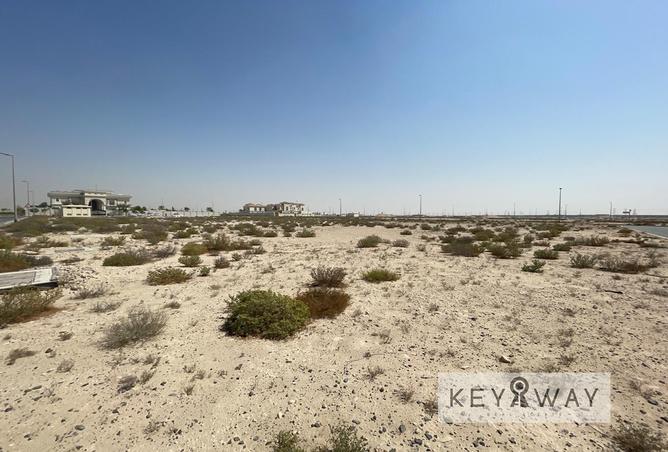

Land
Listed 2 weeks ago
3,850,000 AED
Investment Opportunity | Close to Mall
Jebel Ali Hills, Jebel Ali, Dubai
none
9,842 sqft
-
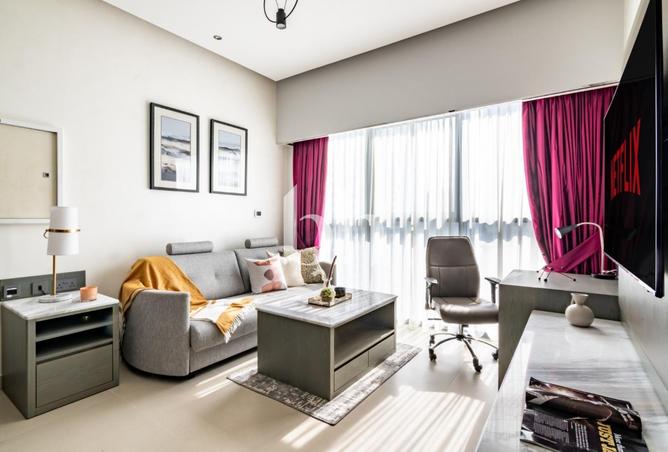
Apartment
Listed 2 weeks ago
1,450,000 AED
Upgraded 1BR | High ROI | Vacant
Bellevue Tower 2, Bellevue Towers, Downtown Dubai, Dubai
1
2
547 sqft
-
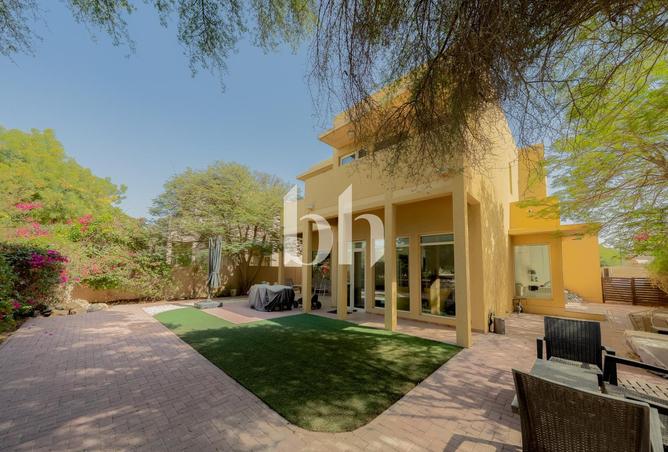
Villa
Listed 3 weeks ago
9,200,000 AED
Viewings Saturday | Exclusive | Park Backing
Saheel 1, Saheel, Arabian Ranches, Dubai
3
4
3,166 sqft
-
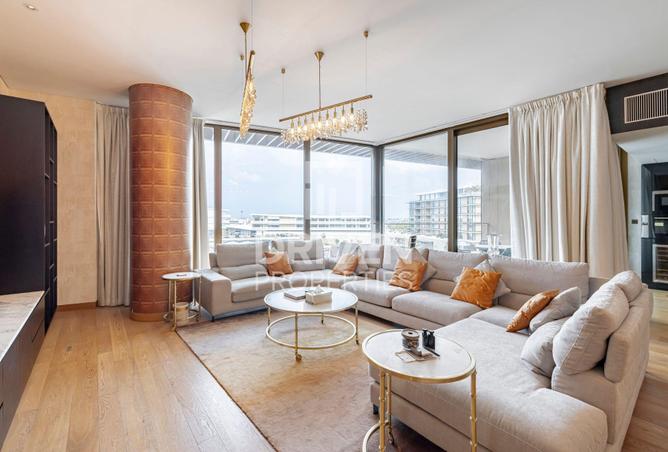
Apartment
Listed 2 days ago
38,000,000 AED
Luxurious Unit with Marina View | Partly Furnished
Bulgari Resort & Residences 3, Bulgari Resort & Residences, Jumeirah Bay Island, Jumeirah, Dubai
3
4
2,698 sqft
-
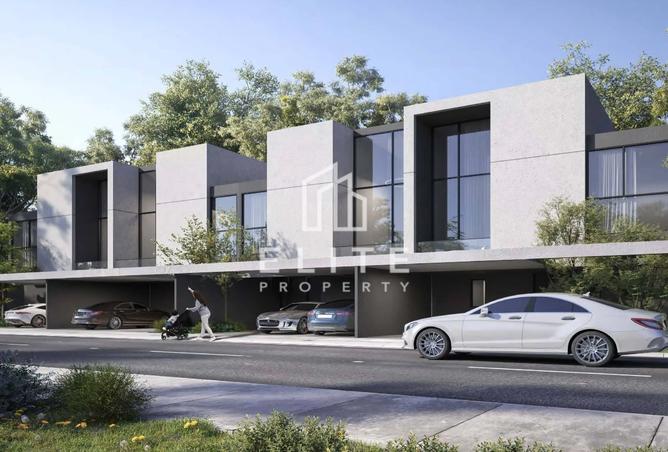
Townhouse
Listed 2 days ago
7,950,000 AED
Largest Corner Plot, On The Park, Motivated Seller
Jouri Hills, Jumeirah Golf Estates, Dubai
4
5
4,375 sqft
-
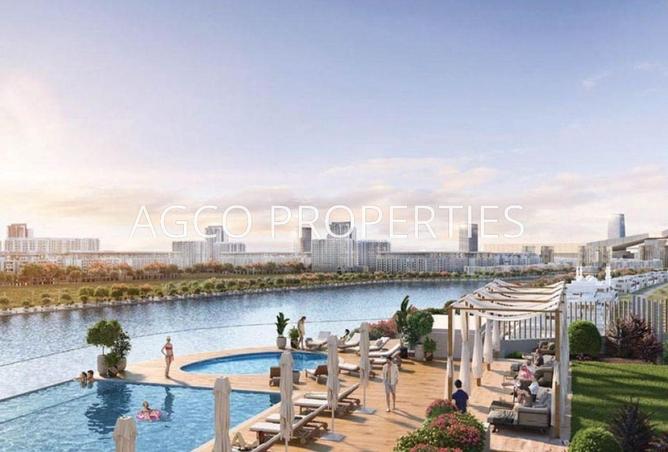
Apartment
Listed 17 hours ago
3,390,000 AED
3Bed+Maids | Lagoon View | Elegance
Crest Grande, Sobha Hartland, Mohammed Bin Rashid City, Dubai
3
4
1,618 sqft
-
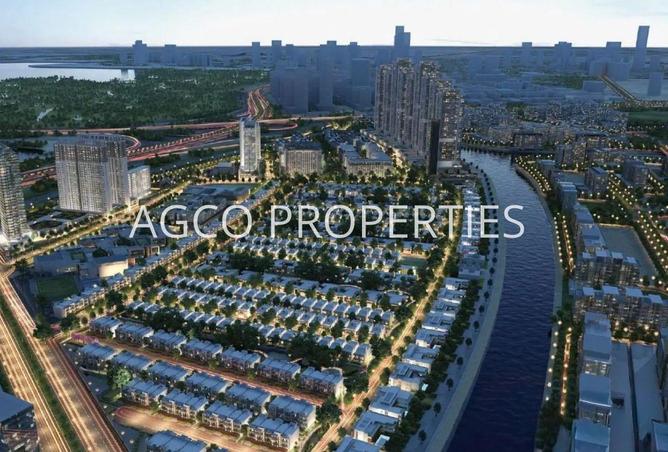
Apartment
Listed 17 hours ago
2,800,000 AED
Low floor | Maid's | Spacious | Exclusive
Crest Grande, Sobha Hartland, Mohammed Bin Rashid City, Dubai
2
3
1,478 sqft
-
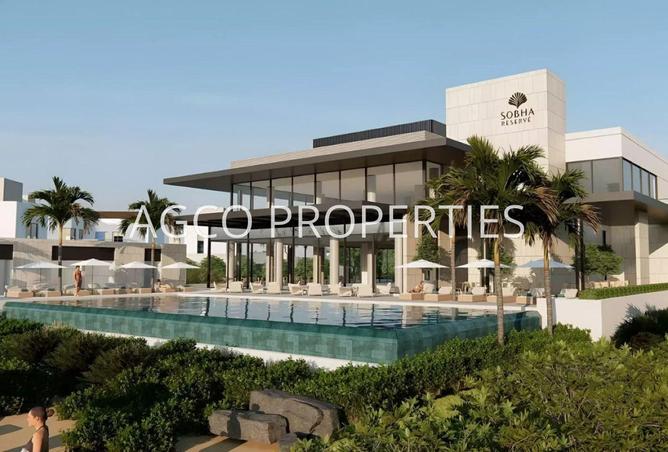
Townhouse
Listed 17 hours ago
8,800,000 AED
Luxury 4BR Villa | Single Row | Brand New
Sobha Reserve, Wadi Al Safa 2, Dubai
4
6
4,885 sqft
-
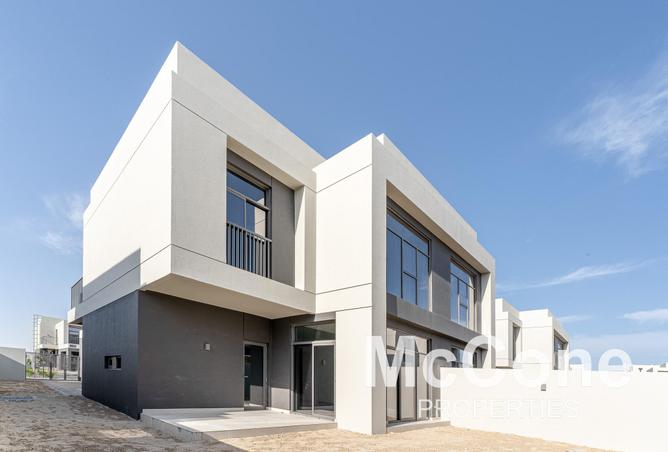
Villa
Listed 2 days ago
3,975,000 AED
Single Row | Near Lagoon | G+2 Layout
The Pulse Beachfront 2, The Pulse, Dubai South (Dubai World Central), Dubai
3
5
2,935 sqft
-
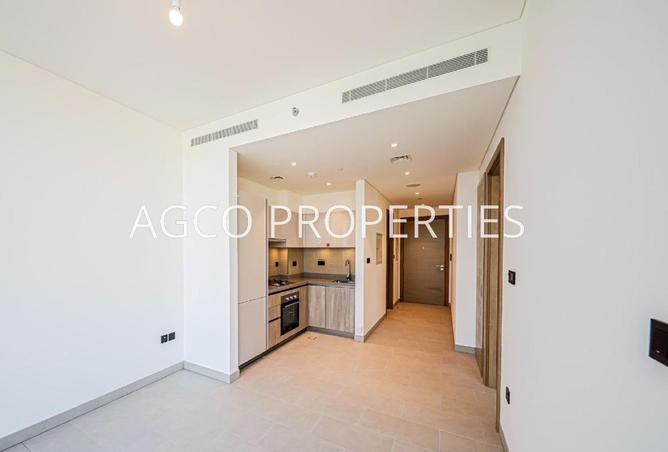
Apartment
Listed 19 hours ago
1,250,000 AED
Lagoon View | High Floor | Vacant
Sobha Hartland Waves, Sobha Hartland, Mohammed Bin Rashid City, Dubai
1
1
515 sqft







Key takeaways
Dubai’s investment appeal is best understood through fundamentals. Many investors choose to invest in Dubai real estate because ownership is transparent, holding costs are comparatively predictable, and a global resident base and a diversified economy support rental demand. Returns vary by community and building quality, so using tools to compare areas, model financing, and sense-check pricing can improve decision-making. When location selection, realistic assumptions, and long-term planning align, Dubai can suit both income-led investors and lifestyle-driven buyers.
FAQs
Not necessarily. Many buyers invest from abroad, provided they understand the transaction process, ownership rules, and how property management will be handled.
No. Yields can differ significantly by area, building quality, unit size, service charges, and tenant demand. Net yield matters more than headline figures.
Off-plan can offer attractive payment structures, but it also carries delivery and market-timing considerations. Ready property offers immediate visibility into rental performance.
Start with your strategy, then compare communities based on tenant demand, access, building quality, and long-term desirability, not on trend-driven talk.
Overestimating rent, underestimating service charges, ignoring maintenance quality, and choosing a unit based on marketing rather than community fundamentals.