



Electricity bills in Dubai can rise quickly, particularly during summer when air conditioning runs for long hours. Learn how to save on your electric bill as cooling systems, household appliances, and peak-hour usage all contribute to higher costs.
The good news is that reducing your DEWA bill does not require drastic lifestyle changes. Understanding how billing works and making a few smart adjustments can lead to noticeable savings month after month.
These costs also contribute to Dubai’s overall cost of living, making energy efficiency an important consideration for households across the city.
- Understanding your DEWA billing structure
- Optimising air conditioning usage
- Appliance use and household behaviour
- Home insulation, shading, and design
- Renewable energy and smart technology
- Cost–benefit comparison
- Key takeaways
- FAQs
Understanding your DEWA billing structure
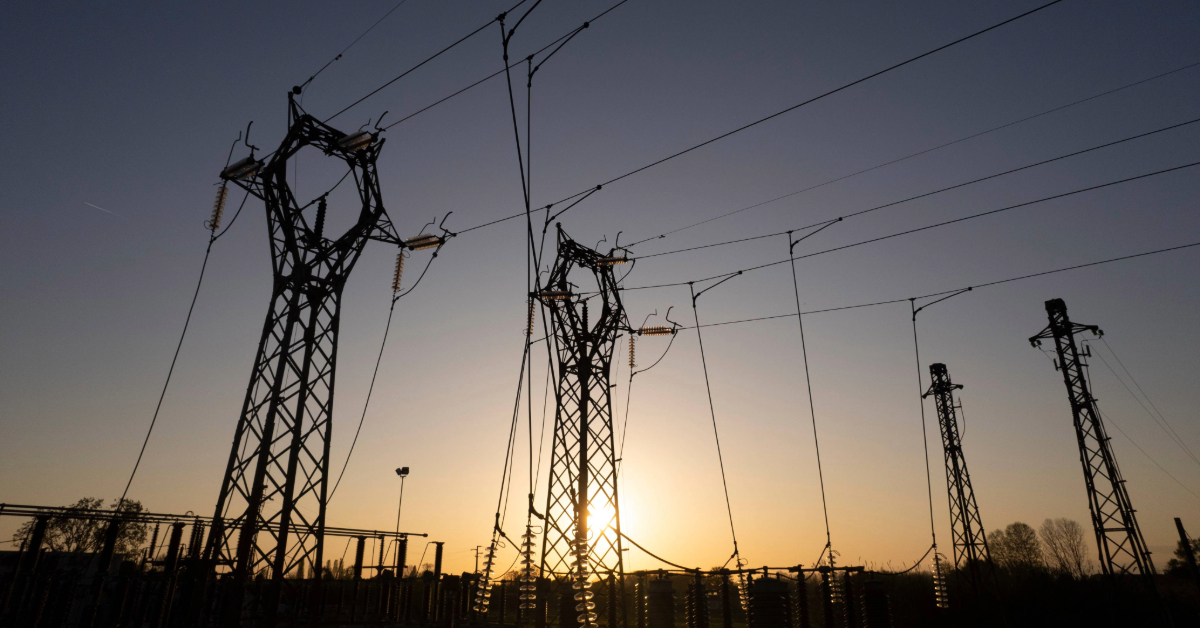
Knowing how DEWA calculates your bill helps you identify where savings matter most. Electricity charges are based on consumption levels, not a flat rate. Understanding this is the first step in how to save on the electric bill effectively.
Electricity usage is one of the most variable household utility costs in Dubai, especially during the warmer months.
How the slab tariff works
DEWA uses a tiered pricing system in which electricity becomes more expensive as usage increases. Residential tariffs are divided into slabs starting from 0–2,000 kWh and rising beyond 6,000 kWh.
Once fuel surcharge and 5% VAT are added, crossing into a higher slab can significantly increase the final bill. Staying within lower consumption brackets helps control per-kilowatt costs and is a key strategy for saving on the electric bill.
Peak-load and time-based consumption awareness
Electricity demand in Dubai is highest between 12:00 pm and 6:00 pm. During this period, air conditioning systems operate at peak capacity due to outdoor heat.
Using heavy appliances during peak hours increases overall consumption and places extra strain on cooling systems. Shifting usage to mornings or late evenings helps balance demand and reduce energy load. This awareness is essential for saving on the electric bill without compromising comfort.
Optimising air conditioning usage
Air conditioning is usually the largest contributor to electricity bills in Dubai homes. Even small changes here can produce meaningful savings.
This is particularly true during peak summer, when summer energy consumption in Dubai rises sharply due to extended cooling hours.
Set the thermostat smartly
DEWA recommends setting indoor temperatures to 24 °C. Each degree lower can increase energy consumption by around 4–5%.
When sleeping or away from home, raising the thermostat to 26–27 °C or using Auto or Eco modes reduces unnecessary cooling.
Maintain the AC unit regularly
Dust-clogged filters reduce airflow and force the system to work harder. Filters should be cleaned or replaced monthly during the summer.
Professional servicing every 3–6 months ensures coils, vents, and refrigerant levels remain efficient, especially for older units.
Upgrade to efficient models
Air conditioners older than 10 years are often inefficient. Replacing them with ESMA 4- or 5-star rated units can reduce cooling energy use by up to 25%.
Zone cooling also helps. Cooling only occupied rooms and using ceiling or pedestal fans improves air circulation without extra power draw.
Appliance use and household behaviour changes
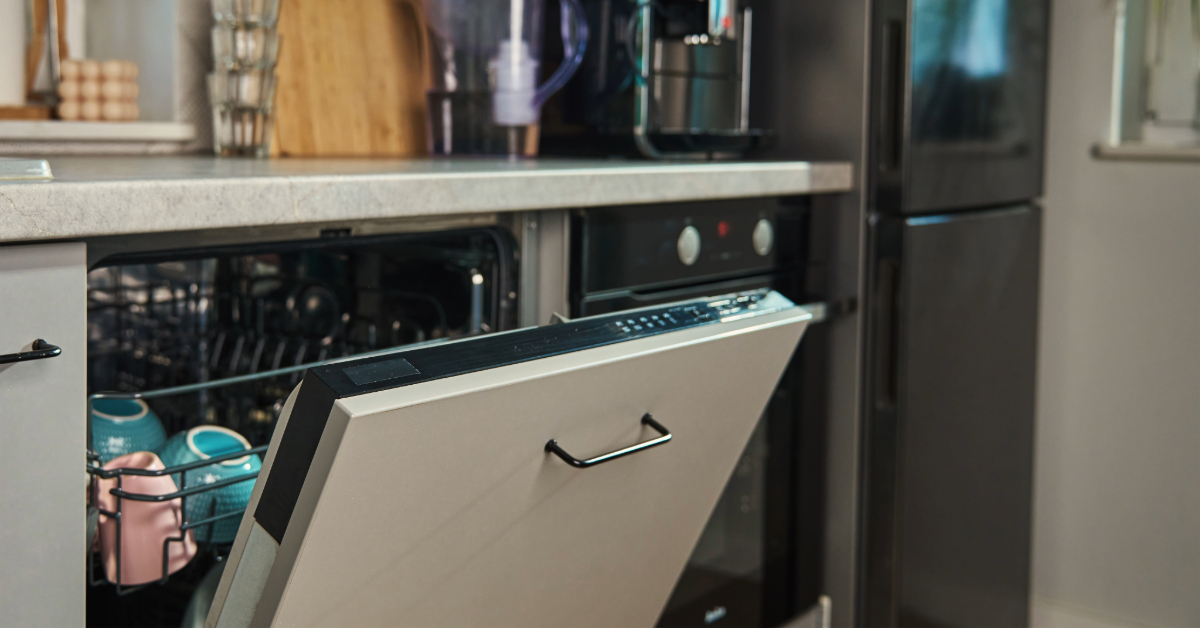
Beyond cooling, daily appliance use accounts for a significant share of electricity consumption.
Timing appliance usage outside peak hours
Washing machines, dishwashers, ovens, and water heaters consume large amounts of energy. Running them early in the morning or later at night helps avoid peak-load periods.
Smart plugs and programmable timers make scheduling easier without disrupting daily routines.
Explore the Available Villas for Sale in The Sustainable City
-
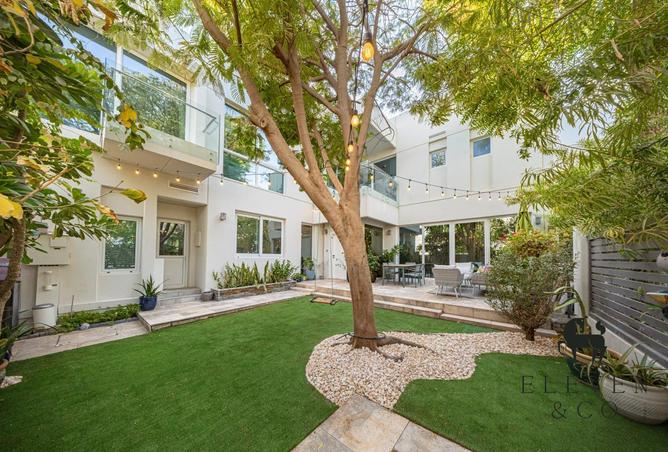

Villa
Listed 7 days ago
5,500,000 AED
Exclusive | Upgraded | 4 Bed | Corner Villa
Cluster 1, The Sustainable City, Dubai
4
5
2,333 sqft
-

Villa
Listed 7 days ago
5,500,000 AED
Four Bed | Corner Plot | Convenient Location
Cluster 2, The Sustainable City, Dubai
4
5
2,328 sqft
-

Villa
Listed 4 days ago
4,750,000 AED
Community Expert | Tenanted 3BR | Close to Parking
Cluster 4, The Sustainable City, Dubai
3
4
2,089 sqft
-
Villa
Listed 2 months ago
6,200,000 AED
Vacant Type 5 I With Maidroom and 2 Storage room
Cluster 1, The Sustainable City, Dubai
3
4
2,109 sqft
-

Villa
Listed 4 weeks ago
5,350,000 AED
Vacant On Transfer | Park View | Community Expert
Cluster 2, The Sustainable City, Dubai
4
5
2,341 sqft
-

Villa
Listed 4 weeks ago
5,400,000 AED
Exclusive | Converted to 5BR | Vacant on Transfer
Cluster 1, The Sustainable City, Dubai
5
6
2,318 sqft
-
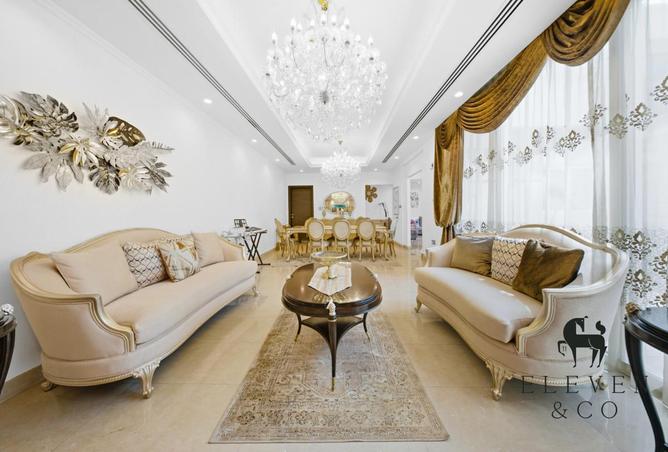
Villa
Listed 1 month ago
5,250,000 AED
Great Position | 3 Bed | Vacant on Transfer
Cluster 1, The Sustainable City, Dubai
3
4
2,108 sqft
-

Villa
Listed 1 month ago
4,999,000 AED
Exclusive | Extended | Upgraded
Cluster 2, The Sustainable City, Dubai
3
4
2,079 sqft
-
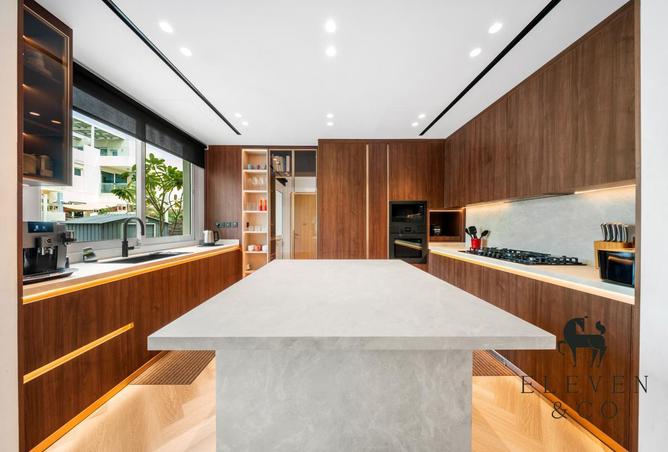
Villa
Listed 1 month ago
6,400,000 AED
Exclusive | Fully Renovated | Corner Villa
Cluster 3, The Sustainable City, Dubai
4
4
2,101 sqft
-

Villa
Listed 1 month ago
7,750,000 AED
Extended & Upgraded Garden Villa | Exclusive
Cluster 3, The Sustainable City, Dubai
4
5
4,656 sqft




Reducing phantom and standby power
Many electronics continue drawing power when switched off. This standby usage accounts for approximately 5% of monthly electricity consumption.
Unplugging unused devices or using smart power strips helps eliminate unnecessary draw.
Energy-efficient lighting and electronics
Switching to LED lighting reduces lighting energy use by up to 85% compared to traditional bulbs.
Energy-efficient appliances certified by ESMA also help. Refrigerators should be set to 3–5 °C, and freezers to −10 °C, for optimal efficiency.
These upgrades are increasingly common in energy-efficient homes in Dubai, where lower running costs and sustainability are key priorities
Home insulation, shading, and building design
Limiting heat entering your home reduces the workload on cooling systems.
Seal air leaks and insulate properly
Gaps around doors and windows allow cool air to escape. Weather stripping and caulking help seal these areas effectively.
Light-coloured roofing and proper insulation reduce heat absorption, keeping indoor temperatures stable for longer.
Window treatments and shading devices
Blackout curtains, blinds, reflective films, and awnings block direct sunlight during peak hours. Shading windows from noon to early afternoon significantly reduces solar heat gain and cooling demand.
Leveraging renewable energy and smart-tech solutions
Some solutions require upfront investment but offer long-term savings.
Solar panels and clean energy incentives
Shams Dubai initiative allows homeowners to install rooftop solar panels connected to the grid. While initial costs are higher, long-term electricity savings can be substantial.
As a result, interest in solar-powered homes in Dubai continues to grow among homeowners looking to reduce long-term energy expenses.
Solar water heaters are another effective option, reducing reliance on electric heating.
Smart thermostats and automation tools
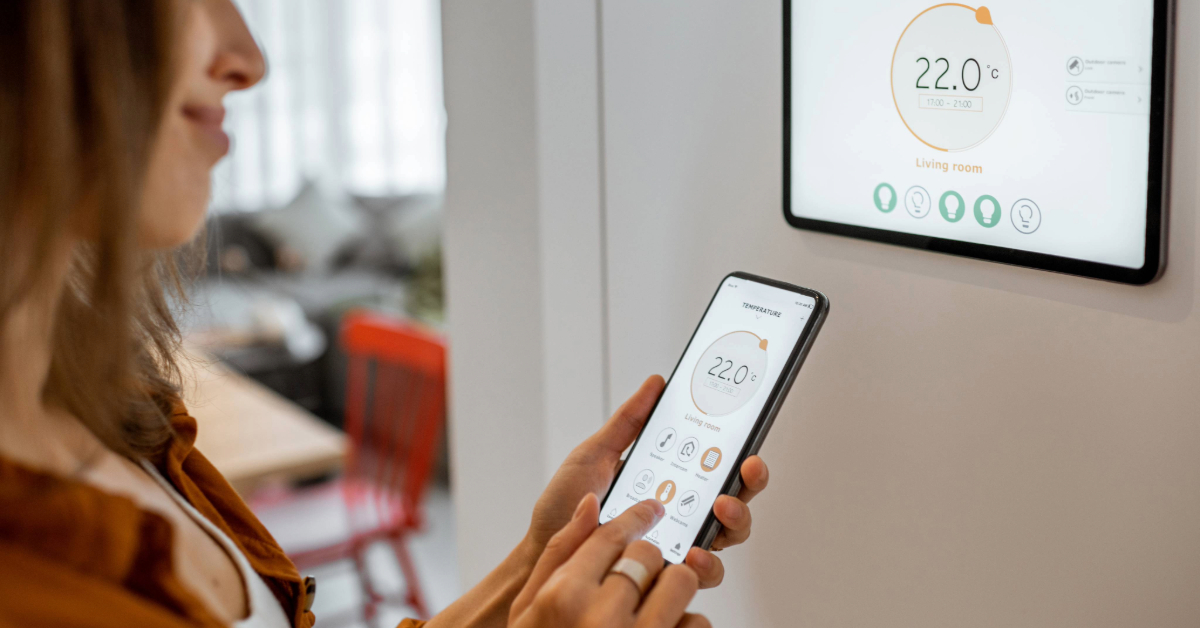
Smart thermostats adjust temperatures based on occupancy and daily patterns, improving efficiency without constant manual control.
DEWA’s consumption tracking tools and apps also help monitor usage and identify unusual spikes early.
Cost–benefit comparison
| Measure | Estimated cost | Typical monthly savings | Payback period |
| Switching all lights to LED | Low | 5–10% | 1–3 months |
| Replacing old AC with an ESMA 5-star unit | High | 15–25% | 1–2 years |
| Installing solar panels (Shams Dubai) | High | 20–40% long-term | 3–5 years |
| Smart thermostat or automation | Medium | 8–15% | 6–12 months |
Savings vary depending on home size, usage patterns, and system suitability.
Key takeaways
Reducing your DEWA electricity bill starts with understanding slab tariffs and avoiding unnecessary jumps into higher consumption brackets. Peak hours between midday and early evening place the most strain on cooling systems, making appliance timing important. Setting the air conditioning to 24 °C, properly maintaining units, and upgrading inefficient models deliver the greatest savings. Energy-efficient lighting, insulation, shading, and smart technology further reduce consumption, while solar solutions offer strong long-term benefits for suitable homes.
FAQs
Each degree below 24 °C can increase cooling energy consumption by around 4–5%, making higher settings more cost-effective.
Residential tariffs range from AED 0.230 per kWh in the lowest slab to AED 0.380 per kWh above 6,000 kWh, plus fuel surcharge and VAT.
Units older than 10 years, with frequent repairs or poor energy ratings, are often inefficient. New ESMA-rated models can reduce cooling costs by up to 25%.
Yes. The Shams Dubai programme supports grid-connected rooftop solar systems and the adoption of clean energy.
Use DEWA’s consumption assessment tools to identify problem areas. Hidden issues such as air leaks, faulty wiring or miscalibrated AC systems may require professional inspection.