



Traffic in Dubai has always been part of daily life, but in 2026, the conversation is shifting. It’s no longer just about congestion; it’s about how the city is actively reshaping the way people move.
With more residents, more cars on the road, and a steady rise in tourism, pressure on key routes has grown significantly over the past few years. In response, Dubai has rolled out a wide-reaching infrastructure plan designed to ease bottlenecks, shorten commute times, and improve connectivity across the city.
From major corridor expansions to small but impactful upgrades at intersections and school zones, the changes are already making a noticeable difference.
- Major Road Upgrades & New Infrastructure for 2026
- Key Corridors & Arterial Roads Under Transformation
- Strategic Urban & Quick-Fix Enhancements
- New Routes, Bridges & Tunnel Projects
- Technology & Policy Measures Supporting Reduced Congestion
- Upcoming Transport Alternatives & Modal Shifts
- Areas Experiencing Less Congestion in 2026
- Key Figures & Capacity Improvements
- Challenges & What to Watch
- Key Takeaways
- FAQs
Major Road Upgrades & New Infrastructure for 2026
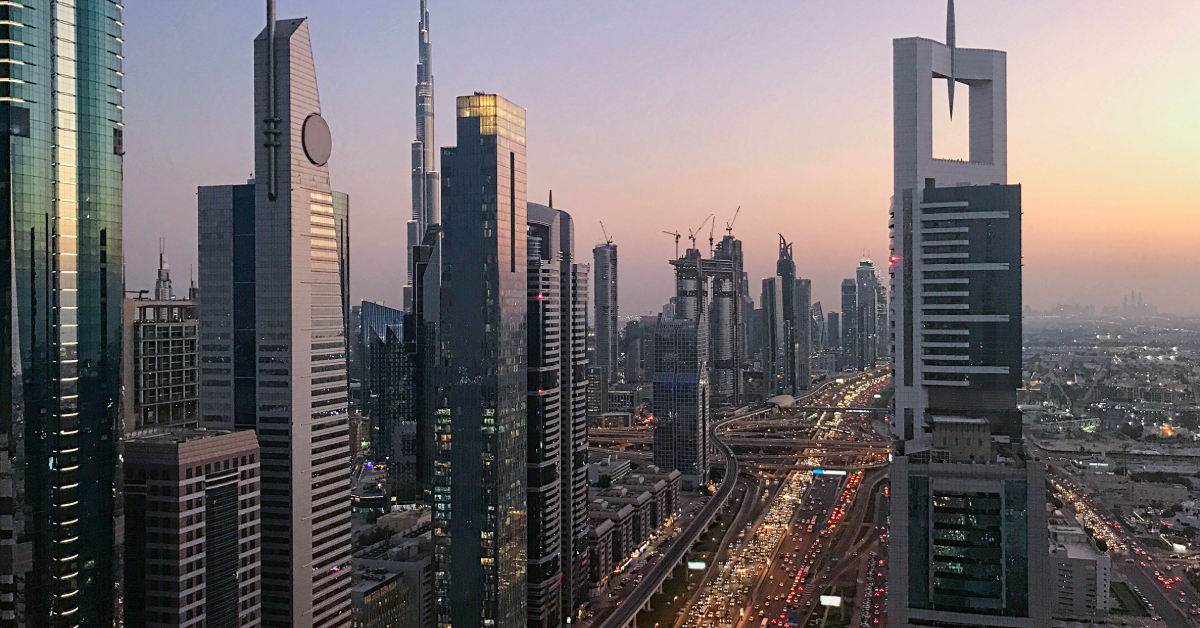
Dubai’s approach to traffic in 2026 is more balanced than before. Instead of relying only on large-scale road projects, the city is combining major upgrades with smaller, targeted fixes that improve flow where it matters most.
The overall goal is straightforward: reduce travel time, increase road capacity, and make it easier to move between key residential and commercial areas. What’s different this time is how quickly some of these improvements are being felt, especially in neighbourhood-level traffic.
Learn more about Key Dubai Roads and How to Learn and Understand Them.
Key Corridors & Arterial Roads Under Transformation
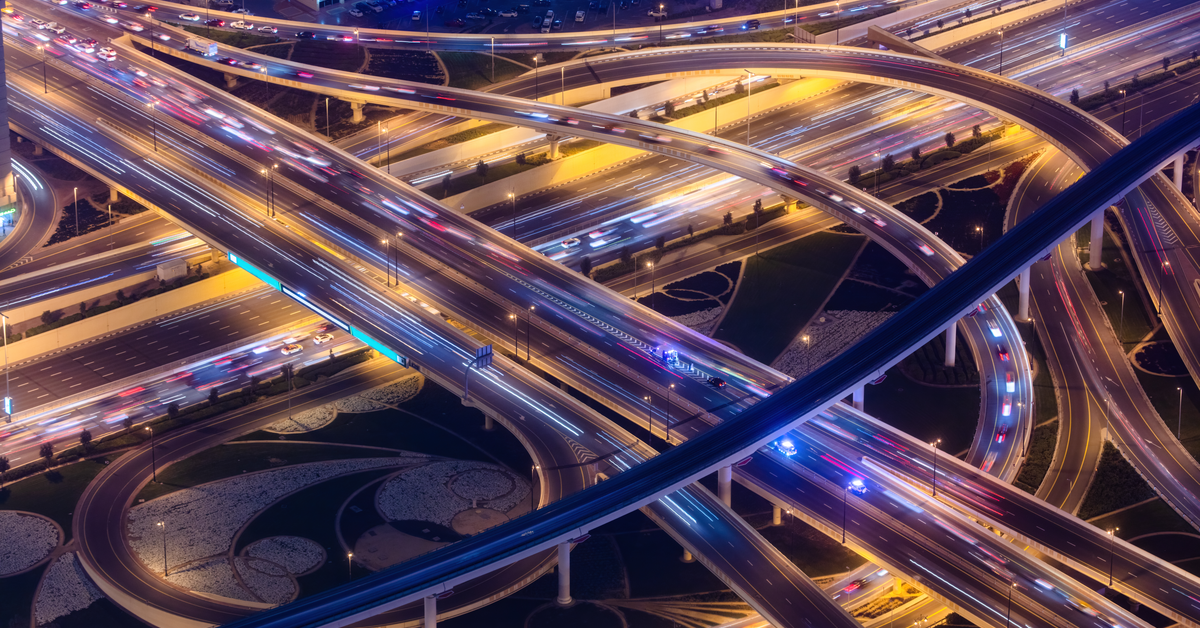
Some of Dubai’s busiest roads are undergoing significant changes, and these are expected to have the biggest impact on daily commutes.
Hessa Street
Hessa Street has long been one of the most congested east–west routes in Dubai, particularly during peak hours. Its upgrade is one of the most anticipated in the city.
The road is being widened to four lanes in each direction, along with a new bridge connection to Al Khail Road. Once completed, the improvement is expected to dramatically reduce congestion, with travel times on certain stretches dropping from around 15 minutes to just a few minutes.
Al Fay Road Corridor
The Al Fay Road corridor is being expanded to serve as a major alternative route for drivers, especially those living in newer residential communities.
With nearly 13 km of new road and an extensive network of bridges, the project is designed to handle a much higher volume of traffic and reduce pressure on nearby highways.
Umm Suqeim–Al Qudra Corridor
This is one of the most transformative upgrades currently underway. Spanning 16 km, the corridor combines bridges and tunnels to allow uninterrupted traffic flow.
For many commuters, the biggest change will be time. Journeys that once took up to 45 minutes are expected to drop to just over 10 minutes, making a noticeable difference to daily routines.
Dubai Harbour Access Improvements
Access to Dubai Harbour has been significantly improved with new bridges connecting directly to Sheikh Zayed Road.
What used to be a slow, congested route, especially during events or peak hours, is becoming much smoother, with travel times cut by more than half. This is also easing pressure on nearby areas like Dubai Marina.
Explore the Available Properties for Sale in Dubai Harbour
-


Apartment
Listed 2 months ago
3,200,000 AED
Private Beach | Marina View | Selling Below OP
Seapoint Tower 1, Seapoint, Emaar Beachfront, Dubai Harbour, Dubai
1
1
736 sqft
-

Apartment
Listed 2 weeks ago
8,525,330 AED
Beachfront residence offering resort-style living
The Residences at the Dubai Beach Edition Tower D, The Residences at the Dubai Beach Edition, Dubai Harbour, Dubai
2
2
1,954 sqft
-
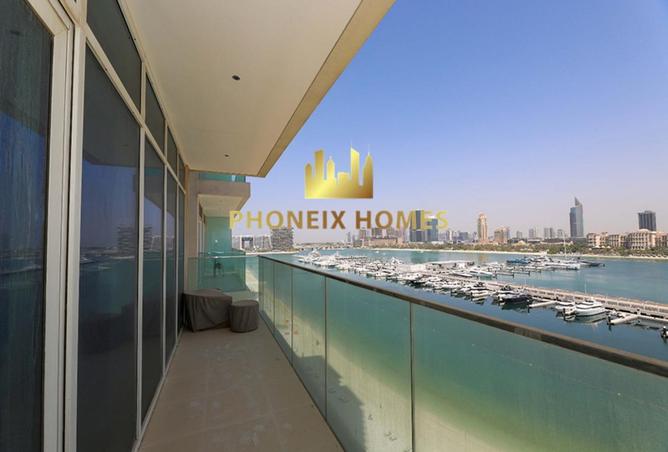
Apartment
Listed 4 days ago
6,300,000 AED
Sea view | Private Beach | Fully furnished
Sunrise Bay Tower 1, Sunrise Bay, Emaar Beachfront, Dubai Harbour, Dubai
3
3
1,911 sqft
-
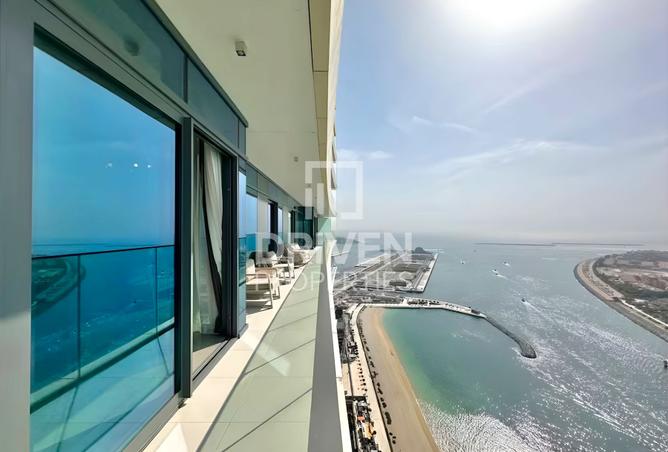
Apartment
Listed 4 days ago
14,500,000 AED
Full Palm View | Furnished | High Floor | Vacant
Beach Vista Tower 1, Beach Vista, Emaar Beachfront, Dubai Harbour, Dubai
4
5
2,343 sqft
-
Apartment
Listed 3 days ago
4,601,542 AED
1BR + Study | Sobha SeaHaven Tower C | Marina View
Sobha Seahaven Tower C, Sobha Seahaven, Dubai Harbour, Dubai
1
2
1,244 sqft
-

Apartment
Listed 4 days ago
2,900,000 AED
Below OP Deal | Palm View | Mid Floor
Beachgate by Address, Emaar Beachfront, Dubai Harbour, Dubai
1
1
795 sqft
-
Apartment
Listed 2 weeks ago
19,450,000 AED
Designer Penthouse | Palm Views | Skyline Views
Palace Beach Residence Tower 2, Palace Beach Residence, Emaar Beachfront, Dubai Harbour, Dubai
4
6
3,932 sqft
-
Apartment
Listed 2 weeks ago
5,250,000 AED
HIGHEST FLOOR | FULL MARINA SEA VIEW | BELOW OP
Beachgate by Address, Emaar Beachfront, Dubai Harbour, Dubai
2
2
1,233 sqft
-

Apartment
Listed 6 days ago
4,400,000 AED
Vacant | Fully Upgraded | Furnished |Private Beach
Beach Isle Tower 2, Beach Isle, Emaar Beachfront, Dubai Harbour, Dubai
2
2
1,213 sqft
-

Apartment
Listed 1 week ago
8,400,000 AED
Cheapest Upgraded and Renovated | Full Palm Facing
Beach Vista Tower 2, Beach Vista, Emaar Beachfront, Dubai Harbour, Dubai
3
3
1,926 sqft







Strategic Urban & Quick-Fix Enhancements
Not every improvement comes from a major construction project. Some of the most effective changes are smaller, faster interventions.
Across several key locations, roundabouts have been replaced with signalised intersections, additional lanes have been introduced, and access points have been redesigned. These changes may seem minor individually, but together they are helping reduce journey times by up to 30% in some areas.
School zones have also seen targeted upgrades. With better entry and exit layouts, dedicated parking, and improved traffic flow, peak-time congestion around schools has become far more manageable for parents and residents alike.
New Routes, Bridges & Tunnel Projects
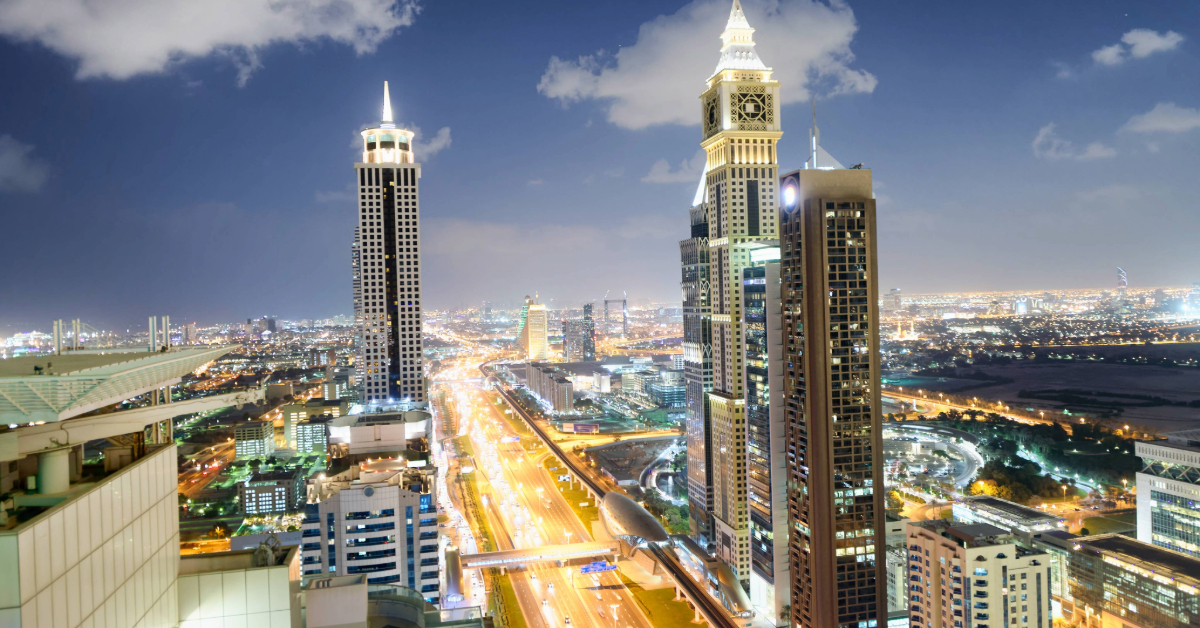
Alongside upgrades to existing roads, entirely new connections are helping redistribute traffic across the city.
Al Safa – City Walk Tunnel
This upcoming tunnel provides a more direct route through a busy part of the city, reducing reliance on traffic signals and improving overall flow in the area.
Al Jamayel Street (Garn Al Sabkha)
Running parallel to Sheikh Mohammed Bin Zayed Road, this new route provides a smoother, signal-free connection among communities such as Jumeirah Lake Towers (JLT), Al Furjan, and The Gardens.
It’s particularly useful for drivers looking to avoid some of the city’s most congested highways.
Nad Al Sheba Bridge
Though smaller in scale, this bridge delivers a significant improvement. A journey that previously took several minutes can now be completed in about a minute, making local travel much more efficient.
Technology & Policy Measures Supporting Reduced Congestion
Physical upgrades are only part of the picture. Dubai is also using technology to manage traffic more intelligently.
Smart Signals & AI Traffic Management
New AI-powered traffic systems adjust signal timings in real time based on actual road conditions. This helps reduce unnecessary waiting at intersections and keeps traffic moving more consistently.
Dynamic Tolling via Salik
Changes to Salik toll gates and pricing are also influencing how people move around the city. By encouraging drivers to choose alternative routes or travel at different times, these measures help distribute traffic more evenly.
Upcoming Transport Alternatives & Modal Shifts
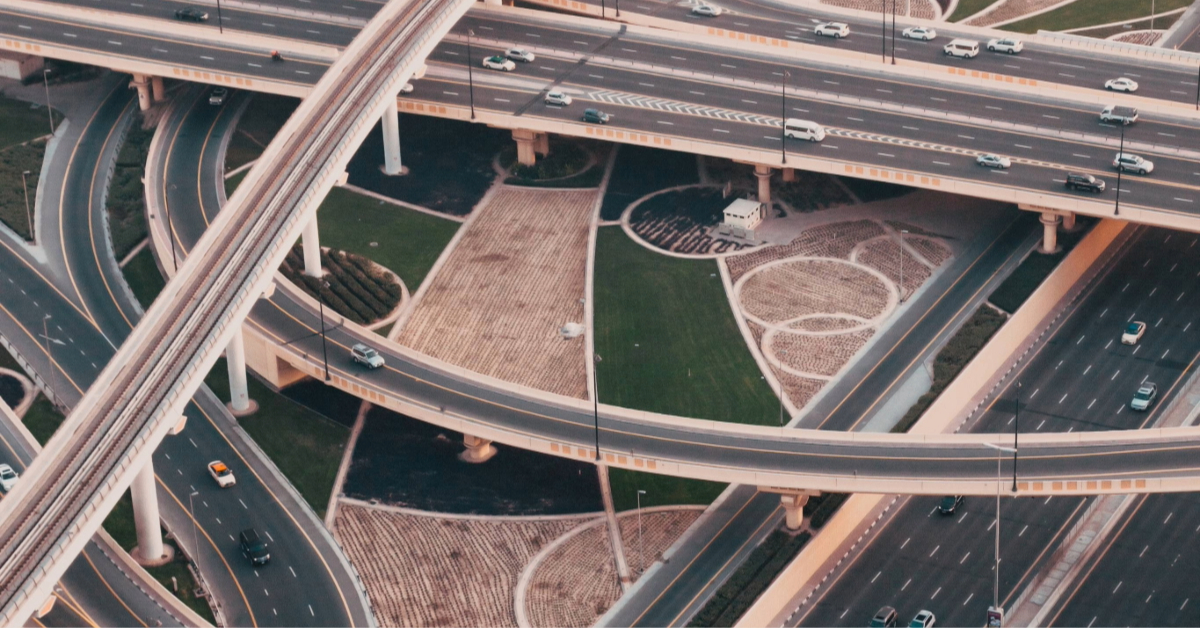
Looking ahead, Dubai is investing heavily in alternatives to private car use.
Projects like the Dubai Loop, an underground transport system, aim to connect key areas quickly without adding pressure to surface roads. Meanwhile, Etihad Rail and other public transport expansions are expected to play a bigger role in daily commuting.
Dedicated lanes for buses and taxis are also being introduced, helping public transport move more efficiently without being affected by general traffic in Dubai.
Areas Experiencing Less Congestion in 2026
While many projects are still ongoing, several areas are already seeing clear improvements. In many cases, the difference is most noticeable during peak hours, where previously congested exits, intersections, and internal roads are now moving more smoothly.
These improvements are largely driven by a mix of road widening, better traffic distribution, and smarter intersection design, rather than just large-scale infrastructure alone. For residents, this translates into shorter wait times, easier access to main roads, and less stop-start driving during daily commutes.
- Al Warqa’a: Upgrades to road access and school-zone management have reduced congestion during peak hours, especially within residential streets.
- Al Barsha South, Nad Al Hamar & Al Ras: Wider roads and improved intersections have made a noticeable difference, with smoother traffic flow and shorter waiting times.
- Dubai Marina & Al Seba Street: New exit routes and better connectivity have eased one of the area’s biggest challenges, getting out during peak hours. In some cases, exit times have been reduced significantly.
- Sheikh Zayed Road (towards Al Meydan Street): Improvements in lane distribution and traffic flow have helped reduce bottlenecks, particularly during busy periods.
Key Figures & Capacity Improvements
The impact of these upgrades becomes clearer when looking at the numbers. Major corridors are seeing capacity increases of thousands of vehicles per hour, while travel times in some areas are being cut by more than half.
Projects like the Umm Suqeim–Al Qudra corridor and Hessa Street are leading the way, showing how a combination of infrastructure and smart planning can deliver real, measurable results.
Challenges & What to Watch
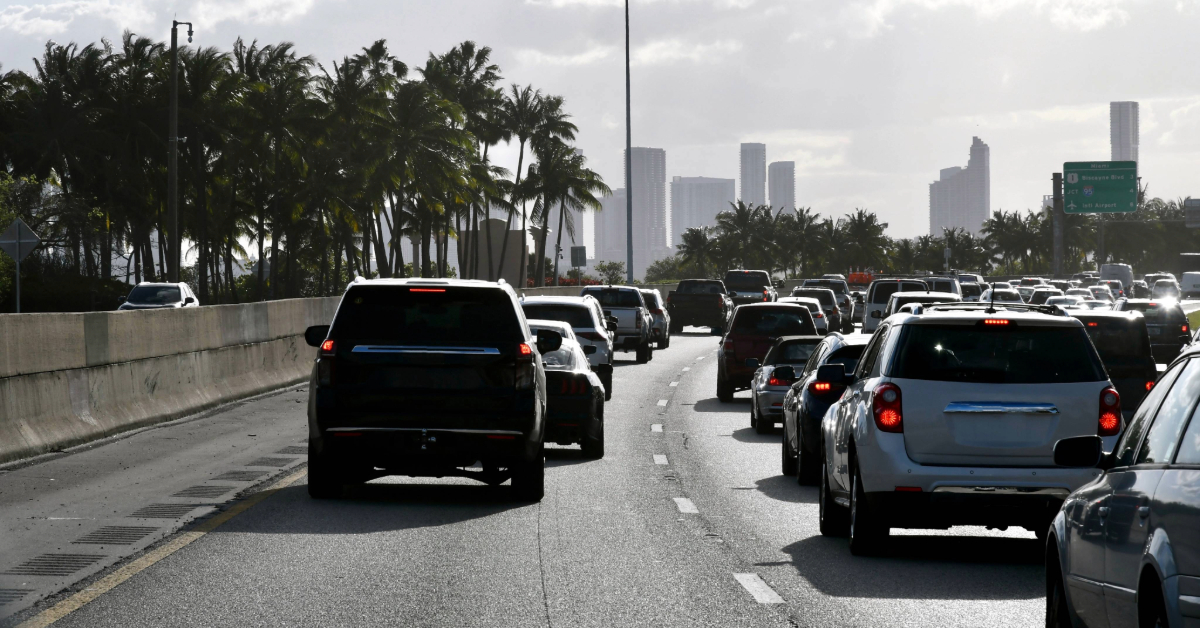
Despite all the progress, traffic challenges in Dubai haven’t disappeared entirely. While Dubai’s upgrades are already improving flow in many areas, there are still a few factors to keep in mind as the city continues to evolve.
- Ongoing construction work: Some areas are still experiencing temporary delays due to roadworks, detours, and phased project rollouts.
- Projects still in progress: Several major upgrades will only reach their full impact later in 2026 or beyond.
- Rising vehicle numbers: The continued growth in car ownership means demand on roads continues to increase.
- Shift to public transport: Long-term improvement depends not just on infrastructure, but on how widely residents adopt public and alternative transport options.
Overall, while short-term disruptions are still part of the picture, the long-term outlook remains positive as these projects move towards completion.
Key Takeaways
Dubai’s traffic improvements in 2026 reflect a more thoughtful, long-term approach to mobility. Instead of focusing only on expanding roads, the city is combining infrastructure upgrades with smarter systems and alternative transport options. The result is already visible in several areas, where congestion has eased and travel times have improved. While the transformation is still ongoing, the direction is clear: more efficient roads, better connectivity, and a city that is gradually becoming easier to navigate.
FAQs
Areas such as Al Warqa’a, Al Barsha South, Nad Al Hamar, and Dubai Marina are already seeing reduced congestion due to recent upgrades.
Depending on the project, travel times are dropping by 15% to over 50%, with some major corridors seeing the biggest improvements.
No, but it is becoming more manageable. Improvements are reducing delays, even though peak-hour traffic still exists.
Public transport is a key part of the plan, helping reduce reliance on private cars and improving overall mobility.
Yes, temporary congestion can occur in areas where work is still ongoing, but these are expected to ease once projects are completed.