


The cattle market in Abu Dhabi is an important part of the emirate’s preparations for Eid Al Adha. It brings together livestock sales, veterinary checks, slaughterhouse services, and approved booking options in one system. For residents who want to handle the holiday properly, understanding how the market works makes the experience easier and safer. Abu Dhabi City Municipality and the Department of Municipalities and Transport also stress the use of licensed facilities and smart applications during Eid, which helps keep the process organised.
This guide explains where the main livestock markets are, which animals are usually available, what services visitors can use, and how to approach Eid Al Adha with more confidence. It also highlights the rules that matter most, especially those related to approved slaughterhouses, traceability, and safe booking channels.
- Location & Key Markets
- Types of Livestock Available
- Market Services & Facilities
- Operating Hours & Peak Season Protocols
- Visitor Guide: What to Bring & Expect
- Eid Al Adha Special Tips & Precautions
- Key Takeaways
- FAQs
Location & Key Markets
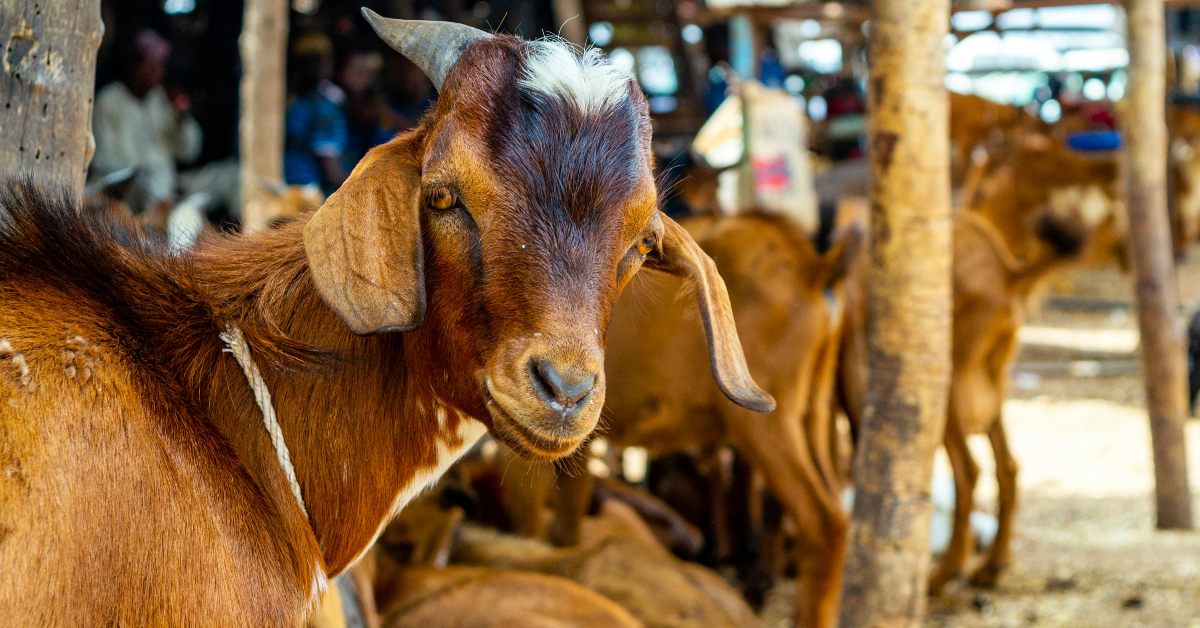
Understanding where the main livestock markets are located helps visitors plan their trip more efficiently, especially during peak Eid days when traffic and demand increase significantly.
Primary Market Locations
The most commonly listed cattle market in the emirate is the Cattle Market in Al Noud, which is shown near Zayed Bin Sultan Road and Bawadi Mall. Public directory listings show it as open daily from 07:00 to 19:00. Some map services place it in the Al Ain area within the Abu Dhabi emirate, so it is best to check the exact route before leaving.
Another important point of reference is the livestock market at Bani Yas. Abu Dhabi Farmers’ Services Centre opened this market next to the central slaughterhouse to support livestock sales during peak periods such as Ramadan and Eid. That makes Bani Yas especially relevant for sacrificial purchases and related services.
Oversight & Regulatory Bodies
Abu Dhabi City Municipality manages slaughterhouse readiness in areas such as Al Wathba, Al Shahama, Bani Yas, and Mina Zayed. Official updates say these facilities are prepared to receive the public during Eid and throughout the year, with extended operating hours and service teams in place. In 2025, the municipality stated that Eid hours would run from 6:00 AM to 6:00 PM at key facilities.
The emirate also uses approved smart platforms for sacrificial orders. Official municipal guidance names Thabhaty, Dhabayeh Al Jazeera, Dhabayeh Al Emarat, Dhabayeh UAE, and Halal Mazari’na as recognised channels for choosing and ordering sacrifices. These platforms can help users select the type of animal, the cut, and the delivery option.
For livestock traceability, Abu Dhabi uses the Animal Identification and Registration System (AIRS). The official AIRS policy explains that the system is designed to improve food safety, traceability, animal health, and registration control across the emirate.
Types of Livestock Available
Before visiting, it is useful to know what types of animals are typically offered in Abu Dhabi markets and how they differ in terms of price, origin, and suitability.
Common Livestock Types
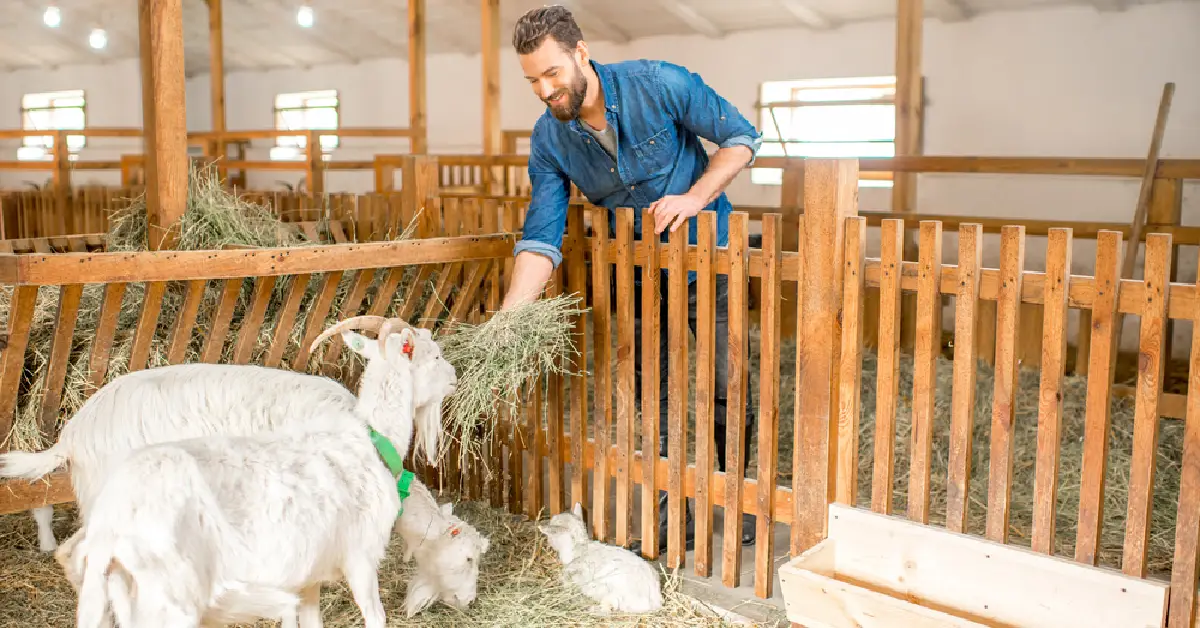
In the Abu Dhabi market system, the most common animals for Eid are sheep and goats. Official municipal guidance notes that the available sheep types may include local, Kashmiri, Somali, Jordanian, Australian, and other imported varieties. That variety gives buyers more flexibility, especially when they are looking for a specific breed, size, or budget level.
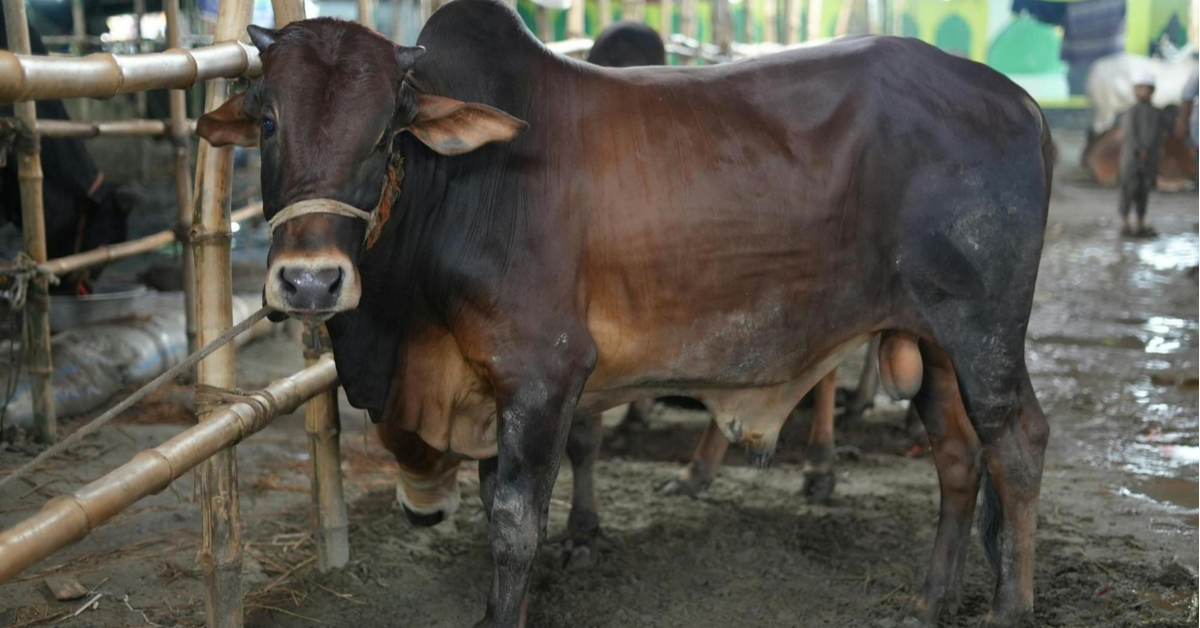
Cattle are also part of the market mix. They are often used for larger family orders or group sacrifices. Because cattle come in different weights and origins, prices can vary more than they do for smaller animals. That is one reason buyers are encouraged to compare options carefully rather than choose only by headline price.
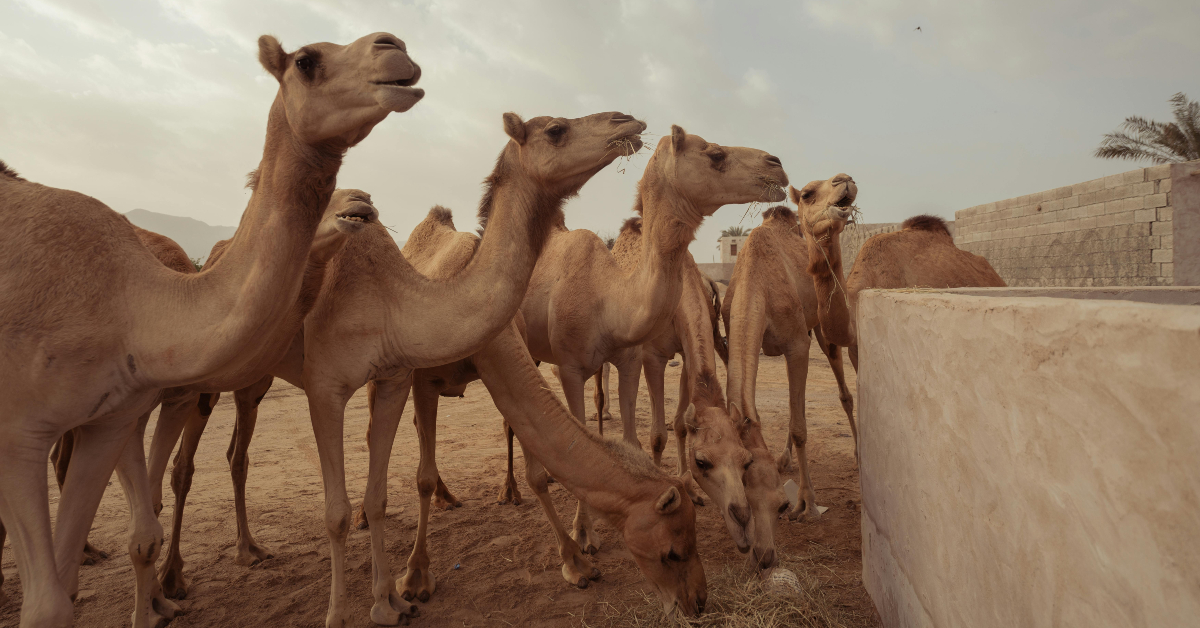
Camels may also be available, especially for traditional sacrifices or larger ceremonial orders. Some market reports and municipal updates refer to camels alongside sheep, goats, and cattle as part of the Eid offering.
Veterinary & Quality Checks
Veterinary inspection is built into the process. Abu Dhabi City Municipality says specialised veterinary teams check animals before slaughter and inspect the meat after slaughter to ensure it is suitable for consumption. That is an important safeguard during a period of high demand.
AIRS also supports this system by requiring identification and registration, which strengthens traceability and compliance. In practical terms, that means the livestock market Abu Dhabi uses a controlled framework rather than an informal, unmonitored process.
Market Services & Facilities
Beyond livestock sales, the market includes a range of services designed to support buyers through the full process, from selection to slaughter and delivery.
Buying & Customer Support Services
The market is organised around pens and barns, usually separated by animal type and size. This layout helps visitors move through the market more easily and compare livestock in a more structured way. Reports on the Bani Yas market also note that shepherds, brokers, and sellers are present on site, so prices can vary by breed, origin, and weight.
Customer support is strengthened during Eid. Abu Dhabi Municipality said in 2024 and 2025 that it increased the number of butchers, workers, and inspection staff to keep services moving smoothly and to reduce delays for the public.
Slaughtering, Butchering, & Cutting
Only licensed slaughterhouses should be used for Eid Al Adha sacrifice. Abu Dhabi Municipality names Al Wathba, Al Shahama, Bani Yas, and Mina Zayed among the approved facilities, and it has repeatedly warned against unauthorised slaughtering elsewhere.
The service includes humane slaughter, halal compliance, skinning, cutting, and cleaning. In 2024, the municipality said slaughterhouse services would start at 6:00 AM and run until 5:30 PM. In 2025, the official update said operating hours during Eid would be 6:00 AM to 6:00 PM. This shows that schedules can be expanded during peak demand, so checking the latest announcement is wise.
Delivery & App-Based Booking
Smartphone apps are now part of the normal Eid process in Abu Dhabi. The municipality says users can order through approved apps, choose the animal type, specify weight and cutting method, and arrange delivery. That makes the system much easier for families who prefer to avoid long queues.
The use of approved digital platforms also reduces risk. It gives buyers a traceable record and keeps the transaction within the official system, which is especially important during busy Eid days.
Operating Hours & Peak Season Protocols
Timings can vary depending on the season, so it is important to understand both regular hours and how operations expand during Eid Al Adha.
Standard Hours vs Eid Season
For the cattle market Abu Dhabi visitors often refer to, some listings show a daily schedule of 07:00 to 19:00. That is the regular market rhythm. During Eid season, the slaughterhouse operates differently, with longer hours, additional staff, and higher processing capacity.
Abu Dhabi Municipality said its slaughterhouses were prepared to handle around 37,000 sacrifices during Eid in a single official update, with capacity distributed across Bani Yas, Al Shahama, the Abu Dhabi Automated Slaughterhouse, and Al Wathba. That gives a good sense of the scale involved.
Explore the Available Properties for Rent in Al Wathba
Capacity Expansion During Eid Al Adha
The municipality also adds butchers, maintenance teams, and inspectors during the holiday. In 2024, it described air-conditioned tents, shaded walkways, chilled drinking water, and priority support for senior citizens and people of determination. Those details matter because they make the Eid process more manageable in the heat.
Visitor Guide: What to Bring & Expect
Preparing in advance can make your visit smoother, especially if it is your first time navigating a livestock market during a busy period.
Documentation & Identification
Bring your Emirates ID or passport. If you are using a smart app or an approved service provider, keep your booking confirmation or receipt ready. That helps when staff need to verify the order or direct you to the correct service point.
Choosing the Right Animal
Inspect the animal carefully before making a decision. Look at the eyes, coat, teeth, and movement. Ask about breed, origin, and weight, because imported and local animals may be priced differently. The official municipal guidance also confirms that app-based services let users choose from different sacrifice types, which can help narrow the search before visiting.
Safety, Hygiene & Your Comfort
Wear sturdy shoes and simple clothing that can handle a working market environment. Bring water and arrive early, because the heat rises quickly in late May, and the busiest hours are usually later in the day. It is also sensible to expect strong smells and noise, since this is a functioning livestock market rather than a leisure venue.
Eid Al Adha Special Tips & Precautions
Eid comes with specific rules and risks, so following official guidance helps ensure a safe and compliant experience.
Laws & Approved Slaughterhouses
Unauthorised slaughter is not allowed in Abu Dhabi. The municipality has warned that slaughtering outside licensed facilities violates local law, and it has linked enforcement to Law No. 2 of 2012. That is why only official slaughterhouses should be used for Eid sacrifice.
Avoiding Scams
Be cautious with social media ads that look too cheap to be real. Abu Dhabi police and local media have warned residents about fake livestock listings and charity scams during Eid season. The safest approach is to use verified apps, recognised slaughterhouses, and official service points only.
Managing Costs
Costs can rise during peak demand, especially for larger animals and imported breeds. Official and semi-official reports show that fees and service charges may vary by animal size and service type. It is better to budget a little extra rather than assume the first quoted price will stay fixed.
Ritual Procedure & Charity
Some families choose to handle the sacrifice themselves at an approved facility, while others prefer a full-service option through an app or an official channel. In both cases, the meat is commonly distributed among family, friends, and people in need, keeping the religious and charitable meanings at the centre of the day.
Key Takeaways
The cattle market in Abu Dhabi is best understood as part of a wider official system that includes livestock markets, approved slaughterhouses, veterinary checks, and digital booking services. It is not just a place to buy animals. It is a regulated holiday service network.
For Eid Al Adha, the most important habits are simple: use licensed facilities, book early, bring identification, and expect heavier traffic and longer queues. The market offers sheep, goats, cattle, and camels, but the safest experience comes from using the approved channels that Abu Dhabi has put in place.
If you are preparing for Eid, remember this main rule: plan ahead, stay within the official system, and check the latest hours before you go. That is the easiest way to make your visit to the cattle market in Abu Dhabi smoother and more reliable.
FAQs
Early morning is usually the most comfortable time. It is cooler, less crowded, and easier to park and inspect.
No. Abu Dhabi requires sacrifice to be carried out only at licensed slaughterhouses or through approved official services.
Sheep, goats, cattle, and camels are all part of the official Eid supply in Abu Dhabi.
Yes. Abu Dhabi Municipality supports approved smart applications for selecting, ordering, and delivering sacrifices.
Not always. Prices can change based on breed, size, origin, and peak demand, so it is best to budget with some flexibility.