



Burj Khalifa is not only the tallest building in the world but also one of the most ambitious construction projects ever completed. Rising to a height of 828 metres, this mixed-use skyscraper was officially opened in January 2010 and has since become a global icon of engineering and design.
When analysing the Burj Khalifa construction cost and the Burj Khalifa total cost, the widely accepted figure stands at approximately US$1.5 billion (around AED 5.5–5.6 billion). This cost, however, applies strictly to the tower itself and does not include the wider Downtown Dubai development, which involved significantly higher investment.
In this guide, you’ll find:
- Major cost components
- Burj Khalifa cost estimates and ranges
- Construction timeline and key milestones
- Facts and figures
- Why so expensive: Key drivers
- Key takeaways
- Frequently Asked Questions (FAQs)
Major cost components
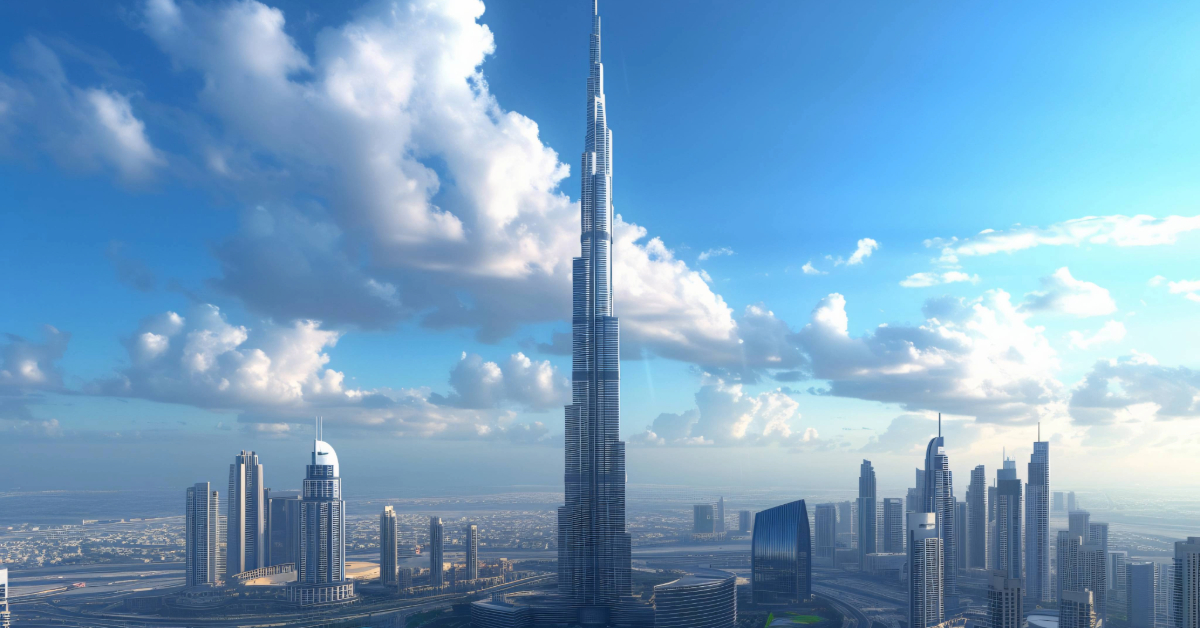
These are the core elements that made up the cost to build Burj Khalifa, often referred to as the overall Burj Khalifa construction cost.
Materials and structural system
The materials and structural system formed the largest share of the overall construction cost, driven by both scale and performance requirements.
- Concrete used: Approximately 330,000 cubic metres
- Structural steel (rebar): Around 39,000 tonnes
- Façade and glazing: Over 1.5 million sq ft (≈ 139,000 m²) of glass, with specially designed heat-resistant cladding
- Windows: 24,348 units
The tower’s exterior was engineered to withstand Dubai’s extreme climate, requiring advanced glazing systems and durable materials. Additionally, the structural framework had to support unprecedented height while maintaining stability against wind forces and thermal expansion, significantly increasing material costs.
Labour, man-hours, and construction logistics
Labour and logistics were a major cost driver due to the scale, complexity, and fast-paced construction schedule.
- Total workforce: More than 10,000–12,000 workers
- Total labour time: Over 22 million man-hours
Construction took place continuously over several years, with teams working day and night in rotating shifts. This fast-track approach required detailed coordination and increased operational costs.
In terms of logistics:
- Advanced tower cranes were used to lift heavy materials to extreme heights.
- Concrete pumping systems reached heights exceeding 600 metres.
- Vertical transportation of materials required precision planning and specialised equipment.
Engineering, design, and project management
Engineering and design innovation played a critical role in both the success and cost of the project.
- Lead architect: Adrian Smith (SOM)
- Structural engineer: Bill Baker
Key engineering innovations included:
- Special concrete mixes designed for high temperatures and thermal expansion
- Wind vortex tapering to reduce wind loads on the structure
- Advanced safety and monitoring systems
Project management was equally complex. Continuous shifts, value engineering strategies, and rigorous coordination between multiple teams ensured efficiency while maintaining high standards. This level of planning and execution contributed significantly to the overall cost.
Mechanical, electrical, elevators, and interiors
The building’s internal systems and finishes added another substantial layer to the cost to build Burj Khalifa.
- Vertical transport: 57 lifts, including double-deck systems, along with escalators.
- Building systems: HVAC, plumbing, fire suppression, and safety systems designed specifically for an 828-metre structure.
Designing these systems for such a tall building required custom engineering solutions to ensure efficiency, safety, and reliability.
Interior finishes further elevated costs, particularly in premium areas such as the hotel and residential units, which feature luxury materials and Armani-designed interiors. For buyers looking to experience a similar caliber of elegance and premium amenities within the immediate Burj Khalifa district, exploring the latest Burj Khalifa property prices and apartments for sale in the St. Regis Residences Dubai provides an exceptional opportunity to invest in world-class Downtown living.
Burj Khalifa cost estimates and ranges
These figures provide a clear overview of how the Burj Khalifa cost to build is distributed across major areas.
Overall Cost Overview
| Aspect | Estimated Cost | Notes |
| Total Tower Construction | US$1.4-1.5 billion, as commonly cited | Covers concrete, steel, labour, finishes, and utilities; excludes wider area development |
| Downtown Dubai Development | Over US$20 billion | Includes roads, landscaping, and supporting infrastructure beyond the tower |
Construction timeline and key milestones
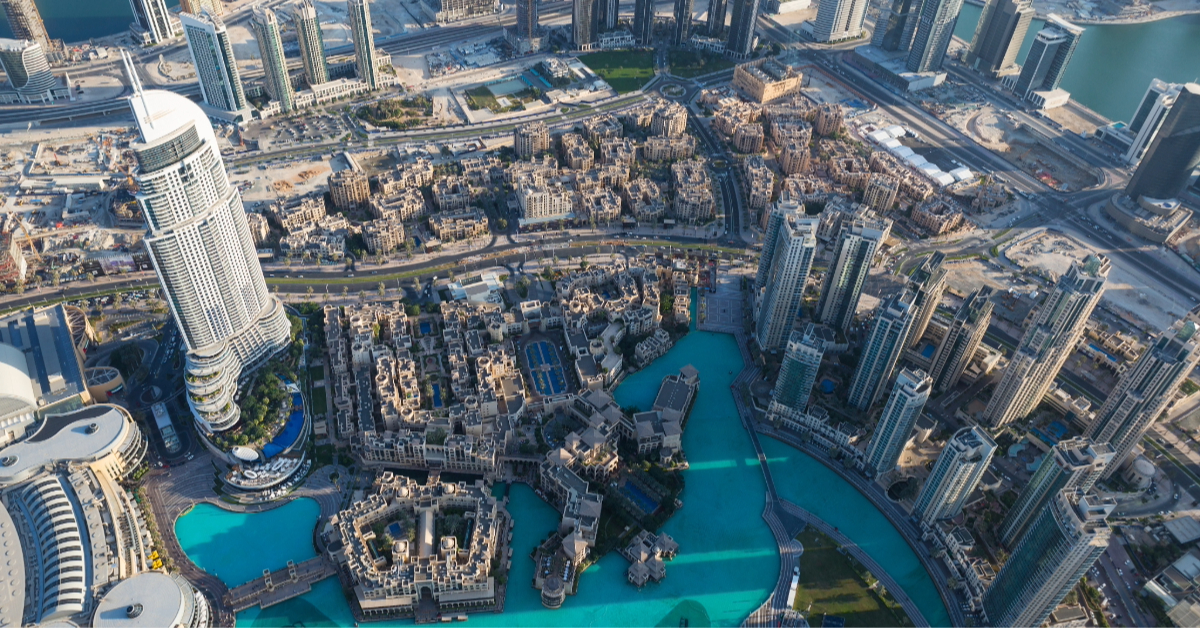
These milestones highlight the rapid and carefully coordinated development of the Burj Khalifa from concept to completion.
- Groundbreaking: January 2004
Construction officially began, marking the start of what would become the world’s tallest building. - Topped out: 17 January 2009
The tower reached its full structural height, a major engineering milestone in the project. - Façade completed: October 2009
The exterior cladding and glazing were finalised, enclosing the structure and preparing it for interior works. - Official opening: 4 January 2010
The Burj Khalifa was inaugurated, completing a fast-track construction timeline of approximately six years.
This accelerated schedule required continuous work cycles, precise planning, and close coordination across multiple teams, contributing to the overall complexity and cost of the project.
Facts and figures
These key statistics highlight the scale, complexity, and engineering achievement of the Burj Khalifa.
- Total height (including spire): 828 metres (2,722 ft)
The tallest man-made structure in the world, setting a global benchmark for skyscrapers - Floor count: 154 usable floors + additional maintenance and mechanical levels
Designed to accommodate residential, commercial, and hospitality functions - Total floor area: Approximately 309,473 m²
Reflecting the vast usable space within the tower - Elevators: 57 total
Including high-speed and double-deck elevators designed for efficient vertical transport - Number of windows: Around 24,348
Featuring specialised glazing systems to manage heat and light in a desert climate
These figures demonstrate not only the immense size of the structure but also the advanced systems and materials required, key contributors to the overall Burj Khalifa cost to build.
Why so expensive: Key drivers
These factors explain why the cost to build the Burj Khalifa is significantly higher than that of conventional skyscrapers.
- Extreme height: The unprecedented height required deeper foundations, specialised concrete mixes, and advanced wind engineering to ensure structural stability.
- Luxury finishes and mixed-use design: The tower combines hotel spaces, residences, offices, and observation decks, each with high-end finishes and different technical requirements.
- Fast-track construction: Continuous multi-shift labour and a tight construction schedule increased workforce, logistics, and operational costs.
- Desert climate challenges: High temperatures and harsh conditions require enhanced cooling systems, durable materials, and solutions for thermal expansion.
- Complex vertical transport and safety systems: Advanced lifts, fire safety systems, and building services were essential to operate efficiently across 828 metres.
Together, these elements pushed the project far beyond standard construction costs, making it one of the most expensive and technically demanding buildings ever completed.
Explore the Available Apartments for Sale in Downtown Dubai
-


Apartment
Listed 3 weeks ago
5,999,000 AED
All Layouts Available | Burj Khalifa View
The St. Regis Residences - Tower 1, St Regis The Residences, Burj Khalifa Area, Downtown Dubai, Dubai
2
2
1,297 sqft
-

Apartment
Listed 2 weeks ago
1,950,000 AED
Boulevard View | Vacant | Pristine Condition
29 Burj Boulevard Tower 2, 29 Burj Boulevard, Downtown Dubai, Dubai
1
2
799 sqft
-
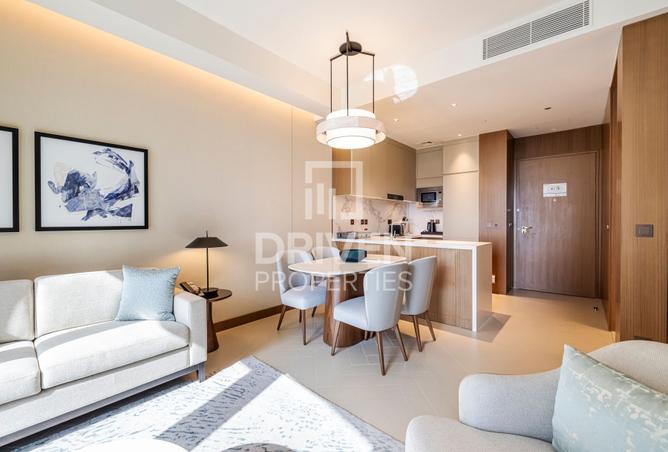
Apartment
Listed 2 days ago
2,750,000 AED
Best Price | Motivated Seller | Well Maintained
The Address Residences Dubai Opera Tower 2, The Address Residences Dubai Opera, Downtown Dubai, Dubai
1
2
803 sqft
-
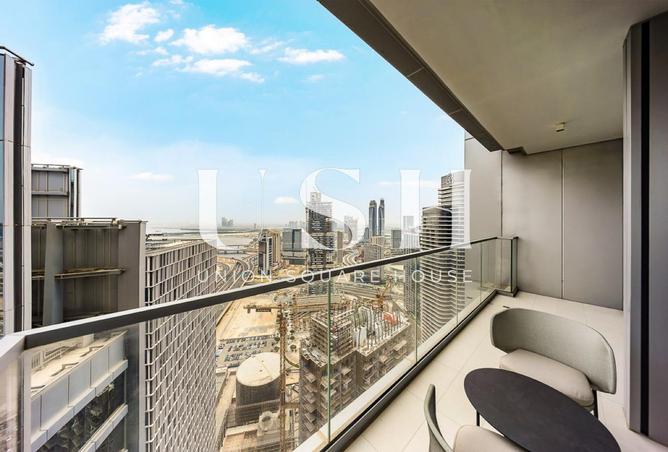
Apartment
Listed 4 days ago
4,750,000 AED
Luxury 2BR | Fully Furnished | Dubai Mall Access
Vida Dubai Mall Tower 1, Vida Residences Dubai Mall, Downtown Dubai, Dubai
2
3
1,197 sqft
-
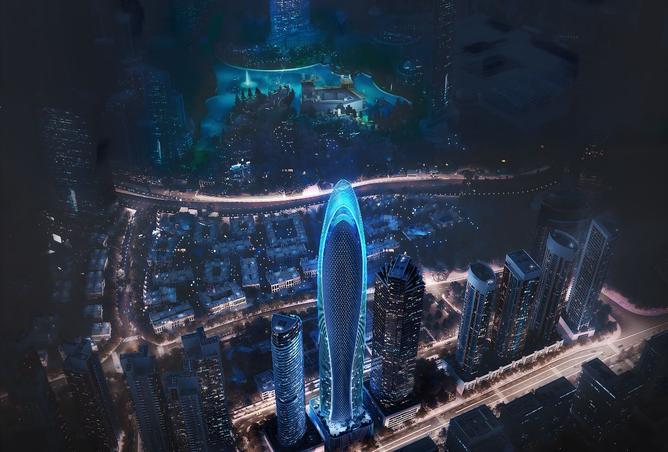
Apartment
Listed 3 weeks ago
10,299,999 AED
Mercedes-Benz 2BR | Private Pool | Burj Canal View
Mercedes Benz Places by Binghatti, Downtown Dubai, Dubai
2
3
1,837 sqft
-
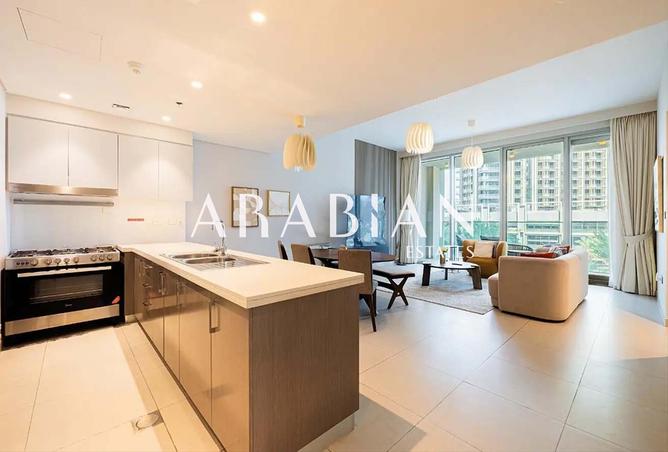
Apartment
Listed 20 hours ago
4,900,000 AED
MOTIVATED | 3 YEARS POST HANDOVER | + MAIDS
Forte 2, Forte, Downtown Dubai, Dubai
3
4
1,643 sqft
-
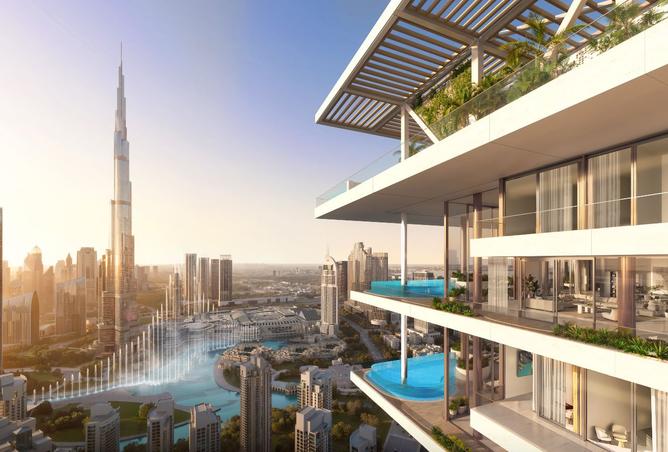
Apartment
Listed 2 months ago
9,180,000 AED
FAIRMONT RESIDENCES | MAID ROOM | CANAL VIEW
Fairmont Residences Solara Tower, Downtown Dubai, Dubai
3
4
2,734 sqft
-

Apartment
Listed 2 months ago
6,951,000 AED
LUXURY RESIDENCE | PRIME FAIRMONT ADDRESS
Fairmont Residences Solara Tower, Downtown Dubai, Dubai
2
3
1,937 sqft
-
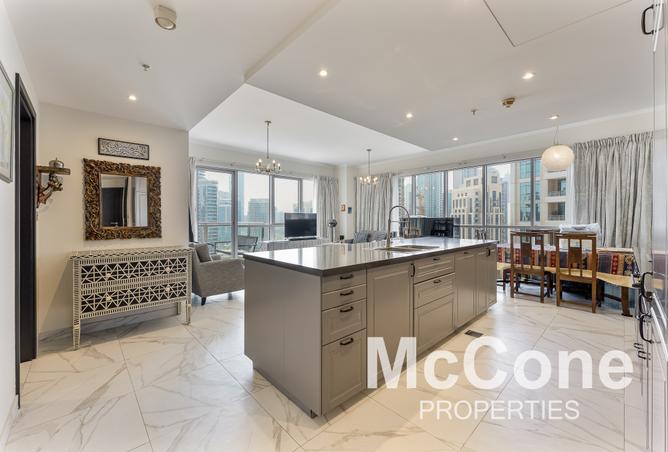
Apartment
Listed 3 days ago
2,750,000 AED
Exclusive | Huge Layout | Premium Upgrade
The Residences 8, The Residences, Downtown Dubai, Dubai
1
2
1,092 sqft
-
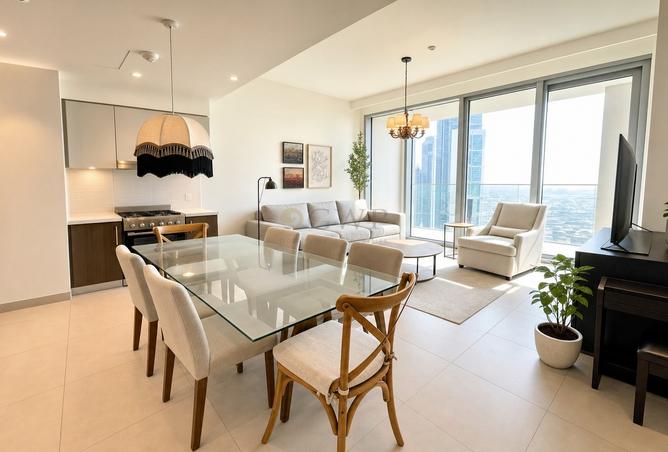
Apartment
Listed 7 days ago
2,749,999 AED
Exclusive | High Floor | Larger Layout | Vacant
Forte 1, Forte, Downtown Dubai, Dubai
2
3
1,096 sqft








Key takeaways
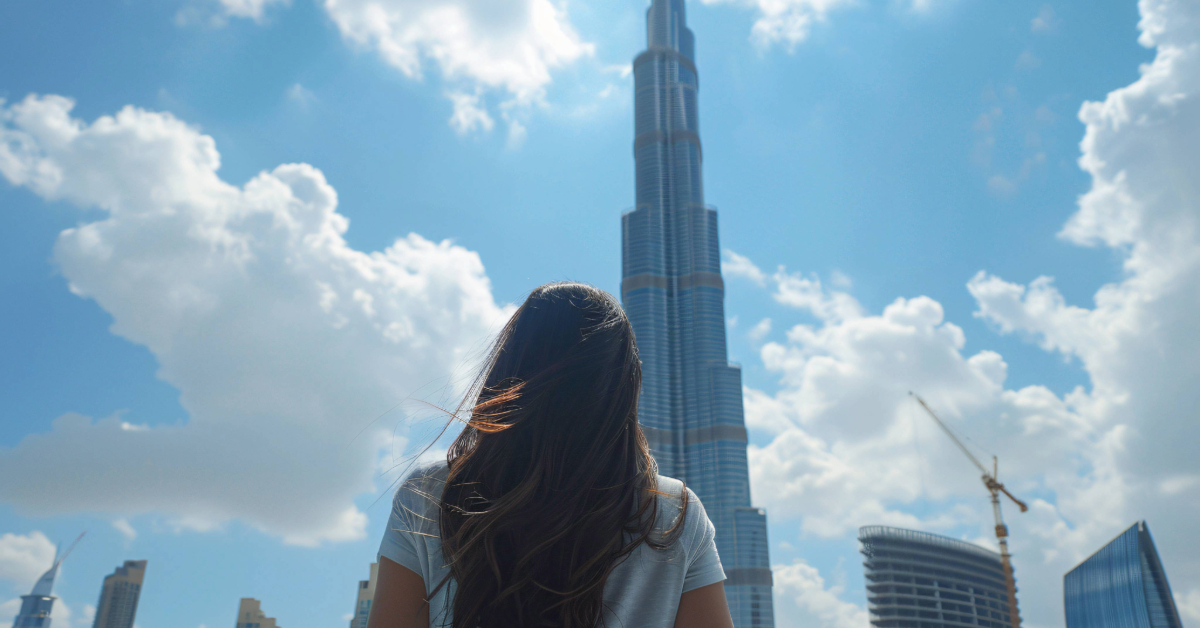
- The Burj Khalifa cost approximately US$1.5 billion to build (tower only), with completion in 2010.
- The overall Burj Khalifa cost to build was driven by major components, including materials and structural systems, labour, engineering and design, mechanical and electrical systems (MEP), safety infrastructure, and high-end interior finishes, each contributing significant shares to the final budget.
- The project required vast quantities of materials, including approximately 330,000 m³ of concrete, 39,000 tonnes of steel reinforcement, and over 24,000 windows, reflecting the immense scale of construction.
- Engineering challenges related to extreme height, desert climate conditions, structural safety, and mixed-use functionality significantly increased complexity and pushed the cost per square metre far above standard skyscraper projects.
Frequently Asked Questions (FAQs)
It is estimated to cost US$1.5 billion, specifically for the tower’s construction, including foundation, structure, materials, interiors, and MEP systems. However, this estimate excludes the wider Downtown Dubai infrastructure, and different sources may include or exclude certain cost components, which leads to variation in total estimates.
The biggest cost drivers in materials were concrete, steel reinforcement (rebar), specialised façade glazing and cladding systems, and high-end interior finishes. The use of advanced concrete mixes and engineered exterior systems also increased overall expense.
The project required over 22 million man-hours, with a workforce of approximately 10,000 to 12,000 workers on site at different stages of construction.
The foundation consists of 192 piles, each up to around 1.5 metres in diameter, supported by a reinforced concrete raft. It also includes anti-corrosion and cathodic protection systems, all of which significantly contributed to the overall construction cost.
No. Due to inflation, higher material and labour costs, stricter building regulations, sustainability requirements, and advances in engineering standards, a similar project today would likely cost more.
Despite its height, the Burj Khalifa construction cost is relatively lower than several mega developments globally.
While it remains one of the most complex structures ever built, it is not the most expensive building in the world when compared to large-scale mixed-use developments such as Abraj Al Bait in Mecca.
This makes Burj Khalifa a unique case where engineering innovation helped control costs despite record-breaking scale.