



What defines the cleanest city in the world? It goes far beyond spotless streets. Rankings today look at waste management systems, air quality, infrastructure, and overall liveability. In 2026, Dubai stands firmly at the top, while Abu Dhabi continues to rank among the most liveable and well-maintained cities globally.
Dubai has secured this position for the sixth consecutive year, achieving a perfect 100% satisfaction score in city cleanliness. This reflects a coordinated effort between government entities, advanced infrastructure, and community participation.
These rankings matter. They shape tourism, influence real estate demand, and reflect how well a city supports the health and comfort of its residents.
- Global benchmarks for clean cities
- The cleanest cities in the world (2026)
- Dubai: What makes it the cleanest city in the world
- Abu Dhabi: cleanliness and liveability
- Dubai vs global clean cities
- Policies behind clean cities
- Challenges ahead
- Key takeaways
- FAQs
Global benchmarks for clean cities
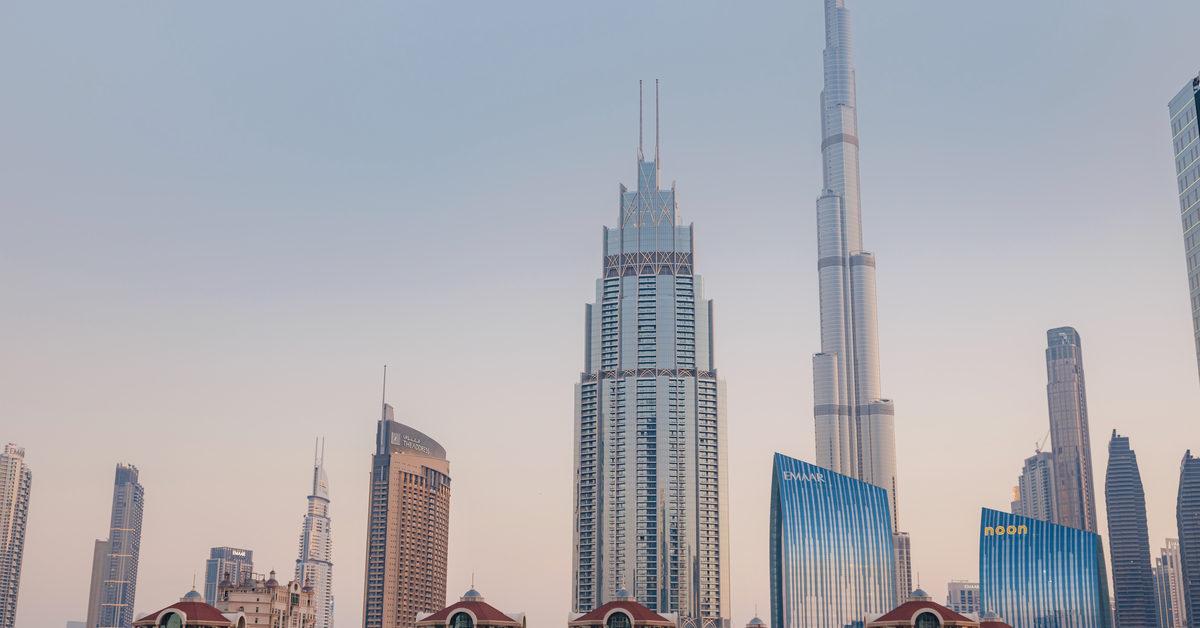
Several global indices evaluate what qualifies as the cleanest city in the world.
- Global Power City Index (GPCI) measures environment, liveability, and economy.
- Global Liveability Index evaluates healthcare, safety, and environmental quality.
- IMD Smart City Index focuses on technology, governance, and sustainability.
- Additional rankings consider air quality, recycling rates, and sanitation.
These combined metrics offer a holistic view of urban cleanliness and quality of life.
The Cleanest Cities in the World (2026)
Cleanliness rankings can vary depending on the criteria used, whether it’s sanitation systems, air quality, waste management, or overall public satisfaction. However, a handful of cities consistently stand out across global indices for their exceptional cleanliness, infrastructure, and environmental standards. Below is a closer look at the world’s cleanest cities in 2026 and what makes each one a benchmark for urban living.
1. Dubai
Dubai ranked first globally in the city cleanliness indicator of the Global Power City Index (GPCI), achieving a 100% satisfaction score in 2026. The city boasts a near-perfect public satisfaction score, supported by advanced waste management systems, strict municipal regulations, and continuous investment in smart city technologies. Public spaces, roads, and beaches are meticulously maintained, reinforcing Dubai’s global reputation for urban excellence.
2. Abu Dhabi
Abu Dhabi consistently ranks among the top cities worldwide for liveability, safety, and cleanliness. Its strong infrastructure, combined with forward-thinking governance and smart city initiatives, ensures high sanitation standards across residential and commercial areas. The emirate’s focus on sustainability and environmental management further strengthens its position as one of the cleanest urban environments globally.
3. Singapore
Singapore is widely regarded as the global benchmark for cleanliness. The city-state enforces strict regulations on littering and public hygiene, supported by efficient waste-disposal and recycling systems. Its disciplined urban planning and public awareness campaigns contribute to spotless streets, well-maintained public transport, and pristine green spaces.
4. Helsinki
Helsinki stands out for its exceptional environmental performance, particularly in air quality and sustainability. The Finnish capital integrates green policies into urban life, ensuring clean public spaces and efficient waste management. Its commitment to renewable energy and eco-friendly infrastructure plays a key role in maintaining high cleanliness standards.
5. Zurich
Zurich is often considered one of the cleanest cities in Europe, known for its outstanding water quality and waste management systems. The city combines strict environmental policies with a strong civic culture that prioritises cleanliness. Public transport, streets, and natural surroundings are all maintained to an exceptionally high standard.
6. Vienna
Vienna consistently performs well across global cleanliness and liveability rankings. The Austrian capital benefits from efficient public services, well-organised sanitation systems, and a strong emphasis on public hygiene. Its balance of historic charm and modern infrastructure ensures a clean and pleasant urban environment for residents and visitors alike.
Dubai: What makes it the cleanest city in the world
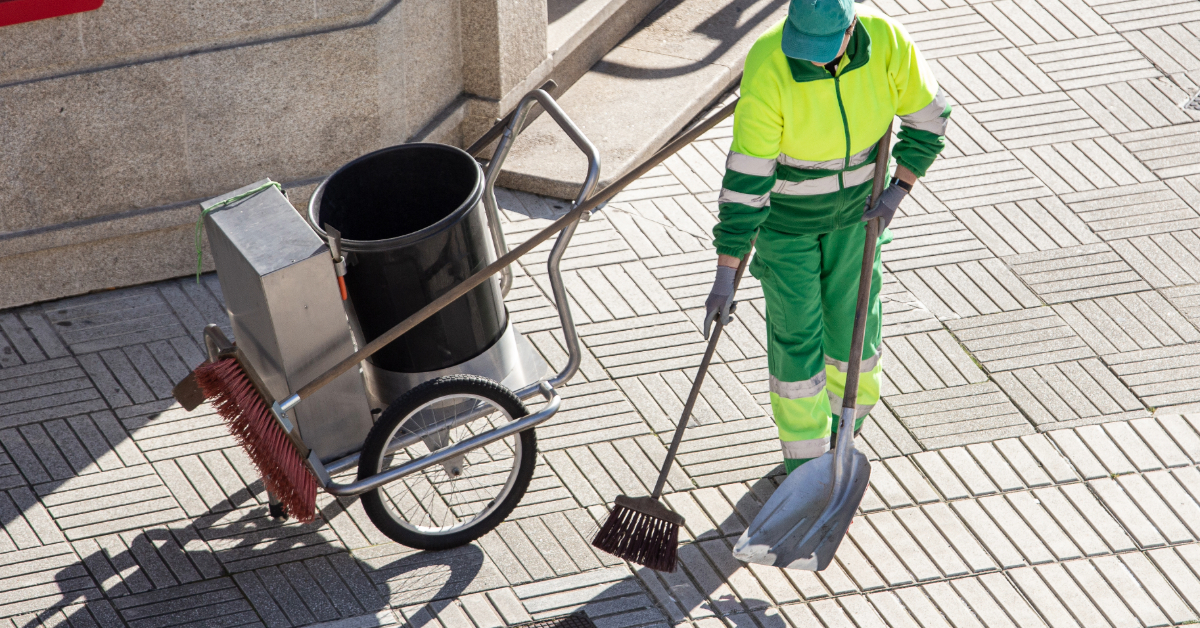
Dubai has held the title of the cleanest city in the world for six consecutive years.
Top cleanliness performance
- Ranked #1 globally in cleanliness under the Global Power City Index
- Achieved a 100% satisfaction score in cleanliness indicators
- Maintains consistently high public satisfaction levels
- Recognition supported by official government reporting and international indices
Infrastructure and operations
Dubai’s integrated system is built on scale and precision.
- Around 785 specialised cleaning vehicles
- Over 23,300 waste collection units across the city
- More than 3,200 personnel manage operations
- Coverage includes roads, residential areas, beaches, canals, and public spaces
Sustainability and innovation
- Warsan Waste-to-Energy Centre supports landfill reduction
- Smart recycling centres and digital monitoring platforms
- Dubai Integrated Waste Management Strategy 2041 targets full waste diversion
This combination of infrastructure, governance, and innovation reinforces Dubai’s position as the world’s cleanest city.
Abu Dhabi: cleanliness and liveability
Abu Dhabi’s strength lies in how cleanliness integrates with safety, infrastructure, and smart city development.
Ranking in global indices
- Ranked among the safest cities in the world
- Strong positioning in global liveability rankings
- Ranked among the top smartest cities globally in 2026
Clean environment drivers
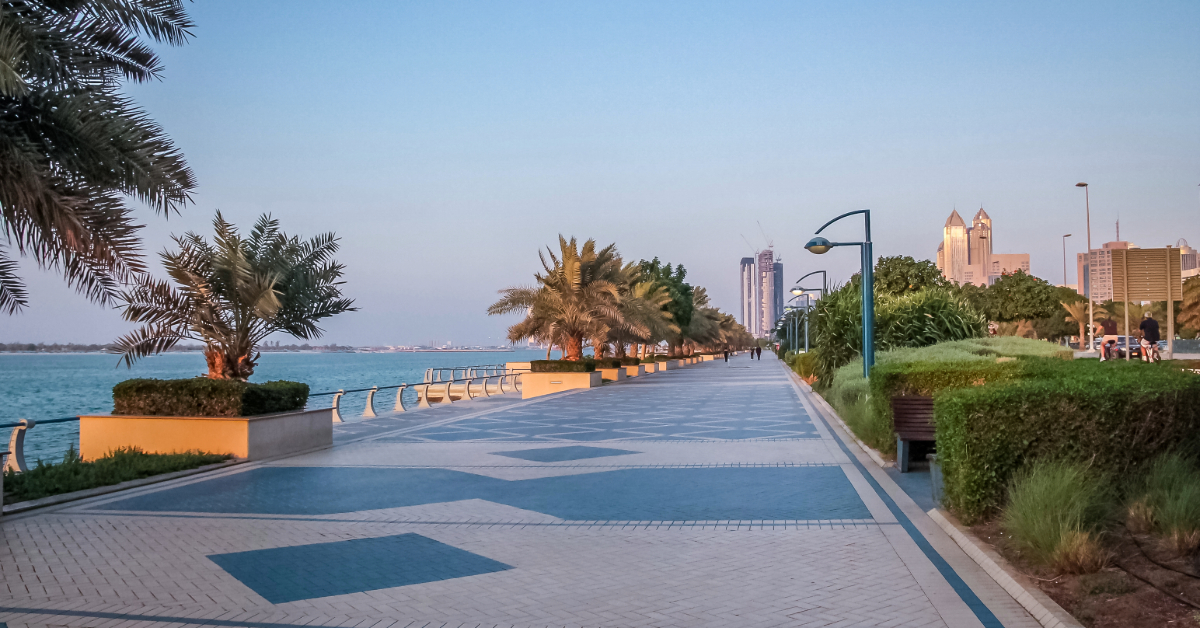
- Advanced urban infrastructure and public services
- Continued investment in smart city technologies
- High standards in healthcare, safety, and governance
- Expansion of green spaces and sustainability initiatives
Dubai vs global clean cities
| City | Strength | Key Advantage |
| Dubai | Infrastructure | Large-scale waste systems and public satisfaction |
| Abu Dhabi | Liveability | Safety, governance, smart infrastructure |
| Singapore | Regulation | Strict enforcement and discipline |
| Helsinki | Environment | Clean air and sustainability |
| Zurich | Water quality | Advanced environmental standards |
Dubai stands out for operational execution and public-cleanliness performance, while European cities often excel in air quality and environmental metrics.
Policies behind clean cities
Clean cities are built on structured systems and long-term planning, with policies such as:
- Integrated waste management from collection to energy recovery
- Smart monitoring platforms with real-time tracking
- Strong collaboration between the government, the private sector, and the residents
- Long-term sustainability strategies with clear targets
- Public awareness and behavioural alignment
Dubai’s model demonstrates how coordinated policy and execution can define the cleanest city in the world.
Challenges ahead
Maintaining top rankings requires continuous adaptation to face these challenges:
- Rapid population growth and tourism demand
- Environmental pressures such as heat and sandstorms
- Scaling recycling and circular economy systems
- Ensuring consistency across all neighbourhoods
- Balancing development with environmental sustainability
Key takeaways
Dubai has maintained its position as the cleanest city in the world for six consecutive years, supported by a perfect 100% cleanliness satisfaction score and a highly structured waste management system. Its success is driven by large-scale infrastructure, advanced technologies such as waste-to-energy, and strong institutional coordination. Abu Dhabi complements this leadership through high rankings in safety, liveability, and smart city performance, all of which contribute to a clean and well-managed urban environment. Together, both cities set a global benchmark for modern urban cleanliness in 2026.
FAQs
Dubai ranks as the cleanest city in the world, supported by a 100% cleanliness satisfaction score and consistent global recognition.
It includes waste management, air and water quality, sanitation systems, infrastructure, and public satisfaction levels.
Its success comes from large-scale infrastructure, advanced waste systems, smart monitoring, and long-term sustainability strategies.
Yes. It ranks highly in safety, liveability, and smart city indices, which strongly reflect cleanliness standards.
They can vary slightly, but leading cities tend to maintain their positions due to consistent long-term strategies.