



Driving in Dubai as a tourist can be smooth, efficient, and surprisingly enjoyable when the rules are understood in advance. Dubai’s roads are modern, clearly marked, and heavily monitored, which means visitors benefit from excellent infrastructure but must also follow strict enforcement.
- What is it like to drive in Dubai
- Are tourists allowed to drive in Dubai?
- Licensing requirements for driving in Dubai as a tourist
- Essential documents for driving in Dubai as a tourist
- Core road rules and traffic regulations for driving in Dubai as a tourist
- Common traffic violations, fines, and black points
- Parking rules and systems in Dubai
- Car rental rules and practicalities for tourists
- Special situations tourists should prepare for
- Key takeaways
- FAQs
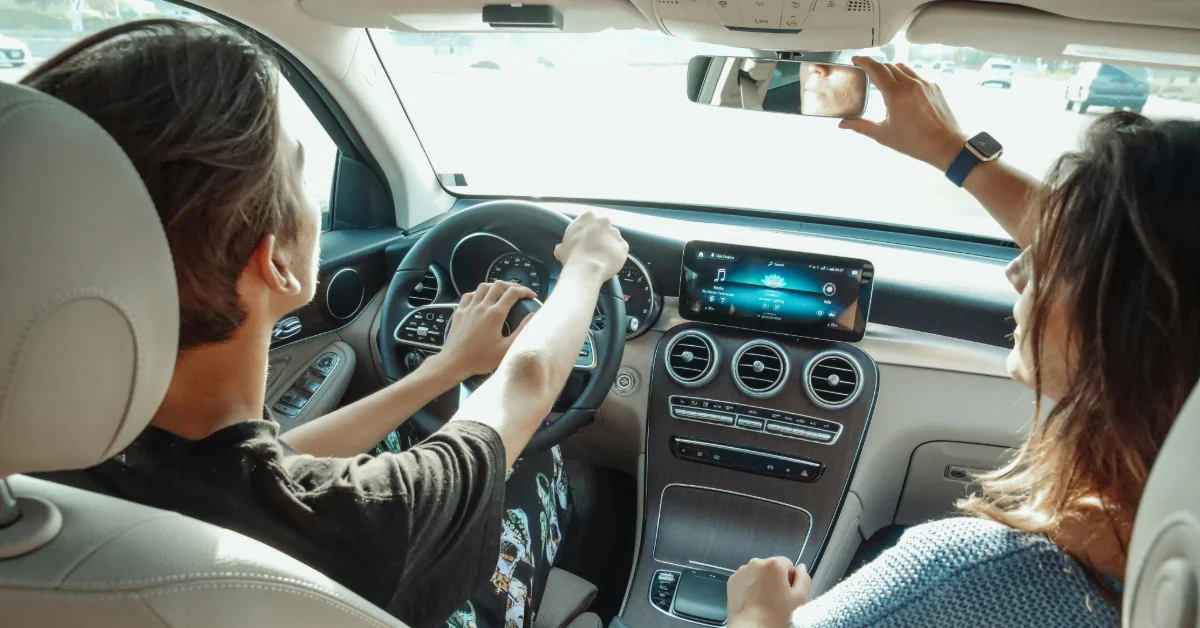
What is it like to drive in Dubai
Dubai offers wide highways, smart traffic systems, and predictable road layouts, making self-driving appealing for tourists who want flexibility. However, enforcement is automated, and fines are high, so preparation matters more than confidence.
Pros and cons of renting a car vs. using taxis or the metro
Renting a car offers freedom for day trips from Dubai to Abu Dhabi, Hatta, or the northern emirates, while taxis and the metro remove the stress of navigation and fines. Visitors staying around Downtown, Marina, or Business Bay often find public transport easier, while longer stays benefit from car rentals.
Are tourists allowed to drive in Dubai?
Tourists are legally allowed to drive in Dubai under specific conditions set by federal and emirate-level traffic laws.
- Driving is permitted only with valid documentation and within defined vehicle ownership rules. Tourists cannot freely drive any available car.
- Visitors on a tourist visa may drive rental cars or vehicles owned by first-degree relatives. Driving a friend’s private or company car is not permitted.
Once residency status changes, visitors must apply for a local licence. Continuing to drive on a tourist licence after residency approval is illegal, which is why understanding the process of converting or applying for a local licence matters.
Licensing requirements for driving in Dubai as a tourist
Licensing rules depend on where the licence was issued and how rental companies interpret federal guidelines.
- Your home licence must be valid and non-expired
- Besides English and Arabic, other languages require an official translation, often bundled with an International Driving Permit.
- The legal driving age remains 18, but most rental agencies require drivers to be at least 21, with higher limits for luxury or 4×4 vehicles. Drivers under 25 often face daily surcharges, which are disclosed in rental contracts rather than traffic law.
International driving permit for driving in Dubai as a tourist (IDP)
An IDP acts as an official translation of your home licence, not a replacement. While some licences are accepted without it, the IDP is not legally mandatory in all cases, but is strongly preferred by rental companies for compliance and insurance clarity.
Country-specific recognition
Licences from several Western and Gulf Cooperation Council (GCC) countries are commonly accepted. Visitors from non-recognised countries usually need an IDP and may face rental limitations.
Essential documents for driving in Dubai as a tourist
Drivers in Dubai must carry specific documents at all times to avoid penalties.
Mandatory documents while driving:
- A copy of your passport and visa
- Home country licence
- IDP where applicable
- Rental agreement
- Insurance papers
- Salik toll details
Digital copies are widely accepted for licences and rental contracts, but keeping physical backups helps during roadside checks or phone issues.
Core road rules and traffic regulations for driving in Dubai as a tourist
Dubai enforces discipline through automation, not discretion.
- General road conduct
Driving follows right-hand rules. Lane discipline is strict, overtaking happens from the left, and sudden lane changes attract fines.
- Speed limits and enforcement
Typical speed limits by road type:
- City roads: 40-60 km/h
- Main roads: 60-80 km/h
- Highways: 100-120 km/h (up to 140 km/h on select stretches)
Variable speed systems adjust limits dynamically, and radar cameras issue instant fines. Official fine ranges are outlined clearly in Dubai traffic fines and penalties, which visitors often underestimate.
- Seat belt and child safety laws
Seat belts are mandatory for all passengers. Children under 10 must sit in the back, and approved child seats are required based on age and weight.
- Mobile phone use and distraction
Hand-held phone use is completely banned. Even adjusting navigation excessively while driving can be considered a distraction.
- Zero tolerance alcohol and DUI rules
Dubai follows a zero-tolerance approach. Any detected alcohol level leads to arrest, licence suspension, and potential jail time.
- Priority, right of way, and emergency vehicles
Drivers must give way to emergency vehicles at all times and follow roundabout priority for vehicles already inside. Pedestrian crossings and school zones require reduced speed and full right of way to pedestrians.
- Lane-specific rules and 2025 updates
Slower vehicles must keep right, using the left lane only for overtaking. New 2025 rules limit delivery bikes on high-speed lanes and enforce dedicated lanes for buses and heavy vehicles.
Explore short-term rentals in Dubai
-


Hotel & Hotel Apartment
Listed 2 weeks ago
8,000 AED/month
Maison Prive Canal View Studio
Damac Maison Prive B, Damac Maison Prive, Business Bay, Dubai
studio
1
373 sqft
-

Apartment
Listed 3 weeks ago
15,000 AED/month
1 BHK UPGRADED Nestled At JBR Tourist Destination
Shams 1, Shams, Jumeirah Beach Residence, Dubai
1
2
1,181 sqft
-

Apartment
Listed 2 months ago
10,000 AED/month
Luxury Waterfront 1BR | With direct Pool Access
ANWA, Maritime City, Dubai
1
2
1,359 sqft
-

Apartment
Listed 2 months ago
18,000 AED/month
Spacious 2BR next to Creek Beach | Panoramic Views
17 Icon Bay, Dubai Creek Harbour (The Lagoons), Dubai
2
2
1,131 sqft
-

Apartment
Listed 5 months ago
22,500 AED/month
Lavishly Huge 2Bed in Address JBR | Panoramic View
Jumeirah Gate Tower 1, The Address Jumeirah Resort and Spa, Jumeirah Beach Residence, Dubai
2
3
1,161 sqft
-

Apartment
Listed 1 day ago
11,100 AED/month
Spacious 1 BR | Near to Metro | World Trade Center
Arista One, Jumeirah Garden City, Al Satwa, Dubai
1
1
925 sqft
-

Apartment
Listed 2 days ago
15,500 AED/month
Special Rate | Bills Included | Monthly Stays
Oceana Southern, Oceana, Palm Jumeirah, Dubai
1
2
1,691 sqft
-

Apartment
Listed 2 weeks ago
8,000 AED/month
Chic Studio | Check in - ASAP |All Included
AG Tower, Business Bay, Dubai
studio
1
550 sqft
-

Apartment
Listed 5 hours ago
12,499 AED/month
Fully Furnished | High Floor | All Bills Inclusive
Aykon City Tower C, Aykon City, Business Bay, Dubai
2
2
1,000 sqft
-

Apartment
Listed 5 hours ago
16,999 AED/month
Luxury 2BR with Waterfront View | All Inclusive
Canal Front Residence 8, Canal Front Residences, Al Wasl, Dubai
2
2
1,560 sqft




Common traffic violations, fines, and black points
Understanding penalties helps tourists avoid costly mistakes.
Understanding the black point system
Black points accumulate against the driver and vehicle. Reaching 24 points triggers licence suspension and possible impoundment.
Typical fines tourists encounter
| Violation | Fine (AED) | Black points |
| Speeding (varies by excess speed) | 600–2,000 | 6-12 |
| Running a red light | 1,000+ | 12 |
| Using a mobile phone while driving | ~800 | 4 |
| Tailgating | ~400 | 4 |
| Driving without a valid licence | 5,000+ | Legal action |
Serious offences
- Reckless driving or street racing: Heavy fines, vehicle impoundment, licence suspension, and possible jail time
- Hit-and-run offences: Criminal charges with severe fines and extended licence suspension.
- Driving under the influence: Zero tolerance with stricter 2025 penalties, including arrest and prosecution.
How fines are processed for tourists
Fines are automatically linked to rental cars. Rental companies charge the fine plus an admin fee directly to your card, often weeks later.

Parking rules and systems in Dubai
Parking violations are among the most common tourist mistakes.
- Public parking zones
Street parking, malls, and multi-storey facilities use different rules and timings, with colour-coded signage indicating paid zones.
- How to pay for parking
You can pay via meters, SMS, or the RTA mobile app. Many rentals use plate-linked digital parking accounts, reducing manual errors.
- Parking fines and towing
Expired tickets and blocking access points lead to fines or towing, with release fees charged separately.
Car rental rules and practicalities for tourists
Car rental contracts often include details tourists miss.
- Eligibility and payment
You must have a valid visit visa, a credit card deposit, and an accepted licence. Hourly and short-term options are increasingly popular, especially for city driving.
- Insurance
Third-party insurance is mandatory. Off-road driving, racing, or desert use is typically excluded unless explicitly covered.
- Vehicle restrictions
Luxury cars carry higher deposits and stricter age limits. Desert driving requires a 4×4 and written permission.
- Rental company policies that surprise tourists
- Extra charges: Salik tolls, fines, late returns, and fuel costs are billed separately.
- Mileage limits: “Unlimited km” may include fair-use caps.
- Second drivers: Extra fees apply, and licences must be registered.

Special situations tourists should prepare for
Unexpected events require calm, rule-based responses.
- Accidents and emergencies: Call 999 for police or 998 for ambulance services. A police report is mandatory for insurance claims, even after minor accidents.
- Breakdowns and impoundment: Always contact the rental company first. Impounded vehicles incur daily storage fees until fines are cleared.
- Desert driving cautions: Standard rentals are not for off-road use. Guided desert safaris are safer and legally simpler.
Key takeaways
Tourists can legally drive in Dubai with the correct licence setup, usually involving a valid home licence and an International Driving Permit. Rules are strictly enforced, fines are high, and rental contracts pass costs directly to drivers. Understanding speed limits, parking systems, Salik tolls, and 2025 law updates ensures a smoother experience.
FAQs
Some licences are accepted, but most rental companies still require an International Driving Permit for compliance and insurance clarity.
The legal driving age is 18, but rentals usually start at 21 and rise to 25 for premium vehicles.
Yes, fixed and mobile cameras are widespread and issue fines automatically.
No, you can’t. Tourists are limited to rental vehicles or cars owned by first-degree relatives.
Fines are billed to the rental company, then charged to your card along with an admin fee.