



Private notaries in the UAE operate under a tightly regulated legal system designed to ensure accuracy, transparency, and compliance across all legal documentation processes. In 2026, enforcement has become more structured, especially across key legal hubs such as Dubai Marina, Business Bay, Al Reem Island, Khalifa City, and Sharjah Al Majaz, under UAE private notary fine regulations.
Any breach of these regulations may lead to a UAE private notary fine, disciplinary action, or, in serious cases, criminal liability. Understanding the updated framework is essential for professionals working within notarial services across Abu Dhabi Corniche, Al Nahda, and Al Ain’s Al Jimi district.
- Regulatory framework and key laws governing private notaries
- Types of violations and offences
- Penalties and sanctions
- Case studies and recent enforcement examples
- How to stay compliant: best practices
- Key takeaways
- FAQs
Regulatory framework and key laws governing private notaries

Private notaries in the UAE are governed by a combination of federal and emirate-level laws that define professional conduct and enforcement mechanisms.
Key regulations include:
- Federal Decree-Law No. 20 of 2022 regulating the notary profession
- Cabinet Resolution No. 146 of 2025 introducing structured administrative penalties
- Cabinet Resolution No. 16 of 2024 on the Executive Regulations of Federal Decree-Law No. 20 of 2022
- Dubai Law No. 6 of 2026, strengthening enforcement mechanisms
- Oversight by judicial bodies such as the Abu Dhabi Judicial Department
These laws apply across jurisdictions, including Downtown Dubai, Deira, Al Barsha, and Al Maryah Island, ensuring consistent regulatory standards across both urban and residential zones.
Types of violations and offences
Private notaries may face penalties for a range of procedural and legal violations, especially in high-activity legal districts such as the Dubai International Financial Centre (DIFC) and Al Khalidiyah in Abu Dhabi.
Common violations
- Operating without a valid licence
- Submitting false or inaccurate documentation
- Failure to verify identity or legal capacity
- Improper witnessing procedures
- Attesting illegal or non-compliant documents
- Practising after licence expiry
- Breaching confidentiality obligations
- Acting outside the authorised legal scope
Each violation may result in a fine from a UAE private notary, depending on the severity and intent.
Penalties and sanctions

The 2026 framework introduces a more structured penalty system applied across emirates, including Sharjah Industrial Area, Ajman Corniche, and Al Mushrif in Abu Dhabi.
Administrative fines (2026 structure)
| Violation Category | Fine (AED) | Description |
| Major violations | 30,000 | Acting outside the authorised scope or a conflict of interest |
| Verification failures | Up to 20,000 | Failure to verify identity or legal capacity |
| Procedural non-compliance | 15,000 | Errors in handling sensitive procedures |
| Document handling issues | 10,000 | Improper recording or explanation errors |
| Clerical errors | From 5,000 | Minor administrative mistakes |
Disciplinary penalties
- Written warning
- Licence suspension (up to 6 months)
- Licence revocation
- Mandatory compensation in certain cases
Criminal penalties
Practising without a licence:
- Minimum 6 months imprisonment and/or
- Fine between AED 30,000 and AED 100,000
Disclosure of confidential information carries similar penalties.
Repeat violations
- Fines may be doubled within one year.
- Harsher disciplinary action may apply.
Case studies and recent enforcement examples

Recent enforcement actions across Abu Dhabi’s Al Reem Island, Dubai Business Bay, and Sharjah Al Nahda demonstrate strict regulatory oversight.
In September 2024, three private notaries were fined AED 50,000 by the Abu Dhabi Judicial Department for procedural and compliance breaches.
These cases highlight how seriously authorities treat violations and reinforce the importance of avoiding a fine from a UAE private notary by strictly adhering to legal requirements.
Explore the Available Apartments for Sale in Al Reem Island
-


Apartment
Listed 2 months ago
1,450,000 AED
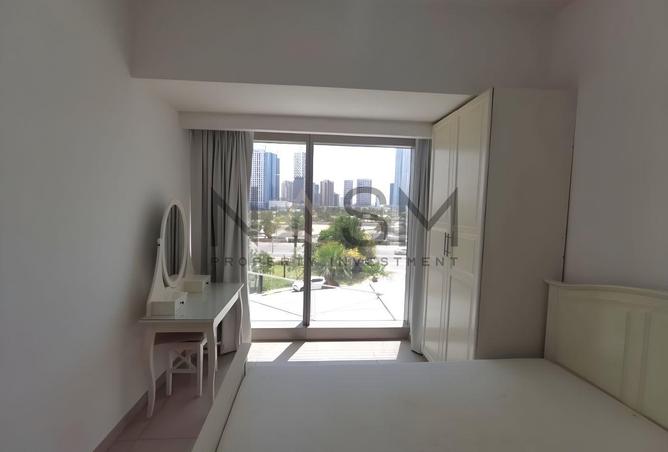
Partial Canal View | Modern 1BR | Prime Location
Reflection, Shams Abu Dhabi, Al Reem Island, Abu Dhabi
1
1
710 sqft
-
Apartment
Listed 2 weeks ago
1,400,000 AED
1BHK l HOT deal l Spacious l Investors deal
The Gate Tower 3, Shams Abu Dhabi, Al Reem Island, Abu Dhabi
1
2
876 sqft
-


Apartment
Listed 5 days ago
1,480,000 AED
Waterfront Living | Spacious 1BHK | Community View
Muheira, Al Reem Island, Abu Dhabi
1
1
764 sqft
-


Apartment
Listed 4 weeks ago
1,570,000 AED
Great Deal | High Floor | Big Layout | Invest Now!
Reem Hills, Najmat Abu Dhabi, Al Reem Island, Abu Dhabi
1
2
1,058 sqft
-

Apartment
Listed 1 month ago
2,550,000 AED
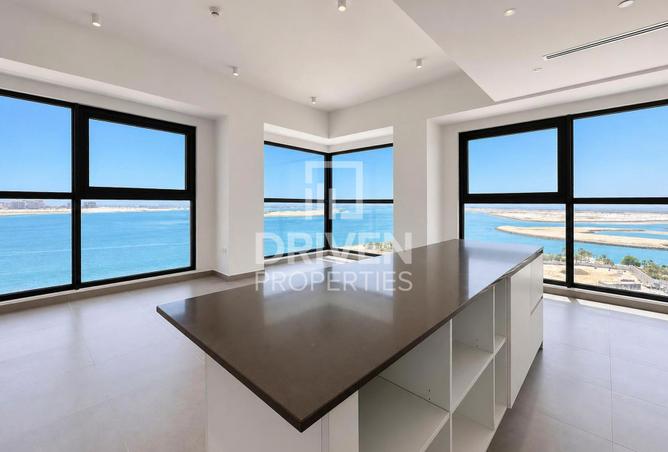
Ful Sea View | Best Layout | Best Deal in Market
Pixel, Makers District, Al Reem Island, Abu Dhabi
2
3
1,254 sqft
-


Apartment
Listed 1 week ago
2,350,000 AED
High Floor | Huge 2BR+Study | Panoramic View
Sun Tower, Shams Abu Dhabi, Al Reem Island, Abu Dhabi
2
2
1,546 sqft
-


Apartment
Listed 2 weeks ago
1,500,000 AED
Waterfront | Community View | 1BR w/ Balcony
Muheira, Al Reem Island, Abu Dhabi
1
1
793 sqft
-

Apartment
Listed 3 weeks ago
2,400,000 AED
Sorbonn View I High Floor I 2 BR with Maid room
Reem Hills, Najmat Abu Dhabi, Al Reem Island, Abu Dhabi
2
3
1,751 sqft
-


Apartment
Listed 3 weeks ago
3,800,000 AED
Corner 2BR+Store | Furnished | Partial Canal View
Reem Nine, Shams Abu Dhabi, Al Reem Island, Abu Dhabi
2
3
1,861 sqft
-


Apartment
Listed 3 weeks ago
1,499,999 AED
Hot Deal | 2BR w/ Balcony| High Floor | Canal View
Radiant Square, City Of Lights, Al Reem Island, Abu Dhabi
2
2
764 sqft
How to stay compliant: best practices
Avoiding a private notary fine in the UAE requires consistent compliance practices, particularly in high-regulation zones such as Dubai Marina, Al Barsha, and Khalifa City.
- Maintain a valid licence status and renew on time.
- Verify identity and legal capacity carefully.
- Ensure documentation is accurate and complete.
- Keep proper digital and physical records.
- Operate strictly within the authorised scope.
- Maintain confidentiality at all times.
- Follow approved fee structures.
- Stay updated on regulatory changes in Dubai and Abu Dhabi.
- Respond promptly to any investigations.
A structured compliance system significantly reduces legal exposure.
Key takeaways
The UAE private notary fine framework in 2026 is significantly more structured and strictly enforced under Federal Decree-Law No. 20 of 2022 and Cabinet Resolution No. 146 of 2025. Penalties now range from AED 5,000 for minor clerical errors to AED 30,000 for major violations, with additional disciplinary and criminal consequences for serious breaches. Enforcement is consistent across emirates, including Dubai, Abu Dhabi, and Sharjah, with growing emphasis on digital compliance and professional accountability. Maintaining accurate documentation, proper verification, and strict adherence to legal scope is essential to avoid penalties.
FAQs
Administrative fines can reach AED 30,000 for major violations, with higher penalties for repeat offences or criminal cases.
Yes. Licences can be suspended or permanently revoked depending on the severity of the violation.
It is a criminal offence punishable by imprisonment and a fine of between AED 30,000 and AED 100,000.
Yes. Fines may be doubled, and disciplinary actions such as suspension or revocation may apply.
Yes. A grievance can be submitted within 30 days of the decision.