



Palm Jumeirah is often associated with luxury villas and iconic resorts. Yet behind its skyline lies one of the most technically ambitious land reclamation projects ever executed.
From engineering precision and environmental management to evolving transport infrastructure, here are 12 facts about Palm Jumeirah that go beyond the surface.
- Overview of Palm Jumeirah’s Engineering
- Construction Scale & Materials
- Design & Structural Features
- Infrastructure & Transport
- Real Estate & Population
- Environmental Considerations
- Economic Impact
- Key Takeaways
- FAQs
Overview of Palm Jumeirah’s Engineering
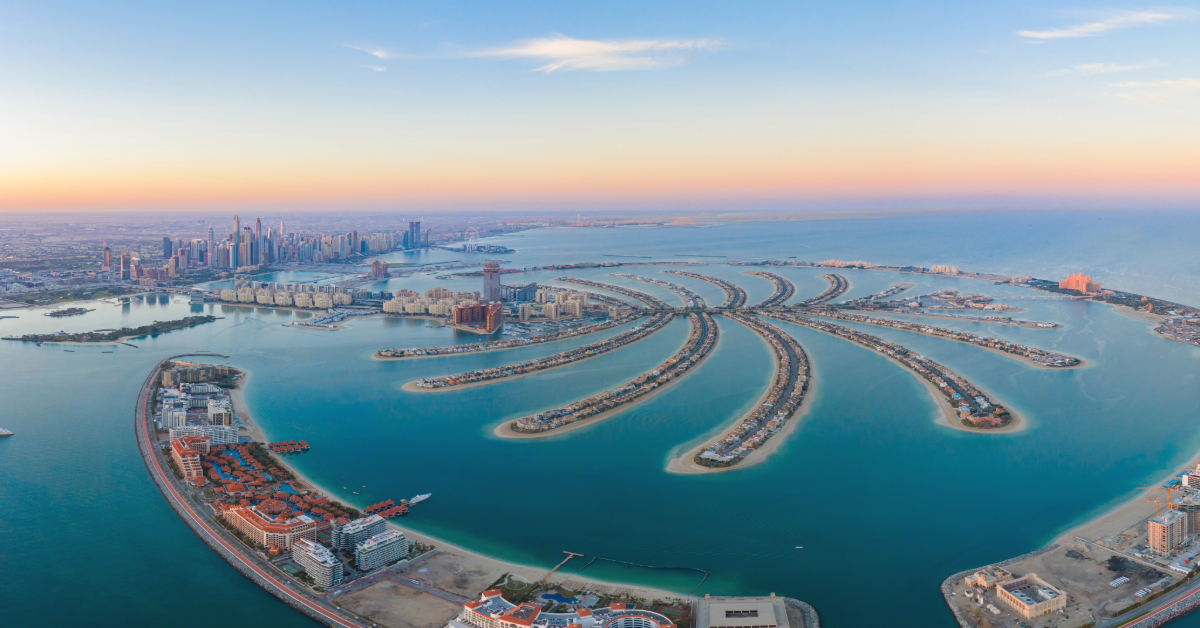
Palm Jumeirah was constructed using land reclamation rather than traditional land foundations. No concrete or steel was used for the island’s base itself — only sand compacted through advanced geotechnical methods.
The primary stabilisation technique used was vibro-compaction. This densified the reclaimed sand to reduce long-term settlement and prevent liquefaction during seismic events or under structural loads.
The breakwater surrounding the crescent was constructed using GPS-guided barge placement, with divers manually positioning critical rock sections for long-term durability.
Explore the Available Apartments for Rent in Palm Jumeirah
-


Apartment
Listed 3 months ago
300,000 AED/year
Fully Upgraded | Spacious | Partial Sea View
Al Shahla, Shoreline Apartments, Palm Jumeirah, Dubai
3
4
2,186 sqft
-

Apartment
Listed 3 weeks ago
500,000 AED/year
Burj Al Arab and Sea View|Corner Unit|High Quality
Ellington Beach House, The Crescent, Palm Jumeirah, Dubai
3
4
2,044 sqft
-
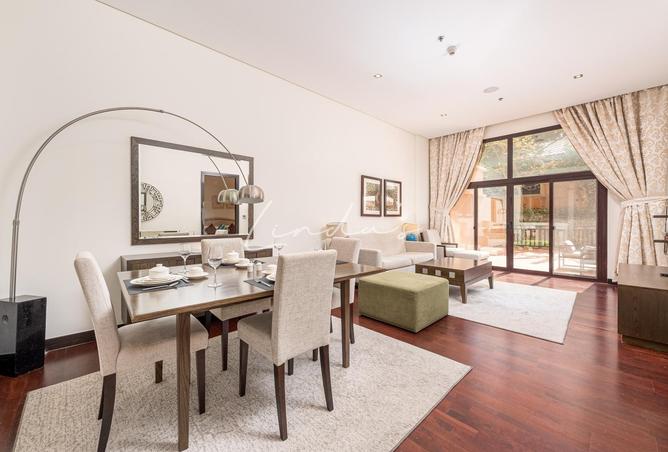
Apartment
Listed 2 weeks ago
155,000 AED/year
Furnished | Ground Floor| 4 Cheqs | Beach Access
Royal Amwaj Residences North, Royal Amwaj Residences, The Crescent, Palm Jumeirah, Dubai
1
2
1,561 sqft
-

Apartment
Listed 2 weeks ago
1,200,000 AED/year
Exclusive | Ocean View | Top Floor | Corner Unit
Serenia Living Tower 2, Serenia Living, Palm Jumeirah, Dubai
4
5
4,461 sqft
-
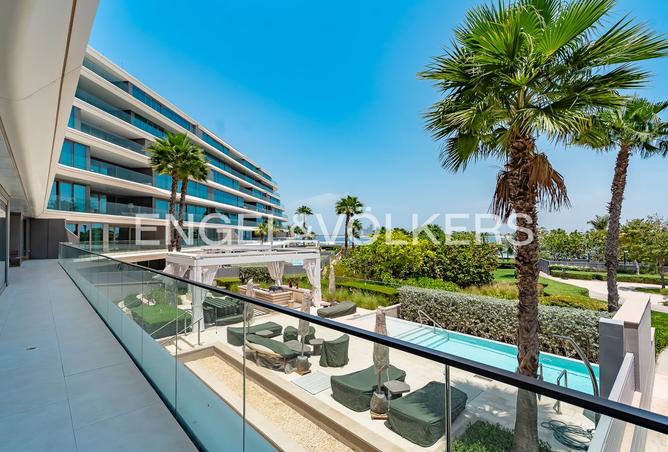
Apartment
Listed 2 months ago
1,600,000 AED/year
Ultra Luxury | Fully Renovated | Beachfront Living
Mansion 1, W Residences, The Crescent, Palm Jumeirah, Dubai
3
5
6,154 sqft
-
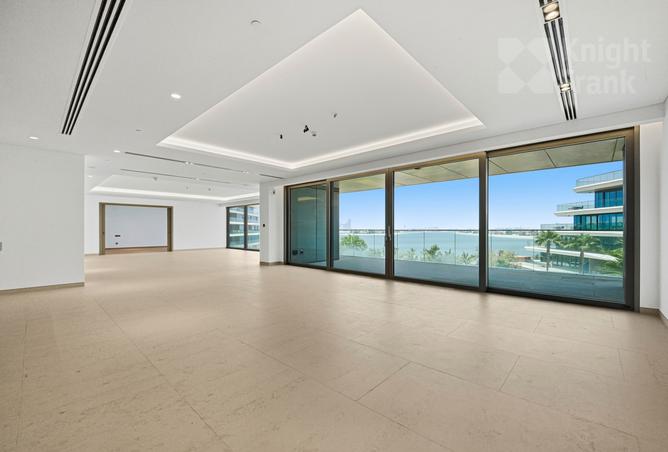
Apartment
Listed 1 month ago
2,500,000 AED/year
Luxury 4BR Residence | Brand New | W Residences
Mansion 1, W Residences, The Crescent, Palm Jumeirah, Dubai
4
5
7,578 sqft
-
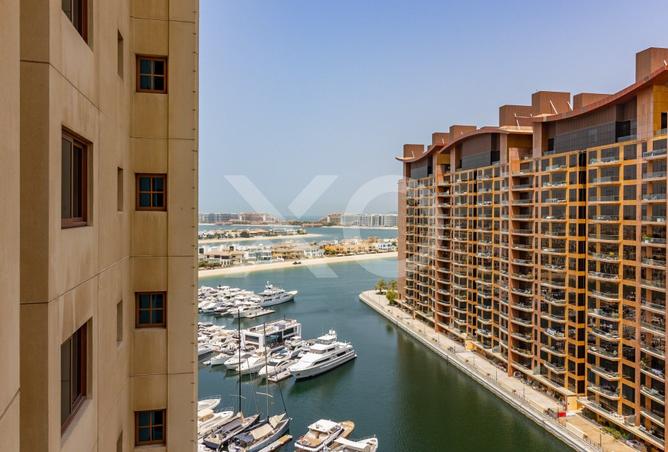
Apartment
Listed 2 weeks ago
275,000 AED/year
B Type | Vacant Now | High Floor Sea View
Marina Residences 6, Marina Residences, Palm Jumeirah, Dubai
3
4
2,524 sqft
-

Apartment
Listed 3 weeks ago
280,000 AED/year
Full Sea View | Spacious | Unfurnished
Diamond, Tiara Residences, Palm Jumeirah, Dubai
2
3
1,677 sqft
-
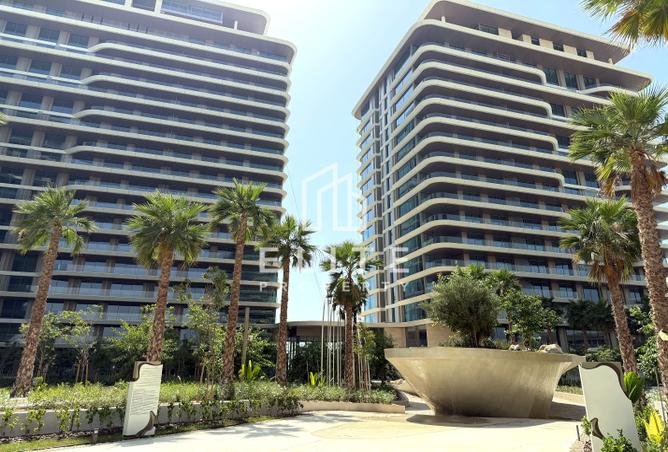
Apartment
Listed 4 weeks ago
490,000 AED/year
LUXURY PALM LIVING | FULL SEA VIEW | PREMIUM
Serenia Living Tower 1, Serenia Living, Palm Jumeirah, Dubai
2
3
1,892 sqft
-
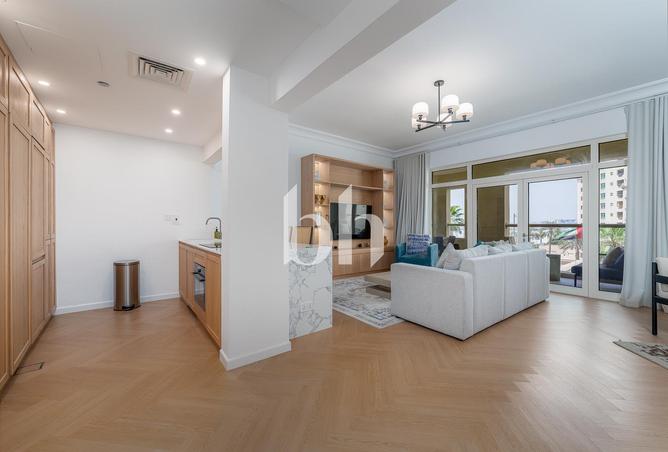
Apartment
Listed 2 months ago
230,000 AED/year
Fully Upgraded | Fully Furnished | Private Beach
Al Tamr, Shoreline Apartments, Palm Jumeirah, Dubai
2
3
1,586 sqft









Construction Scale & Materials
The project required extraordinary volumes of natural materials:
- Approximately 94 million cubic metres of sand
- Around 7 million tons of rock
- Roughly 5.7 square kilometres of reclaimed land
The breakwater itself extends nearly 11 kilometres in length and shields the island from Gulf wave action.
These figures remain consistent with official project documentation.
Design & Structural Features
Palm Jumeirah consists of:
- A central trunk
- 17 fronds
- An outer crescent functioning as a protective barrier
Two 100-metre openings were engineered into the crescent to allow tidal exchange. Without these gaps, the inner lagoons would stagnate. The tidal cycle refreshes the water approximately every 14 days.
Like most reclamation projects, the island settles naturally at approximately 2–3 centimetres per year. This geotechnical movement is fully accounted for in building design and infrastructure systems.
Infrastructure & Transport
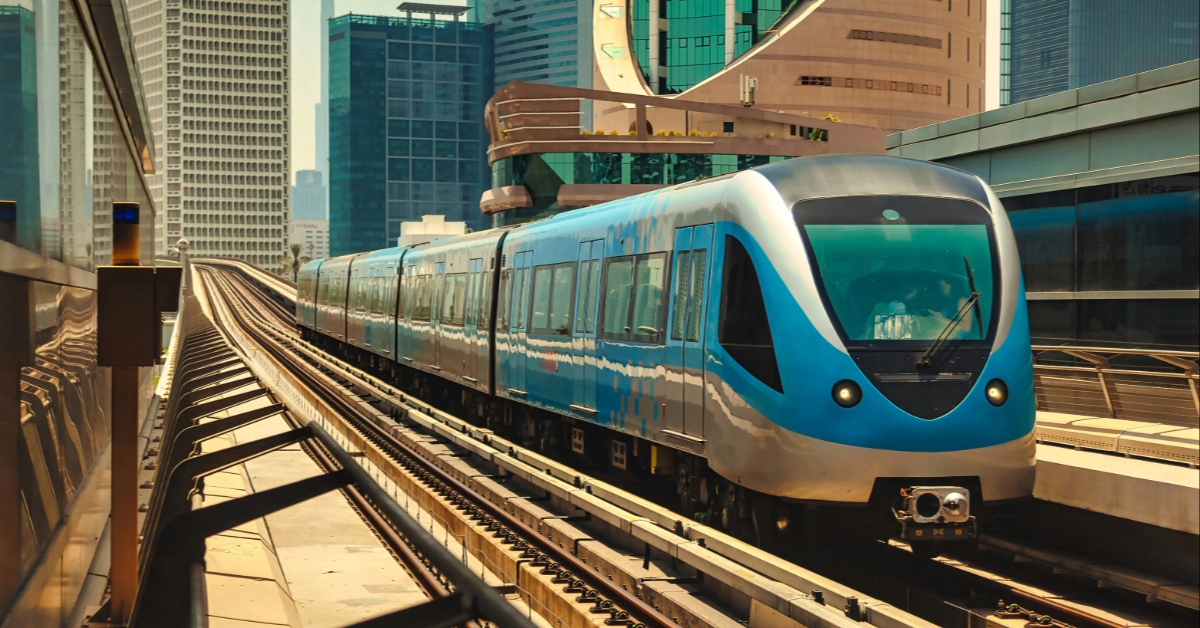
Palm Jumeirah features both underground and elevated transport systems.
A six-lane vehicular tunnel, located roughly 25 metres below sea level, connects the trunk to the crescent.
The Palm Monorail
The Palm Monorail is a 5.45 km fully automated, driverless transit system. It was the first monorail of its kind in the Middle East.
It connects:
- Gateway Station (mainland entrance)
- Al Ittihad Park
- Nakheel Mall
- The Pointe
- Atlantis Aquaventure
Current Status (February 2026):
All services remain suspended for essential station and line maintenance.
Alternative transport options currently include taxis, RTA buses, and the Dubai Tram, which connects to the Gateway station but does not extend onto the island.
Real Estate & Population
Palm Jumeirah has matured into a stable residential community.
- Over 4,000 villas and apartments
- Permanent population exceeding 25,000 residents
- Villa plots averaging around 1,400 m²
- Apartment sizes typically range from 150–800 m², with strong demand for waterfront units.
While tourism inflates daytime population figures, permanent residential figures have stabilised as the island has reached full maturity.
Over the past decade, prime villa values have increased by more than 50% in some segments. For broader performance data, review recent Dubai property market trends.
Environmental Considerations
The project required ongoing environmental management.
Measures implemented include:
- Artificial reef programs
- Engineered tidal circulation gaps
- Continuous marine ecosystem monitoring
The island slightly alters the microclimate, often registering marginally cooler temperatures than inland areas, though with higher humidity due to the surrounding water.
Economic Impact
Construction overview at a glance
- Estimated construction cost: USD 12+ billion
Excludes private villa, hotel, and commercial development - Cumulative property transactions: Tens of billions of dollars
Positions Palm Jumeirah among Dubai’s highest-value residential districts - Development status:
The only fully completed island of the original Palm trilogy
With renewed large-scale waterfront development across the emirate, interest in off-plan projects in Dubai continues to grow, particularly among long-term capital appreciation investors.
Key Takeaways
Palm Jumeirah is far more than a luxury address. It represents one of the most technically ambitious land reclamation projects ever completed. Built almost entirely from natural materials and stabilised through vibro-compaction, the island balances engineering precision with lifestyle appeal. Its environmental management systems, settlement design, and infrastructure planning continue to support long-term durability.
FAQs
The permanent population exceeds 25,000 residents, excluding peak tourism periods.
Land reclamation began in 2001. Infrastructure was largely in place by 2004, with residential handovers beginning around 2007.
The Palm Monorail is a 5.45 km fully automated transit system connecting the island’s entrance to Atlantis Aquaventure. It includes stops at Al Ittihad Park, Nakheel Mall, and The Pointe. Services are currently suspended for maintenance, effective early 2026.
Engineered tidal openings, artificial reefs, and ongoing marine monitoring were introduced to manage ecosystem impact.
No. Palm Jumeirah is the only fully completed Palm Island. Palm Jebel Ali has been relaunched but remains in a phased development stage.