



Malta, a Mediterranean island nation known for its historic architecture, coastal landscapes and centuries-old cultural heritage, has become an increasingly popular European destination for travellers departing from the UAE. Whether visiting for a summer holiday, a cultural getaway or a short business trip, understanding the Malta visa requirements for UAE residents before travelling is essential.
Visa rules for Malta depend entirely on passport nationality rather than UAE residency status. While Emirati passport holders can travel visa-free for short visits, most expatriate residents must apply for a Schengen visa before travelling.
This guide explains the visa rules for UAE residents, including who needs a visa, the types of visas available, where to apply in the UAE, and the documents required for a successful application.
- Who needs a Malta visa from the UAE?
- Types of Malta visas for UAE residents
- Where to apply for a Malta visa from the UAE
- Step-by-step Malta visa application process
- Documents required for a Malta visa from the UAE
- Malta visa travel insurance requirements for UAE residents
- Malta visa fees and processing times
- Travel tips for UAE residents visiting Malta
- Key takeaways
- FAQs
Who needs a Malta visa from the UAE?

Before booking flights or planning an itinerary, travellers should confirm whether they require a visa. Malta follows Schengen Area visa regulations, meaning eligibility depends on passport nationality.
UAE citizens
UAE passport holders do not need a visa to visit Malta for tourism, family visits or short business trips. Emirati travellers can stay in Malta and other Schengen countries for up to 90 days within any 180 days.
Even with visa-free entry, travellers may be asked to present supporting documents at immigration.
These typically include:
- A valid UAE passport
- Proof of accommodation or hotel booking
- Return or onward flight ticket
- Evidence of sufficient financial means
- Travel insurance covering the duration of the trip
Border officers may request these documents when entering Malta.
Another upcoming change affecting travel to Malta and the Schengen Area is the Entry/Exit System (EES), expected to launch in late 2025 or early 2026. This system will replace manual passport stamping for non-EU travellers.
Instead of traditional entry stamps, travellers will be registered electronically using:
- Biometric fingerprints
- Facial recognition scans
The system will record entry and exit dates automatically and help border authorities track permitted stay periods within the Schengen Area.
UAE residents holding foreign passports
Most expatriate residents living in the UAE must apply for a Schengen short-stay visa (Type C) before travelling to Malta.
This commonly applies to residents holding passports from countries such as:
- India
- Pakistan
- Philippines
- Egypt
- Jordan
- Bangladesh
- Sri Lanka
UAE residency alone does not grant visa-free entry to Europe. Entry rules are determined solely by passport nationality.
Applicants must also ensure their UAE residence visa remains valid for at least three months beyond the planned return date, as required under Schengen visa regulations.
Types of Malta visas for UAE residents
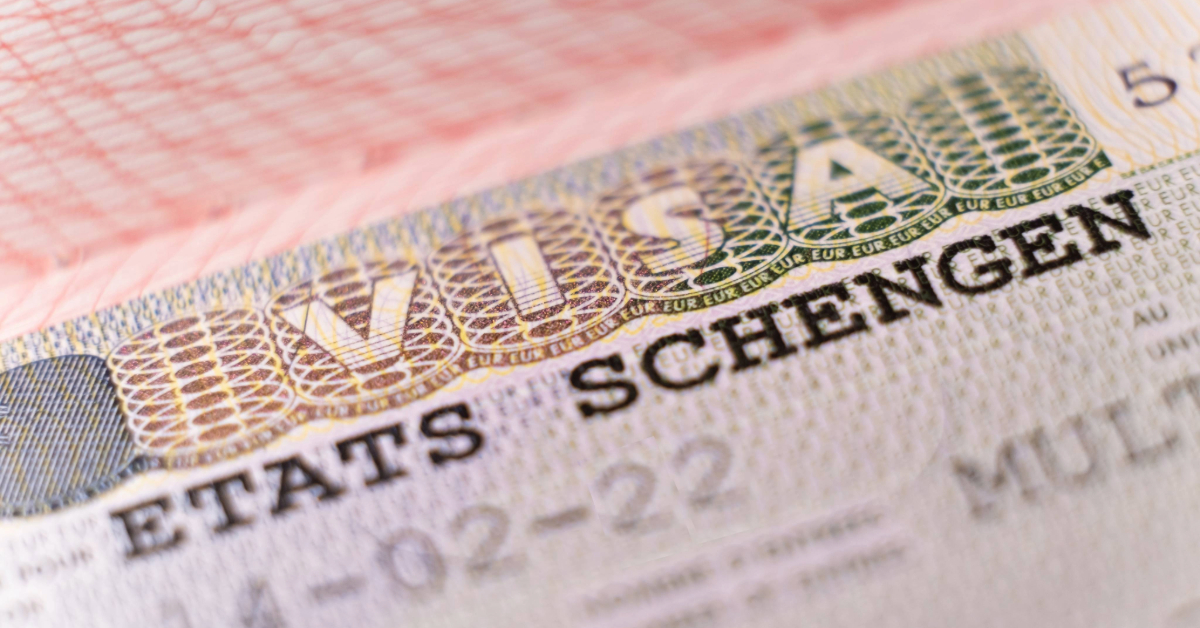
Malta offers several visa categories depending on the traveller’s purpose and duration of stay. Understanding which visa type applies to your situation can help ensure a smooth application process.
Short-stay Schengen visa (Type C)
The Schengen Type C visa is the most commonly issued visa for UAE residents travelling to Malta.
It is typically used for:
- Tourism or holidays
- Visiting friends or family
- Business meetings or conferences
- Cultural or sporting events
Key features of the visa include:
- Allows stays of up to 90 days within 180 days
- May be issued as a single-entry or multiple-entry
- Valid for travel across all Schengen countries
This means travellers can visit neighbouring European destinations during the same trip.
Long-stay visa (Type D)
Travellers planning to stay in Malta for more than 90 days must apply for a long-stay national visa, often referred to as a Type D visa.
These visas are generally required for:
- Employment opportunities
- University studies
- Family reunification
- Long-term residency programmes
Long-stay visas are governed by Maltese national immigration laws and may require additional approvals.
Airport transit visa
Some nationalities require an airport transit visa when passing through a Schengen airport on the way to another country.
Most UAE residents do not require this visa unless their nationality appears on the Schengen transit visa list.
Where to apply for a Malta visa from the UAE
Malta visa applications are submitted through VFS Global, which manages document collection and biometric data on behalf of the Maltese authorities.
Applicants must apply through the centre corresponding to the emirate listed on their Emirates ID. These centres handle appointment scheduling, document submission, biometric collection, and passport return.
VFS Global Malta – Dubai
Residents of Dubai and the Northern Emirates typically apply at the Dubai centre.
Location
Ground and First Floor, Phase 5- Horus – WAFI Mall – Umm Hurair Second – Dubai
VFS Global Malta – Abu Dhabi
Residents of Abu Dhabi and Al Ain usually submit their applications through the Abu Dhabi centre.
Location
The mall, World Trade Centre – Hamdan Bin Mohammed St – Al Danah – Zone 1 – Abu Dhabi
Step-by-step Malta visa application process

Applying for a Malta visa involves several stages. Preparing documents carefully and booking appointments early can significantly reduce delays.
Step 1 – Confirm Malta visa requirements
Travellers should first determine whether they need a visa based on their passport nationality.
- UAE passport holders – visa-free travel
- Most expatriate residents – Schengen Type C visa required
Step 2 – Book an appointment with VFS Global
Visa appointments must be scheduled online through the VFS Global portal.
During peak travel periods such as summer holidays and festive seasons, appointment slots may become limited. Booking early is strongly recommended.
Step 3 – Complete the Schengen visa application form
Applicants must complete the visa application form accurately.
Important details to verify include:
- Passport information
- Travel dates and itinerary
- Accommodation details
- Employment information
Any inconsistencies between the application form and supporting documents may delay the visa decision.
Step 4 – Prepare supporting documents
Before attending the appointment, applicants should ensure all required documents are complete and properly organised.
Step 5 – Attend the visa appointment
At the VFS Global centre, applicants will:
- Submit their application documents
- Provide biometric fingerprints
- Pay the visa and service fees
Applicants who previously submitted biometrics for a Schengen visa within the last 59 months may not need to provide fingerprints again.
Step 6 – Track the application
Applicants can track their visa status online using the reference number provided during submission.
Updates may also be sent via:
- Email notifications
- SMS alerts
Step 7 – Collect the passport
Once the Maltese authorities make a decision, applicants may either collect their passports from the VFS centre or request courier delivery.
Documents required for a Malta visa from the UAE
Submitting a complete document file is essential for visa approval. Missing or inconsistent documents are among the most common reasons for delays or refusal.
Mandatory documents
Applicants typically need to prepare the following:
- Completed Schengen visa application form
- Passport valid for at least three months beyond the return date
- UAE residence visa valid for at least three months.
- Passport photos must be 35 × 45 mm, with a white background, taken within the last 6 months. Glasses are generally not allowed in biometric visa photos. Recent passport photographs (Schengen format)
- Confirmed flight booking or itinerary
- Hotel reservation or invitation letter
- Travel insurance covering at least €30,000
- Bank statements for the last three to six months
- No Objection Certificate (NOC) from the employer printed on the company letterhead stating:
– Job title
– Monthly salary
– Approved leave dates
– Confirmation of employment
All travel documents should clearly align with the applicant’s travel plans.
Financial documents
Schengen authorities review financial stability carefully. Applicants must demonstrate that they can cover accommodation, food, transportation and other travel costs during their stay.
Most successful applications show a recommended balance of approximately AED 10,000 to AED 15,000 or more, depending on the duration of travel.
- Original bank statements stamped by the bank (last 3–6 months)
- Salary certificate or employment letter
- Credit card statements (optional supporting proof)
- Savings account statements or fixed deposits
Stamped bank statements are usually preferred for Schengen visa applications.
Documents for students
Malta Visa requirements for UAE student residents include providing:
- Enrollment confirmation from their educational institution
- No Objection Certificate from the school or university
- Financial proof from their sponsor
Documents for Minors
For applicants under 18 years old, parents must submit:
- Birth certificate
- Parental consent letters
- Copies of parents’ passports and Emirates IDs
Malta visa travel insurance requirements for UAE residents
Travel insurance is mandatory for all Schengen visa applications and must comply with strict Schengen regulations.
Minimum coverage requirements
The insurance policy must:
- Cover at least €30,000 in medical expenses
- Be valid across all 29 Schengen countries, not just Malta
- Cover the entire duration of the stay plus a buffer period
- Include the traveller’s full name, policy number, start and end dates
Incorrect or incomplete insurance policies are among the most common reasons Schengen visa applications are rejected.
Malta visa fees and processing times
Visa costs and processing timelines can vary slightly depending on nationality and seasonal demand.
Visa fees
Schengen visa fees are standardised across all Schengen countries and were updated in 2024.
- Typical costs for Malta visa applications include:
- Adults: €90 (approximately AED 360)
- Children aged 6–12: €45 (approximately AED 180)
- Children under 6: Free
In addition to the visa fee, applicants must pay a VFS Global service charge, which typically ranges from AED 120 to AED 200 per application, depending on the services selected.
Optional services may include:
- Premium lounge access
- Courier passport return
- SMS tracking notifications
- Document printing services
Visa and service fees are generally non-refundable, even if the application is refused.
Processing times
The standard processing time for Schengen visas is around 15 calendar days after submission.
However, during peak travel seasons — particularly June through September — processing times can extend to 30–45 days depending on application volume and additional document checks.
Because of this, UAE residents are strongly advised to:
- Apply at least 4 weeks before travel in normal periods
- Apply 6–8 weeks before travel during the summer and holiday seasons
Schengen regulations allow applications to be submitted up to six months before the intended travel date.
Travel tips for UAE residents visiting Malta
Planning can help ensure a smoother visa application process and travel experience.
- Apply for the visa four to six weeks before travel.
- Ensure all documents are accurate and consistent.
- Avoid booking non-refundable flights before visa approval.
- Carry copies of travel documents while travelling.
- Keep proof of accommodation and travel insurance available during entry checks.
Key Takeaways
- UAE citizens can visit Malta visa-free for stays of up to 90 days within the Schengen Area. Whereas most expatriate UAE residents must apply for a Schengen Type C visa before travelling.
- Applications are submitted through VFS Global centres in Dubai or Abu Dhabi and require a complete document file including passport copies, bank statements, employment letters and travel insurance.
- Visa processing typically takes around 10 to 15 working days, and travellers are encouraged to apply well in advance of their trip.
- From late 2026, travellers who currently enjoy visa-free entry — including UAE citizens — will need to apply for ETIAS (European Travel Information and Authorisation System) before entering the Schengen Area. ETIAS is not a visa, but a digital travel authorisation similar to the US ESTA system.
- The European Commission has announced that once ETIAS launches, a six-month transitional period will apply, meaning full enforcement may begin gradually in 2027.
FAQs
No. UAE passport holders can travel to Malta visa-free for stays of up to 90 days.
Most expatriate residents must apply for a Schengen visa depending on their passport nationality.
Processing usually takes 10–15 working days, although it may take longer during peak travel periods.
Yes. Schengen visa applications require insurance covering at least €30,000 in medical expenses.
Yes. A Schengen visa issued by Malta allows travel to other Schengen countries, provided Malta is the main destination.