



Moving from the UK to Abu Dhabi is a major lifestyle shift, not just a change of address. For many expats, the move is driven by career opportunities, tax-free income, better weather or a higher standard of living. Others relocate for family reasons or to take advantage of the UAE’s growing business and professional sectors.
At the same time, relocating to Abu Dhabi comes with adjustments that many first-time expats underestimate. Rent is often paid upfront in large installments, school fees can be expensive, and summer utility bills are far higher than what most UK residents are used to. Daily life also feels different, from the working week and driving culture to the pace of social life and housing setups.
Before relocating, it helps to understand how visas, housing, schools and long-term finances work in practice.
- Visa and Residency Rules for UK Citizens
- Cost of Living in Abu Dhabi
- Renting a Home and Upfront Housing Costs
- Schools and Education for Families
- Banking, Taxes and Managing Money
- Shipping Household Goods from the UK
- Daily Life and Cultural Differences
- Long-Term Financial Planning Before Moving
- Key Takeaways
- FAQs
Visa and Residency Rules for UK Citizens

British citizens travelling to Abu Dhabi can usually enter the UAE with a visa on arrival. However, long-term relocation requires residency sponsorship through employment, investment or approved remote work programmes.
Entry Rules for UK Passport Holders
UK passport holders can normally stay in the UAE for up to 90 days within a 180-day period without applying for a visa in advance. Your passport generally needs to be valid for at least 6 months from the date of entry.
This arrangement works well for short visits, scouting trips or temporary stays, but it does not allow long-term residence or employment.
Work Visas and Remote Work Options
Most expats moving permanently to Abu Dhabi relocate through employer sponsorship. In these cases, the employer usually handles most of the visa process, including work permits and Emirates ID applications.
Remote work and digital nomad visa options have also become more common in recent years. These programmes allow foreign professionals to live legally in Abu Dhabi while working remotely for overseas employers.
The requirements vary depending on salary level, proof of employment, and health insurance coverage.
Documents Usually Required
The paperwork process is usually straightforward but can still take time, especially during busy periods.
Commonly requested documents include:
- Passport with minimum validity requirements
- Employment contract or sponsorship documents
- Medical test results for residency approval
- Bank statements or proof of income
- School documents for dependants if applicable
Depending on the visa type, additional attestation or legalisation of UK documents may also be required before arrival.
Cost of Living in Abu Dhabi
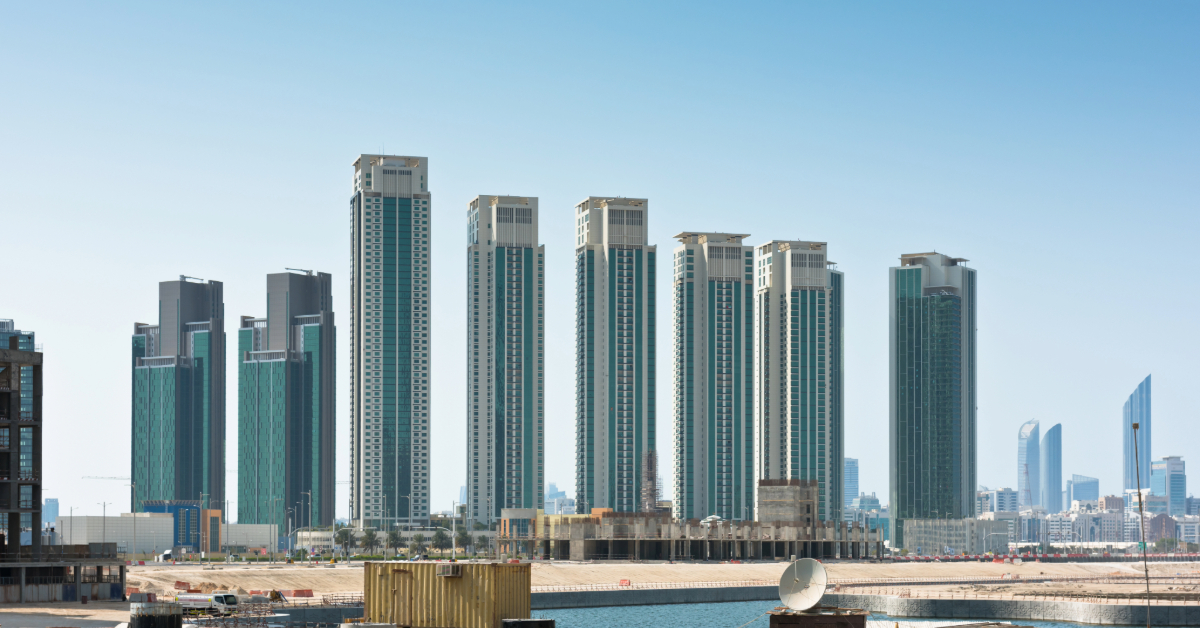
The cost of living in Abu Dhabi varies heavily depending on housing, schooling and lifestyle choices. While the absence of income tax is a major advantage, many expats find that accommodation, education and entertainment costs offset part of the financial benefit.
Compared to many UK cities, groceries and fuel can feel reasonable, but imported products, private schooling, and premium lifestyles quickly become expensive.
Monthly Living Costs
For a single professional living comfortably, monthly living expenses outside rent can still be substantial.
| Expense Type | Typical Monthly Cost | Notes |
|---|---|---|
| Utilities & Internet | AED 600–800+ | Higher during summer because of AC usage |
| Groceries | AED 1,200–1,800 | Imported UK goods cost significantly more |
| Transport | AED 400–800 | Depends on car ownership and commuting |
| Socialising & Dining | AED 1,000–2,500 | Brunches and premium dining add up quickly |
Many newcomers underestimate how quickly dining out, imported goods and entertainment affect monthly budgets. Summer electricity bills can rise sharply because of constant air conditioning use.
Renting a Home and Upfront Housing Costs

Housing is usually the biggest expense when moving to Abu Dhabi. Unlike the UK rental market, landlords in Abu Dhabi often expect rent payments in one, two or four large instalments rather than monthly payments.
This creates a much larger upfront financial commitment during the first year.
Popular Areas for UK Expats
Different areas suit different lifestyles and budgets.
| Area | Typical Annual Rent (1-Bed Apartment) | Area Profile |
|---|---|---|
| Al Reem Island | AED 75,000–103,000 | Waterfront living with modern towers |
| Al Raha Beach | AED 55,000–95,000+ | Beachfront lifestyle and newer developments |
| Khalifa City | AED 40,000–55,000 | More suburban and family-oriented |
Al Reem Island is popular for modern apartment living, while suburban areas such as Khalifa City appeal more to families looking for larger homes.
Explore the Available Apartments for Rent in Al Reem Island
-

Apartment
Listed 1 day ago
114,999 AED/year
2+Study I Viewing Ready | Luxury Living Style
The Gate Tower 3, Shams Abu Dhabi, Al Reem Island, Abu Dhabi
2
2
1,156 sqft
-


Apartment
Listed 2 weeks ago
85,000 AED/year
1BR Spacious and Bright Living | Ready to Move In
Sun Tower, Shams Abu Dhabi, Al Reem Island, Abu Dhabi
1
2
792 sqft
-
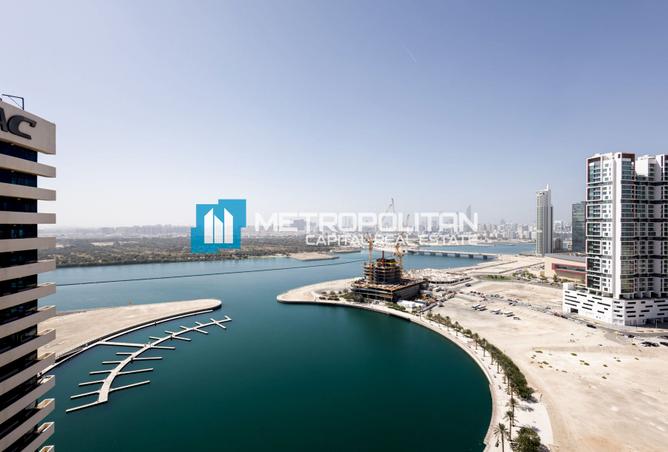
Apartment
Listed 1 week ago
160,000 AED/year
3BR with Maids | Marina View | Ready to Move In
The Wave, Najmat Abu Dhabi, Al Reem Island, Abu Dhabi
3
4
1,923 sqft
-

Apartment
Listed 2 weeks ago
85,000 AED/year
Sea View | Modern 1BR Unit | Vacant Apartment
The Wave, Najmat Abu Dhabi, Al Reem Island, Abu Dhabi
1
2
814 sqft
-
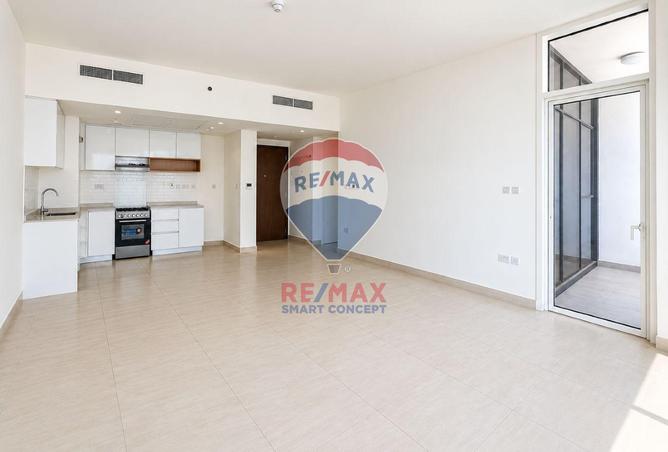
Apartment
Listed 1 day ago
78,000 AED/year
Partial Sea View | Vacant 1BR High Floor | Al Reem
The Bridges, Shams Abu Dhabi, Al Reem Island, Abu Dhabi
1
1
678 sqft
-

Apartment
Listed 17 hours ago
76,000 AED/year
HOT DEAL | 1BR | Iconic Views | Best Price!
Marina Blue Tower, Marina Square, Al Reem Island, Abu Dhabi
1
2
926 sqft
-
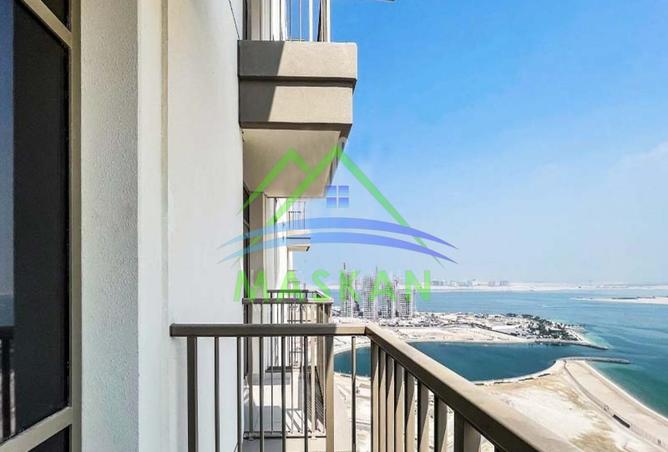
Apartment
Listed 19 hours ago
105,000 AED/year
Great Price| Stunning Water View | Prime Location!
Reflection, Shams Abu Dhabi, Al Reem Island, Abu Dhabi
2
2
1,108 sqft
-
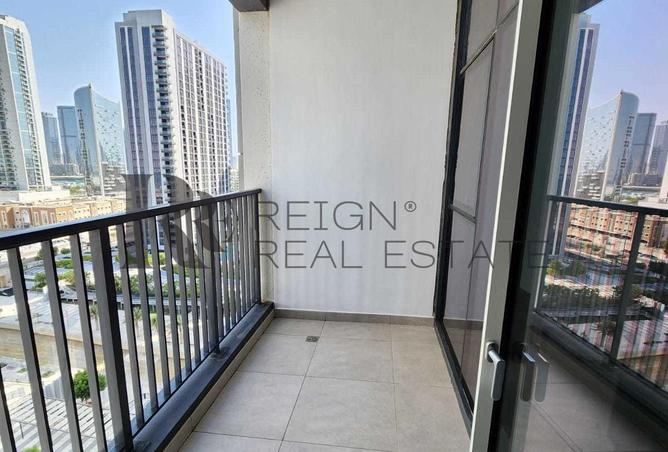
Apartment
Listed 3 weeks ago
78,999 AED/year
VACATING SOON 1BR APT POOL VIEW BOOK NOW
The Bridges, Shams Abu Dhabi, Al Reem Island, Abu Dhabi
1
1
672 sqft
-

Apartment
Listed 3 weeks ago
100,000 AED/year
Vacant | High Floor | Hottest Rental Price !!!
Marina Heights 2, Marina Square, Al Reem Island, Abu Dhabi
2
3
1,108 sqft
-
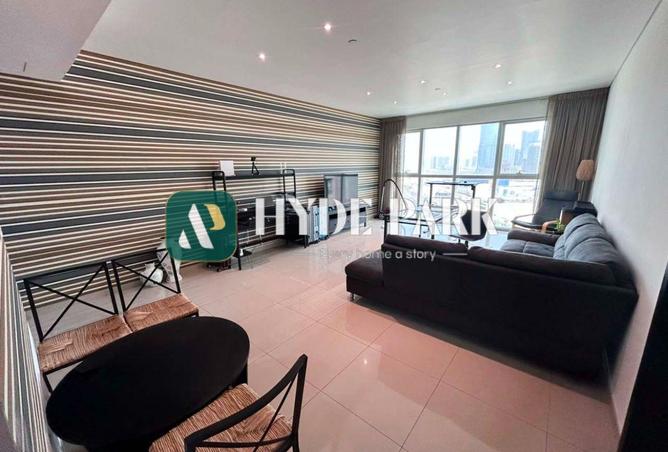
Apartment
Listed 7 days ago
120,000 AED/year
Fully Furnished | Community & City Views | Vacant
RAK Tower, Marina Square, Al Reem Island, Abu Dhabi
1
2
1,001 sqft








Upfront Costs to Expect
Rent is only part of the financial picture.
New tenants may also need to pay:
- Security deposit (typically around 5% of annual rent)
- Agency commission
- Tawtheeq registration fees
- Utility connection deposits
- Initial furnishing costs if renting unfurnished
Because of these upfront expenses, many expats arrive with several months of savings before relocating.
Schools and Education for Families
For families relocating from the UK, schooling is often one of the biggest factors in their decision.
Abu Dhabi has a large number of international schools offering British, IB, American, French and Indian curricula. British schools remain particularly popular with UK families because they provide familiar academic structures such as IGCSEs and A-Levels.
School Fees in Abu Dhabi
School fees vary significantly depending on reputation, curriculum and facilities.
| Education Stage | Typical Annual Fees |
|---|---|
| Foundation & Kindergarten | AED 25,000–60,000 |
| Primary Years | AED 35,000–75,000 |
| Secondary / IB / A-Levels | AED 65,000–110,000+ |
Premium schools can become extremely expensive, particularly for families with multiple children.
In addition to tuition, many schools charge separately for:
- Registration fees
- Uniforms
- School transport
- Textbooks
- Exam fees
- Extracurricular activities
These additional expenses can increase the total education budget by 15–25% beyond headline tuition fees.
School Availability and Admissions
Some of the more established schools have waiting lists, particularly for popular year groups.
Many families begin school applications months before relocating, especially for popular schools.
Banking, Taxes and Managing Money
The UAE banking system is modern and relatively easy to navigate once residency paperwork is complete.
Opening a Bank Account
Most banks require:
- Emirates ID
- Residence visa
- Salary certificate or employment proof
- Proof of address
Popular local banks include FAB, ADCB, Emirates NBD and Mashreq.
New arrivals without full residency documentation may initially face stricter requirements or higher minimum-balance requirements.
Taxes and Financial Considerations
One of the biggest advantages for UK expats is the absence of personal income tax in the UAE.
However, that does not mean living in Abu Dhabi is entirely tax-free.
Residents still pay:
- 5% VAT on most goods and services
- Excise taxes on selected products
- Customs duties on certain imported items
UK citizens may also continue to have UK tax obligations depending on residency status, property ownership or UK-based income.
Shipping Household Goods from the UK

Many expats relocate with household furniture, personal belongings or partial home shipments.
Used personal goods are generally imported duty-free if you hold a valid UAE residence visa and meet customs requirements.
Shipping Methods and Timelines
| Shipping Method | Typical Transit Time | Estimated Cost |
|---|---|---|
| Sea Freight (20ft Container) | 5–7 weeks | £3,900–£4,900 |
| Shared Container / Groupage | 6–10 weeks | Charged by volume |
| Air Freight | 3–7 days | Significantly more expensive |
Air freight is usually reserved for urgent items because of the cost difference.
Sea freight remains the most common option for full relocations, although delivery timelines can vary depending on customs clearance and inland transport.
Daily Life and Cultural Differences
Adjusting to life in Abu Dhabi usually takes time, even for experienced expats.
The city is generally quieter and more family-oriented than Dubai, with a stronger focus on residential communities, malls, schools and compound-style living.
Housing and Lifestyle Differences
Many expats in Abu Dhabi live in gated compounds or high-rise communities with facilities such as gyms, pools and security.
Compared to the UK, homes are often newer and more spacious, particularly outside central districts. At the same time, daily life becomes much more car-dependent, especially for families.
The climate also changes routines significantly. During summer, much of daily life shifts indoors because of the heat.
Work Culture and Social Life
The UAE working week usually runs from Monday to Friday, although working hours and expectations vary heavily by industry.
Some sectors maintain longer working days than those many UK employees are used to.
Long-Term Financial Planning Before Moving
Many UK expats focus heavily on salary when evaluating relocation packages, but long-term financial planning matters just as much.
Housing, schooling and upfront relocation expenses can quickly reduce the initial financial advantage of a tax-free salary.
Salary Packages and Allowances
Some employers still provide relocation benefits such as:
- Housing allowances
- Education support
- Transport allowances
- Health insurance
- Annual flights home
These benefits can make a major difference to overall affordability.
Planning Beyond the First Year
It also helps to think beyond the initial relocation period.
- Questions worth considering include:
- Will visa renewal remain stable long-term?
- Is private schooling financially sustainable?
- Are you planning to rent or eventually buy property?
- How much emergency savings should you maintain?
- What happens if employment changes suddenly?
The first year is usually the most expensive because of relocation and setup costs..
Key Takeaways
Moving to Abu Dhabi from the UK can offer significant financial and lifestyle benefits, particularly for professionals relocating on strong employment packages. However, the move also comes with significant upfront expenses, especially for housing, schooling and relocation logistics. UK expats should plan carefully for visa requirements, rental structures, education costs and long-term financial commitments before relocating. While the absence of income tax remains attractive, realistic budgeting and advance planning usually determine whether the move proves financially successful in the long term.
FAQs
UK citizens can enter the UAE without applying in advance for short stays, but long-term residence requires an approved residency visa.
Housing and schooling can be expensive, particularly for families, although tax-free salaries may offset some costs depending on lifestyle.
Yes. Foreigners can purchase property in designated freehold areas within Abu Dhabi.
Rent and school fees are usually the largest ongoing expenses for families relocating from the UK.
Many expat families choose Abu Dhabi for its safety, modern infrastructure, international schools, and quieter residential lifestyle compared to larger cities.