



Abu Dhabi continues to invest in long-term transport infrastructure to ease congestion and support sustainable growth. One of the most anticipated projects is the Abu Dhabi Tram, also referred to as Tram Line 4 or the Abu Dhabi Light Rail Project, which is designed to connect Yas Island with Zayed International Airport and, in later phases, other parts of the capital.
- What is the Abu Dhabi Tram project?
- Abu Dhabi tram routes and phases
- Timings and service frequency
- Ticket prices and payment systems
- Launch timeline and construction milestones
- What the tram means for residents and neighbourhoods
- How the Abu Dhabi Tram fits into the wider transport network
- Key takeaways
- FAQs
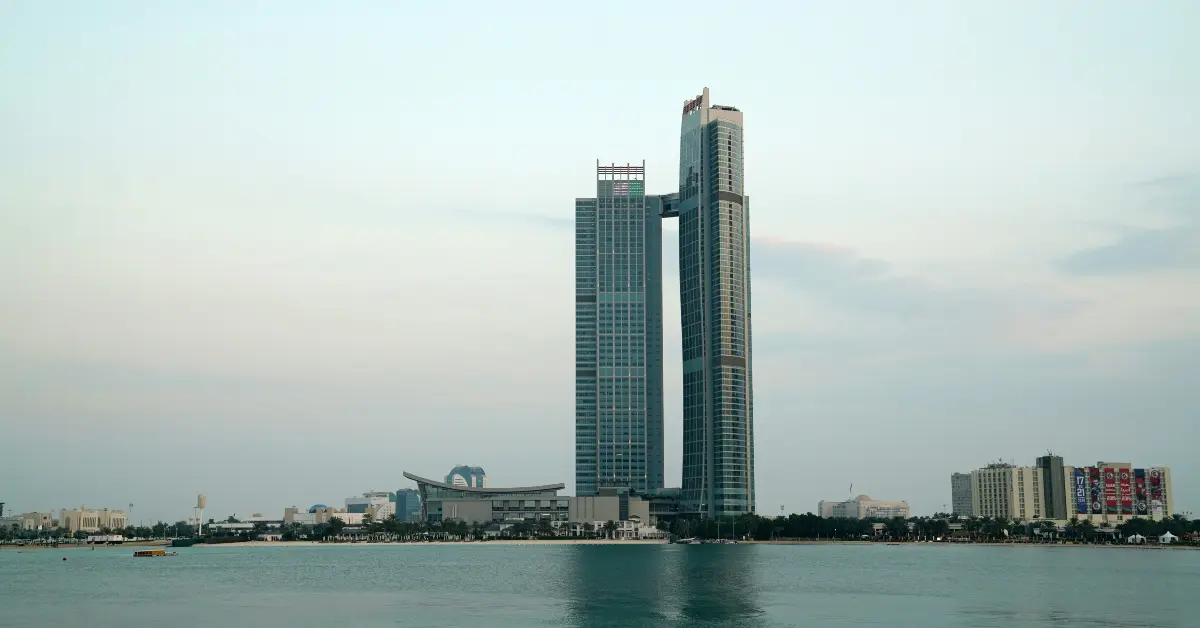
What is the Abu Dhabi Tram project?
The Abu Dhabi Tram is a multi-phase light rail network led by the Abu Dhabi Transport Company and approved by the Department of Municipalities and Transport. The whole masterplan covers approximately 33 kilometres across three phases, with Phase 1 focused on Yas Island and the airport corridor.
The system is designed to operate at speeds of up to 100 km/h, with an estimated capacity of over 6,600 passengers per hour in peak conditions. A central depot is planned near the Etihad Airways headquarters to enable operational integration with other transport modes, including Etihad Rail.
The broader objective is to reduce reliance on private cars, improve access to tourism zones, and support Abu Dhabi’s long-term sustainability targets.
Abu Dhabi tram routes and phases
The initial focus of the Abu Dhabi Tram is on areas with high visitor volumes and growing residential communities, particularly around Yas Island and Al Raha Beach. The new tram route starts with a Yas Island–airport corridor, then expands in later phases towards central residential districts.
Abu Dhabi tram phase 1 is often referred to as the Red Line. It is planned to span roughly 20 kilometres, running from Yas Gateway Park to Zayed International Airport and linking several major destinations along the corridor.
Key planned stops include Ferrari World, Yas Marina Circuit, Yas Bay, Al Raha Mall, Etihad Plaza, and the airport terminals. This corridor is expected to serve both daily commuters and visitors travelling between entertainment districts and the airport.
Explore the Best Apartments for Sale in Yas Island
-
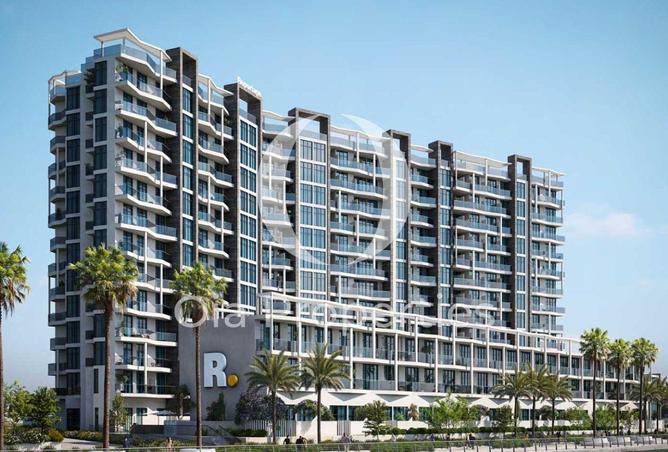
Apartment
Listed 2 days ago
1,199,999 AED
Luxury Studio | Smart Investment | Yas Island
Perla 3, Yas Bay, Yas Island, Abu Dhabi
studio
1
371 sqft
-

Apartment
Listed 1 week ago
1,900,000 AED
Elite 1BR | High End Comfort | Premium Address
Views B, Yas Golf Collection, Yas Island, Abu Dhabi
1
2
886 sqft
-
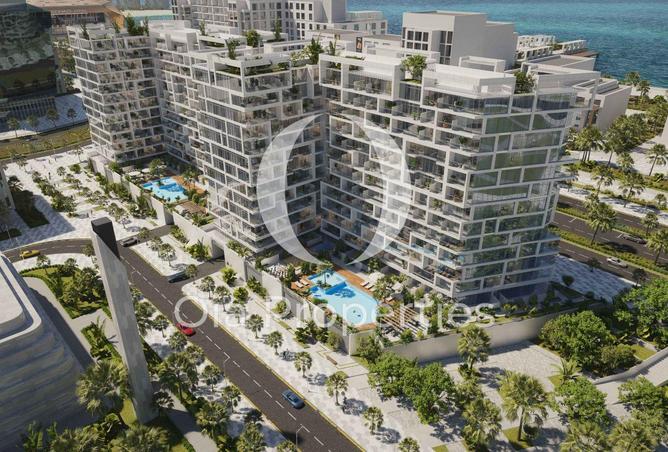
Apartment
Listed 15 hours ago
1,199,999 AED
Exclusive 1BR | Poolside Views | Elegant Community
Diva, Yas Island, Abu Dhabi
1
2
613 sqft
-
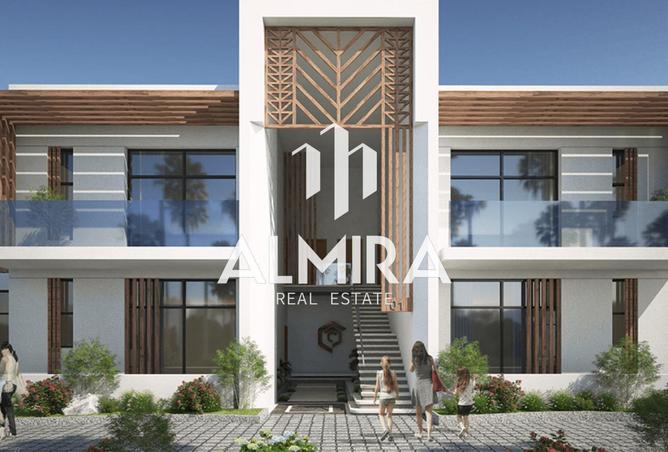
Apartment
Listed 3 weeks ago
3,100,000 AED
Near The Parking | 3BR+Maid Apt | Ready Soon
The Sustainable City - Yas Island, Yas Island, Abu Dhabi
3
5
1,555 sqft
-
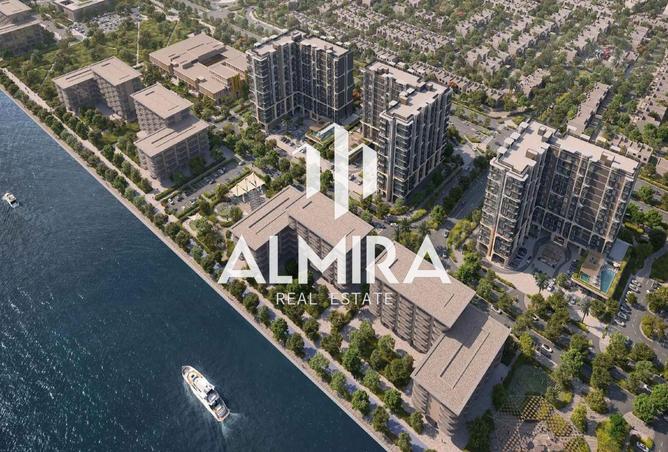
Apartment
Listed 1 week ago
1,100,000 AED
Modern Studio | Cozy Layout | Premium Amenities
Yas Living, Yas Island, Abu Dhabi
studio
1
340 sqft
-
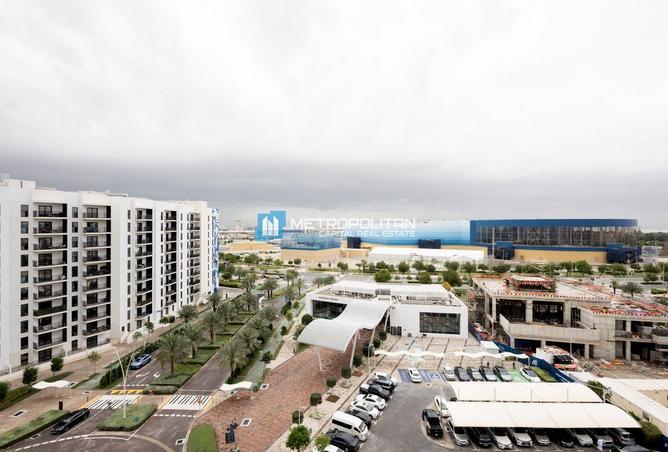
Apartment
Listed 1 week ago
1,500,000 AED
Hot Deal | Furnished 1 Bedroom | High Floor
Waters Edge, Yas Island, Abu Dhabi
1
1
683 sqft
-
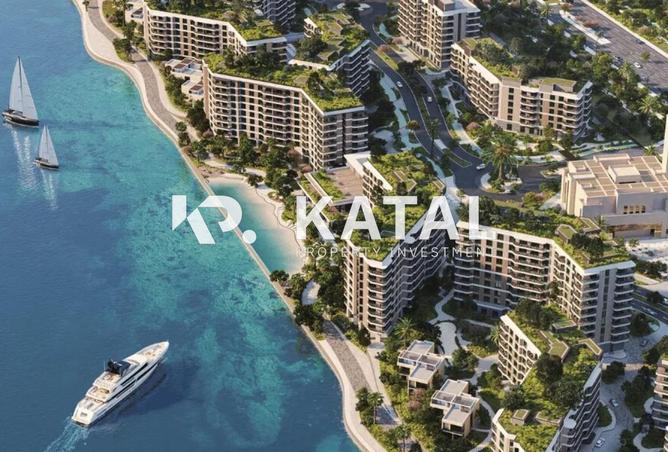
Apartment
Listed 2 weeks ago
1,200,000 AED
Studio w/ Balcony | Open View | Prime Investment
Gardenia Bay, Yas Island, Abu Dhabi
studio
1
482 sqft
-
Apartment
Listed 2 days ago
1,650,000 AED
Very Low Premium | Yas Future Living | Smart Buy
Gardenia Bay, Yas Island, Abu Dhabi
1
2
937 sqft
-
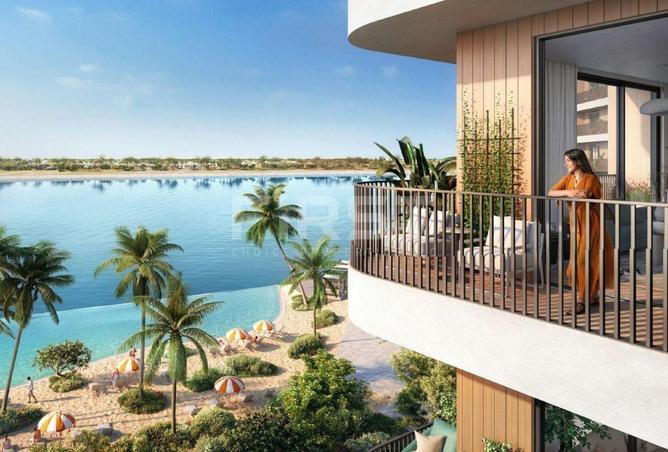
Apartment
Listed 2 days ago
1,750,000 AED
Full Canal View | High Floor | Hottest Deal!!
Gardenia Bay, Yas Island, Abu Dhabi
1
2
805 sqft
-
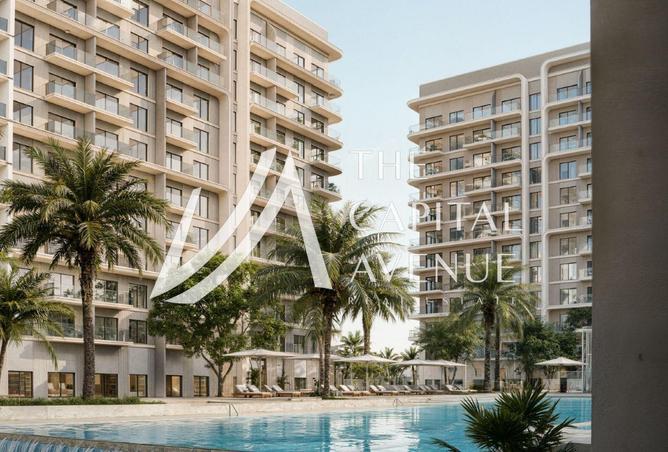
Apartment
Listed 2 days ago
1,493,191 AED
ORIGINAL PRICE | Warner Bros View | Balcony
Yas Riva Residences, Yas Island, Abu Dhabi
studio
1
504 sqft









Future expansion phases
Later phases extend the network beyond Yas Island as follows:
- Phase 2A (Green Line): Extension towards Reem Island and Khalifa City
Phase 2A is planned to extend the corridor beyond Yas Island, connecting towards Reem Island and Khalifa City.
- Phase 2B (Blue Line): Yas Island loop
Phase 2B is planned as a Yas Island loop, serving communities such as Noya, Yas Acres West, Yas, and Ansam, before reconnecting near Yas Waterworld.
Some concept maps include potential links to future developments, such as large-scale entertainment destinations. These elements remain unconfirmed and subject to official announcements.
Timings and service frequency
As of today, Abu Dhabi tram timings are not available, as the project has not yet entered the operational phase.
Planning documents indicate an expected frequency of around every five minutes once operations begin. Final schedules, operating hours, and peak service patterns will only be confirmed closer to launch.
Ticket prices and payment systems
Abu Dhabi tram ticket prices have not yet been announced, as the system is still in the planning and construction stage. Fare structures are expected to be released closer to the operational launch.
Public statements around the project suggest the tram is expected to integrate with existing public transport systems, supporting smoother transfers between modes once operational. This approach mirrors Abu Dhabi’s broader strategy of unified mobility planning.
Launch timeline and construction milestones
The current published timeline outlines a phased delivery approach:
- 2025: Masterplanning and detailed design completed
- 2026: Civil works and station construction expected to begin
- 2028: Major structures for Phase 1 completed, with tram vehicles installed
- 2030: Targeted operational launch for Phase 1, followed by phased extensions
The project was formally announced at a global rail industry event in late 2025 and has since been referenced in multiple official and industry sources.
What the tram means for residents and neighbourhoods
Large-scale transport infrastructure often reshapes how people choose where to live. Areas with reliable public transport links typically see changes in commuting behaviour, rental demand, and long-term planning decisions.
Over time, projects like the Abu Dhabi Tram may influence how communities around Yas Island, Al Raha Beach, and nearby residential districts evolve.
How the Abu Dhabi Tram fits into the wider transport network

The tram isn’t being planned as a standalone project. It’s meant to sit alongside buses, taxis, and future rail connections as Abu Dhabi builds a more connected public transport network.
Planning material describes an electric tram system designed to reduce reliance on private cars, featuring high-capacity stations that efficiently handle large passenger volumes.
The tram is planned to complement existing transport modes, rather than operate in isolation. Integration with Abu Dhabi’s bus network and licensed taxi services is expected to support smoother transfers between districts, particularly for airport access and high-traffic corridors.
The system is also designed to align with the upcoming Etihad Rail passenger service, which has been announced separately and is expected to link Abu Dhabi and Dubai once operational, strengthening inter-emirate connectivity.
Alongside large-scale rail projects, Abu Dhabi authorities have referenced parallel mobility pilots, including Urbanloop personal rapid transit (PRT) pods planned for trial use on Reem Island. These small-capacity, climate-adapted systems are not part of the tram network itself. But they reflect more exhaustive experimentation with flexible transport solutions across the city.
Early concept visuals have also shown potential tram access to future entertainment districts, including a possible loop serving Disneyland Abu Dhabi. These references remain unconfirmed and subject to official approvals, but they indicate how the tram corridor could be adapted to support major tourism destinations if required.
Together, these initiatives position the Abu Dhabi Tram as one component of a layered transport network, supporting everyday commuting, airport connectivity, and long-term urban growth.
Key takeaways
The Abu Dhabi Tram Line 4 is a planned multi-phase light rail network designed to connect Yas Island with Zayed International Airport and, in later stages, residential districts such as Reem Island and Khalifa City. Phase 1 is expected to span around 20 kilometres, with trams running at high frequency once operational, although timings and ticket prices have not yet been confirmed. Construction is scheduled to begin in 2026, with an anticipated launch around 2030. When complete, the tram is expected to support tourism, reduce road congestion, and integrate with wider transport systems, including Etihad Rail.
FAQs
The project has been officially announced and approved, but timelines, pricing, and final station layouts remain subject to change until construction progresses.
Phase 1 focuses on Yas Island and Zayed International Airport, including major attractions and commercial zones.
Early project briefings have referenced a target headway of around five minutes once operations begin, although final timetables are expected to be finalised closer to launch.
No. Fare details will be released closer to the start of operations.
Yes. The tram is planned to integrate with buses, taxis, and Etihad Rail as part of Abu Dhabi’s broader mobility strategy.