



Bur Dubai Temple sits at the heart of one of Dubai’s oldest districts, offering a glimpse into the city’s multicultural roots. Located near the Old Souk, the temple has served as a spiritual centre for decades, particularly for the Hindu community.
Today, Bur Dubai Temple is best known for the Krishna Temple (Shree Krishna Haveli), which continues to operate in its original location, while other shrines have moved to the newer temple complex in Jebel Ali. It remains a significant cultural landmark for both residents and visitors exploring Al Fahidi and Bur Dubai.
- Key facts and overview
- Location and how to get there
- Temple timings and ceremonies
- History and heritage
- Architecture and design
- Relocation updates
- Visitor tips
- Best time to visit
- Key takeaways
- FAQs
Key facts and overview
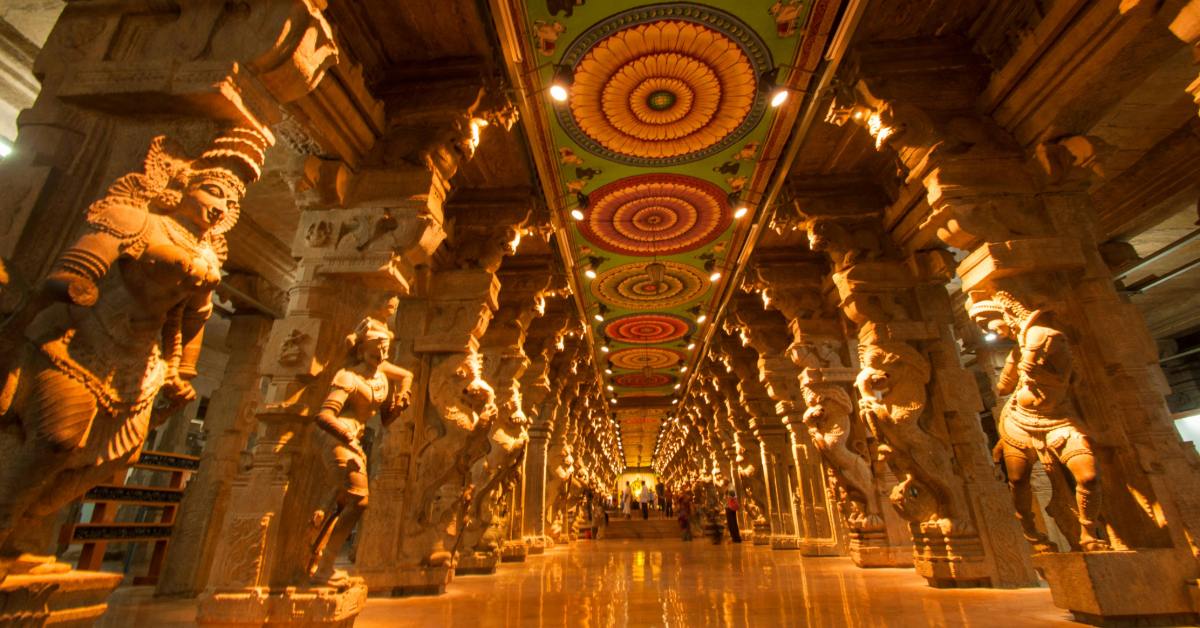
This Temple refers to a historic group of Hindu and Jain temples located in Bur Dubai, within the Old Souk area, one of the most culturally rich parts of Dubai. The Temple has long been associated with religious diversity and community life in the city.
Key facts:
- Main active temple: Shree Krishna Haveli
- Established: 1958
- Type: Historic temple complex
While the original complex once included multiple shrines, today Bur Dubai Temple primarily refers to the Krishna Temple that remains active in Bur Dubai, continuing its long-standing role within the community.
Explore the Available Properties for Rent in Bur Dubai
-
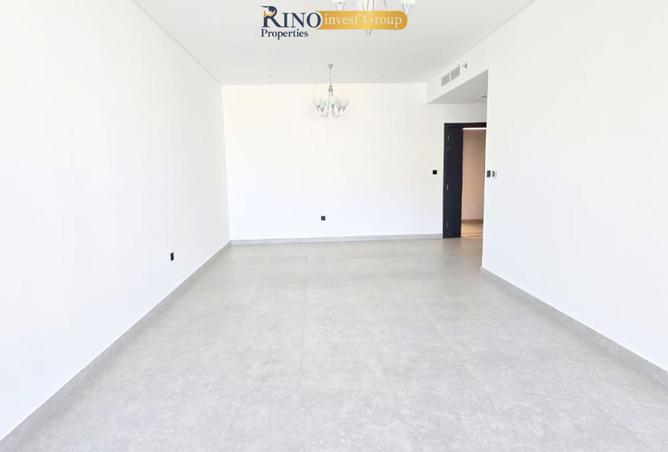

Apartment
Listed 1 day ago
150,000 AED/year
Huge Layout 2BHK | Near Metro | Multiple Option
THE PEARL, Umm Hurair 2, Umm Hurair, Bur Dubai, Dubai
2
4
1,523 sqft
-
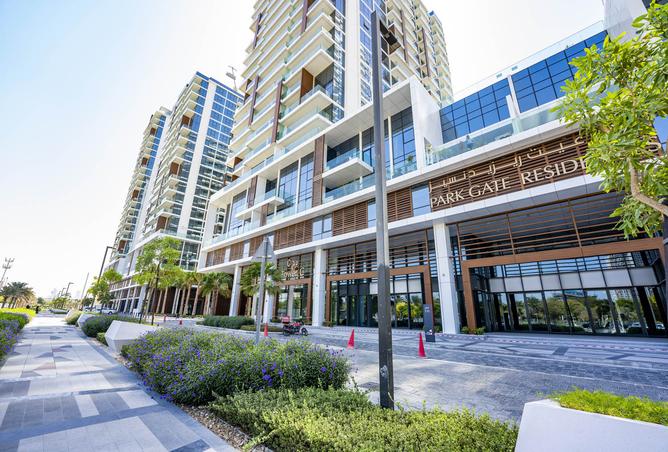

Apartment
Listed 2 weeks ago
135,000 AED/year
Spacious 2-Bedroom | Pet-Friendly | Prime Location
Park Gate Residences, Al Kifaf, Bur Dubai, Dubai
2
3
1,634 sqft
-


Apartment
Listed 2 weeks ago
90,000 AED/year
Spacious Unit | High Floor 1BR | Al Kifaf
1 Residences - 1, 1 Residences, Al Kifaf, Bur Dubai, Dubai
1
2
945 sqft
-
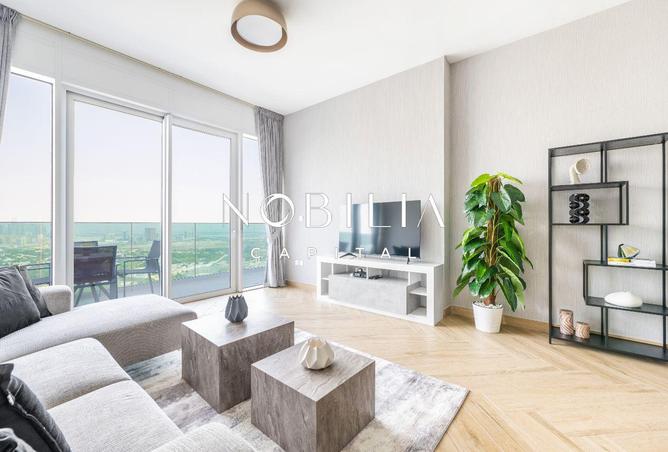

Apartment
Listed 6 days ago
175,000 AED/year
Bespoke Interiors | Highest Floor | Park View
1 Residences - 1, 1 Residences, Al Kifaf, Bur Dubai, Dubai
2
3
1,494 sqft
-
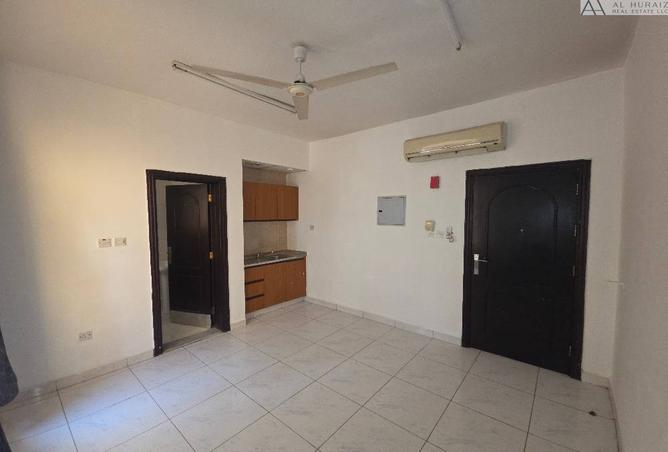

Apartment
Listed 2 weeks ago
32,000 AED/year
GOOD APARTMENT AVAILABLE FOR RENT
Al Souk Al Kabeer Street, Al Souk Al Kabeer, Bur Dubai, Dubai
studio
1
149 sqft
-
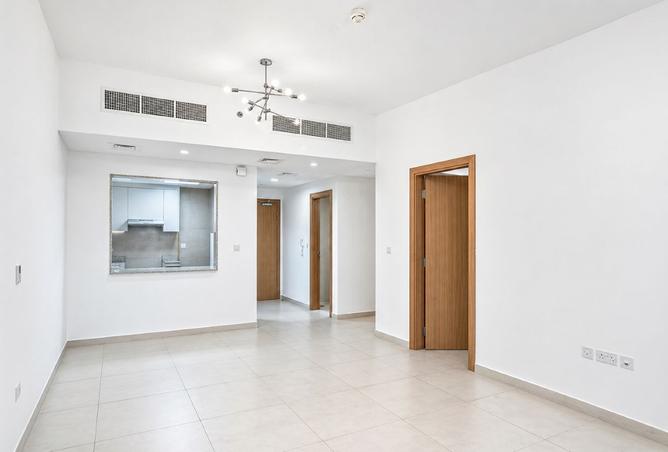

Apartment
Listed 1 month ago
105,000 AED/year
2BHK|1 Month Free|Pool|Gym|Balcony|Oud Metha
Al Nasr Square Block D, Al Nasr Square, Oud Metha, Bur Dubai, Dubai
2
3
1,234 sqft
-
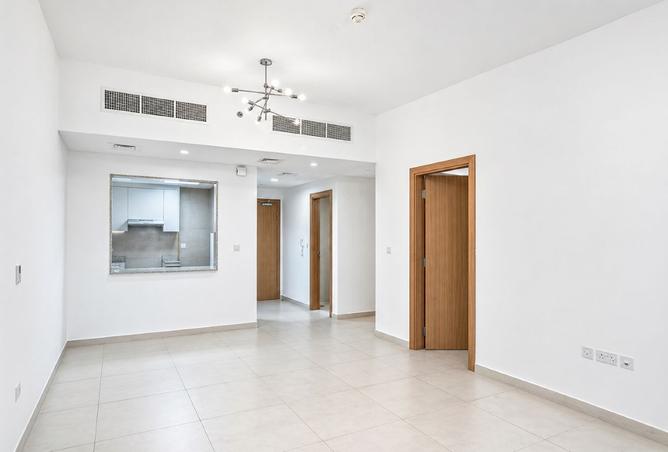
Apartment
Listed 1 month ago
135,000 AED/year
3BHK | 1 Month Free | Gym | Pool | Oud Metha
Al Nasr Square Block A, Al Nasr Square, Oud Metha, Bur Dubai, Dubai
3
4
1,521 sqft
-
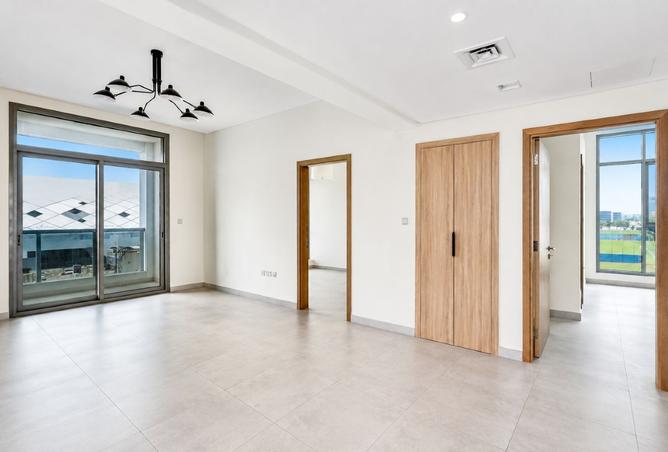
Apartment
Listed 1 month ago
100,000 AED/year
2BHK | 1 Month Free | Gym | Pool | Oud Metha
Al Nasr Central Building, Oud Metha, Bur Dubai, Dubai
2
2
963 sqft
-
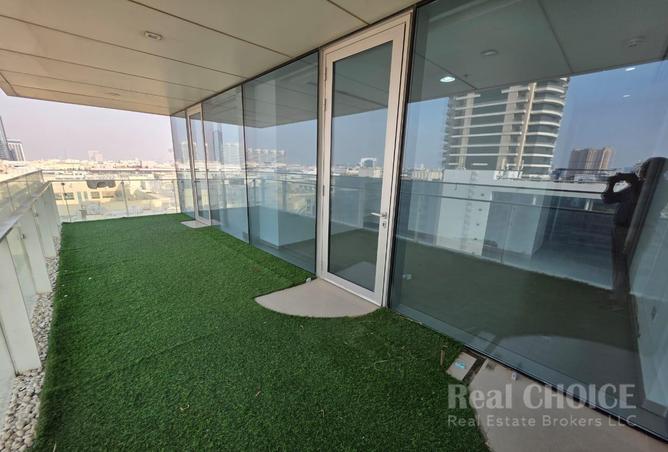

Apartment
Listed 2 months ago
125,000 AED/year
Modern 3-BR | Luxury Amenities | Family building
M Residences, Al Mankhool, Bur Dubai, Dubai
3
5
1,573 sqft
-

Apartment
Listed 2 months ago
95,000 AED/year
2 BHK | Balcony | 1 Month Free | Oud Metha
Al Menhali Building, Oud Metha, Bur Dubai, Dubai
2
3
1,100 sqft
Location and how to get there
It is located in Al Fahidi, Bur Dubai, close to traditional markets and heritage attractions such as the Dubai Museum and Bur Dubai Souk. The central setting of the temple makes it easily accessible for visitors exploring older districts of Dubai.
Check out the full guide to the Most Searched Dubai Museums.
By metro
The nearest station to the temple is Al Fahidi Metro Station on the Green Line. From there, it is a short walk through the Old Souk area.
By bus
Several RTA bus routes serve Bur Dubai, with stops located within walking distance of the temple.
By car
It is located at 51a 5b Street in Al Fahidi, Bur Dubai. Parking around Bur Dubai Temple is limited, so public parking or metro access is recommended.
Temple timings and ceremonies
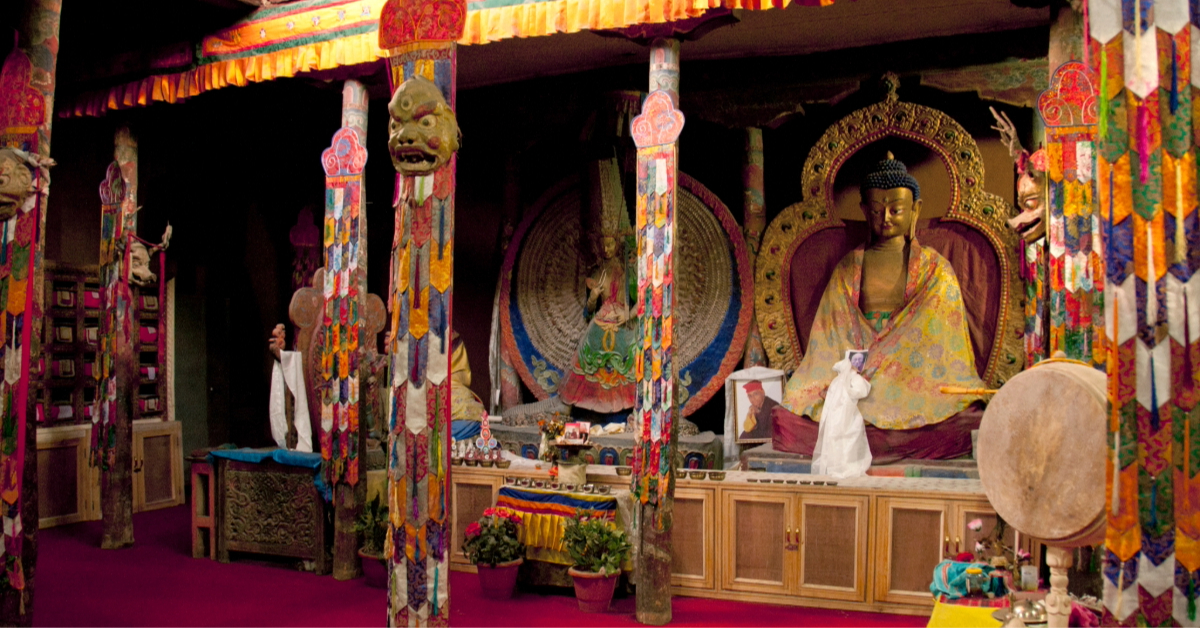
At this temple, timings are organised around specific darshan (viewing) sessions that structure daily worship and visitor access.
Daily darshan timings
Mangla (Morning): 6:30 AM – 7:15 AM
Shringar: 8:30 AM – 9:30 AM
Rajbhog: 10:15 AM – 11:15 AM
Evening (Utthapan & Sandhya): 5:00 PM – 7:30 PM
Aarti: Around 7:15 PM
General note
It typically closes between 11:30 AM and 5:00 PM, with extended hours during festivals and religious occasions in Dubai.
History and heritage
The story of Bur Dubai Temple reflects Dubai’s early openness to diverse communities and its long-standing multicultural identity.
Origins and establishment
The temple, particularly the Krishna Temple, was established in 1958 after Sheikh Rashid Bin Saeed Al Maktoum granted land to the Sindhi community. This marked an important moment in the city’s cultural development.
Early structure
Originally, It was located above shops in the Old Souk area and included multiple places of worship such as the Krishna Temple, Shiva Mandir, and a Gurudwara. This diversity highlighted the inclusive nature of Bur Dubai Temple and the surrounding community.
Architecture and design
The architecture of temple reflects traditional design elements that align with the historic character of Al Fahidi. Despite its modest scale, the temple maintains a distinctive cultural identity.
Features include teak balustrades, hand-carved wooden pillars, and brass decorative elements, all integrated into a low-rise structure that blends naturally with the surrounding souk environment in Bur Dubai.
Relocation updates
Recent developments have reshaped the role of Bur Dubai Temple within the broader religious landscape of Dubai.
New temple complex
A new Hindu Temple opened in Jebel Ali in October 2022, offering modern facilities and expanded capacity for worshippers who previously visited Bur Dubai Temple.
Relocation of shrines
The Shiva Mandir and Gurudwara, once part of Bur Dubai Temple, were permanently relocated to the Jebel Ali complex in January 2024.
Current status
It, specifically the Krishna Temple (Shree Krishna Haveli), remains active in Bur Dubai. It was temporarily closed in early April 2026 due to safety directives but officially reopened on April 11, 2026, and continues to receive visitors.
Visitor tips
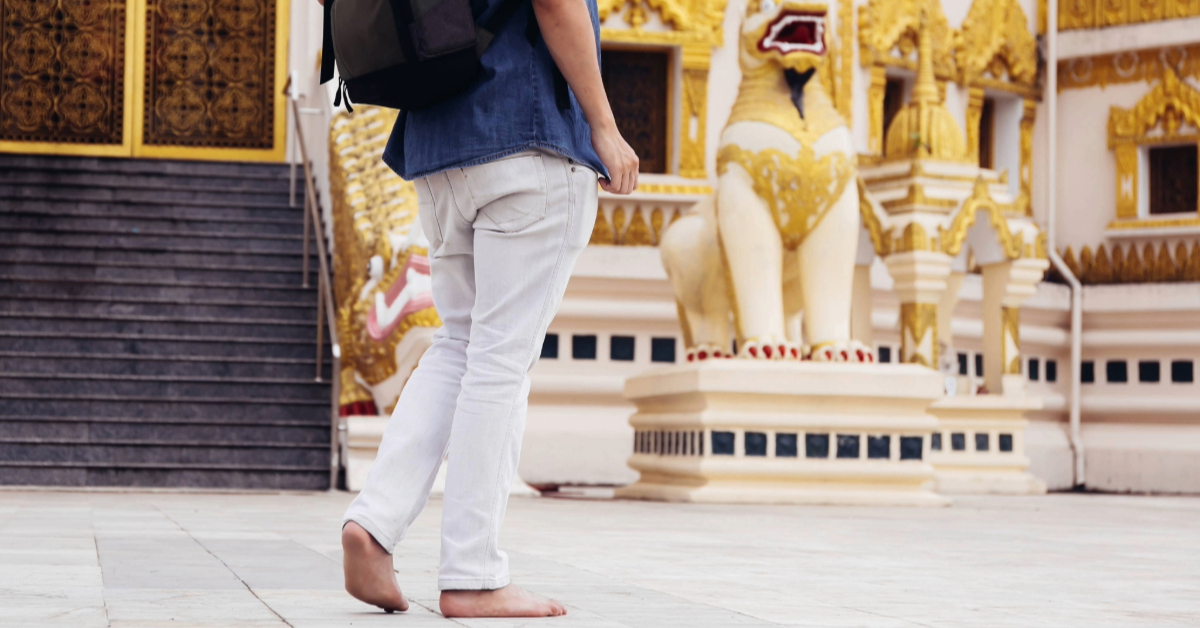
When visiting temple, following a few simple guidelines can ensure a respectful and smooth experience. Visitors should dress modestly, covering shoulders and knees, and women may be required to cover their heads in certain areas. Shoes must be removed before entering prayer halls within Bur Dubai Temple, and silence should be maintained during rituals.
Photography is not permitted inside the main prayer areas of Bur Dubai Temple, and donations should be made through designated counters. Respecting these practices helps preserve the spiritual atmosphere of the site.
Best time to visit
Planning your visit to temple can significantly enhance your experience. Early morning or evening darshan sessions at the temple are generally less crowded and more peaceful.
The months between October and April offer more comfortable weather for exploring Al Fahidi and visiting the temple. Visitors are advised to avoid peak festival days unless attending specific events. Using the metro is the most practical option due to limited parking near temple.
Key Takeaways
It remains one of Dubai’s most important cultural and religious landmarks, with the Krishna Temple continuing to operate in its original 1958 location. While other shrines have relocated to Jebel Ali, It retains its historical and cultural significance in Bur Dubai. Following a temporary closure in April 2026, the temple has reopened and continues to welcome visitors for daily darshan and religious ceremonies.
FAQs
Yes. It, specifically the Krishna Temple (Shree Krishna Haveli), reopened on April 11, 2026, after a temporary closure.
They were permanently relocated from Bur Dubai Temple to the Hindu Temple in Jebel Ali in January 2024.
At the temple, darshan timings are divided into sessions throughout the day, with closure between midday and late afternoon.
No. Entry to temple is free, though donations are welcome.
The metro, via Al Fahidi Station, is the most convenient way to reach temple due to limited parking in Bur Dubai.