



The cattle market in Dubai plays an important role during Eid Al Adha and throughout the year, serving residents who wish to buy livestock or arrange a qurban through regulated, hygienic facilities. From livestock trading in Al Qusais to municipality-run abattoirs across the emirate, understanding how the system works helps ensure a smooth and legal experience.
This guide explains where Dubai’s cattle markets are located, their operating hours, available services, fees, and key regulations.
- Al Qusais Cattle Market
- Dubai Municipality Abattoirs
- Sharjah Livestock Market (Alternative option)
- Timings and operating hours
- Facilities and services
- Fees
- Rules and regulations
- Visiting tips and best practices
- Key takeaways
- Frequently asked questions
Al Qusais Cattle Market
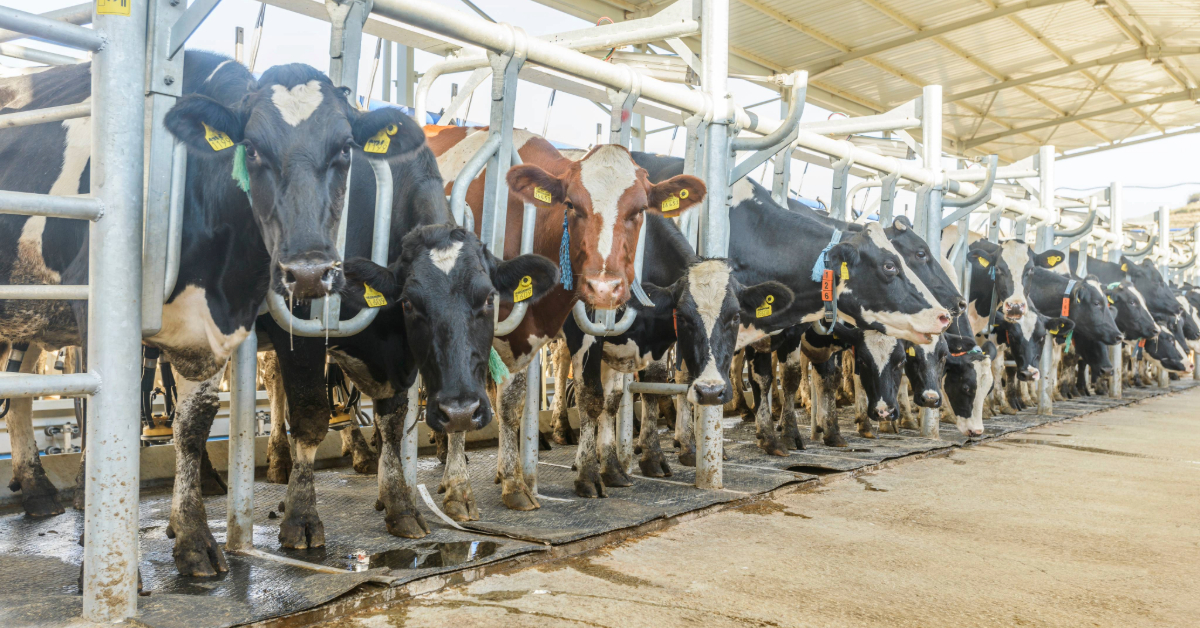
The Al Qusais Cattle Market in Dubai is a primary livestock trading hub and the main destination for purchasing sheep, goats, and cattle within the emirate. The market operates daily and comprises more than 100 animal barns, trading pens, and essential support facilities.
Location
It’s located in Al Qusais Area, Dubai
Nearby roads: Beirut Road (south), Damascus Road (north)
Explore the Available Apartments for Rent in AI Qusais
-

Apartment
Listed 3 weeks ago
130,000 AED/year
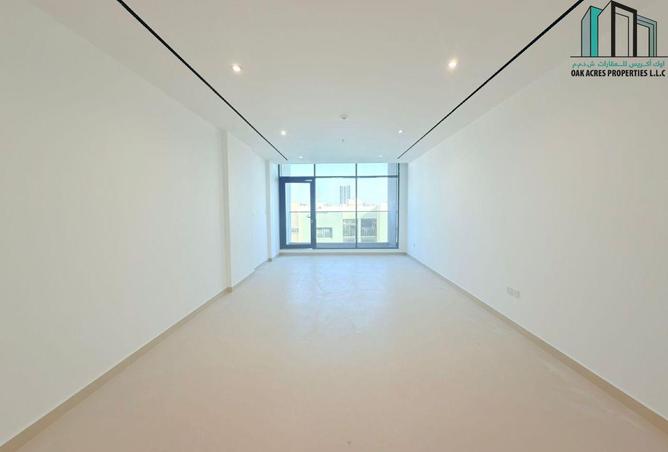
Elegant 3 Bedroom+ Maids room Apartment -Brand new
Al Qusais 2, Al Qusais Residential Area, Al Qusais, Dubai
3
5
1,675 sqft
-
Apartment
Listed 3 weeks ago
90,000 AED/year
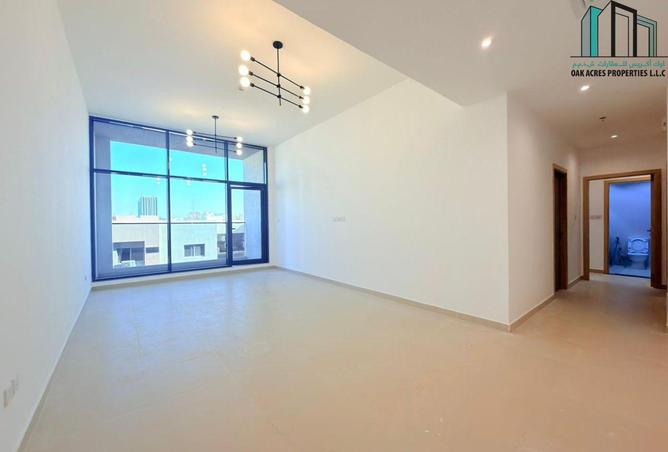
Brand New l 2 BHK l Maids Room l For Family Only
Al Qusais 2, Al Qusais Residential Area, Al Qusais, Dubai
2
4
1,465 sqft
-
Apartment
Listed 2 weeks ago
37,000 AED/year
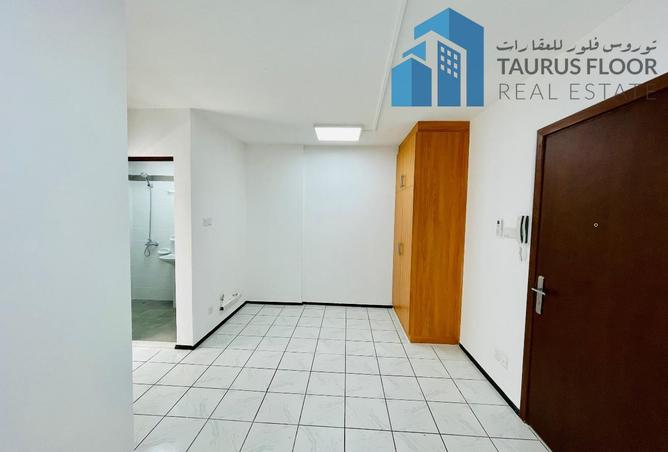
Front of Metro Studio | Balcony | Close Kitchen
Al Qusais 1, Al Qusais Residential Area, Al Qusais, Dubai
studio
1
350 sqft
-
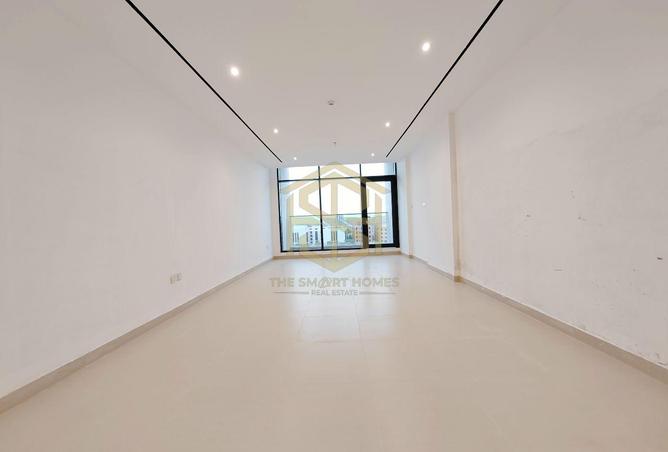
Apartment
Listed 3 months ago
130,000 AED/year
Brand New 3BHK+Maid | Near Metro | Ready to Move
Al Qusais 2, Al Qusais Residential Area, Al Qusais, Dubai
3
5
1,729 sqft
-
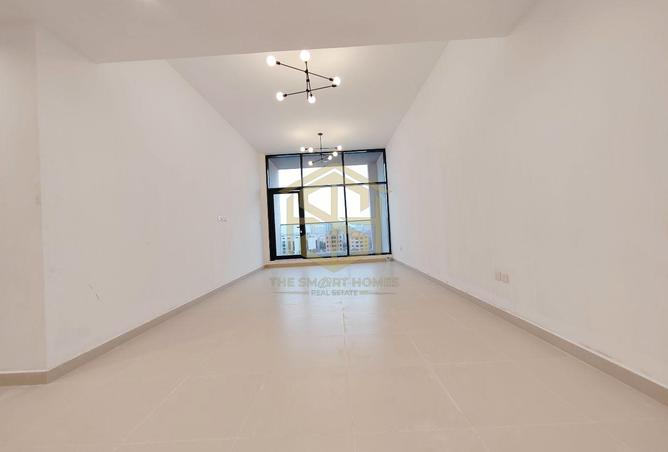
Apartment
Listed 3 months ago
90,000 AED/year
Brand New 2BR+Maid | Near Metro | Ready to Move
Al Qusais 2, Al Qusais Residential Area, Al Qusais, Dubai
2
4
1,463 sqft
-
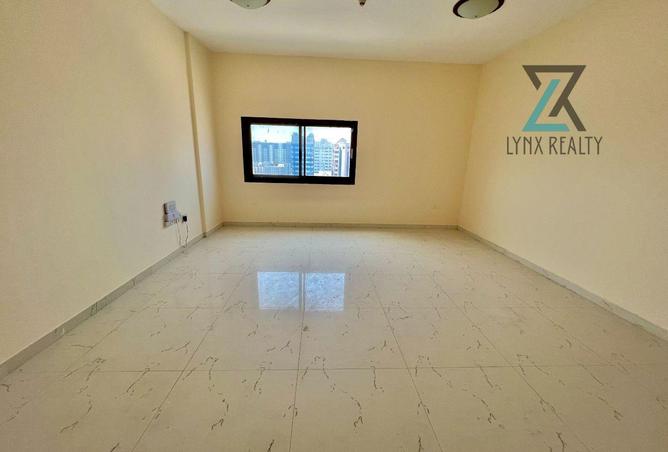
Apartment
Listed 1 day ago
55,000 AED/year
NEAR METRO | ELEGANT 1 BEDROOM | 2 BATHS | FAMILY
Al Qusais Residential Area, Al Qusais, Dubai
1
2
810 sqft
-
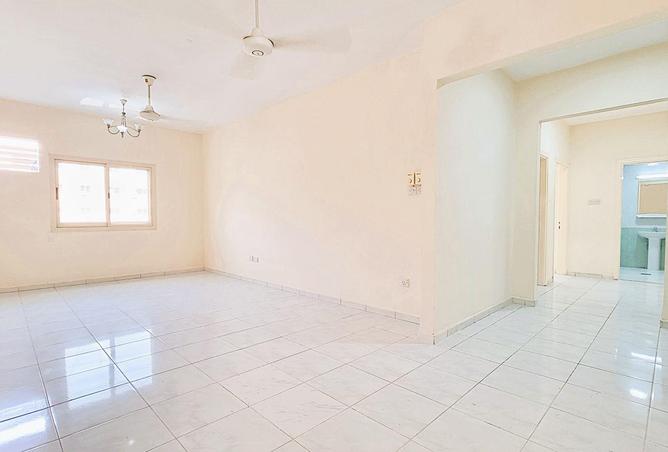
Apartment
Listed 3 weeks ago
60,000 AED/year
Window Ac 2 Br-Opp Noor Polyclinic-Qusais
Al Qusais 1, Al Qusais Residential Area, Al Qusais, Dubai
2
2
1,200 sqft
-
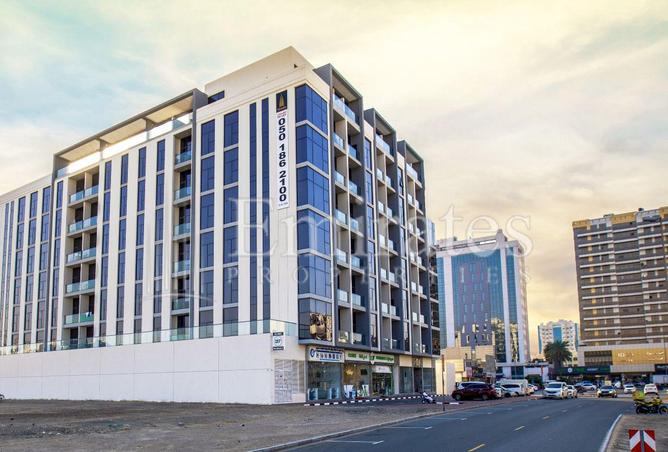
Apartment
Listed 4 months ago
95,000 AED/year
Premium 2BHK | 1 Month Free | AL Qusais
Al Qusais 2, Al Qusais Residential Area, Al Qusais, Dubai
2
3
1,593 sqft
-
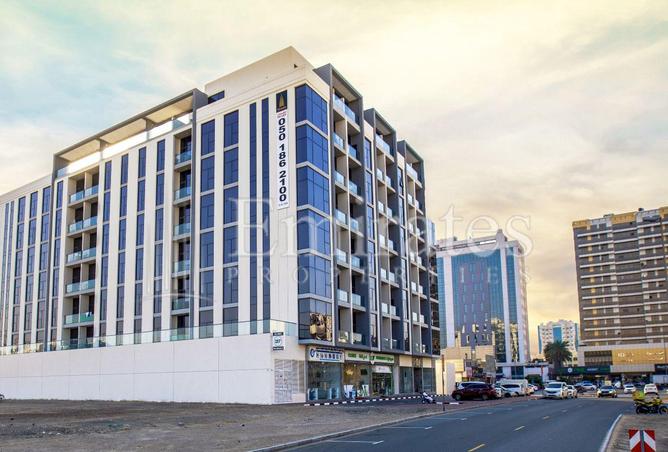
Apartment
Listed 4 months ago
130,000 AED/year
SPACIOUS 3 BHK | 1 MONTH FREE | AL QUSAIS
Al Qusais 2, Al Qusais Residential Area, Al Qusais, Dubai
3
4
1,986 sqft
-
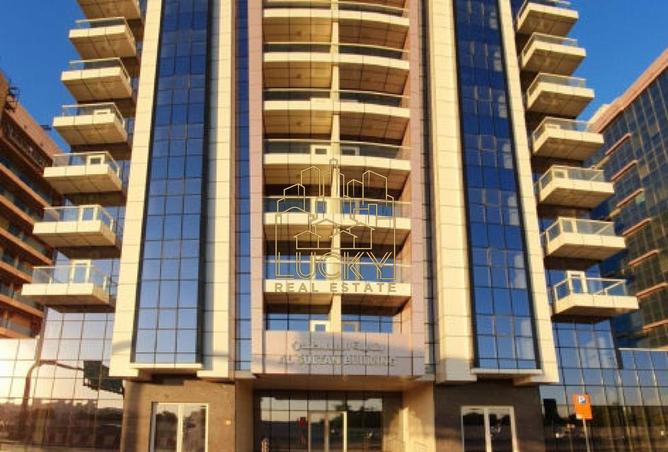
Apartment
Listed 1 week ago
48,000 AED/year
Spacious | 1BHK | Swimming pool, Gym, Family Build
Al Qusais Industrial Area 4, Al Qusais Industrial Area, Al Qusais, Dubai
1
2
751 sqft
Dubai Municipality Abattoirs
Dubai Municipality oversees qurban services at designated abattoirs across the emirate, ensuring Sharia compliance, hygiene standards and veterinary inspection.
| Abattoir | Location |
| Al Qusais Abattoir | Haleb Street, Al Qusais Industrial Area 2, Dubai |
| Al Quoz Abattoir | Al Quoz Industrial Area |
| Al Lisaili Abattoir | Al Lisaili area, Dubai outskirts |
| Hatta Abattoir | Hatta, eastern Dubai |
Sharjah Livestock Market (Alternative option)
Some residents choose to use the Sharjah Livestock Market, particularly during peak periods such as Eid Al Adha. It is a large, purpose-built complex with dedicated sections for livestock trading and qurbani services.
Location
It’s located in Al Sajaa Industrial Area, Sharjah
Timings and operating hours
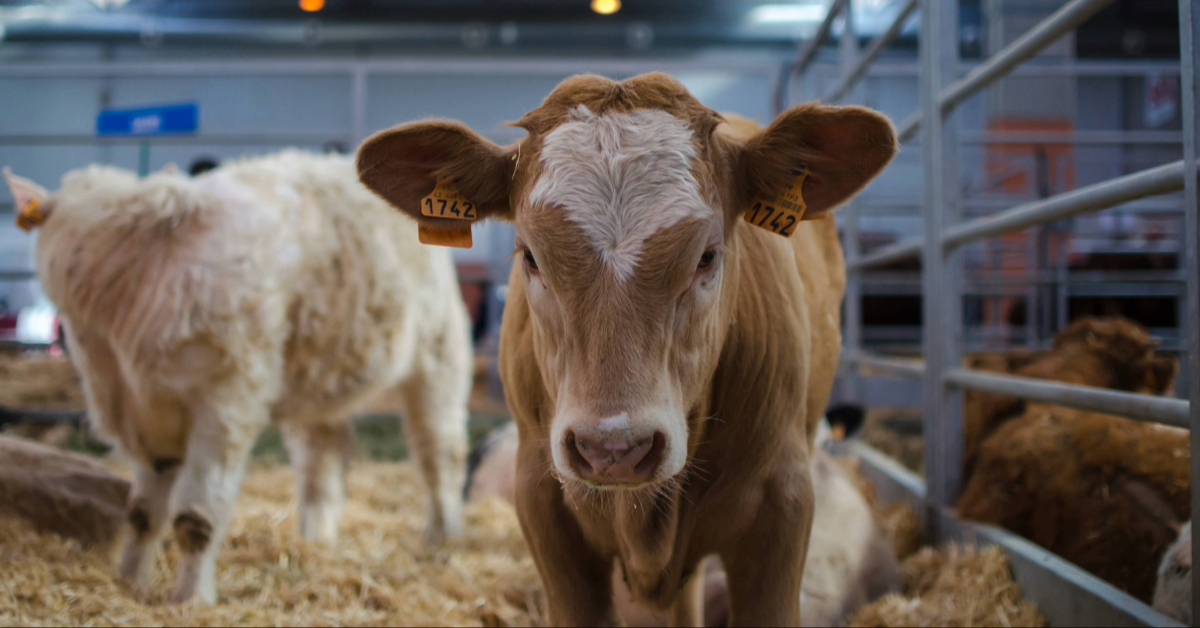
Operating hours vary by facility and time of year, with fixed daily schedules for the cattle market and special arrangements for municipal abattoirs during Eid Al Adha.
| Facility type | Typical operating days | Standard hours | Notes |
| Al Qusais Cattle Market | Daily | 7:00 AM to 8:00 PM | Trading only. Hours may extend during Ramadan. |
| Dubai Municipality abattoirs (outside Eid) | Saturday to Thursday | Generally 7:00 AM onwards (varies by branch) | Friday hours are limited due to prayer times; some branches close earlier. |
| Municipal abattoirs during Eid Al Adha | Arafah Day and Eid days | 7:00–7:30 AM to around 4:00 PM | Al Qusais usually operates longer on Arafah Day; Hatta may extend into the evening. |
Facilities and services
Dubai’s cattle markets and municipal abattoirs operate under strict regulations to ensure public health, animal welfare and Sharia compliance.
- Al Qusais Cattle Market: Livestock barns, designated trading areas and veterinary oversight zones for animal health monitoring.
- Sharjah Livestock Market: Purpose-built layout with separate shops for sheep, cattle and poultry, alongside fodder suppliers and plant nurseries.
- Municipal abattoirs: Municipal abattoirs operate in line with Sharia requirements, with veterinary checks, hygienic meat handling, and controlled waste management.
- On-site facilities: Health checks, cold storage rooms, and organised customer waiting and delivery areas.
- Smart services: Dubai Municipality–authorised apps allow advance booking services and, in some cases, home delivery of processed meat
Fees
Fees vary by animal type and size. As a general reference, commonly listed fees include:
- Sheep or goat: around AED 15
- Cow: approximately AED 40–55, depending on size
- Camel: approximately AED 60–65, depending on size
The Sharjah Livestock Market operates separate service lines with tiered pricing based on animal size.
Rules and regulations
- Livestock must be transported using approved vehicles, and imported animals require veterinary health certification and inspection.
- All operations adhere to animal welfare guidelines, hygiene standards, and UAE food safety regulations.
- Residents are advised to use authorised booking services only to avoid illegal or unsafe practices.
Visiting tips and best practices
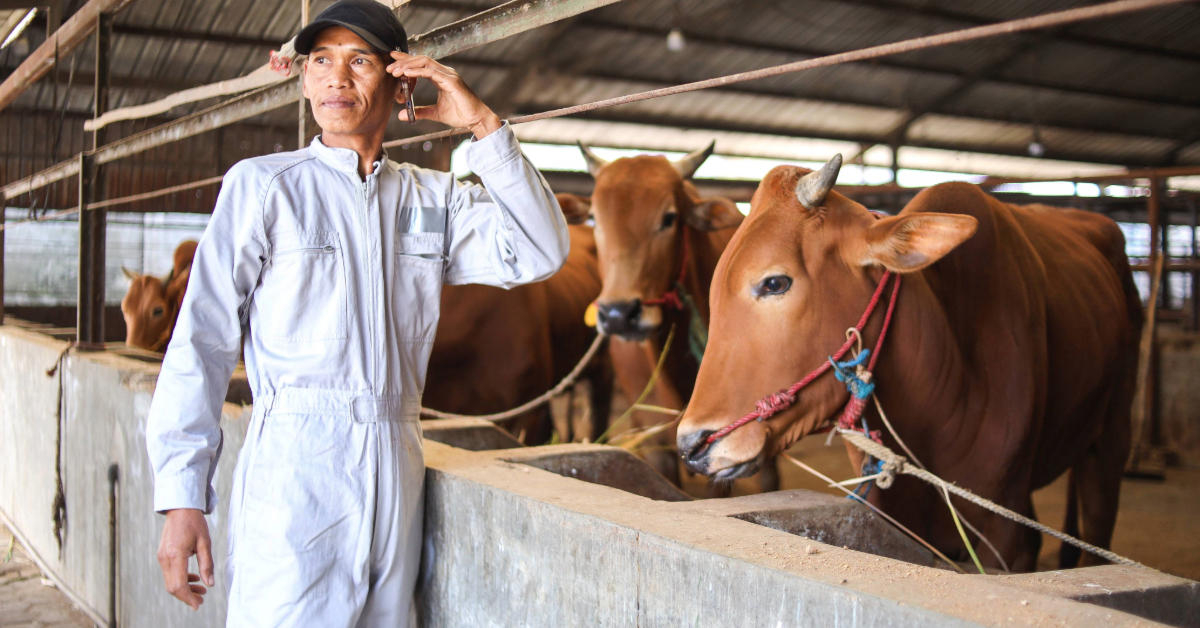
- Arrive early, particularly on Arafah Day and the first day of Eid, when demand is highest. Most abattoirs open between 7:00 and 7:30 AM during Eid periods.
- Use approved smart apps to reduce waiting times and simplify booking, payment and delivery.
- Ensure all required documentation is available when bringing imported animals.
- Wear comfortable, non-slip footwear and follow all signage, hygiene instructions and cultural guidelines at the facility.
Key takeaways
The cattle market in Dubai operates within a regulated system designed to protect public health, animal welfare and religious compliance. Al Qusais remains the emirate’s main livestock trading hub, while qurbani services are restricted to approved municipal abattoirs in Al Qusais, Al Quoz, Al Lisaili and Hatta. During peak periods such as Eid al-Adha, capacity is high and demand increases, making early arrival and booking essential.
Frequently asked questions
Yes. Imported livestock generally requires veterinary health certificates and may be inspected.
Most open between 7:00 and 7:30 AM during Eid and close around 4:00 PM, with some variation by location.
Yes. Dubai Municipality authorises specific apps that allow residents to book services and arrange delivery through approved providers.