


The Dubai Tram is a vital component of Dubai’s public transportation network, providing residents and visitors with an efficient means of navigating the bustling Marina and JBR areas. It provides seamless connections to the Metro and Palm Monorail, making short journeys along the coastline and between popular destinations quick and convenient.
- Overview of the Dubai Tram
- Dubai Tram Stations
- Dubai tram timings and frequency
- Dubai tram tickets and fares
- Facilities in Dubai Tram
- Luggage Rules
- Dubai Tram Fines
- 2026 developments: trackless tram and future upgrades
- Tips for using the tram in 2026
- Key takeaways
- FAQs
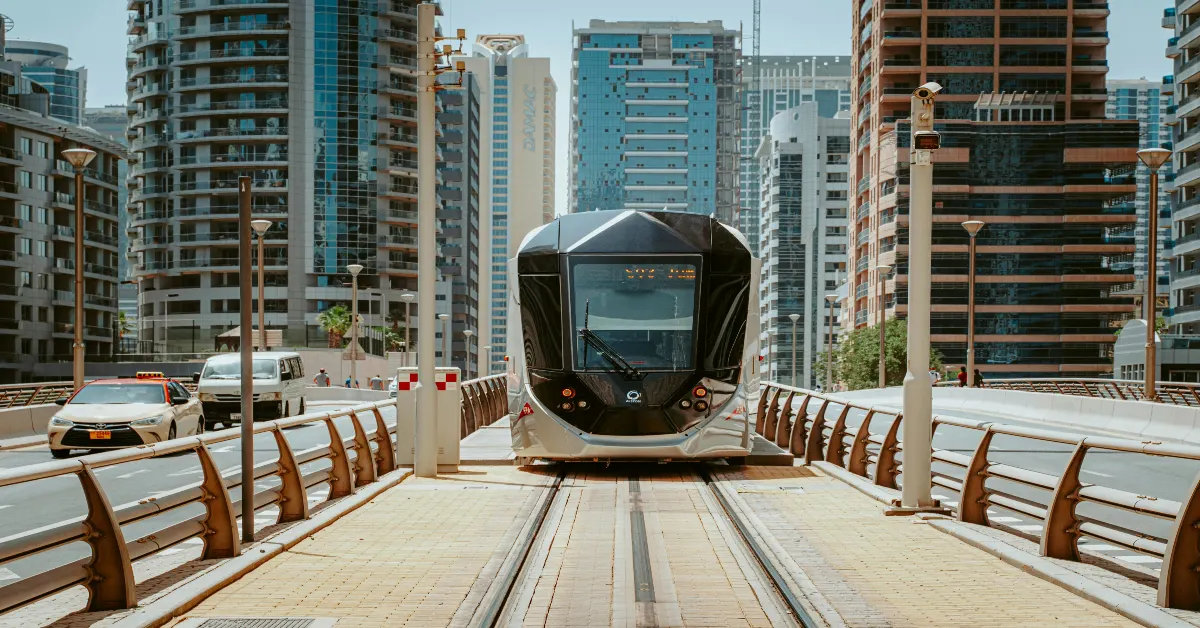
Overview of the Dubai Tram
Dubai is the first country to launch a tramway project outside Europe. These trams use a ground-based electric supply system and eliminate the need for catenary cables. These trams were the first to have Platform Screen Doors in passenger stations.
Moreover, the tram service connects Dubai Metro and Palm Monorail, running along Al Sufouh Road and Jumeirah Beach Road. The service covers 10.6 kilometres and passes through 11 stations, offering convenience and safety.
Part of the RTA’s integrated public transport system, the tram uses the NOL card for fare payment, allowing passengers to move seamlessly between tram, metro, bus, and marine transport.
These trams include Wi-Fi connectivity and seven cabins, where one silver class compartment is reserved for women and children. Also, the trams maintain air-conditioning quality in stations and carriages to protect passengers from external climatic conditions.
Dubai Tram Stations
The tram serves 11 main stations. Key stations include:
- Jumeirah Beach Residence 1 Tram Station
- Jumeirah Beach Residence 2 Tram Station
- Jumeirah Lakes Towers Tram Station (interchange with Metro Red Line – DMCC)
- Dubai Marina Mall Tram Station
- Dubai Marina Tram Station (near Sobha Realty Metro)
- Marina Towers Tram Station
- Mina Seyahi Tram Station
- Media City Tram Station
- Palm Jumeirah Tram Station (connects to Palm Monorail – Palm Gateway)
- Knowledge Village Tram Station
- Al Sufouh Tram Station
These stations enable passengers to transfer easily between the tram, metro, and monorail networks. For example, the Jumeirah Lakes Towers and Dubai Marina stations are directly linked to the Metro Red Line, while the Palm Jumeirah Tram Station is connected to the Palm Monorail.
The stations are equipped with modern amenities, including seating areas, ticket machines, and accessibility features. Many stops are also located near key tourist attractions, making the tram a convenient choice for sightseeing along the Marina and JBR districts.
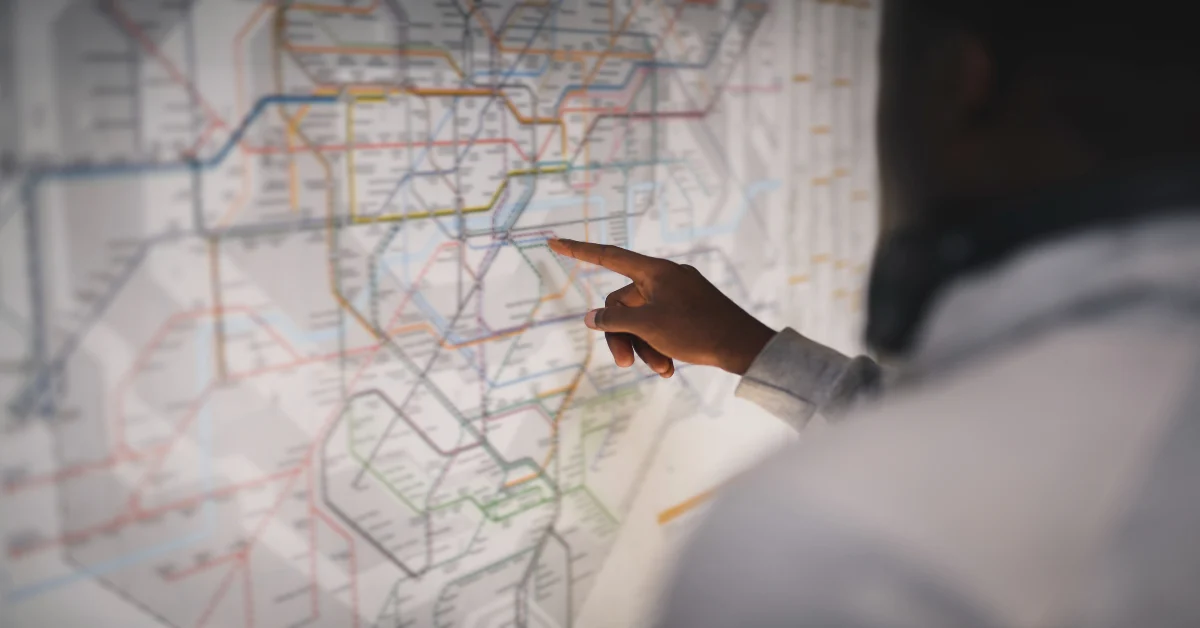
Dubai tram timings and frequency
In 2026, the tram is expected to maintain the following operational hours:
- Monday to Saturday: 06:00 AM – 01:00 AM
- Sunday: 09:00 AM – 01:00 AM
The frequency of the tram is approximately 8–10 minutes during peak periods, with slightly longer intervals during off-peak times. Digital boards at each station display real-time departure information, helping passengers plan their journeys efficiently.
Dubai tram tickets and fares
Passengers must use a NOL card for tram travel. Cards can be purchased at stations, authorised retailers, or through the RTA app.
| Fare type | NOL silver card | NOL Gold card | NOL personal card | NOL red card |
| Within one zone | 3 | 6 | 3 | 4 |
| Two adjacent zones | 5 | 10 | 5 | 6 |
| More than two zones | 7.5 | 15 | 7.5 | 8.5 |
| People of determination | N/A | N/A | Free | N/A |
| Children (five years old and below) | Free | Free | Free | Free |
Facilities in Dubai Tram
The tram is a modern and fully automated rail system, offers numerous features and services for user convenience. These features include:
- Comprehensive mobile phone coverage.
- Dedicated Tram Police force for rule enforcement.
- Emergency call box at each train and station.
- Wi-Fi access throughout the network.
- Integrated radio system for emergency services.
Luggage Rules
- Each passenger is permitted to take two suitcases on the tram;
- 1 large suitcase (dimensions): 81cm x 58cm x 30cm.
- 1 small suitcase (dimensions): 55cm x 38cm x 20cm.
- Luggage must be stored in the designated area found in each cabin.
Dubai Tram Fines
- AED 500 for throwing litter on the tracks.
- AED 1000 for crossing tracks from restricted areas.
- AED 1000 for visiting prohibited areas.
- AED 2000 for interfering with the tram’s functioning or safety.
- AED 3000 for unauthorised tram interceptions on the rails.
- AED 200 for misuse and fraud:
- Unpaid entry/exit from applicable areas.
- Failure to present Unified Card upon request.
- Using designated cards of someone else.
- Using expired or invalid cards.
- Selling a Nol cards without Authority permission.
- AED 500 for using a counterfeit card.
- AED 100 for non-compliance:
- Violating warning signs in the tram:
- Entry into restricted areas.
- Standing or sitting in non-passenger areas.
- Footing on seats.
- AED 100 for creating disturbances, like:
- Disrupting public transport and facilities.
- Sitting in reserved areas for specific categories.
- Encouraging eating and drinking in prohibited areas.
- AED 300 for sleeping in:
- Passenger Shelters.
- Prohibited areas.
2026 developments: trackless tram and future upgrades
The RTA’s trackless tram project is set to expand Dubai’s transport network in 2026. These fully autonomous, electric vehicles operate without fixed tracks, following virtual paths created with optical navigation, GPS, and LiDAR technology.
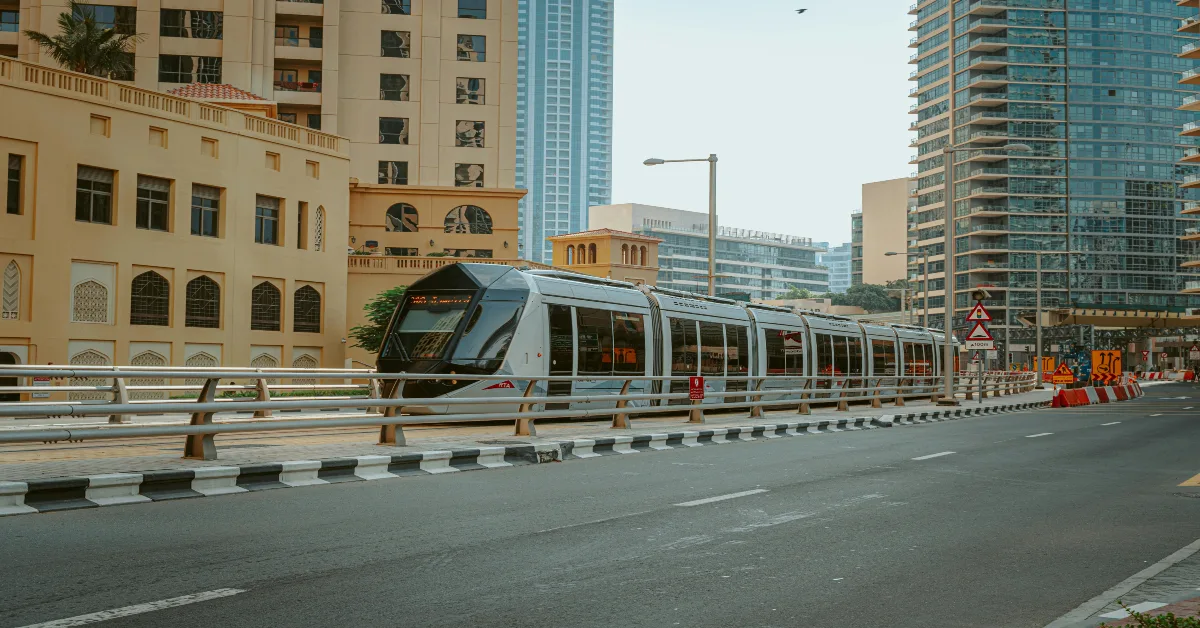
- Capacity: Up to 300 passengers
- Top speed: 70 km/h
- Operational speed: 25–60 km/h
- Range: 100 km per electric charge
- Deployment: Initial rollout at eight locations across Dubai
The trackless tram will complement the existing tram network, enhancing first- and last-mile connectivity while supporting Dubai’s goal of achieving zero emissions. This innovation aligns with RTA’s driverless transport strategy, which aims for at least 25% of trips to be autonomous by 2030.
Tips for using the tram in 2026
Here are some tips for a smooth trip by the tram:
- Plan ahead: Use the RTA Dubai or S’hail app for live timings, maps, and trip planning.
- Access multiple networks: Take advantage of tram–metro–monorail interchanges to reach wider areas of Dubai.
- Travel during peak hours: Trams run more frequently during the morning and evening.
- Accessibility: Stations and vehicles are designed to accommodate wheelchairs, strollers, and families with children.
- Stay compliant: Tag in/out at each station with your NOL card to avoid fines and tram violations.
Key takeaways
The Dubai Tram provides an efficient, reliable way to travel around Marina, JBR, and nearby areas, with 11 stations, Metro and Palm Monorail connections, frequent services, and integrated NOL card fares. Modern facilities, Wi-Fi, and accessible stations make journeys comfortable, while luggage rules and fines ensure safety and order.
Looking ahead to 2026, the trackless tram will introduce fully autonomous, electric vehicles with up to 300-passenger capacity and a 100 km range. Combined with practical tips like planning trips via the RTA app and using interchanges, the tram remains a fast, safe, and eco-friendly way to navigate Dubai.
FAQs
06:00 AM – 01:00AM Monday to Saturday, 09:00 AM – 01:00 AM Sunday.
Use a NOL card or ticket, tagging in and out at stations to ensure correct fare.
Yes, interchanges exist at Jumeirah Lakes Towers, Dubai Marina, and Palm Jumeirah.
The trackless tram project introduces autonomous, electric vehicles with virtual tracks and expanded capacity.
Yes, the NOL card is accepted across all RTA public transport modes.