

Buying a home in the UAE is a significant financial commitment, and understanding the housing loan interest rate attached to your mortgage is one of the most important steps before you sign. The rate you secure directly determines your monthly repayment and the total amount you pay over the life of your loan.
If you are a first-time buyer or upgrading to a bigger property, this guide explains how mortgage interest rates work in the UAE, what buyers are paying right now, what expats should know, and the practical steps you can take to secure a competitive deal.
- What is a housing loan interest rate?
- Fixed vs. variable mortgage rates in the UAE
- Current mortgage interest rates in the UAE
- UAE mortgage interest rates for expats
- How to get the lowest housing loan interest rate
- Key takeaways
- Frequently Asked Questions
What is a housing loan interest rate?

A housing loan interest rate is the percentage a lender charges on the outstanding balance of your mortgage each year. In the UAE, this charge is calculated on a reducing-balance basis, so your interest payment decreases each month as you pay down the principal.
Mortgage rates in the UAE are tied to the Emirates Interbank Offered Rate (EIBOR), the benchmark rate at which UAE banks lend to one another. The Central Bank of the UAE (CBUAE) sets the base rate, which currently stands at 3.90%, and EIBOR moves in line with it. Because the UAE dirham is pegged to the US dollar, the CBUAE closely follows US Federal Reserve rate decisions, so global monetary policy directly influences what you pay on a home loan.
Fixed vs. variable mortgage rates in the UAE
Understanding the difference between fixed and variable mortgage rates is essential before you compare lenders.

A fixed-rate mortgage locks your interest rate for an introductory period, typically one to five years. Your monthly repayment stays the same during this time, which makes budgeting predictable. Once the fixed period ends, the loan reverts to a variable rate tied to EIBOR.
A variable-rate mortgage is priced as EIBOR plus a bank margin, reset at regular intervals. If EIBOR falls, your repayment drops; if it rises, your payment rises too. For most owner-occupier buyers, a fixed introductory rate offers short-term certainty, so when choosing your fixed period, consider how long you plan to hold the property and your view on future rate movements.
Read our guide on the types of mortgages in Dubai.
Current mortgage interest rates in the UAE
As of November 2026, the most competitive introductory fixed rates from UAE lenders start from 3.75% for Islamic products and from 3.89% for conventional loans. After the fixed period, most loans revert to EIBOR plus a margin, placing variable mortgage interest rates in the range of approximately 5.3% to 6.3% at current EIBOR levels.

The table below shows indicative rates from a selection of UAE lenders. All figures assume a first residential property under AED 5 million, an 80% LTV ratio, and salary transfer to the lending bank. Final offers depend on your profile; always request a formal quote directly from the bank.
| Bank | Rate type | Intro rate | Fixed period | Reverts to (approx.) |
|---|---|---|---|---|
| Sharjah Islamic Bank | Islamic | 3.75% | 1 year | EIBOR + 1.75% |
| United Arab Bank | Conventional | 3.89% | 1–2 yrs | EIBOR + 1.79% |
| First Abu Dhabi Bank (FAB) | Conventional | 3.99% | 2 years | EIBOR + 1.50% |
| Emirates Islamic | Islamic | 3.99% | 3 years | EIBOR + 1.79% |
| ADCB | Conventional | 4.13% | 1 year | EIBOR + 1.39% |
| ADIB | Islamic | 4.14% | 2–3 yrs | EIBOR + 1.60% |
| Emirates NBD | Conventional | 4.19% | 2 years | EIBOR + 1.99% |
| HSBC | Conventional | From 4.29% | 1 year | EIBOR + 1.09% |
| Mashreq | Conventional | 4.49–4.74% | 2 years | EIBOR + 1.75% |
All rates are indicative and subject to change.
Your rate also depends on your LTV ratio, employment category, and credit history. Transferring your salary to the lending bank can reduce your rate by 0.10% to 0.25%. If you are buying an investment property, note that rental property mortgage rates tend to run slightly above owner-occupier rates and are subject to lower LTV caps.
Check our full guide on what to know before getting a mortgage in Dubai.
Explore the Available Apartments for Sale in Downtown Dubai
-


Apartment
Listed 1 month ago
2,850,000 AED
High Floor | Multiple Units | Best Offers
The St. Regis Residences - Tower 1, St Regis The Residences, Downtown Dubai, Dubai
1
1
785 sqft
-
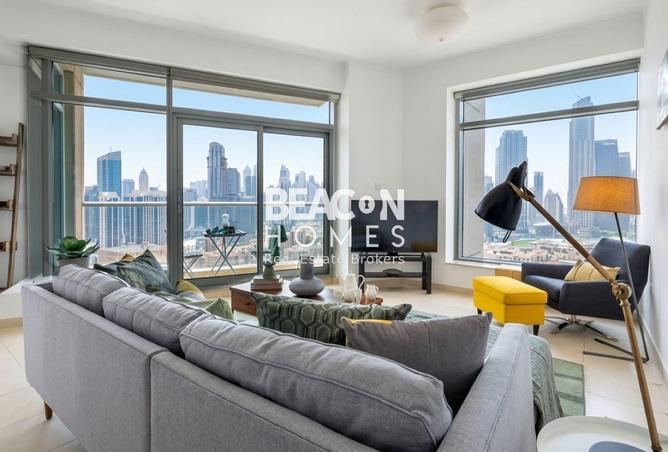
Apartment
Listed 2 weeks ago
2,300,000 AED
Higher Floor | Burj View | Vacant |Fully Furnished
Burj Views A, Burj Views, Downtown Dubai, Dubai
2
3
1,348 sqft
-
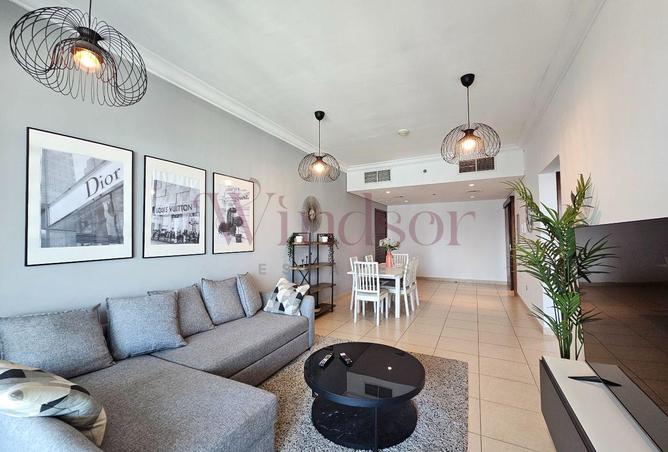
Apartment
Listed 2 months ago
1,550,000 AED
Great investment | Large Layout | Fully Furnished
8 Boulevard Walk, Downtown Dubai, Dubai
1
1
936 sqft
-

Apartment
Listed 2 days ago
4,600,000 AED
Motivated Seller | Best Layout | Burj Khalifa View
The St. Regis Residences - Tower 2, St Regis The Residences, Downtown Dubai, Dubai
2
3
1,348 sqft
-

Apartment
Listed 3 days ago
7,370,000 AED
High Floor | Fountain View | Fully Upgraded
Opera Grand, Downtown Dubai, Dubai
3
5
2,045 sqft
-
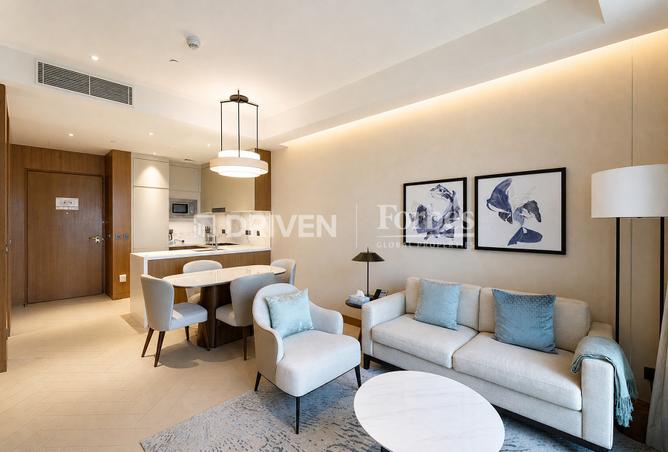
Apartment
Listed 3 weeks ago
2,839,999 AED
Motivated Seller | Furnished | Elegant Unit
The Address Residences Dubai Opera Tower 1, The Address Residences Dubai Opera, Downtown Dubai, Dubai
1
2
798 sqft
-
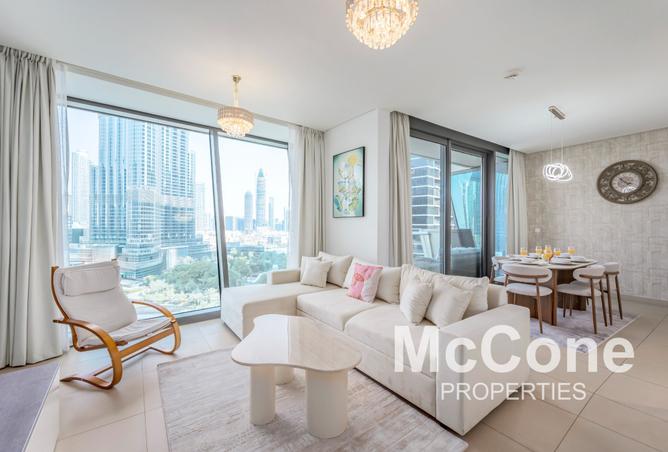
Apartment
Listed 1 day ago
5,700,000 AED
Best Layout | Panoramic Burj View | Trophy Asset
Burj Vista Tower 1, Burj Vista, Downtown Dubai, Dubai
2
3
1,650 sqft
-
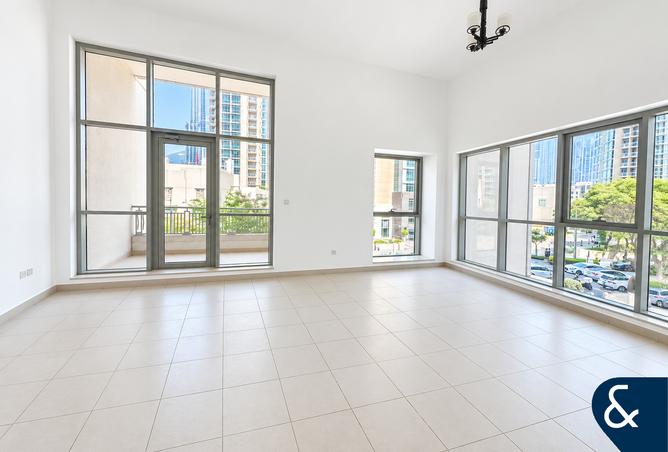
Apartment
Listed 3 days ago
2,850,000 AED
Large Layout | Study | Renovation Opportunity
Boulevard Central Tower 2, Boulevard Central Towers, Downtown Dubai, Dubai
2
2
1,333 sqft
-
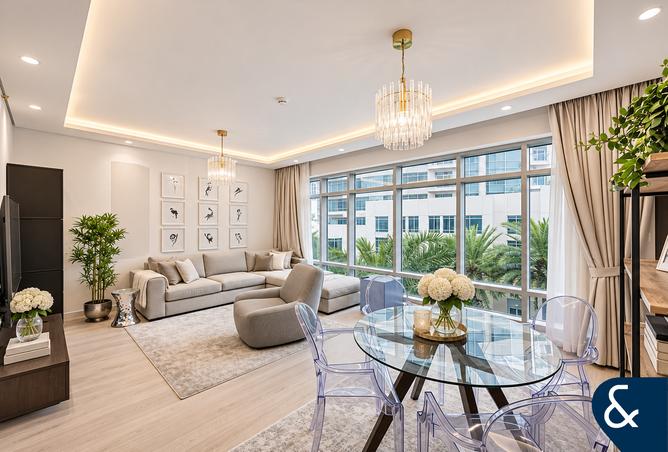
Apartment
Listed 3 days ago
1,699,000 AED
One Bedroom | Internal View | Vacant Now
The Lofts Central, The Lofts, Downtown Dubai, Dubai
1
2
831 sqft
-

Apartment
Listed 3 days ago
8,750,000 AED
Full Burj View | High Floor | Branded
The St. Regis Residences - Tower 1, St Regis The Residences, Downtown Dubai, Dubai
3
4
1,799 sqft









UAE mortgage interest rates for expats

A common question from buyers is whether expats pay higher mortgage interest rates in the UAE than UAE nationals. The answer is no: UAE mortgage interest rates for expats are the same as those available to nationals. The key difference is the deposit size, governed by CBUAE regulations on maximum loan-to-value (LTV) ratios.
Under CBUAE rules, the maximum LTV limits are:
- Expats, first property under AED 5M: 80% LTV (minimum 20% deposit)
- UAE nationals, first property under AED 5M: 85% LTV (minimum 15% deposit)
- Expats, first property above AED 5M: 70% LTV
- UAE nationals, first property above AED 5M: 75% LTV
- Investment properties: 60% LTV for expats, 65% for nationals
- Off-plan purchases: 50% LTV for all buyers
Beyond the deposit, expats must hold a valid UAE residence visa, keep total monthly debt repayments within 50% of gross income, and ensure the mortgage is fully repaid by age 65. The property must be a freehold property for sale in a designated freehold area. Employer category and salary transfer can influence the final rate by up to 0.50%.
How to get the lowest housing loan interest rate
Finding the lowest housing loan interest rate in the UAE takes preparation and comparison rather than accepting the first offer you receive.

- Compare multiple lenders. Rates differ materially between banks. Approach at least three lenders for formal quotes, or work with a licensed UAE mortgage broker who can compare products on your behalf.
- Transfer your salary. Many banks reduce your rate by 0.10% to 0.25% when your salary is credited to them. This saving compounds significantly over a 25-year term.
- Maintain a strong credit record. The Al Etihad Credit Bureau (AECB) holds your UAE credit file. A clean history improves your negotiating position with lenders.
- Look beyond the introductory rate. The best mortgage interest rates over the full term depend on both the initial fixed-period rate and the EIBOR margin you revert to. A lower introductory rate with a high reversion margin may cost more in total.
- Plan investment purchases carefully. Rental property mortgage rates typically sit above owner-occupier rates, and lenders require a larger deposit for investment properties. Factor these costs into your plans from the start.
Explore the Available Townhouses for Sale in Dubai Land
-
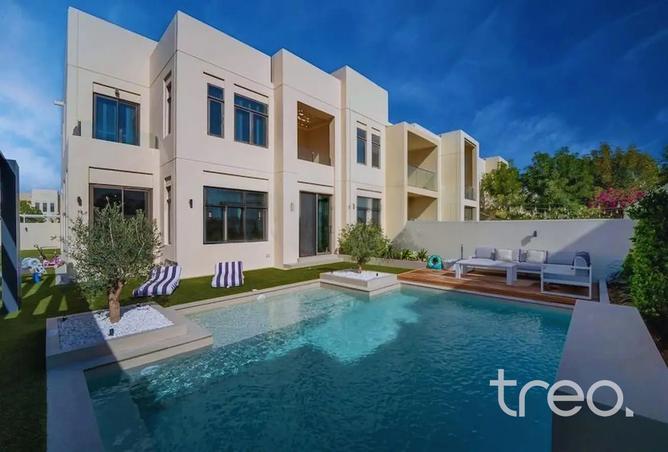
Townhouse
Listed 2 months ago
5,800,000 AED
Turn-Key | Private Pool | Remarkable Plot
Mira Oasis 3, Mira Oasis, Reem, Dubai
3
4
4,625 sqft
-
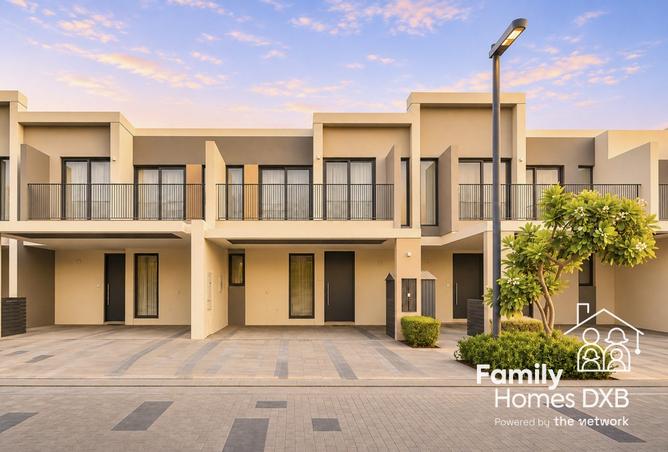
Townhouse
Listed 2 days ago
4,100,000 AED
Beautifully Upgraded | Extended | Close to Pool
Elan, Tilal Al Ghaf, Dubai
3
3
1,511 sqft
-
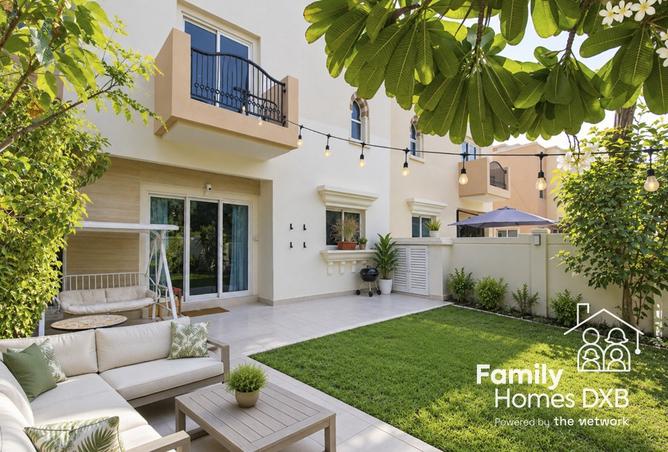
Townhouse
Listed 4 days ago
5,600,000 AED
Exclusive | VOT | Fully Upgraded | Must See
Morella, Victory Heights, Dubai Sports City, Dubai
4
4
2,659 sqft
-
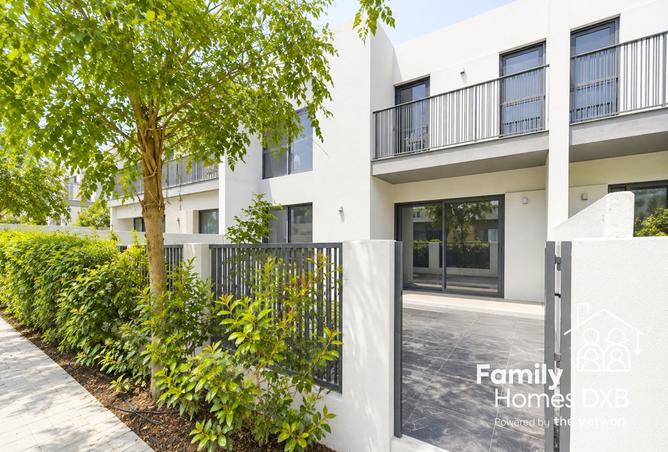
Townhouse
Listed 3 weeks ago
3,650,000 AED
Lowest Priced Internal Townhouse | Prime Location
Elan, Tilal Al Ghaf, Dubai
3
4
1,511 sqft
-
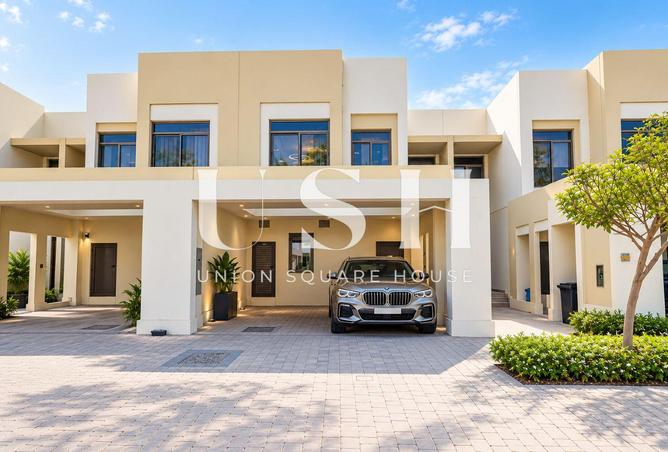
Townhouse
Listed 2 days ago
2,900,000 AED
3BR | Single Row | Type 2 | Legal Notice Served
Noor Townhouses, Town Square, Dubai
3
4
2,023 sqft
-
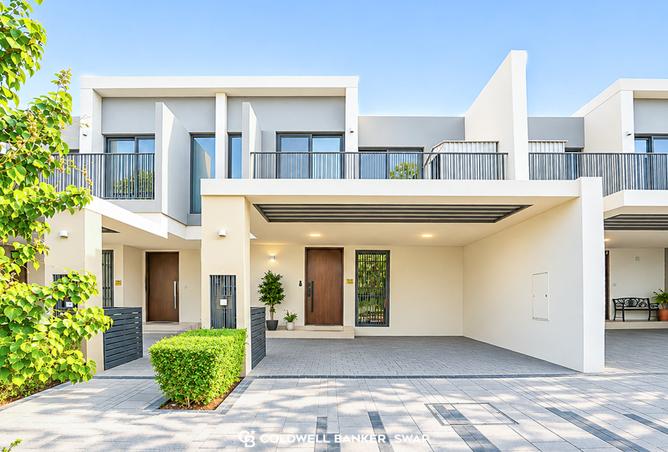
Townhouse
Listed 4 days ago
4,100,000 AED
Extended | Upgraded | Landscaped
Elan, Tilal Al Ghaf, Dubai
3
3
1,511 sqft
-
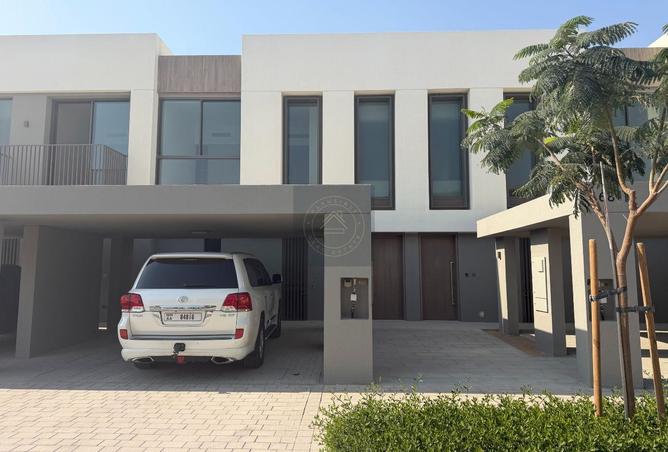
Townhouse
Listed 1 week ago
2,600,000 AED
Lowest | Corner Kitchen | Brand new
Orania, The Valley, Dubai
3
4
1,904 sqft
-
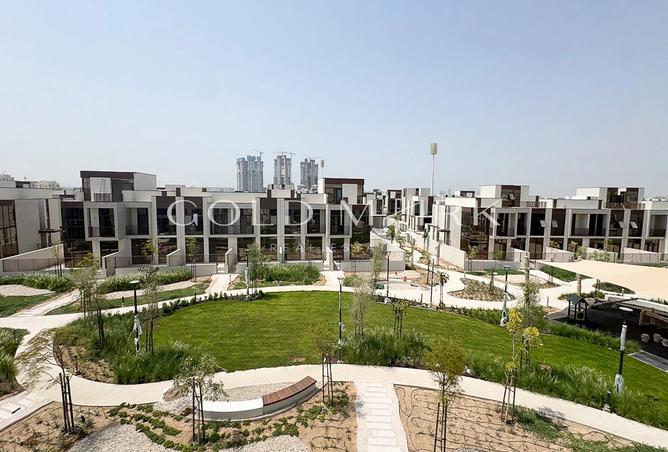
Townhouse
Listed 1 week ago
4,500,000 AED
Park view | Corner Unit | Available For Mortgage
Mudon Al Ranim 8, Mudon, Dubai
4
4
2,773 sqft
-
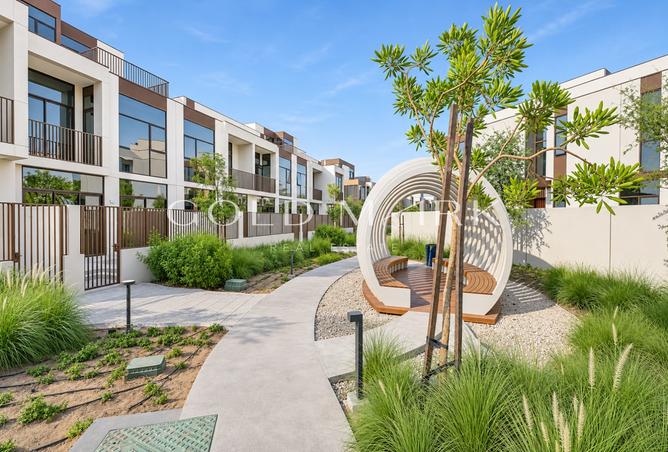
Townhouse
Listed 1 week ago
3,600,000 AED
Facing Park | New Layout | Mortgageable I Call Now
Mudon Al Ranim 8, Mudon, Dubai
3
4
1,808 sqft
-

Townhouse
Listed 1 week ago
3,400,000 AED
3BR Townhouse | Single Row | Big Plot I Call Now
Mudon Al Ranim 6, Mudon, Dubai
3
4
2,035 sqft







Key takeaways
- Housing loan interest rates in the UAE start from 3.75% (Islamic, introductory) and from 3.89% (conventional, introductory) as of November 2026, reverting to EIBOR-linked variable rates after the fixed period.
- UAE mortgage interest rates for expats are the same as those for nationals. The main difference is the deposit: expats must put down at least 20% on a first home under AED 5 million, compared with 15% for UAE nationals.
- Your rate is shaped by your LTV ratio, employer category, salary transfer, and AECB credit history. Getting formal quotes from at least three lenders is advisable before committing.
- Under CBUAE regulations, the maximum mortgage term is 25 years, and total monthly debt repayments cannot exceed 50% of gross income.
Frequently Asked Questions
Introductory fixed rates from UAE banks currently range from around 3.75% to 4.74%, depending on the lender, loan type, and your profile. After the fixed period, most loans revert to a variable rate of EIBOR plus a margin, which currently places reversion rates between approximately 5.3% and 6.3%.
Mortgage interest rates in Dubai follow the same EIBOR-linked structure as the rest of the UAE. As of November 2026, introductory fixed rates from active Dubai lenders start from 3.89% (conventional) or 3.75% (Islamic). Banks including Dubai Islamic Bank, Emirates NBD, Emirates Islamic, and ADCB are active in the Dubai market.
Yes. Expats with a valid UAE residence visa can apply for a mortgage with most UAE banks. UAE mortgage interest rates for expats are the same as for nationals; the main difference is the LTV cap: expats must put down at least 20% on a first home under AED 5 million, compared with 15% for UAE nationals.
EIBOR is the Emirates Interbank Offered Rate, the benchmark used to price variable-rate mortgages in the UAE. After your introductory fixed period ends, your rate resets to EIBOR plus a margin set by your bank. The 3-month EIBOR currently stands at 4.32%. Because the UAE dirham is pegged to the US dollar, EIBOR tends to move in line with US Federal Reserve rate decisions.
Compare formal offers from at least three lenders, consider salary transfer to reduce your rate, check your AECB credit report before applying, and look at the reversion EIBOR margin, not just the introductory rate. Working with a UAE Central Bank-regulated mortgage broker gives you access to a broader range of products and negotiating leverage.