



Thinking about getting a mortgage in Dubai in 2026? It’s not just about interest rates. You’ll want to understand what it really costs, where risks lie, and how regulations will affect you. Whether you’re buying in Dubai Marina, Downtown Dubai, or Jumeirah Village Circle, understanding the full picture before taking a mortgage in Dubai can help you avoid costly mistakes and make smarter financial decisions.
- Mortgage Rates & Types
- Upfront Costs & Extra Fees
- Ongoing Costs vs. Ownership Responsibilities
- Eligibility & Regulations
- Smart Tips for Getting a Better Deal
- Key Takeaways
- FAQs
Mortgage Rates & Types: What You’ll Be Quoting

Before taking a mortgage in Dubai, understanding how rates are structured is essential. Mortgage offers typically fall into two main categories: fixed and variable, each suited to different financial strategies.
Fixed rates remain unchanged for a specific period, usually between one and five years. In the current market, fixed mortgage rates in Dubai currently start from around 3.49%, depending on loan profile, bank, and term. This option provides predictability, which is particularly useful if you’re planning long-term ownership in communities like Arabian Ranches or Palm Jumeirah.
Explore the Available Villas for sale in Arabian Ranches
-
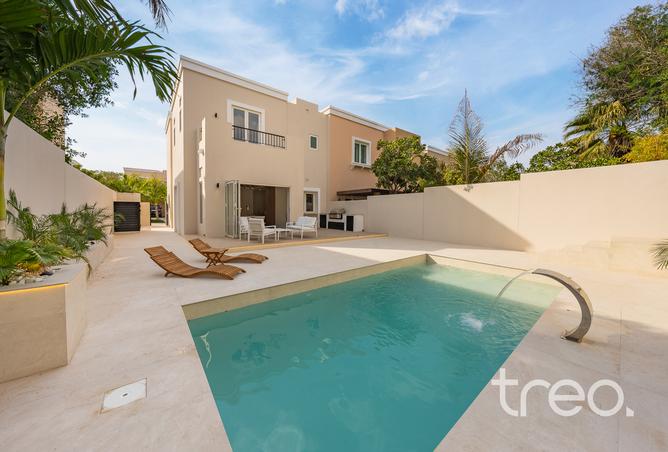

Villa
Listed 1 week ago
6,350,000 AED
Fully Renovated | Turnkey | 4 Bed + Maids
Al Reem 2, Al Reem, Arabian Ranches, Dubai
4
6
3,380 sqft
-

Villa
Listed 1 month ago
15,950,000 AED
Fully Renovated | Extended 5 Bed | Private Pool
Mirador, Arabian Ranches, Dubai
5
5
6,889 sqft
-

Villa
Listed 3 days ago
9,750,000 AED
Backing Park | Extended | Fully Upgraded
Saheel 2, Saheel, Arabian Ranches, Dubai
4
5
6,217 sqft
-

Villa
Listed 3 days ago
14,850,000 AED
Open House this Saturday & Sunday ! 3rd October | 10am - 1pm
Alvorada 2, Alvorada, Arabian Ranches, Dubai
4
3
7,560 sqft
-

Villa
Listed 1 week ago
5,450,000 AED
OPEN HOUSE | SUNDAY | 4TH OCTOBER 2026
Al Reem 1, Al Reem, Arabian Ranches, Dubai
3
3
2,744 sqft
-

Villa
Listed 1 week ago
6,195,000 AED
OPEN HOUSE | SUNDAY | 4TH OCTOBER 2026
Alma 1, Alma, Arabian Ranches, Dubai
3
4
2,747 sqft
-
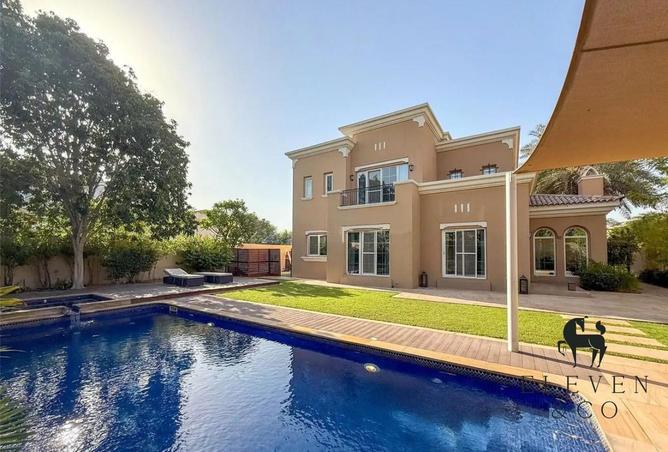
Villa
Listed 1 day ago
10,650,000 AED
Large Plot | Superb Location | Vacant
Mirador La Coleccion 2, Mirador La Coleccion, Arabian Ranches, Dubai
4
5
8,006 sqft
-
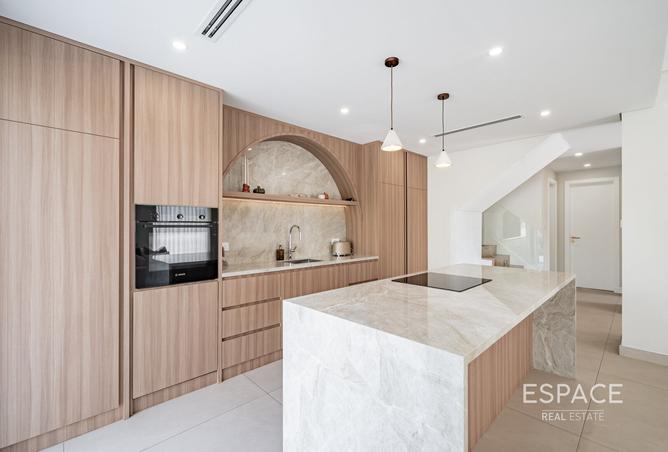
Villa
Listed 2 days ago
5,850,000 AED
Turnkey 4BR Plus Maids with Open Plan Kitchen
Al Reem 1, Al Reem, Arabian Ranches, Dubai
4
3
2,943 sqft
-

Villa
Listed 1 week ago
5,600,000 AED
Open House by Appointment | 12-3pm on Thursday
Al Reem 1, Al Reem, Arabian Ranches, Dubai
3
3
2,746 sqft
-

Villa
Listed 2 weeks ago
11,950,000 AED
4 Bedrooms | Fully Upgraded | Exclusive
Saheel 3, Saheel, Arabian Ranches, Dubai
4
4
6,931 sqft








Variable rates, on the other hand, are linked to benchmarks such as EIBOR plus a bank margin. These rates fluctuate over time, meaning your monthly payments can rise or fall depending on market conditions.
For buyers seeking Sharia-compliant options, Islamic financing structures such as Ijarah or Murabaha replace interest with profit rates, typically ranging between 3.99% and 5.39%.
Several factors influence the rate you’ll receive. A higher down payment improves your loan-to-value ratio, often securing better terms. Your employment type, whether salaried or self-employed, and your credit profile also play a significant role in determining your eligibility and pricing.
Upfront Costs & Extra Fees
One of the most overlooked aspects before taking a mortgage in Dubai is the high upfront cost beyond the property price.
Most expatriates are required to pay a 20–25% down payment for ready properties. For off-plan developments in areas like Dubai Hills Estate, developers often require staged payments during construction before the mortgage is activated.
In addition to the deposit, several mandatory fees apply. The Dubai Land Department transfer fee is 4% of the property value, while mortgage registration costs 0.25% of the loan amount, plus a small administrative fee. Agent commissions typically add another 2%, and valuation fees range from AED 2,500 to AED 3,500.
When all costs are combined, buyers should expect to pay approximately 27–30% of the property value upfront. For example, purchasing a property worth AED 1,000,000 could require a total cash outlay of around AED 270,000–300,000.
Ongoing Costs vs. Ownership Responsibilities
Taking a mortgage doesn’t end with the purchase; it introduces a range of ongoing financial commitments that must be carefully planned.
Your monthly mortgage instalment will include both principal repayment and interest or profit. If you opt for a variable rate, these payments may fluctuate over time.
Insurance is another key requirement. Most banks require life insurance to cover the outstanding loan balance, along with property insurance to protect the asset itself. These costs typically range from 0.4% to 0.8% annually for life cover, while property insurance varies depending on the unit’s value.
Service charges are particularly relevant for apartment living in areas like Business Bay or Dubai Creek Harbour. These fees, which cover maintenance and shared facilities, can range from AED 10 to AED 35 per square foot annually.
Additional costs such as utility deposits, developer NOCs, and connection fees are often overlooked but can add up quickly during the handover process.
Eligibility & Regulations
Understanding eligibility criteria is crucial before taking a mortgage in Dubai, as lenders apply strict guidelines to assess risk.
Expat buyers typically need a minimum deposit of 20–25%, while UAE nationals may qualify for slightly lower requirements. Banks also evaluate your debt-burden ratio, ensuring that your total monthly obligations do not exceed around 50% of your income.
Age is another limiting factor, with most lenders capping the loan term at 65-70, depending on your employment status.
Regulations in the UAE are designed to maintain financial stability. One key rule is that banks cannot finance upfront costs such as government fees or registration charges—these must be paid separately by the buyer.
| Factor | Expats | UAE Nationals |
|---|---|---|
| Down payment | 20–25% | Lower in many cases |
| Max financing | Lower LTV | Higher LTV |
| Eligibility checks | Strict | More flexible |
| Mortgage term | Similar | Similar |
Smart Tips for Getting a Better Deal
Securing the right mortgage requires more than comparing headline rates. A deeper evaluation of total costs and long-term affordability is essential.
Start by obtaining a mortgage pre-approval. This gives you a clear idea of your borrowing capacity and strengthens your negotiating position when buying property in competitive areas like Dubai Marina or Downtown Dubai.
It’s also important to assess the “all-in cost” of the mortgage, including bank fees, insurance, and potential penalties. Some lenders may offer discounted arrangement fees or better terms for premium clients, so negotiation is always worthwhile.
Timing your fixed-rate decision can also make a difference. If interest rates are expected to rise, locking in a fixed rate early may provide stability. Conversely, if rates are likely to fall, a variable option could result in savings over time.
Finally, always plan for worst-case scenarios. Build a financial buffer to handle rate increases, maintenance costs, or unexpected delays in property handover.
Key Takeaways

Before taking a mortgage in Dubai, it’s essential to look beyond interest rates and consider the full financial picture. Buyers should expect to pay nearly 30% of the property value upfront, including fees and insurance. Mortgage rates vary depending on whether you choose a fixed or variable rate, and ongoing costs such as service charges and maintenance can significantly affect affordability. Strict regulations require many expenses to be paid out of pocket, and lenders carefully enforce eligibility criteria. Taking time to compare options, secure pre-approval, and plan for long-term costs will ultimately help you make a more informed and financially sound decision.
FAQs
Typically 20–25% for ready properties. For off-plan purchases, you’ll pay a larger portion during construction per the developer’s payment plan. Nationals generally qualify for lower down payments.
There are signs of easing in global rates and EIBOR, which may reduce variable rates. However, fixed rates often include a premium, so any decline may take time to reflect.
No. Fees such as transfer costs, agent commissions, and registration charges must be paid separately and are not covered by the mortgage.
Early repayment usually carries a penalty capped at 1% of the outstanding balance or AED 10,000, whichever is lower, especially during the fixed-rate period.
If you prefer stability and long-term planning, fixed rates are ideal. If you expect rates to decrease or plan to sell soon, a variable rate may offer savings—provided you can handle potential fluctuations.