



A loan against property in Dubai allows property owners to unlock the value of their real estate without selling it. With Dubai’s stable property market and evolving lending regulations in 2026, this financing option continues to be a practical choice for both residents and investors looking to access liquidity.
In this guide, learn about:
- What is a loan against property (LAP)?
- Eligibility requirements for a loan against property in Dubai
- Loan-to-value (LTV) and amounts you can borrow
- Interest rates and charges (2026 snapshot)
- Application and approval process for a loan against property in Dubai
- Tips to improve terms and eligibility for a loan against property in Dubai
- Key takeaways
- FAQs
What is a loan against property (LAP)?
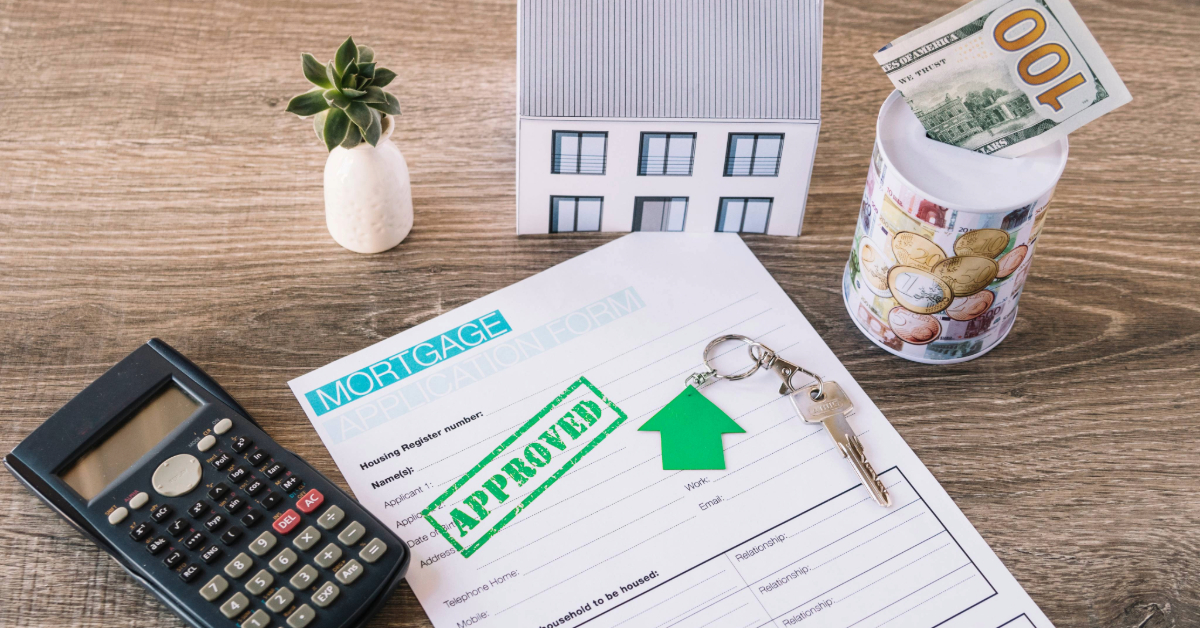
A loan against property in Dubai is a secured loan where you pledge an owned property as collateral to borrow funds from a bank or financial institution. Instead of purchasing a new property, you are leveraging an existing asset.
This type of financing is commonly used for home renovations, business expansion, debt consolidation, or even funding investments. Unlike traditional home loans, LAP is typically granted on fully owned or significantly paid-off properties.
Understanding how this differs from standard financing options becomes clearer when comparing it with the different types of mortgages available in Dubai, as LAP sits in a distinct category focused on liquidity rather than acquisition.
Eligibility requirements for a loan against property in Dubai
Before applying for a loan against property in Dubai, lenders evaluate multiple factors, including your residency status, income, and the property itself.
Residency status
Eligibility criteria vary based on your residency:
- UAE Nationals can access higher loan-to-value ratios, often up to 85%, along with relatively smoother documentation requirements.
- Expats typically qualify for up to 80% LTV, depending on the bank and property profile.
- Non-residents face stricter policies, with LTV ratios usually capped at around 60% and additional documentation required.
These variations reflect risk assessment standards followed by UAE banks.
Income and financial requirements
Banks assess your repayment ability closely. Typical benchmarks in 2026 include:
- Minimum monthly income of around AED 20,000 for salaried individuals and AED 35,000 for self-employed applicants (varies by bank).
- A strong credit history with a low debt burden ratio.
- Age limits where loans must usually be repaid by 65 for salaried applicants and 70 for self-employed individuals.
Maintaining financial discipline significantly improves your approval chances.
Property eligibility
The property itself plays a central role in securing a loan against property in Dubai.
- It should be fully paid off or have substantial equity.
- A valid title deed and proper registration are mandatory.
- Properties in prime locations or well-maintained communities often receive better valuations.
Location plays a key role in valuation, with property trends across Dubai reflecting how demand and performance vary between different areas.
Documentation
Documentation requirements depend on your employment status:
- Salaried applicants need a passport, a visa, an Emirates ID, a salary certificate, and bank statements.
- Self-employed individuals must provide trade licenses, audited financials, and company bank statements.
- A credit bureau report is typically required.
Having the full list of documents required for property loans in the UAE ready in advance can significantly streamline the process.
Loan-to-value (LTV) and amounts you can borrow

The loan-to-value ratio determines how much you can borrow against your property’s value.
- UAE nationals: Up to 85%
- Expats: Up to 80%
- Non-residents: Around 60%
For high-value properties above AED 5 million or second properties, LTV may drop to 60-75%.
The actual loan amount also depends on the type of property you own. For instance, borrowers leveraging premium units similar to apartments for sale in Dubai or high-value villas for sale in Dubai may benefit from stronger valuations, influencing borrowing capacity.
Explore the Available Apartments for Sale in Dubai
-
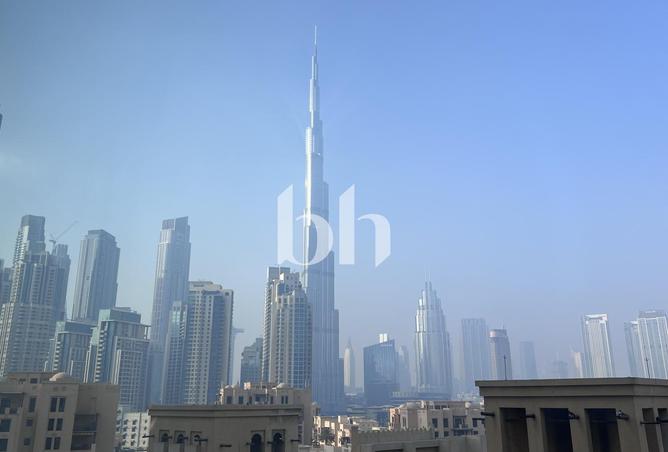

Apartment
Listed 6 days ago
1,849,000 AED
Spacious 1 Bedroom | Burj View | Ready to Move
Bellevue Tower 2, Bellevue Towers, Downtown Dubai, Dubai
1
2
854 sqft
-
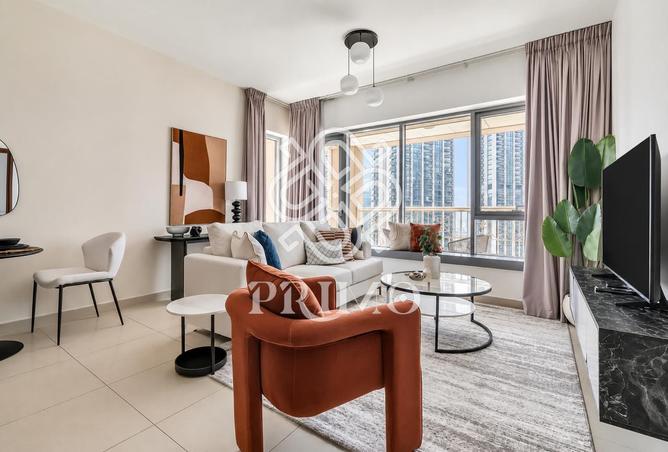
Apartment
Listed 4 weeks ago
1,990,000 AED
Boulevard View | VOT | Excellent Condition
29 Burj Boulevard Tower 1, 29 Burj Boulevard, Downtown Dubai, Dubai
1
2
838 sqft
-
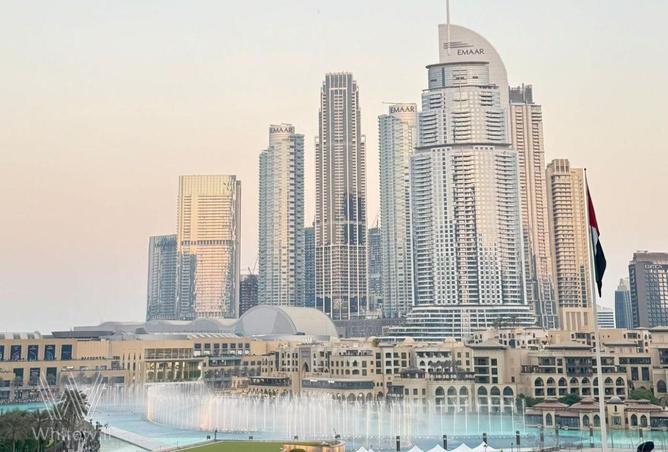
Apartment
Listed 2 weeks ago
5,650,000 AED
Incredible View| Distress |Investor deal|1.2M PHPP
Grande, Opera District, Downtown Dubai, Dubai
2
2
1,201 sqft
-
Apartment
Listed 4 days ago
1,375,000 AED
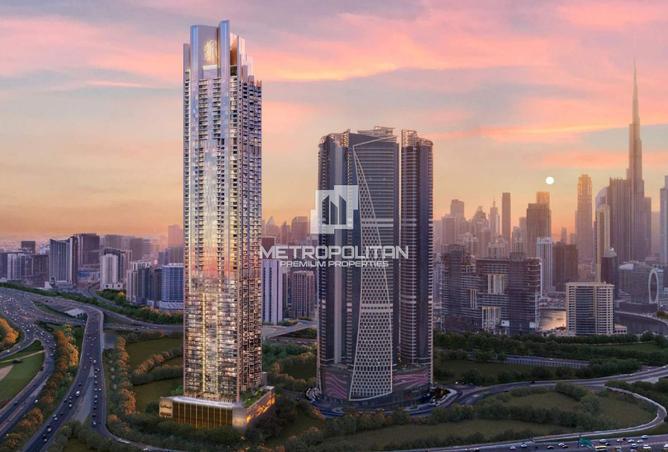
Brand New | High Floor | Elegant Interiors
Regalia By Deyaar, Business Bay, Dubai
1
2
716 sqft
-
Apartment
Listed 3 weeks ago
32,000,000 AED
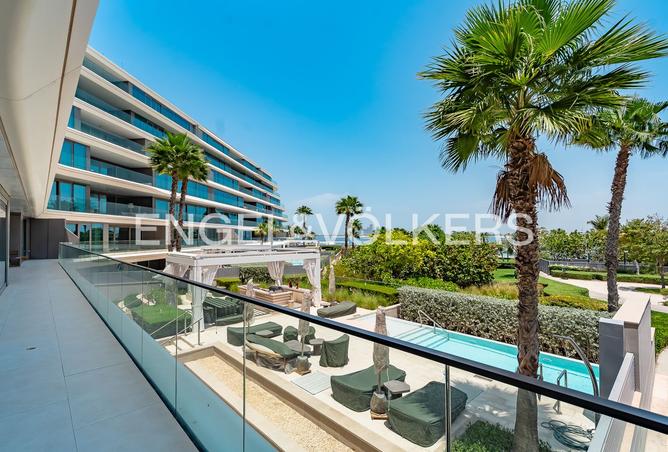
Ultra Luxury | Fully Renovated | Beachfront Living
Mansion 1, W Residences, The Crescent, Palm Jumeirah, Dubai
3
5
6,154 sqft
-

Apartment
Listed 2 weeks ago
5,350,000 AED
Iconic Residence | High Floor | High Yield
One Za'abeel Tower, Zabeel 1, Zabeel, Dubai
1
2
855 sqft
-
Apartment
Listed 2 weeks ago
38,000,000 AED
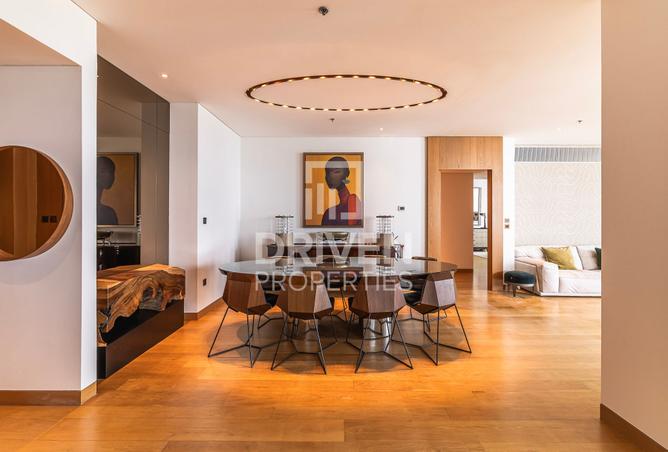
High Floor | Luxurious with Full Skyline Views
Bulgari Resort & Residences 2, Bulgari Resort & Residences, Jumeirah Bay Island, Jumeirah, Dubai
3
4
2,631 sqft
-

Apartment
Listed 2 weeks ago
48,750,000 AED
Corner Terrace | Media Room | Mid Floor
One at Palm Jumeirah, Palm Jumeirah, Dubai
4
5
5,152 sqft
-

Apartment
Listed 2 weeks ago
28,000,000 AED
One Palm Expert | 3 Bedroom | Mid Floor
One at Palm Jumeirah, Palm Jumeirah, Dubai
3
3
2,825 sqft
-
Apartment
Listed 3 days ago
6,500,000 AED
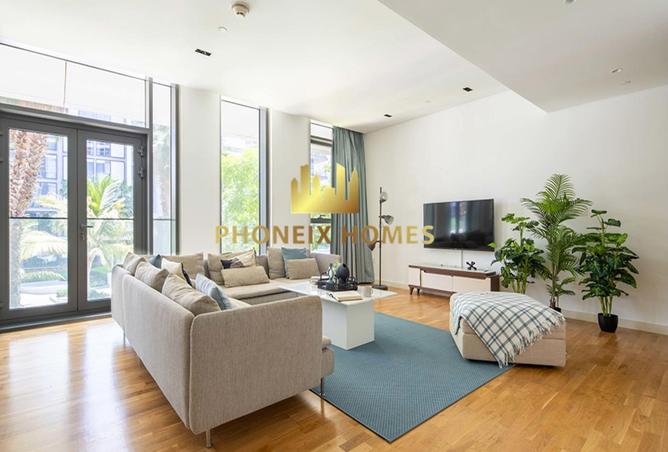
Below Market Price | Exclusive | 2 Beds
Bluewaters Residences Building 5, Bluewaters Residences, Bluewaters, Dubai
2
3
1,352 sqft








Interest rates and charges (2026 snapshot)
Interest rates for a loan against property in Dubai are influenced by market conditions, borrower profile, and the chosen rate structure.
Interest rate structures
Banks in the UAE typically offer:
- Fixed-rate periods ranging from 1 to 5 years, followed by variable rates
- Variable rates linked to EIBOR plus a bank margin
- Islamic financing options with profit rates instead of interest
Current interest rate ranges (2026)
| Borrower type | Fixed rate range (2026) | Variable rate (EIBOR + margin) |
| UAE Nationals | ≈ 3.79% – 3.99% | EIBOR + 1.50% to 1.89% |
| Expats/Residents | ≈ 3.89% – 4.50% | EIBOR + 1.79% to 1.99% |
| Non-residents | ≈ 4.19% – 6.50% | EIBOR + 2.00% to 2.50% |
Other fees and costs
In addition to interest rates, borrowers should consider:
- Processing fees: 0.25% to 1% of the loan amount
- Property valuation fees: Approximately AED 2,500 to AED 3,500
- Mortgage registration fee: Around 0.25% of the loan amount
- Insurance: Mandatory life and property insurance
These costs should be factored into your overall borrowing plan.
Application and approval process for a loan against property in Dubai
Securing a loan against property in Dubai involves a structured process that typically spans a few weeks.
Step-by-step process
- Check eligibility and obtain pre-approval if available
- Submit required documents
- Property valuation by approved assessors
- Credit checks and underwriting
- Loan offer issuance and signing
- Registration with the Dubai Land Department and fund disbursement
Using tools like Property Finder’s Data Guru can help you estimate property values and trends before applying, giving you a realistic expectation of your loan eligibility.
Timeline
| Applicant type | Typical timeline |
| Salaried employees / UAE Nationals | 3–5 weeks |
| Self-employed / Expats | 4–6 weeks |
| With pre-approval | 1–2 weeks (initial) |
Working with a Property Finder SuperAgent can also simplify the process, as these verified professionals are recognised for their expertise and can guide you through documentation and lender comparisons.
Tips to improve terms and eligibility for a loan against property in Dubai
Securing better terms on a loan against property in Dubai often comes down to preparation and strategy.
- Opt for salary transfer arrangements to access lower interest rates
- Maintain a strong credit score and reduce existing liabilities
- Choose properties in high-demand areas to improve valuation
- Lock in fixed rates when market conditions are favourable
- Compare multiple lenders before finalising your loan
Even small improvements in your financial profile can lead to better rates and higher borrowing capacity.
Key takeaways
A loan against property in Dubai is a flexible financing option that allows property owners to access funds without selling their assets. UAE Nationals benefit from higher LTV ratios, while expats and non-residents face slightly stricter criteria. Interest rates in 2026 remain competitive, with both fixed and variable options available. The approval process typically takes 4 to 6 weeks, and careful financial planning can significantly improve loan terms.
FAQs
No, 85% LTV is generally reserved for UAE Nationals. Expats typically qualify for up to 80%.
EIBOR is the benchmark interest rate used by UAE banks. Variable loan rates are linked to EIBOR, so changes in it directly impact your repayments.
It typically takes 3 to 5 weeks for salaried applicants and 4 to 6 weeks for self-employed or expat applicants.
Yes, most banks offer fixed-rate options for 1 to 5 years before switching to variable rates.
Processing fees, valuation charges, registration fees, and insurance costs are standard additional expenses.