



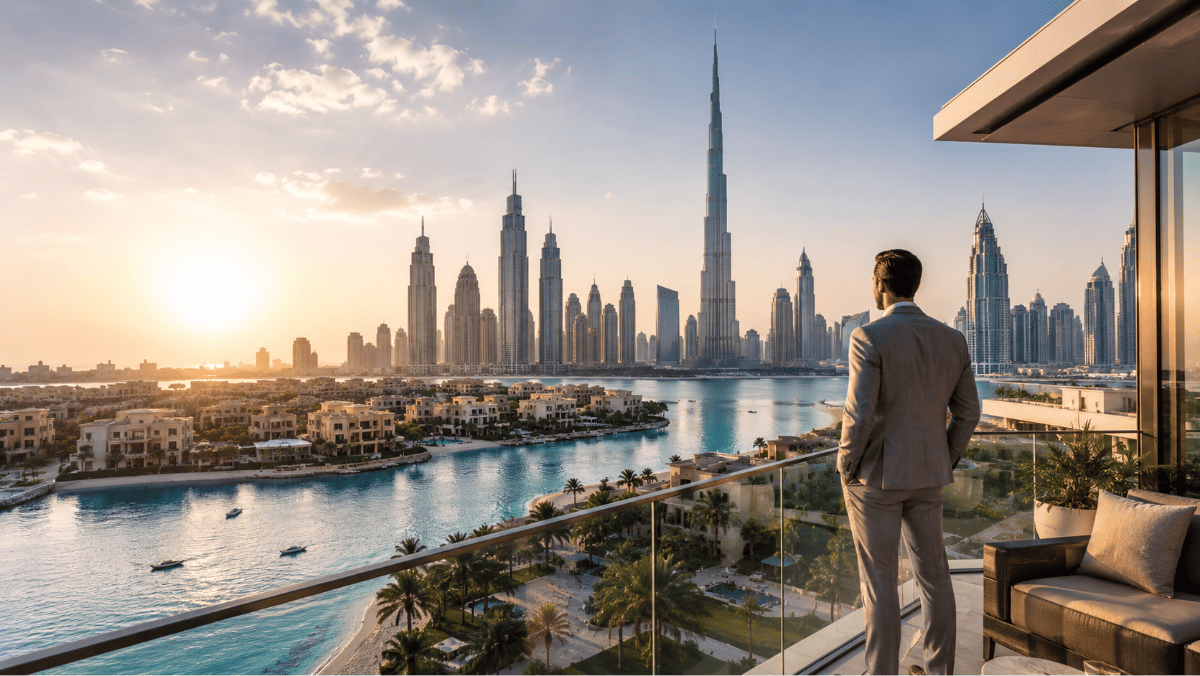
Wealthy investors rarely place their money in just one place. Instead, high-net-worth individuals (HNWIs) typically focus on preserving wealth, generating stable returns, and gaining access to assets with long-term appreciation potential. Real estate, private equity, global equities, luxury assets, and alternative investments all play a role in their portfolios.
In recent years, Dubai has emerged as one of the most attractive destinations for affluent investors due to its tax-friendly environment, luxury lifestyle, strong infrastructure, and growing property market. From ultra-luxury villas in Palm Jumeirah to branded residences in Downtown Dubai, HNWIs are increasingly looking for secure markets that combine prestige with returns. Dubai’s luxury residential market has remained among the strongest globally, attracting international wealth from Europe, Asia, and the Middle East.
- Why High Net Worth Individuals Invest Differently
- Real Estate: The Favourite Investment of HNWIs
- Top Areas Where HNWIs Purchase Property in Dubai
- Off-Plan vs Ready Properties: Where HNWIs Are Putting Their Money
- Why Dubai Appeals to Wealthy Investors
- Key Takeaways
- FAQs
Why High Net Worth Individuals Invest Differently

Unlike average investors who may focus heavily on short-term gains, high-net-worth individuals (HNWIs) tend to prioritise wealth preservation, diversification, and long-term capital growth. Their investment strategies often blend stable assets with higher-growth opportunities.
For example, many HNWIs invest in:
- Prime residential and commercial real estate
- Private equity and venture capital
- Global stock portfolios
- Luxury assets such as art, watches, yachts, and collectables
- Alternative investments, including family offices and structured wealth products
Property remains especially attractive because it provides both capital appreciation and recurring rental income. In global wealth reports, affluent investors consistently rank premium real estate among their preferred asset classes, particularly in international hubs offering stability and tax advantages.
Real Estate: The Favourite Investment of HNWIs
Property remains one of the strongest choices for high-net-worth individuals (HNWIs) because it combines status, financial security, and long-term appreciation. Luxury property markets often outperform during periods of inflation, making premium real estate a useful hedge against economic uncertainty.
Dubai has become particularly attractive due to:
- No personal income tax
- Strong rental demand
- High-quality branded residences
- Residency incentives, such as long-term visas linked to property ownership
- Strong global connectivity
Rather than speculative investing, many wealthy buyers focus on trophy assets in established communities where supply is limited, and prestige remains high.
Top Areas Where HNWIs Purchase Property in Dubai

When it comes to luxury property, HNWIs tend to favour communities that combine exclusivity, waterfront living, lifestyle amenities, and strong long-term appreciation.
Palm Jumeirah
Perhaps the strongest symbol of Dubai luxury, Palm Jumeirah consistently attracts ultra-high-net-worth buyers seeking beachfront villas, penthouses, and branded residences. Limited supply and global prestige make this one of Dubai’s most resilient luxury markets. Demand for ultra-prime homes here has increased significantly due to international investor interest and limited inventory.
Explore the Available Penthouses for Sale in Palm Jumeirah
-
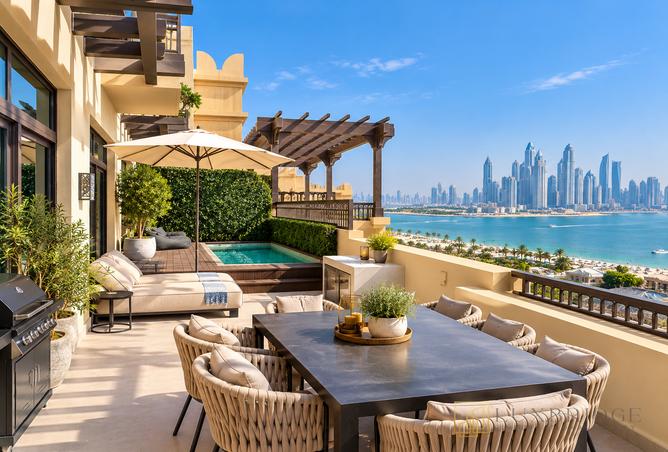

Penthouse
Listed 2 weeks ago
19,500,000 AED
High End Upgrades | Furnished | Full Sea View
The Fairmont Palm Residence North, The Fairmont Palm Residences, Palm Jumeirah, Dubai
4
5
4,120 sqft
-

Penthouse
Listed 5 days ago
65,000,000 AED
Palm View | High Floor | Private Pool | Duplex
Six Senses Residences, The Crescent, Palm Jumeirah, Dubai
4
5
6,454 sqft
-
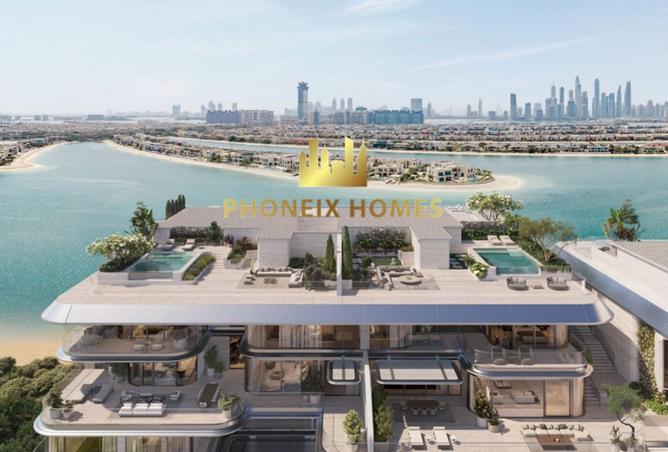
Penthouse
Listed 2 weeks ago
145,000,000 AED
Dorchester Penthouse|20000 Sq ft |Shell & Core
Orla by Omniyat, The Crescent, Palm Jumeirah, Dubai
6
6
45,809 sqft
-

Penthouse
Listed 6 days ago
26,900,000 AED
PALM AND SEA VIEW | CORNER UNIT | GENUINE RESALE
Six Senses Residences, The Crescent, Palm Jumeirah, Dubai
3
4
4,091 sqft
-
Penthouse
Listed 2 days ago
400,000,000 AED
Iconic 5BR Penthouse | Palm Jumeirah
AVA at Palm Jumeirah By Omniyat, Palm Jumeirah, Dubai
5
6
32,160 sqft
-
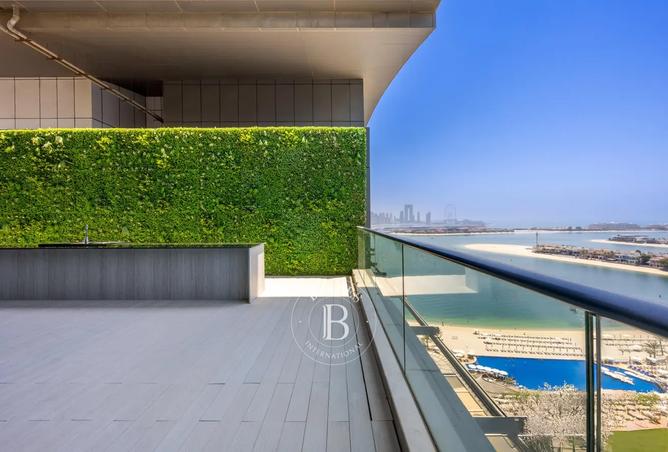
Penthouse
Listed 5 days ago
16,995,000 AED
Fully Renovated And Furnished 4 Bed Penthouse
Oceana Aegean, Oceana, Palm Jumeirah, Dubai
4
5
5,304 sqft
-
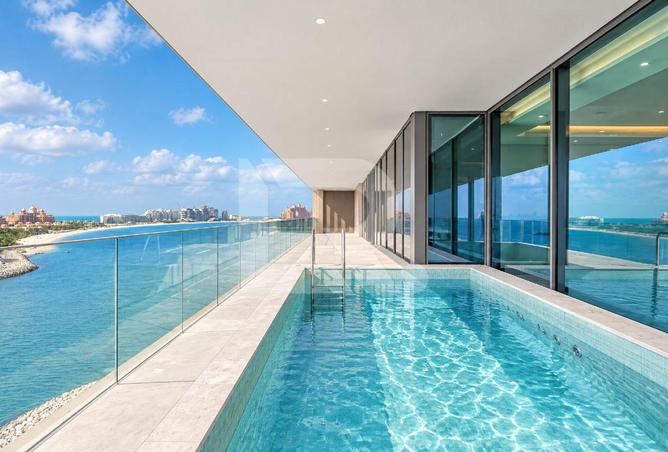
Penthouse
Listed 1 week ago
50,000,000 AED
Royal PH | Private Pool | View Today | Sea View
Six Senses Residences, The Crescent, Palm Jumeirah, Dubai
4
5
7,352 sqft
-

Penthouse
Listed 3 weeks ago
36,500,000 AED
Ultra-Luxury | Private Elevator | Beach Access
Mansion 1, W Residences, The Crescent, Palm Jumeirah, Dubai
3
4
7,021 sqft
-
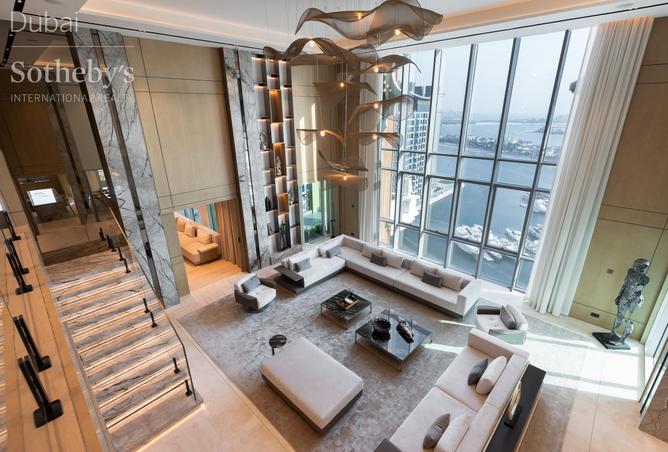
Penthouse
Listed 4 months ago
55,000,000 AED
Voluminous Quadruplex Penthouse on Palm Jumeirah
Marina Residences 1, Marina Residences, Palm Jumeirah, Dubai
6
7
13,095 sqft
-
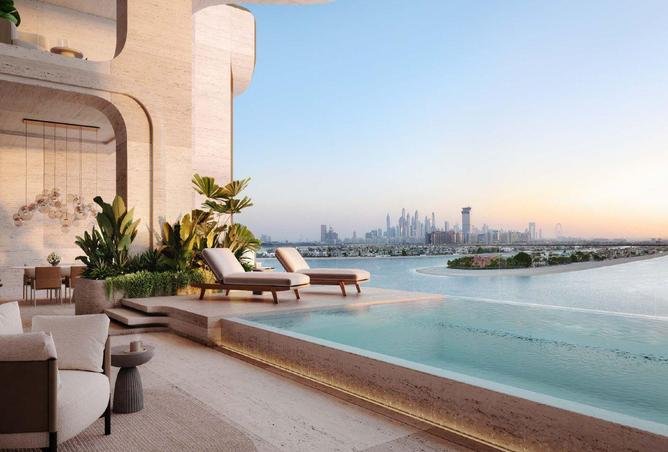
Penthouse
Listed 3 weeks ago
127,500,000 AED
Double Aspect View, Expansive 4BR Simplex, Corner
The Alba by Omniyat, The Crescent, Palm Jumeirah, Dubai
4
6
16,350 sqft










Downtown Dubai
Home to luxury apartments with iconic skyline views, Downtown Dubai attracts wealthy investors seeking prestige and central access. Branded residences and high-end towers near the Burj Khalifa remain particularly popular.
Dubai Hills Estate
For families and long-term investors, Dubai Hills Estate offers luxury villas, golf-course living, and strong lifestyle appeal. Many HNWIs prefer this community because it balances exclusivity with practicality.
Dubai Marina
Affluent international buyers continue investing in Dubai Marina for luxury waterfront apartments for sale in Dubai and strong short-term rental performance.
Emirates Hills
Often described as Dubai’s equivalent of Beverly Hills, Emirates Hills attracts ultra-wealthy individuals seeking custom mansions and gated privacy.
Business Bay
Luxury-branded residences and premium investment opportunities continue to attract wealthy buyers to Business Bay, especially among international professionals and overseas investors.
Dubai Creek Harbour
HNWIs increasingly view Dubai Creek Harbour as a future-growth district with luxury waterfront potential and large-scale master planning.
Off-Plan vs Ready Properties: Where HNWIs Are Putting Their Money
One of the most interesting trends among high-net-worth individuals (HNWIs) is how they split investments between off-plan and ready properties.
In Dubai, off-plan transactions now contribute roughly 60–68% of total residential deals, while ready properties account for approximately 32–40%, depending on the quarter and market segment.
Wealthy investors have increasingly embraced off-plan opportunities due to flexible payment structures and the potential for capital appreciation. However, HNWIs do not treat off-plan and ready assets the same way.
Off-Plan Investments
Many wealthy investors allocate capital to off-plan luxury developments because:
- Launch pricing can be lower than comparable ready stock
- Flexible payment plans improve capital efficiency
- Premium branded projects may appreciate before handover
- New developments often offer stronger lifestyle features
Off-plan properties in Dubai are especially popular among investors targeting long-term capital gains in communities such as Dubai Creek Harbour, Palm Jumeirah, and luxury towers in Business Bay. Industry data suggests off-plan launches may enter the market at discounts of around 10–25% below comparable ready assets, depending on location and developer.
Ready Property Investments
At the same time, ready properties for sale in Dubai remain highly attractive for HNWIs focused on stable income. Wealthy buyers choose ready assets because they offer:
- Immediate rental income
- Greater certainty around quality and delivery
- Lower construction risk
- Easier financing options
Communities such as Downtown Dubai, Dubai Marina, and Emirates Hills continue to attract affluent buyers looking for premium-ready assets with strong occupancy potential.
Many experienced investors actually combine both strategies: off-plan for appreciation and ready assets for income generation. Growth-focused buyers favour off-plan, while income-focused investors lean toward completed homes.
Why Dubai Appeals to Wealthy Investors
Dubai’s attractiveness to wealthy investors goes far beyond luxury properties. Several factors continue to drive HNWI investment, such as:
- Tax efficiency: No personal income tax remains one of Dubai’s strongest attractions.
- Global lifestyle appeal: Luxury hospitality, private healthcare, elite education, and premium retail attract affluent residents.
- Political and economic stability: Many international investors see Dubai as a strategic hub for preserving wealth.
- Residency opportunities: Long-term residency pathways linked to property ownership strengthen confidence among overseas investors.
- Strong luxury market performance: Dubai’s prime residential market has repeatedly ranked among the world’s top-performing luxury markets in recent years.
- Risks HNWIs Consider Before Investing: Even wealthy investors remain cautious.
Before committing capital, HNWIs typically evaluate:
- Market cycles and pricing peaks
- Oversupply risks in certain segments
- Developer reputation for off-plan projects
- Rental demand sustainability
- Service charges and maintenance costs
For off-plan projects, due diligence around developer credibility and escrow protections remains essential. Investors often highlight concerns about delays and delivery timelines, especially with developers outside established channels.
Key Takeaways
For high-net-worth individuals (HNWIs), real estate remains one of the most attractive investment categories due to its combination of prestige, wealth preservation, and recurring income. In Dubai, luxury communities such as Palm Jumeirah, Downtown Dubai, Dubai Hills Estate, and Emirates Hills continue attracting affluent investors seeking both lifestyle and returns. Off-plan properties now account for the majority of Dubai transactions, often around 60–68% of deals, while ready properties remain essential for immediate rental income and lower risk. Rather than choosing one approach, many HNWIs combine off-plan appreciation opportunities with income-generating ready assets to create balanced portfolios.
FAQs
Many high-net-worth individuals (HNWIs) invest heavily in real estate, private equity, global stocks, and alternative assets. Luxury residential property often plays a major role because it combines long-term appreciation with recurring income.
Dubai attracts wealthy investors due to tax efficiency, luxury lifestyle offerings, strong infrastructure, global connectivity, and premium real estate opportunities. The city has also become a preferred destination for international wealth migration.
It depends on their investment goal. Growth-focused investors often prefer off-plan properties for capital appreciation, while income-focused buyers typically choose ready properties for immediate rental returns. Many wealthy investors diversify between both.
Popular luxury communities include Palm Jumeirah, Downtown Dubai, Emirates Hills, Dubai Hills Estate, Dubai Marina, and Business Bay, all known for premium amenities and strong prestige value.