


Short-term rental investment in Dubai has rapidly evolved into one of the most attractive real estate strategies for 2026, driven by strong tourism demand, flexible regulations, and competitive returns. As global travel patterns continue to favour shorter, experience-driven stays, Dubai’s holiday home market offers investors the opportunity to generate higher yields compared to traditional long-term leasing.
With a well-regulated framework overseen by the Department of Economy and Tourism, the city provides a transparent and investor-friendly environment that supports both individual owners and professional operators. From luxury apartments in Downtown Dubai to waterfront properties in Dubai Marina, the variety of options allows investors to align their strategy with different budgets and target audiences.
This guide explores everything you need to know about short-term rental investment in Dubai for 2026, including how the market works, the latest regulations, expected returns, and the practical steps required to get started successfully.
- What Are Short-Term Rentals in Dubai?
- Legal and Regulatory Framework for 2026
- Benefits of Short-Term Rental Investments
- Best Areas and Market Demand into 2026
- Investment Yields and Earnings Potential
- How to Get Started and Manage
- Key Takeaways
- Frequently Asked Questions (FAQs)

What Are Short-Term Rentals in Dubai?
In Dubai, short-term rentals, often referred to as holiday homes, are fully furnished apartments, villas, or townhouses that are leased for stays ranging from a few days to several months. For tourists and business travellers seeking flexibility, booking a short-term flat for rent in Dubai provides a ready-to-move-in home with premium amenities and no long-term lease commitment.
These properties are designed to provide hotel-like convenience with the added comfort of residential living. Many include utilities, housekeeping services, and access to premium amenities such as pools, gyms, and concierge services. Luxury units, particularly in areas like Dubai Marina and Downtown Dubai, cater to high-end travellers and command significantly higher daily rates.
A defining feature of short-term rental investment in Dubai is the regulatory framework. Every unit must be licensed by the Department of Economy and Tourism to ensure safety, quality, and transparency across the market. Minimum stays typically range from 1 to 3 nights, though this can vary by season and demand.
Legal and Regulatory Framework for 2026
Dubai has built a robust regulatory environment that supports short-term rental investment while maintaining high standards across the sector. The Department of Economy and Tourism oversees licensing, compliance, and enforcement.
Recent updates have strengthened oversight, including stricter monitoring of unlicensed listings and the mandatory display of QR codes for approved properties. Notably, there is no cap on the number of short-term rentals in the market, reinforcing Dubai’s investor-friendly stance.
Required Documents for Registration
| Document | Description |
| Emirates ID | Identification of the owner or tenant |
| Title Deed or Lease Agreement | Proof of ownership or tenancy |
| NOC from Landlord | Required if subletting |
| Building Permit | Applicable for certain property types |
| Commercial License | Required for professional operators |
Registration Process
The process for setting up a short-term rental investment is straightforward and typically completed within two weeks:
- Create an account on the DET Holiday Homes portal
- Submit property details, including size, layout, and occupancy limits
- Upload all required documentation
- Pay applicable registration fees
- Undergo property inspection for safety compliance
- Receive an annual licence upon approval
2026 Fees
| Fee Type | Amount (AED) |
| Registration Fee | 1,500 |
| Knowledge Fee | 10 |
| Innovation Fee | 10 |
| Total Registration | 1,520 |
| Guest Fee | 15 per room per night |
Owners are limited to managing up to eight properties under a single licence. Expanding beyond this requires a commercial trade licence. While there is no personal income tax, Tourism Dirham fees and VAT on management services still apply.
Community rules must also be respected, including guidelines on noise, parking, and occupancy. Non-compliant listings are actively removed from platforms, underscoring the importance of regulatory compliance. A clear understanding of compliance frameworks, including differences between rental benchmarks and valuation standards, helps investors avoid costly mistakes.
Benefits of Short-Term Rental Investments

The rise of short-term rental investment in Dubai is closely tied to its strong tourism sector and flexible property laws. Investors benefit from higher yields and greater control compared to traditional leasing models.
From a landlord’s perspective, flexibility is a major advantage. Owners can choose when to rent out their property and when to use it personally. Rental rates can be dynamically adjusted based on demand, enabling higher returns during peak seasons.
Tenants and guests also benefit from the model. Short-term rentals offer fully furnished, ready-to-move-in spaces with no long-term commitment. Utilities, maintenance, and services are often included, making them particularly attractive to tourists and business travellers.
Compared to long-term rentals, short-term rental investments offer greater pricing flexibility and income potential, but they also require more active involvement. Maintaining quality standards, upgrading interiors, and improving the guest experience often play a crucial role in performance, particularly when considering smart ways to renovate rental interiors for higher returns.
Best Areas and Market Demand into 2026
Demand for short-term rental investment in Dubai continues to evolve, driven by shifting traveller behaviour and global mobility trends. Younger travellers are favouring flexible stays, while European visitors are extending their stays during cooler months.
Despite a modest increase in supply, the market remains resilient. Occupancy rates and pricing have improved, especially for well-managed, high-quality properties.
Popular districts such as Palm Jumeirah, Jumeirah Beach Residence, and Business Bay consistently deliver strong performance. Average daily rates range from AED 600 to AED 700, with premium properties achieving even higher rates.
The market has matured significantly. Platforms now prioritise licensed and professionally managed listings, while enforcement measures have removed unregulated operators. This shift has strengthened trust and stability, making short-term rental investment more appealing.
Evaluating listing reliability and ensuring compliance are essential, especially when applying practical methods to verify property authenticity before leasing in the UAE.
Investment Yields and Earnings Potential
One of the main drivers behind short-term rental investment is its strong earning potential. In 2026, well-positioned properties in Dubai can yield up to 9%.
Daily rental rates typically start at AED 600 and can exceed AED 700 in high-demand areas. Luxury units and professionally managed properties often command higher rates due to superior service and presentation.
Seasonality influences income variation. Summer months may see a temporary dip in occupancy and pricing. However, peak tourist seasons typically offset these fluctuations, ensuring consistent annual returns.
With proper documentation and preparation, properties can be listed and operational within 10 to 14 days. This quick turnaround adds to the appeal of short-term rental investment for investors seeking faster income generation.
How to Get Started and Manage
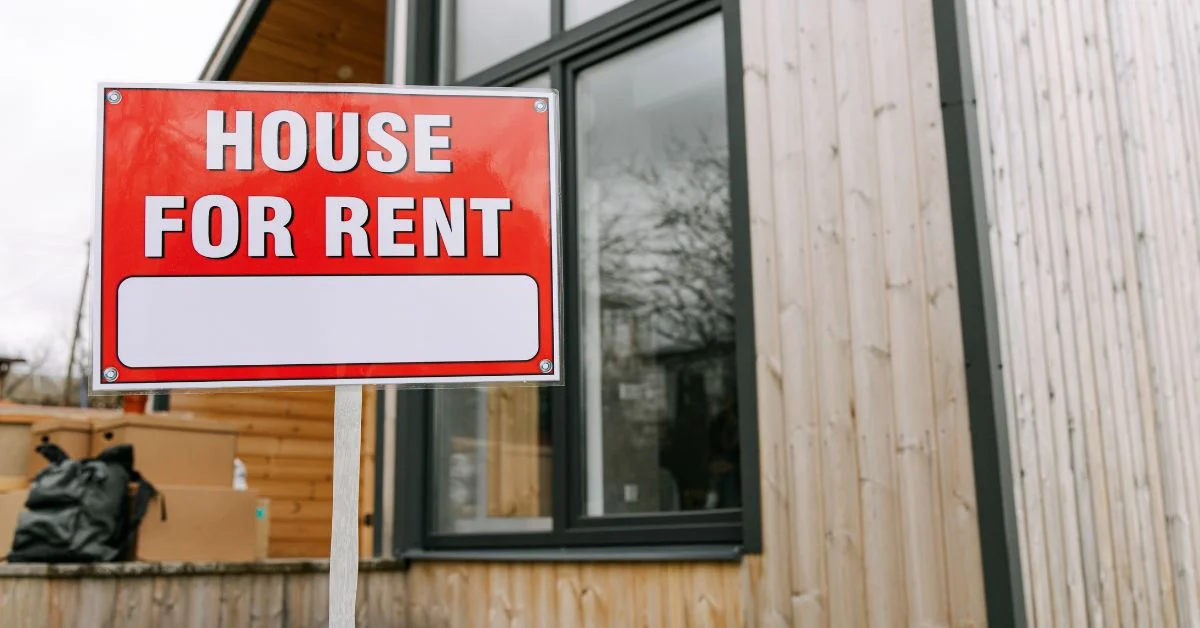
Entering the short-term rental investment market in Dubai involves a structured but accessible process.
First, secure a suitable property in a high-demand area. If the property is leased, obtain a No Objection Certificate from the landlord. Once documentation is ready, register the property through the DET portal and obtain the required licence.
Insurance is highly recommended to protect against property damage and liability risks. While not mandatory, it provides an additional layer of security for investors.
Many investors choose to work with professional management companies. These firms handle bookings, guest communication, cleaning, and maintenance, ensuring consistent service quality and optimised pricing strategies.
Finally, listing the property on major platforms and adjusting pricing to align with demand cycles is essential. Delivering a high-quality guest experience remains the most important factor in sustaining returns from short-term rental investment.
Key Takeaways
Short-term rental investment in Dubai continues to stand out in 2026 as a flexible, high-performing strategy in the real estate market. With a clear and well-enforced regulatory framework, investors can operate confidently while benefiting from a straightforward licensing process and relatively low registration costs. The ability to manage up to eight properties under a single licence, combined with the absence of personal income tax, enhances its appeal.
Market conditions remain strong, supported by steady international demand and evolving travel behaviours that favour short, flexible stays. Prime areas such as Dubai Marina and Downtown Dubai continue to deliver competitive yields, often reaching up to 9% for well-managed properties. While seasonality can influence short-term performance, consistent occupancy and strategic pricing help balance returns across the year.
Ultimately, success in short-term rental investment depends on maintaining high property standards, staying compliant with regulations, and adopting a proactive management approach. Investors who focus on quality, location, and guest experience are best positioned to achieve sustainable returns in Dubai’s growing holiday home sector.
Frequently Asked Questions (FAQs)
Yes, all holiday homes must be registered and licensed through the Department of Economy and Tourism, with annual renewal required.
An individual licence allows up to eight properties. Managing more requires a commercial licence.
Short-term rental investments can yield up to 9% in prime locations, with daily rates averaging AED 600-700.
Insurance is not compulsory but is strongly recommended to cover property damage and liability risks.
With all documents ready, a property can typically be listed and operational within 10 to 14 days.