




Dubai’s rental market is entering a clear phase of normalisation as 2026 progresses, with price movements increasingly reflected in Property Finder’s rent price forecast, which is based on Dubai Land Department (DLD) rental transaction data. Developed by Property Finder using this dataset, the forecast provides a structured view of how communities are expected to perform through the remainder of the year, particularly across Q3 and Q4.
The latest forecast indicates that apartment-heavy districts are experiencing the most visible adjustment, driven by rising supply and higher tenant mobility. At the same time, more established villa and waterfront communities continue to demonstrate relative stability, supported by long-term demand fundamentals and limited new supply.
Rather than a uniform market shift, the data points to clear divergence across Dubai’s residential landscape. Some communities are entering mild growth phases, others are stabilising, while select areas show softer trajectories where supply pressures are strongest.
- Dubai’s Rental Market Is Entering a New Phase in 2026
- Key Highlights for Q3–Q4 2026
- DLD Rental Transactions Data: What the Numbers Show in 2026
- What Is the RERA Smart Rental Index?
- How the RERA Rental Index Determines Legal Rent Increases
- DLD Rental Transactions Data: What the Numbers Show in 2026
- Areas Where Dubai Rents Are Dropping in 2026
- Areas Where Rents Are Stabilising Instead of Falling
- Dubai Community-Level Rental Price Forecast: A 2026 Outlook
- Why New Housing Supply Is Reshaping Dubai’s Rental Market
- What Tenants Should Expect in Q3–Q4 2026
- What Investors and Landlords Should Watch
- Property Finder Forecast for Dubai Rent Prices Through End of 2026
- Key Takeaways
- FAQs
Dubai’s Rental Market Is Entering a New Phase in 2026

The Dubai rental boom is officially transitioning into a cooling phase as we approach the final months of 2026. Property Finder forecasted rental prices for the remainder of the year using Dubai Land Department (DLD) transaction data, indicating that apartment-heavy districts are expected to experience flatter rental growth through Q3 and Q4 2026. Market activity is also becoming more selective as tenants and landlords adjust to slower rental growth across several communities.
Property Finder anticipates modest corrections or flat growth in several apartment-heavy communities. This normalisation period is vital to the city’s long-term competitiveness, ensuring that housing remains accessible to the growing professional population.
Highlights for Q3–Q4 2026
Property Finder expects a noticeable slowdown in rent increases in the second half of 2026, particularly within the apartment sector. As more buildings reach completion, the higher supply pipeline is fostering a more competitive environment for landlords, with some owners offering incentives such as flexible payment plans, rent-free periods, and upgraded amenities to maintain occupancy levels
Key trends:
- Expected slowdown in rent increases across apartments.
- A higher supply pipeline is creating more competition among unit owners.
- Villas and established family communities like Arabian Ranches remain more resilient.
- Lease renewals are currently outstripping new contracts in many districts.
- Increased tenant negotiating power in areas identified as oversupplied.
- Major handovers in Dubai South and Arjan are reshaping regional price benchmarks.
Explore the Available Villas for Sale in Arabian Ranches
-
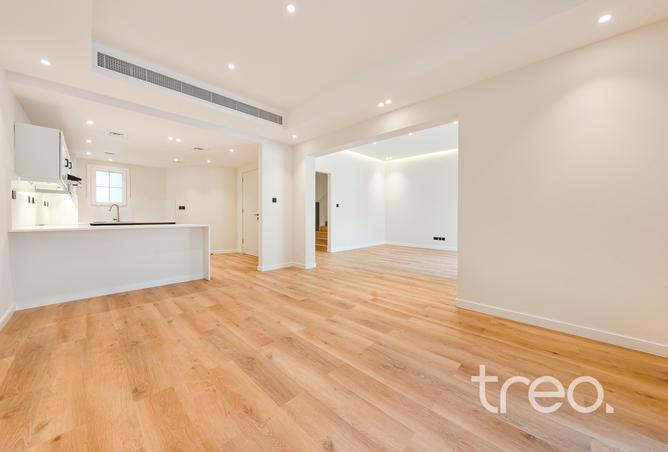

Villa
Listed 2 weeks ago
6,495,000 AED
5 BR Townhouse | Single Row | Largest Layout
Al Reem 2, Al Reem, Arabian Ranches, Dubai
5
4
2,500 sqft
-

Villa
Listed 2 days ago
7,700,000 AED
Pool | Vacant On Transfer | Upgrades
Saheel 2, Saheel, Arabian Ranches, Dubai
3
4
5,817 sqft
-
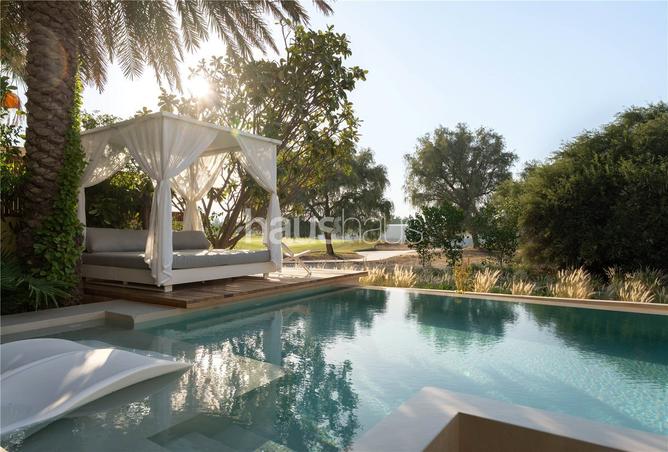
Villa
Listed 4 weeks ago
19,950,000 AED
Sunset Living | Contemporary | Masterpiece
Al Mahra, Arabian Ranches, Dubai
6
7
8,259 sqft
-

Villa
Listed 1 day ago
17,800,000 AED
Best-Priced Upgraded Golf Course Villa
Savannah, Arabian Ranches, Dubai
5
5
8,262 sqft
-
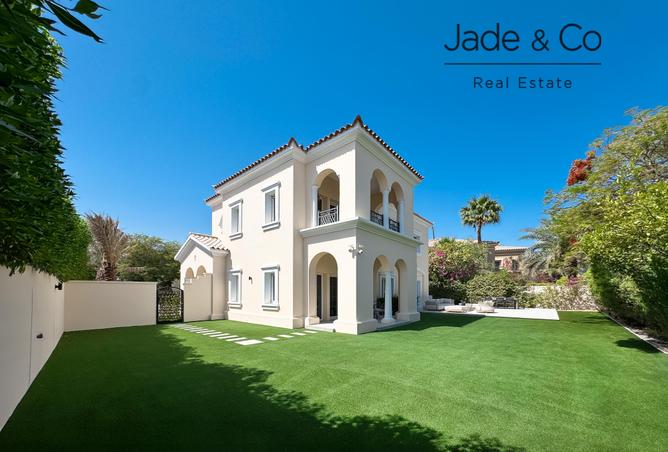
Villa
Listed 2 days ago
10,450,000 AED
Exclusive | Fully Upgraded | Spacious Plot
Alvorada 4, Alvorada, Arabian Ranches, Dubai
3
4
7,596 sqft
-
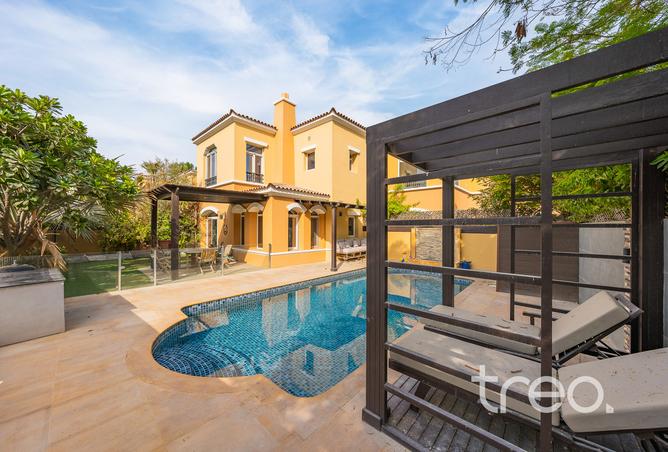
Villa
Listed 1 week ago
5,650,000 AED
Extended | Type B | Large Plot with Pool
Palmera 1, Palmera, Arabian Ranches, Dubai
3
3
3,382 sqft
-
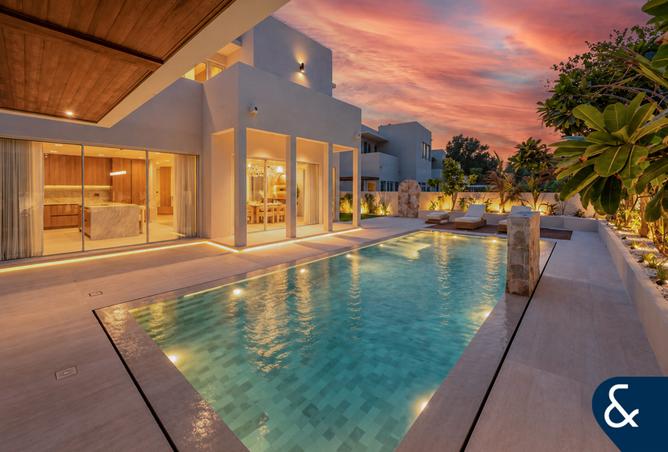
Villa
Listed 1 month ago
11,950,000 AED
4 Bedrooms | Fully Upgraded | Exclusive
Saheel 3, Saheel, Arabian Ranches, Dubai
4
4
6,931 sqft
-

Villa
Listed 3 days ago
5,980,000 AED
Turnkey | Incredible Location | Private Pool
Al Reem 2, Al Reem, Arabian Ranches, Dubai
3
3
2,745 sqft
-
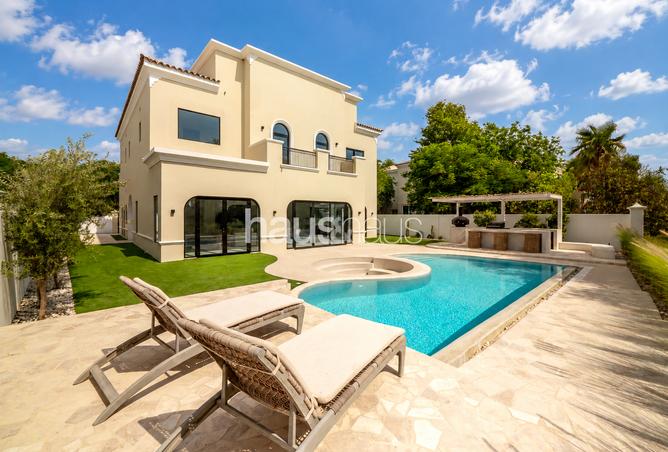
Villa
Listed 6 days ago
18,999,000 AED
Exceptional Views | Golf Course Backing | Turnkey
La Avenida 2, La Avenida, Arabian Ranches, Dubai
5
6
7,873 sqft
-
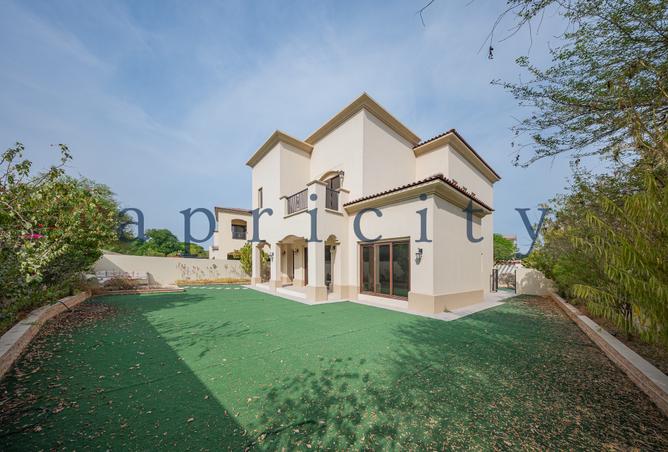
Villa
Listed 1 week ago
9,300,000 AED
Cheapest 5 Bedroom | Vacant | Vastu Compliant
Aseel, Arabian Ranches, Dubai
5
4
6,036 sqft









What Is the RERA Smart Rental Index?
The Real Estate Regulatory Agency (RERA) serves as the primary governing body for the Dubai property market, ensuring transparency in the relationship between residents and licensed professionals. The Smart Rental Index is the modern evolution of the traditional rental calculator, utilising artificial intelligence to provide real-time updates based on actual market activity rather than static data points.
This index is a cornerstone of the market, taking into account the building quality, property age, maintenance standards, and current area demand. By integrating real transaction data, the index provides a fair benchmark that prevents artificial price inflation. This tool is essential for both residents and landlords to rely on during renewal discussions, ensuring that any proposed adjustments remain within legal bounds.
How the RERA Rental Index Determines Legal Rent Increases
When landlords can legally increase rent
In Dubai, any proposed rent increase must be communicated to the tenant at least 90 days prior to the contract expiry date. The Smart Rental Index determines the maximum percentage increase a landlord can charge based on how far the current rent is below the average market rate. If the existing lease is within the market range, no increase is permitted under current regulations.
How the Smart Rental Index changed the market
The index has introduced a layer of transparency that was previously missing. In mature communities such as Al Barsha, the gap between asking rents and actual market values has narrowed significantly. This data-driven approach has resulted in smaller renewal increases, making it easier for residents to manage their housing costs while providing landlords with a clear framework for yield management.
Common misunderstandings tenants still have
Several misconceptions about rental regulations remain common among tenants:
- Landlords cannot increase rent at any time without proper notice.
- The Smart Rental Index does not automatically reduce rents.
- The regulations apply to villas as well as apartments.
These clarifications are becoming increasingly important as Property Finder’s rent price forecast points toward slower market growth across the remainder of 2026.
DLD Rental Transactions Data: What the Numbers Show in 2026
Dubai Land Department (DLD) data reflects a rental market that remains active while gradually moving toward equilibrium. The first quarter of 2026 recorded strong transaction activity despite slower rent growth.
Official DLD figures showed:
- AED 32.2 billion in rental contract value
- 118,385 new rental contracts
- 135,607 renewal contracts
Renewals continuing to outpace new leases is considered a sign of market stabilisation. It suggests tenants are choosing to remain in existing homes rather than aggressively competing for limited inventory.
Recent DLD transactions also highlight significant pricing variations across Dubai communities. In Dubai Marina, rental agreements in developments such as JAM Marina Residence reached AED 150,000 annually, while premium waterfront properties on Palm Jumeirah recorded leases above AED 200,000. Luxury villa communities, including Mohammed Bin Rashid City, also continued to attract high-value rental contracts, with District One Villas registering leases of around AED 800,000.
At the same time, mid-market and affordable apartment districts continue generating strong transaction activity. Communities such as Jumeirah Village Circle, Discovery Gardens, International City, Dubai Production City (IMPZ), and Dubai Silicon Oasis recorded numerous rental contracts ranging between AED 31,000 and AED 75,000, reflecting steady demand from budget-conscious tenants.
What These Numbers Mean for Tenants and Investors
These figures demonstrate that while demand remains healthy, rent inflation is clearly slowing down. The shift from aggressive appreciation toward sustainable growth is evident in the declining number of contract cancellations. For those looking to invest, even in premium districts, transaction values are aligning more closely with sustainable yields.
Areas Where Dubai Rents Are Dropping in 2026
Apartment-led communities are showing varying rental trajectories, with forecasted price movements by district, with several areas indicating softer pricing in late 2026. The table data shows declines or flat-to-soft trends in select communities, particularly in the apartment segment, while others remain stable.
This analysis is based on Property Finder’s rent price forecast data combined with DLD rent transaction data, reflecting both forward-looking pricing expectations and realised market activity.
This reflects community-level divergence in forecasted apartment values, rather than a uniform market-wide decline.
Business Bay
With moderating price momentum in the forecast data, Business Bay shows a mixed-to-stable trend profile across 2026 projections. One-bedroom apartments are part of a high-liquidity rental market with frequent contract turnover, as indicated by transaction activity patterns in the DLD dataset.
Tenant pricing is influenced by ongoing variation in unit-level pricing within the community, where different buildings reflect different transaction bands rather than a single unified trend.
Jumeirah Village Circle (JVC)
Jumeirah Village Circle shows a generally stable-to-soft forecast trajectory in the dataset, with several monthly points indicating limited movement throughout the year. Studios and one-bedroom apartments for rent in JVC fall within a lower-to-mid price band compared to central districts, according to Property Finder forecasts and DLD data.
Jumeirah Lakes Towers (JLT)
JLT shows a largely stable price pattern across the forecast period, with only minor month-to-month variation. This indicates limited directional movement in apartment pricing through late 2026.
Dubai Silicon Oasis
In Dubai Silicon Oasis, tenants have become increasingly price-sensitive as new supply enters the market. The dataset shows values rising from AED 1,250,000 (Apr 2026) to AED 1,634,930 (Dec 2026), indicating mixed pressure dynamics rather than a straight decline.
Additional residential supply is limiting landlords’ ability to implement large rental increases. May 2026 DLD transactions show units in Dubai Silicon Oasis renting for AED 179,313.75, reinforcing the community’s affordability-sensitive profile.
International City
Budget communities often respond most quickly to supply increases, and International City shows a gradual upward movement from AED 630,000 (Apr 2026) to AED 777,000 (Dec 2026) in the forecast table. Tenants, therefore, have stronger negotiating opportunities than in premium districts, despite nominal price growth.
Areas Where Rents Are Stabilising Instead of Falling
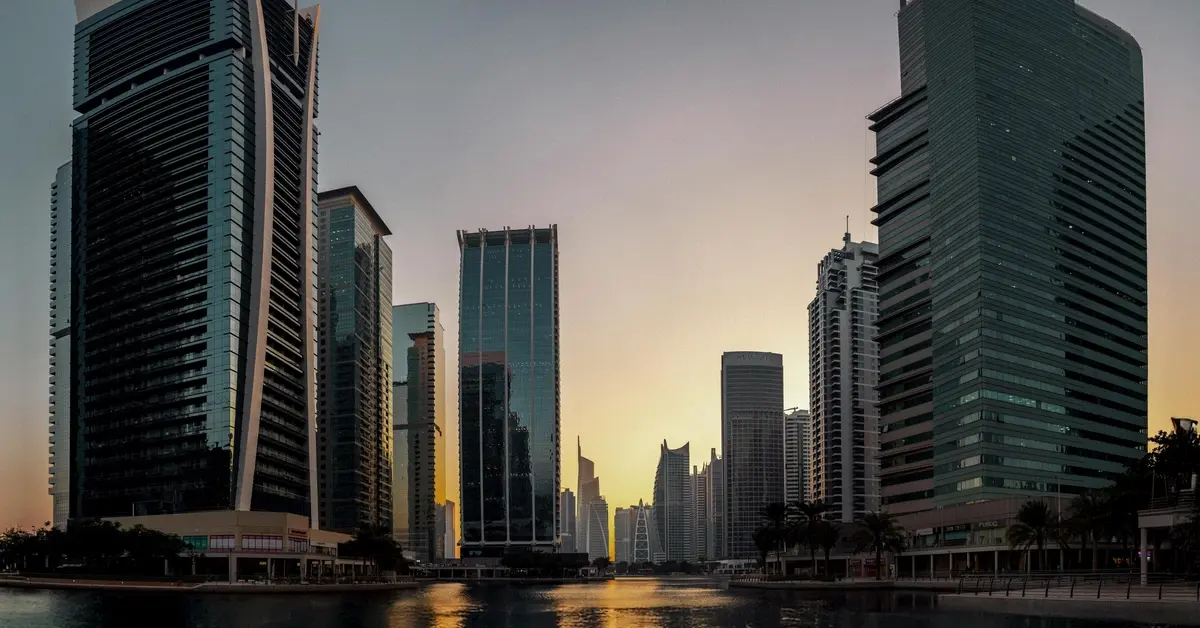
Some communities have moved into a “flat growth” phase rather than a decline, primarily due to sustained high demand for specific lifestyles. These areas are more established, with a loyal resident base and limited land available for new developments.
This classification is based on Property Finder’s rent price forecast dataset alongside DLD rent transaction data, combining forecasted pricing trends with observed rental transaction behaviour.
Dubai Marina
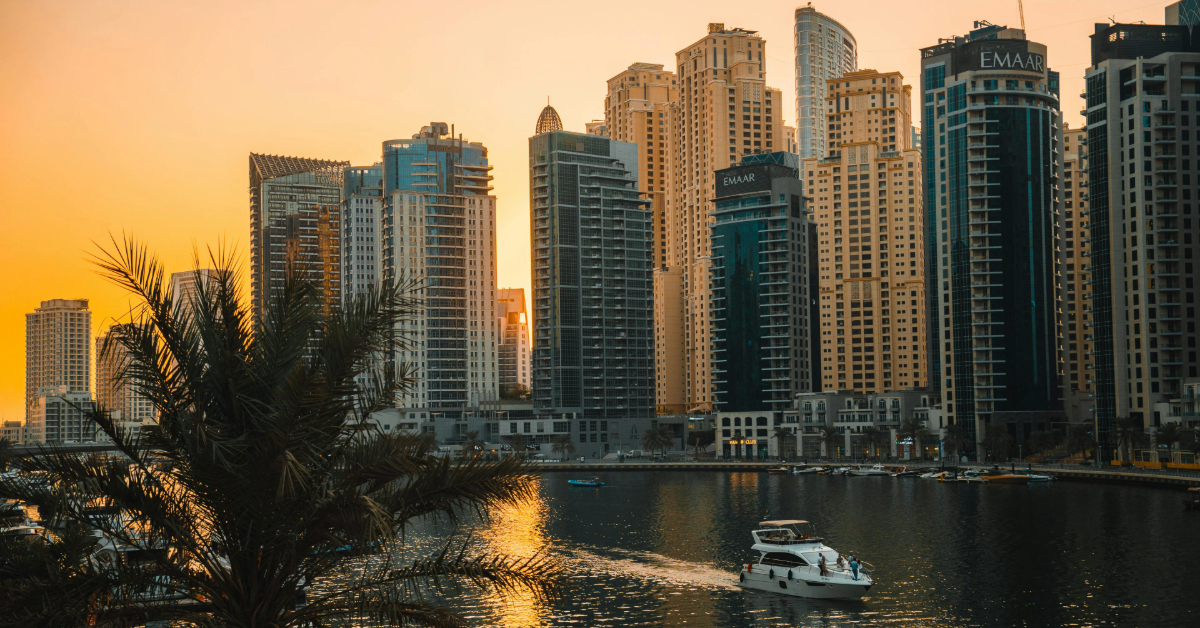
Demand in Dubai Marina remains steady, with values moving from AED 2,500,000 (Apr 2026) to AED 2,696,296 (Dec 2026). This reflects stable but gradually rising pricing, supported by waterfront lifestyle demand and strong occupancy fundamentals.
Downtown Dubai
The luxury segment in Downtown Dubai remains resilient. Values trend from AED 3,800,000 (Apr 2026) to AED 3,747,065 (Dec 2026), showing a broadly stable range with slight softening before recovery toward year-end levels.
Dubai Hills Estate
Family demand is a driving force in Dubai Hills Estate, where values increase from AED 2,428,889 (Apr 2026) to AED 2,634,644 (Dec 2026). The district has avoided extreme oversupply, resulting in stable upward price movement through the forecast period.
Arabian Ranches
Villa communities like Arabian Ranches continue to benefit from limited stock availability. Unlike the apartment sector, there are few new villa projects hitting the market in this district, keeping pricing firm even as the broader market cools.
Al Barsha
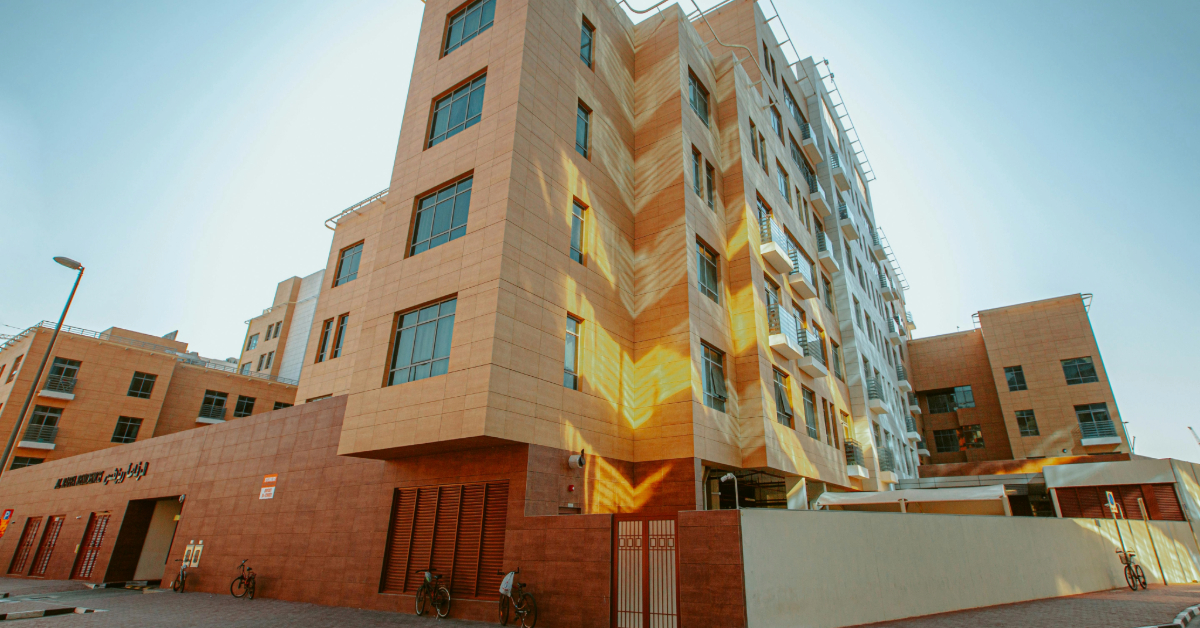
Al Barsha remains a mature community with balanced tenant demand. Values move from AED 1,825,000 (Apr 2026) to AED 1,805,447 (Dec 2026), indicating a largely flat pricing environment with slight softening across the period.
Dubai Community-Level Rental Price Forecast: A 2026 Outlook
This analysis presents a community-by-community rental price outlook for selected Dubai residential areas, based on Property Finder rental price forecast models and supported by Dubai Land Department (DLD) registered rental transaction data.
| Community | Apr 2026 | Dec 2026 | % Change | Slope | Volatility | Classification |
| Business Bay | 1,900,000 | 2,002,703 | +5.41% | +12,838 | 5.41% | Mild Growth |
| JVC | 1,150,000 | 1,202,272 | +4.55% | +6,534 | 0.68% | Mild Growth |
| Dubai Marina | 2,500,000 | 2,696,296 | +7.85% | +24,537 | 6.31% | Strong Growth |
| Downtown Dubai | 3,800,000 | 3,747,065 | -1.39% | -6,617 | 4.95% | Stable |
| JLT | 1,725,000 | 1,725,000 | 0.00% | 0 | 1.48% | Stable |
| Al Barsha | 1,825,000 | 1,805,447 | -1.07% | -2,444 | 12.09% | Stable |
| Dubai Hills Estate | 2,428,889 | 2,634,644 | +8.47% | +25,721 | 4.39% | Strong Growth |
| Dubai South | 1,225,200 | 1,233,558 | +0.68% | +1,045 | 1.91% | Stable |
| Discovery Gardens | 850,000 | 951,884 | +11.99% | +12,735 | 9.05% | Strong Growth |
Why New Housing Supply Is Reshaping Dubai’s Rental Market
The volume of 2026 handovers is the primary catalyst for the current market shift. Apartments account for the vast majority of these completions, leading to a surplus in districts like Arjan and Dubai Land. This supply affects rent growth by increasing tenant mobility, as residents move to newer buildings offering superior amenities at similar or lower price points.
While the apartment sector is cooling, the villa market remains more expensive. This is due to limited stock availability and a sustained high demand from families relocating to the emirate.
What Tenants Should Expect in Q3–Q4 2026
Property Finder’s rent price forecast suggests tenants will gain greater flexibility during lease negotiations throughout the second half of the year.
Better Negotiation Power
Many landlords are becoming more flexible in order to maintain occupancy. Tenants may increasingly secure:
- Longer payment plans
- Reduced upfront costs
- Smaller renewal increases
Areas Offering Better Value
Emerging communities with improving infrastructure are expected to provide stronger value opportunities. Mid-market districts with rising inventory may offer more competitive pricing throughout 2026.
How to Use the RERA Calculator Before Renewing
Tenants should review the Smart Rental Index before renewal discussions. This helps confirm benchmark rents, understand legal increase caps, and compare asking rents against actual market averages.
What Investors and Landlords Should Watch
The market remains healthy overall, but landlords and investors are facing a more competitive environment than in previous years.
Rental Yield Compression Risks
Communities with high apartment supply may experience weaker rental growth and stronger vacancy competition. Investors relying on rapid appreciation may face lower yields in oversupplied districts.
Communities Likely to Stay Resilient
Several areas are expected to remain relatively resilient despite broader market cooling:
- Prime waterfront communities
- Established villa districts
- Transit-connected neighbourhoods
Property Finder Forecast for Dubai Rent Prices Through End of 2026
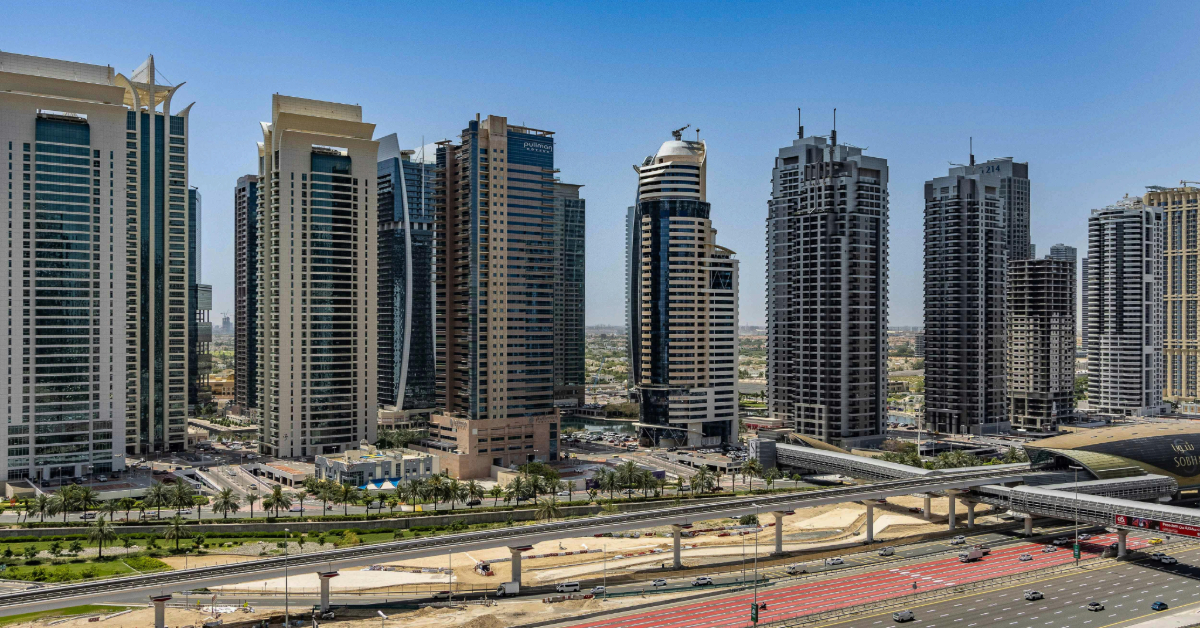
Property Finder’s forecast indicates a “market normalisation” through the end of 2026 rather than a sharp correction. Flat rents are anticipated in mature districts, while small corrections are likely in oversupplied apartment zones. The premium villa segment is expected to remain resilient amid the ongoing shortage of high-end, spacious family homes.
This phase of the cycle is viewed as healthy for the overall economy. By aligning housing costs more closely with inflation and salary growth, Dubai remains an attractive destination for global talent. The market is maturing into a more sustainable model that balances the needs of both residents and investors through regulated transparency.
Key Takeaways
- Apartment-heavy districts are showing a clear slowdown in rental growth momentum across 2026.
- Market direction is increasingly community-specific rather than uniform across Dubai.
- Oversupplied areas such as Business Bay, JVC, and Dubai South show weaker or mixed growth patterns.
- Stable communities like JLT and Downtown Dubai show minimal directional movement across the forecast period.
- Dubai Marina and Dubai Hills Estate continue to show resilient or mild growth supported by strong demand fundamentals.
- DLD transaction data confirms renewals are outpacing new leases, signalling market stabilisation.
- Mid-market and budget communities continue to record high transaction volumes at relatively affordable price bands.
- Villa and waterfront communities remain structurally more resilient due to limited new supply and strong end-user demand.
FAQs
Rents are expected to fall in apartment-heavy districts where a surge in new supply has driven prices down. However, in more established villa communities and luxury waterfront areas, prices are more likely to remain stable or grow very slowly.
These movements are reflected in Property Finder’s 2026 rent price forecast, supported by DLD transaction data, which shows clear divergence between oversupplied and established districts.
Areas such as Business Bay, Jumeirah Village Circle (JVC), and Dubai South are seeing the most significant rent softening as large volumes of new residential units are handed over in late 2026.
According to Property Finder’s forecast model, these areas show weaker or flatter price trajectories compared to stable or growth-led districts.
The Smart Rental Index uses AI and real-time transaction data from the Dubai Land Department to set rent benchmarks. It considers property age, building quality, and actual market transactions to determine if and by how much a landlord can legally increase rent during a lease renewal. It is directly informed by DLD rental transaction data, ensuring benchmarks reflect real market activity rather than static historical averages.
Yes, but only if the current rent is significantly below the average market rate as defined by the RERA Smart Rental Index. Landlords must also provide tenants with a 90-day written notice before the contract expires. Any increase is assessed against current market benchmarks derived from DLD transaction data and indexed valuation models.
Premium and mature districts like Dubai Marina, Downtown Dubai, and Dubai Hills Estate are expected to remain stable, driven by consistent demand and limited new supply. This stability is supported by Property Finder’s 2026 forecast data, which shows limited volatility in these communities compared to oversupplied apartment districts.