



VAT exemption is an important part of the UAE’s tax framework, but it is often misunderstood. Under UAE rules, exempt supplies are not treated as taxable supplies, which means no VAT is charged on them and no input VAT can be recovered on related costs. This sits within a wider VAT system that generally applies a 5% rate to most goods and services in the UAE.
For businesses, the distinction matters. An exempt supply is not the same as a zero-rated supply. Both may be invoiced without VAT, but only zero-rated supplies preserve the right to recover input tax. That difference affects pricing, accounting, registration, and compliance.
- What is VAT exemption?
- Legal basis & key laws governing VAT exemptions
- Categories of supplies exempt from VAT
- What is not exempt: Zero-rated and other taxable supplies
- What VAT exemption means for businesses
- VAT registration thresholds and VAT exemption
- Key practical compliance points
- Key takeaways
- FAQs
What is VAT exemption?

In simple terms, VAT exemption means a supply falls outside normal VAT charging, even though it is made in the course of business. The Federal Tax Authority defines an exempt supply as one where no tax is due and no input tax may be recovered, except where the law allows otherwise. The UAE’s official guidance also states that exempt supplies are not taxable supplies for VAT purposes.
This is why VAT exemption is commercially significant. A business making exempt supplies cannot reclaim VAT on costs associated with those supplies, which can increase the final delivery cost. The FTA also notes that exemptions are applied narrowly and are exceptions to the normal rule that VAT should be charged.
Legal basis & key laws governing VAT exemptions
The main legal basis for VAT exemption in the UAE is Federal Decree-Law No. 8 of 2017 on Value Added Tax, together with its Executive Regulations. The law sets out the exemption categories in Article 46, and the Executive Regulations explain the conditions and controls for applying those exemptions. The FTA’s legislation page also shows that the Executive Regulation has continued to be updated, including through Cabinet Decision No. 100 of 2024.
The current legal framework matters because VAT treatment is not static. Amendments and public clarifications can refine how a transaction should be classified, especially in sectors such as financial services and real estate. In practice, businesses should rely on the latest FTA guidance as well as the law itself when deciding whether a supply is exempt, zero-rated, or standard-rated.
Categories of supplies exempt from VAT
The UAE’s VAT law lists four core exempt categories: financial services, residential buildings sold or leased after the first supply, bare land, and local passenger transport. These are the categories most businesses and property owners need to understand first.
1. Financial services

Financial services can be exempt when they are remunerated through an implicit margin or spread rather than an explicit fee, discount, commission, rebate, or similar charge. The FTA’s financial services guide gives the example of interest on borrowing and explains that some financial services are exempt when no explicit fee is charged. The official guidance also includes life insurance and reinsurance of life insurance within the exempt treatment.
This is where classification becomes especially important. If a bank or lender charges a separately disclosed fee, that part of the supply may be treated differently from the exempt element. The FTA guide explains that where a finance company charges for the goods separately and also charges interest separately, the interest charge can be exempt while the goods remain taxable.
2. Residential property transactions
Residential buildings are exempt from VAT when sold or leased after the first supply, except where a specific zero-rated rule applies. The law itself states that the supply of residential buildings by sale or lease is exempt, except for supplies that are zero-rated under the VAT law.
This distinction is crucial in real estate. The FTA guidance makes clear that the first supply of certain residential buildings is zero-rated, not exempt. That means developers and landlords must identify which stage of the transaction they are dealing with before deciding how to apply VAT.
3. Bare land
The sale or lease of bare land is exempt from VAT. In this context, bare land means undeveloped land, not land with qualifying structures or buildings that change the tax treatment. The legal rule is short, but it has practical implications in land deals, where the property description must be carefully checked before invoicing.
4. Local passenger transport
Local passenger transport is also exempt. The law does not broaden this into all transport services, so the key point is that the service must fall within the local passenger transport category. Any business operating in this area should classify the service carefully before charging VAT or recovering input tax.
What is not exempt: Zero-rated and other taxable supplies
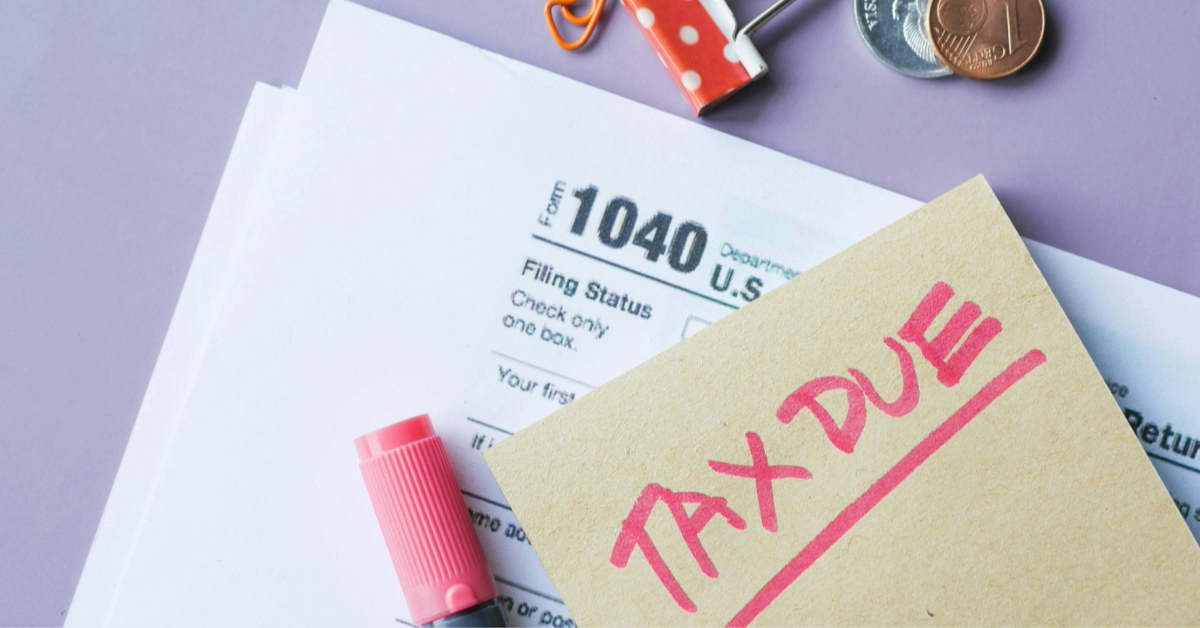
Zero-rated supplies are different from exempt supplies. They are still taxable supplies, but the VAT rate is 0%, and the supplier can generally recover input tax on business costs. The FTA guidance states this clearly and lists examples such as exports, international transport, the first sale or rent of residential buildings, certain healthcare services, and certain educational services.
That difference is the main reason VAT exemption confuses. A zero-rated supply may appear similar to an exempt supply on an invoice because no VAT is charged, but the accounting outcome differs. Zero-rated supplies remain within the taxable turnover framework, whereas exempt supplies are not treated the same way.
What VAT exemption means for businesses
The biggest commercial consequence of VAT exemption is the loss of input tax recovery. If a business makes exempt supplies, it cannot recover VAT on expenses directly linked to those supplies. Where a business makes both exempt and taxable supplies, it may need to apportion input tax so that only the taxable part is recovered.
That matters for finance houses, landlords, insurers, and property businesses. The FTA notes that exempt supplies can incur irrecoverable costs, especially where overheads cannot be cleanly linked to a single supply type. In mixed-supply businesses, classification and record-keeping become just as important as pricing.
VAT exemption and new projects across UAE cities
This matters especially in cities such as Dubai, Abu Dhabi, and Sharjah, where many buyers and tenants compare new projects before making a decision. In real estate, the tax treatment can differ depending on whether a property is part of the first supply or a later transaction. That is why it is important to distinguish between VAT exemption and zero-rated treatment when reviewing new launches in areas such as Dubai Marina, Downtown Dubai, Yas Island, or Aljada.
For readers exploring new projects on Property Finder, this can help simplify the process. Property Finder connects users with licensed agents, agencies, and developers, so it is easier to review project details, compare properties, and understand how VAT may apply in different stages of the transaction. In practice, the key point is simple: the city may change, but the need to check the tax treatment carefully stays the same.
Explore the Available Villas for Rent in Yas Island
-


Villa
Listed 8 hours ago
360,000 AED/year
Luxury Villa | Vacant | Prime Location
West Yas, Yas Island, Abu Dhabi
5
6
5,907 sqft
-

Villa
Listed 2 days ago
250,000 AED/year
Single Row 3BR+Maid | Landscaped Garden | Yas
Noya Luma, Noya, Yas Island, Abu Dhabi
3
4
3,800 sqft
-

Villa
Listed 2 weeks ago
299,900 AED/year
√Single Row Semi Corner | Vacant | Near the Gate√
The Magnolias, Yas Acres, Yas Island, Abu Dhabi
4
6
4,844 sqft
-
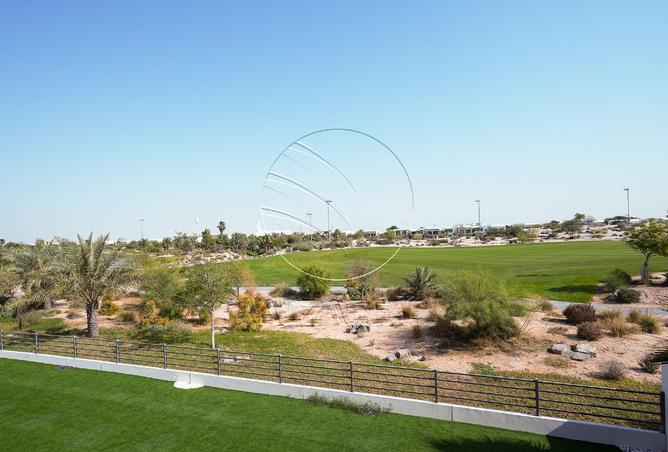
Villa
Listed 3 weeks ago
549,990 AED/year
Full Golf Course View | Landscaped Garden | VACANT
Aspens, Yas Acres, Yas Island, Abu Dhabi
5
7
11,265 sqft
-
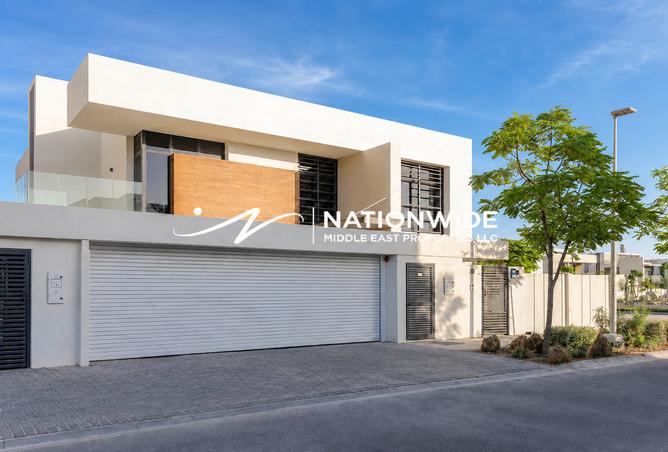
Villa
Listed 1 month ago
320,000 AED/year
Vacant | Single Row 4BR Villa | Community View
West Yas, Yas Island, Abu Dhabi
4
5
6,450 sqft
-
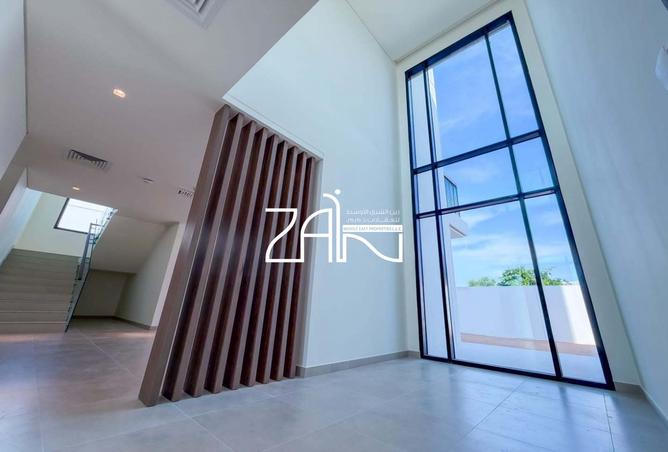
Villa
Listed 5 days ago
517,000 AED/year
READY TO MOVE | SINGLE ROW CORNER | GOLF VIEW
The Dahlias, Yas Acres, Yas Island, Abu Dhabi
4
5
6,458 sqft
-

Villa
Listed 2 days ago
214,000 AED/year
Prime Deal | Single-Row Villa | Landscaped Garden
Noya Luma, Noya, Yas Island, Abu Dhabi
3
5
3,800 sqft
-

Villa
Listed 5 days ago
270,000 AED/year
Vacant |Corner 4BR|Near Amenities|Spacious Garden
Noya Viva, Noya, Yas Island, Abu Dhabi
4
4
2,197 sqft
-
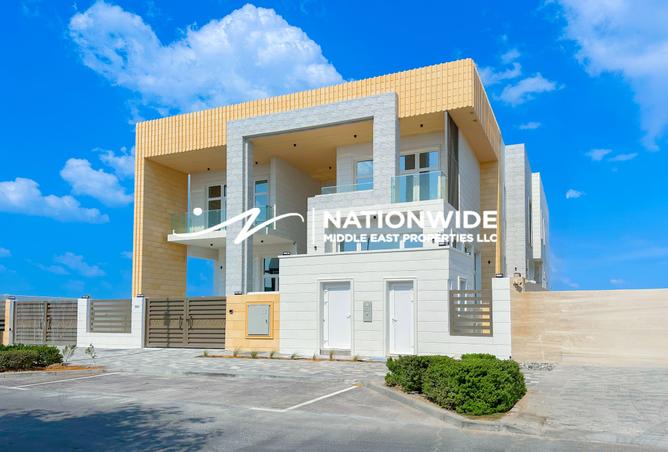
Villa
Listed 1 week ago
1,500,000 AED/year
Single Row 6BR Villa | Private Pool | Canal View
Lea, Yas Acres, Yas Island, Abu Dhabi
6
5
0 sqft
-
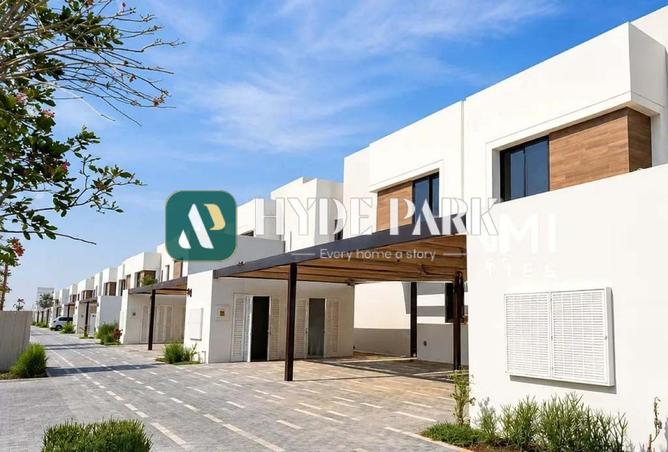
Villa
Listed 2 weeks ago
245,000 AED/year
Grand 4BR+M Villa | Private Garden | Upcoming
Noya Viva, Noya, Yas Island, Abu Dhabi
4
5
3,390 sqft







VAT registration thresholds and VAT exemption

The UAE’s mandatory VAT registration threshold is AED 375,000 of taxable supplies and imports, and the voluntary threshold is AED 187,500. The FTA also makes clear that taxable turnover includes zero-rated supplies, but if all supplies are exempt, registration is not required.
This is one of the clearest practical differences between exempt and zero-rated supplies. A business with only exempt supplies may sit outside VAT registration, while a business with zero-rated supplies can still cross the threshold because those supplies are treated as taxable for turnover purposes.
Key practical compliance points
Correct classification is the safest place to start. A supply that is incorrectly treated as exempt may result in undercharged VAT, input tax recovery errors, and later adjustments. The FTA’s guidance shows that the law expects businesses to apply narrow exemption rules and to document why a supply falls within them.
Documentation is also essential. Businesses should retain contracts, invoices, property records, and service descriptions that support the tax treatment they apply. Where a supply mixes taxable and exempt elements, the FTA’s guidance on input tax apportionment becomes especially relevant, because the recovery position depends on how the costs relate to the different supplies.
Key takeaways
VAT exemption in the UAE means no VAT is charged on the supply, and no input VAT is recovered on related costs. The main exempt categories are financial services, subsequent residential property supplies, bare land, and local passenger transport. Zero-rated supplies are different because they remain taxable at 0% and usually allow input VAT recovery. The registration threshold also works differently, since zero-rated supplies count towards taxable turnover, while exempt supplies generally do not. Accurate classification and clear records are essential for compliance.
FAQs
Yes. If all supplies are exempt, the business does not have to register for VAT. However, it also cannot recover input tax on related purchases.
Because exempt supplies block input VAT recovery. That can raise the real cost of doing business, especially where overheads are significant.
Yes. The FTA’s insurance guidance treats life insurance and reinsurance of life insurance as exempt financial services in the relevant cases.
No. The first supply can be zero-rated, while later sales or lease supplies of residential buildings are exempt, subject to the law’s conditions.
No. Zero-rated supplies are still taxable at 0% and usually allow input VAT recovery. Exempt supplies are outside taxable supplies and do not allow recovery of input VAT linked to them.