



Understanding Dubai notary public fees is essential for anyone dealing with legal documents, business contracts, or personal authorisations in the UAE. Whether you are setting up a company in Business Bay, signing a power of attorney in Downtown Dubai, or certifying documents in Jumeirah, notary services play a crucial role in ensuring legal validity.
In 2026, the UAE notary system has become more structured and regulated, making it easier to understand costs but also more importantly to know what you are paying for.
- Overview of Dubai’s notary system
- Fee regulation and key laws (as of January 2026)
- Public vs private notary fees: Basic fee structure
- Cost breakdown by document type
- Additional costs and variables
- Step-by-step: How to notarise a document in Dubai
- Processing timeframes
- Typical requirements / documents needed
- Key differences: Location / type comparison
- Examples of regulated fee items (Dubai private notary rules from Jan 2026)
- Tips to minimise cost and avoid surprises
- Key takeaways
- FAQs

Overview of Dubai’s notary system
The notary framework in Dubai operates under Federal Decree-Law No. 20 of 2022, which governs all notarisation services across the UAE. The system is delivered through three main channels: Public Notaries at Dubai Courts, licensed Private Notaries approved by the Ministry of Justice, and accredited consular services for international documentation.
Residents in areas such as Dubai Marina, Al Barsha, and Deira frequently rely on these services for business formation documents, affidavits, and personal authorisations. The system ensures that all legal instruments are properly authenticated and enforceable.
Fee regulation and key laws (as of January 2026)
Notary fees in Dubai are no longer arbitrary, as they are governed by Cabinet Resolution No. 19 of 2024, which standardises pricing across the UAE. Additionally, a Dubai Courts decision effective from 2 January 2026 introduced stricter regulation over Private Notary charges to ensure transparency and uniformity.
These regulations directly influence Dubai notary public fees, ensuring that both public and private providers operate within approved financial frameworks while still allowing flexibility for premium services.
Public vs private notary fees: Basic fee structure
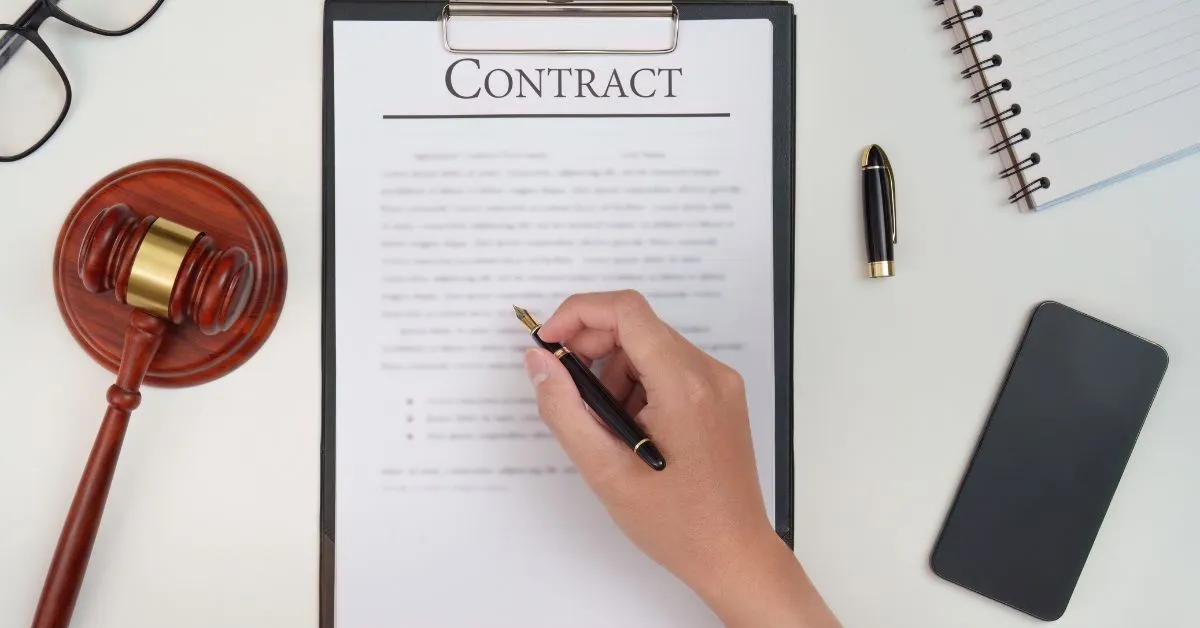
The cost difference between public and private notaries mainly depends on convenience, urgency, and additional services.
| Tier / Document Value | Public Notary Fee | Private Notary Typical Fee |
| AED 50,000–AED 100,000 | ~AED 300 per signature | Base rate + ~30% service fee |
| Above AED 100,000 (execution) | 0.5% of value (cap AED 15,000) | Base fee + service/travel charges |
| AED 100K–200K range | Scaled percentage | Same scaling + overhead |
| Certified copies | AED 50–AED 100 per document | Higher flat/service rate |
Private notaries are commonly used in fast-paced business districts such as Dubai International Financial Centre (DIFC) due to added flexibility and mobile services.
Cost breakdown by document type
Different documents attract different fees depending on complexity, value, and legal requirements.
| Document Type | Public Notary Fees (AED) | Private / Special Cases |
| General Power of Attorney (POA) | Around 100–300 per signature | Around 500–1,500+ depending on urgency |
| Special POA | Ranging 100–250 | Higher for corporate cases |
| Commercial contracts (MOA/AoA) | Approx. 500–2,000 | Extra drafting/translation fees |
| High-value documents (>AED 100K) | 0.5% of value | +30% professional fee |
| Affidavits / declarations | Around 100–300 | Higher for urgency or translation |
| Wills | Around 2,000–3,000 | May increase with legal drafting |
| Certified copies | 50–100 per document | Around 100–400+ private service rate |
In business hubs like Jebel Ali Free Zone, corporate documentation often requires additional review, increasing total costs.
Additional costs and variables
Beyond standard Dubai notary public fees, several extra charges may apply depending on your case:
- Certified translation: AED 50–150 per page
- MoFA attestation: AED 150–2,000 depending on document type
- Urgent processing: AED 100–500+
- Mobile notary services: Travel and convenience charges
- Multiple signatures: Each signature may be charged separately
These variables often impact total cost more than the base fee itself.
Step-by-step: How to notarise a document in Dubai

The notarisation process is straightforward but must be followed correctly:
First, identify the type and value of your document to determine whether public or private notarisation is required. Then, ensure the document is properly formatted and signed by authorised parties. If the document is not in Arabic, a certified translation is mandatory.
Next, submit your documents either at Dubai Courts, a licensed private notary office, or via e-notary platforms. After verification, you will pay the applicable fees, including government charges and any additional service costs.
Finally, you will receive your notarised document in either physical or digital format, depending on the service used.
Processing timeframes
Standard notarisation in Dubai typically takes the same day or up to one business day, especially for simple documents.
Online e-notary services are even faster, often completing within a few hours. However, when MoFA attestation or embassy legalisation is required, processing may extend to 3–5 business days.
Typical requirements / documents needed
To complete notarisation in Dubai, you will usually need:
- Valid Emirates ID or passport with residency visa
- Original document requiring notarisation
- Certified Arabic translation (if applicable)
- Company documents such as trade licence or board resolution (for corporate cases)
- Proof of value for financial agreements
Residents in Al Nahda or Bur Dubai often complete these requirements for both personal and business documentation.
Key differences: Location / type comparison
Public notaries are government-operated and typically offer lower base fees but limited flexibility. Private notaries, on the other hand, provide convenience such as mobile visits, extended hours, and drafting services, but at a higher total cost.
E-notary services are becoming increasingly popular in areas like Dubai Silicon Oasis, offering digital convenience without physical visits.
Explore the Available Villas for Sale in Dubai Silicon Oasis
-
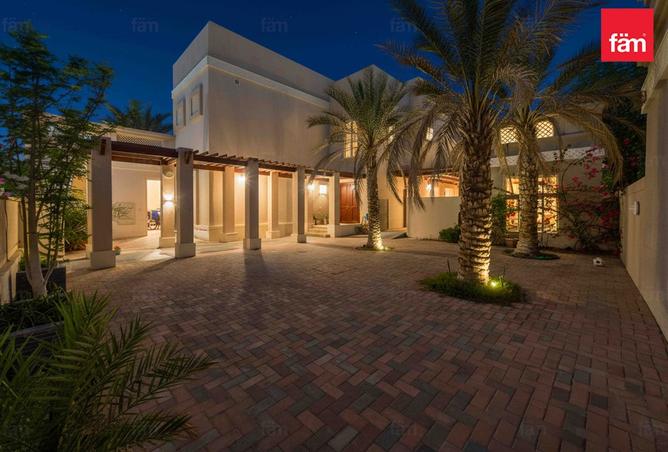
Villa
Listed 4 days ago
7,000,000 AED
Largest Executive Layout | Private Maidrooms
Cluster J, Cedre Villas, Dubai Silicon Oasis, Dubai
5
6
6,550 sqft
-


Villa
Listed 9 hours ago
5,500,000 AED
Excellent Location | Facing Park | Book Now
Cluster A, Cedre Villas, Dubai Silicon Oasis, Dubai
4
3
3,765 sqft
-

Villa
Listed 4 weeks ago
7,000,000 AED
Arabic Style | 5BR+Maid | Rented | Near Park
Cluster G, Cedre Villas, Dubai Silicon Oasis, Dubai
5
6
6,550 sqft
-
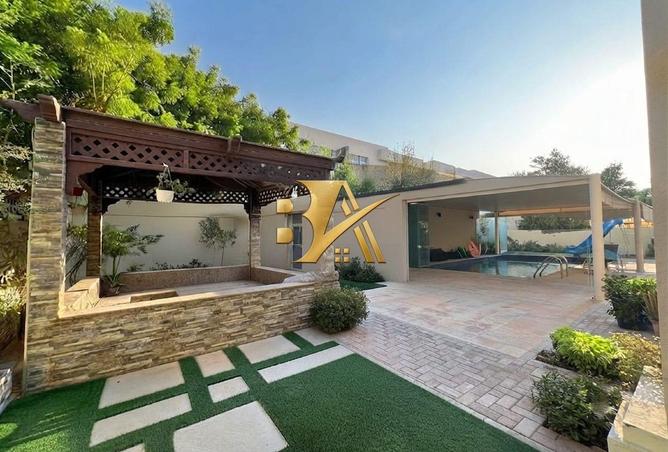
Villa
Listed 10 hours ago
10,999,999 AED
PRIVATE COVERED POOL | FULLY UPGRADED | VOT
Cluster H, Cedre Villas, Dubai Silicon Oasis, Dubai
6
7
9,193 sqft
-
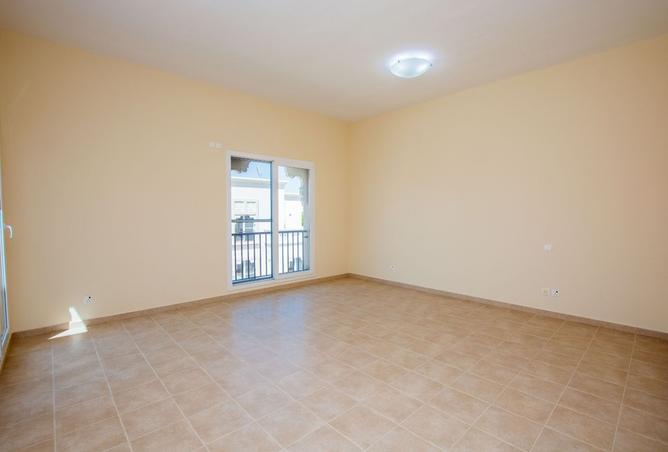
Villa
Listed 4 weeks ago
5,500,000 AED
4BR Arabic Style Villa for Sale | Cedre Villas
Cluster K, Cedre Villas, Dubai Silicon Oasis, Dubai
4
5
3,761 sqft
-
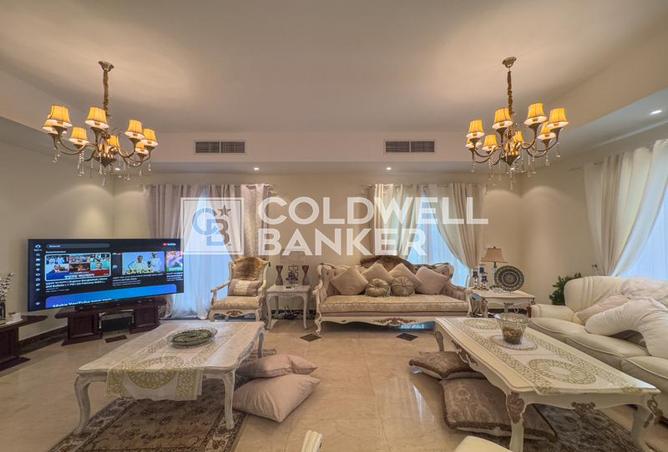
Villa
Listed 2 months ago
11,000,000 AED
Furnished | Luxury Villa | Private Pool
Cluster H, Cedre Villas, Dubai Silicon Oasis, Dubai
6
7
9,192 sqft
-

Villa
Listed 2 weeks ago
23,000,000 AED
5-Bedroom | Mirage at The Oasis by Emaar
Mirage Residence, Dubai Silicon Oasis, Dubai
5
6
11,464 sqft
-

Villa
Listed 3 months ago
5,300,000 AED
Hot Deal | 4BR Villa | Large Plot | Cedre Villas
Cluster J, Cedre Villas, Dubai Silicon Oasis, Dubai
4
3
4,094 sqft
-
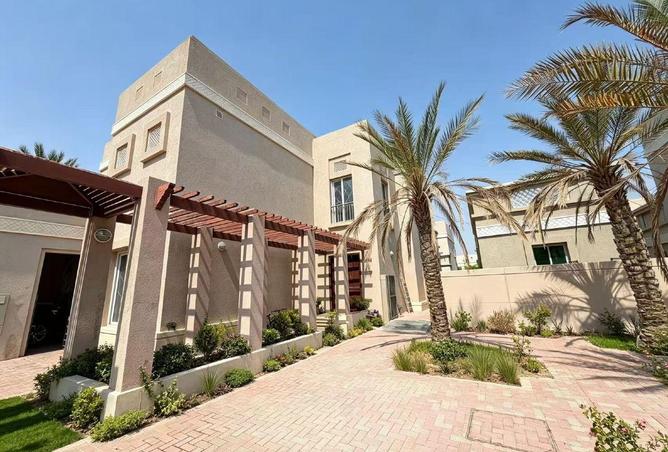
Villa
Listed 4 weeks ago
7,000,000 AED
Big Layout | Well Maintained | Facing Playground
Cedre Villas, Dubai Silicon Oasis, Dubai
5
6
6,550 sqft





Examples of regulated fee items (Dubai private notary rules from Jan 2026)
Under the updated regulations:
Each electronic registration of party details costs AED 100. Each signature on a legal instrument also costs AED 100. If a private notary travels outside their office, a flat AED 1,000 travel fee may apply.
These fixed elements help standardise Dubai notary public fees across private providers.
Tips to minimise cost and avoid surprises
To manage expenses effectively, always confirm whether translation or attestation is required before submission. Bundling multiple documents into a single session can also reduce per-document charges.
Using e-notary services where possible helps reduce travel-related costs, especially for residents in Dubai South or remote business zones. Always request a full breakdown of fees before proceeding.
Key takeaways
In 2026, Dubai notary public fees are highly regulated under updated UAE laws, ensuring transparency and consistency across both public and private services. Standard government fees remain relatively affordable, while private notaries add value through convenience, speed, and additional services. Overall costs vary significantly depending on document type, value, translation needs, and urgency. Understanding these factors helps individuals and businesses plan more effectively and avoid unexpected expenses when dealing with legal documentation in Dubai.
FAQs
Yes, if the receiving authority requires Arabic; documents issued in other languages must be translated by a certified translator.
Yes—e-notary platforms are available for eligible documents. Some documents still require physical presence depending on sensitivity or legal value.
0.5% of the value of instrument, capped at AED 15,000 (execution of instruments) under both public schedules and regulated private notary fees.
Yes, when private or mobile notary services involve travel outside their workplace, an additional flat travel charge (e.g., AED 1,000 in many cases) is applied.
Common ones include powers of attorney, commercial contracts/MOA/AoA, board resolutions, declarations, affidavits, true copy certification, wills (for expats), and any document needing foreign legal use.