



How to renovate a rental property in the UAE starts with one simple rule. Do not treat a rented home like an owned one. In Dubai, the unified Ejari tenancy contract states that a tenant mustn’t make modifications or addenda without a written approval. It also ties the tenant to the property’s permitted use and community rules. Dubai Land Department also confirms that tenancy contracts in Dubai are registered or renewed through Ejari.
That means any serious renovation plan should begin with the lease, not the paint colour. If the property is in Abu Dhabi, the rules are still municipal and permit-based. However, the services sit under the Department of Municipalities and Transport and TAMM rather than Dubai’s system. In practice, renovating a rental property in the UAE is an emirate-by-emirate process, not a single national one.
- Legal Framework & Key Laws
- What Renovations Require Permits or Approvals?
- Step-by-Step Guide to Renovation in Dubai
- Costs, Penalties & Financial Planning
- Practical Tips for Smooth Renovation
- Key Takeaways
- FAQs

Legal Framework & Key Laws
Before any work begins, tenants need to understand that renovations are governed by tenancy law, landlord consent, and municipal requirements. In Dubai, especially, the Ejari contract and rental regulations make written approval a legal necessity rather than a casual courtesy.
Tenancy rules and controls on wanting to renovate a rental property in the UAE
Ejari is an online system used to register tenancy contracts for all types of properties in Dubai. This registration is mandatory for rental agreements to be legally recognised. The framework is supported by key regulations, including Law No. 26 of 2007 (as amended by Law No. 33 of 2008) and Decree No. 43 of 2013, which link rent increases to the Dubai Rent Index.
If either party intends to amend contract terms or revisit the rent, a notice period of at least 90 days before the lease expiry is typically required. That’s exceptional if both sides agree otherwise. This becomes particularly relevant for renovation planning. Landlords consider upgrades, lease renewals, or property repositioning should account for this timeline rather than leaving changes until the final stage of the tenancy.
What tenants can and cannot do
The unified Ejari contract is very clear on tenant behaviour. It states that no amendments, modifications or addenda without the landlord’s written approval. It also states that the tenant is responsible for damage caused by unauthorised changes. Utility charges are the tenant’s responsibility unless another written arrangement exists.
A landlord may terminate a tenancy under specific legal conditions, such as continued non-payment after notice, unauthorised subletting, damage that affects safety, or breaches of agreed contract terms. If a dispute arises during or after renovation work, it is typically handled through the Rental Disputes Settlement Centre as the formal channel for resolution.
Abu Dhabi and other emirates
In Abu Dhabi, the Department of Municipalities and Transport says it issues building permits and has introduced a simplified permit procedure for minor construction work on residential properties, villas, farmhouses, and holiday homes. TAMM also lists services for changing approved building permits and for maintenance permits.
For renovating a rental property in the UAE, the practical point is the same across emirates: check with the local municipality, obtain the landlord’s written permission, and confirm the exact permit route before starting work. The labels and portals change, but the need for approval does not.
Apartments for Sale in Abu Dhabi
-
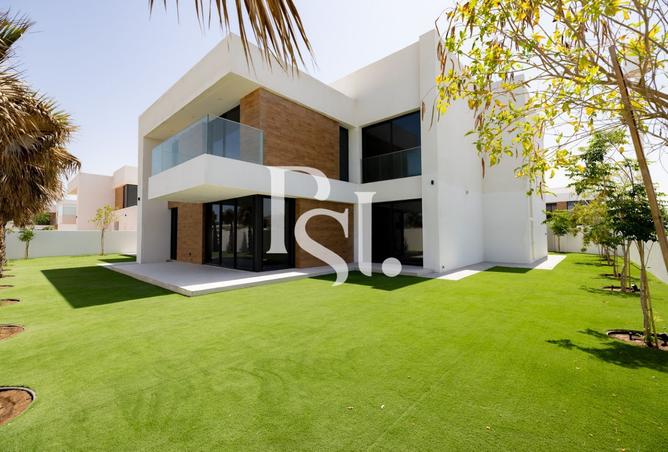

Villa
Listed 1 week ago
15,000,000 AED
Standalone Villa |Corner| Prime Poolside Location!
The Dunes, Saadiyat Reserve, Saadiyat Island, Abu Dhabi
5
7
10,785 sqft
-

Apartment
Listed 2 months ago
3,689,999 AED
Investor Deal | Luxury 1BR | Best Community
The Row Saadiyat, Saadiyat Island, Abu Dhabi
1
2
958 sqft
-

Villa
Listed 3 weeks ago
15,000,000 AED
Single Row Corner | Brand New | Type C | Vacant
The Dunes, Saadiyat Reserve, Saadiyat Island, Abu Dhabi
5
7+
11,122 sqft
-

Villa
Listed 3 weeks ago
11,900,000 AED
Single Row | First Row From The Golf | Brand New
The Dahlias, Yas Acres, Yas Island, Abu Dhabi
4
6
6,802 sqft
-
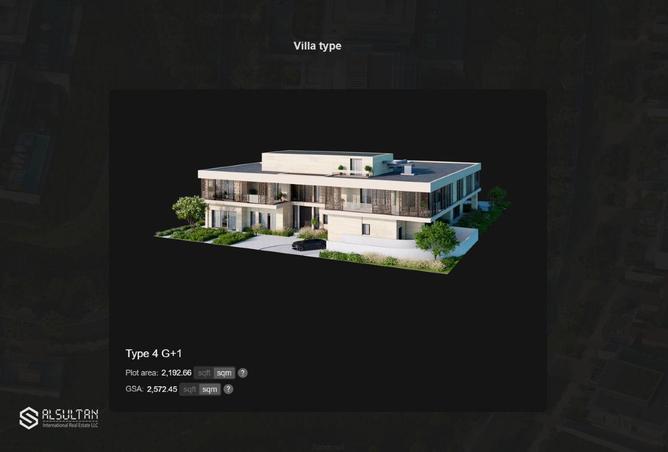
Villa
Listed 7 days ago
72,000,000 AED
Corner Mansion I Full 360 Island View I 40M High
Nawayef West, Al Hudayriat Island, Abu Dhabi
7
7+
27,689 sqft
-

Villa
Listed 3 days ago
4,425,044 AED
Resale 5BR+M | Majilis | Study Room | Great Deal
Fay Al Reeman II, Al Shamkha, Abu Dhabi
5
6
8,073 sqft
-

Townhouse
Listed 3 days ago
3,950,000 AED
HOT DEAL!!! Elite 4BR+M | Luxurious | Prime Area
Bayn by Ora Developers, Ghantoot, Abu Dhabi
4
5
2,840 sqft
-

Villa
Listed 3 days ago
9,500,000 AED
Premium Location | Corner Unit | Maids + Drivers
Saadiyat Lagoons, Saadiyat Island, Abu Dhabi
5
6
8,536 sqft
-

Villa
Listed 3 days ago
10,500,000 AED
Single Row | Corner Unit | 5BR+M w/ POD | Al Ghaf
Saadiyat Lagoons, Saadiyat Island, Abu Dhabi
5
6
9,303 sqft
-

Villa
Listed 5 days ago
4,999,999 AED
5BR Corner Villa | Premium Finish | Ideal Location
Fay Al Reeman II, Al Shamkha, Abu Dhabi
5
6
9,623 sqft






What Renovations Require Permits or Approvals?
In order to renovate a rental property in the UAE, you’ll need some permits and approvals. Dubai Municipality’s official Build in Dubai system states that it is an online system designed to provide all building permit services, information and procedures. That is the clearest official signal that anything moving beyond simple decorating should be checked through the relevant permit channel.
As a practical rule, decorative changes inside a rental property may still need landlord consent, while anything affecting the structure, building services, fire safety, external appearance or approved layout should be treated as a permit matter. Because the official tenancy contract already forbids modifications without written approval, the safest approach is to assume that changes to walls, bathrooms, kitchens, plumbing, electrics or façades need sign-off before work begins.
Step-by-Step Guide to Renovation in Dubai
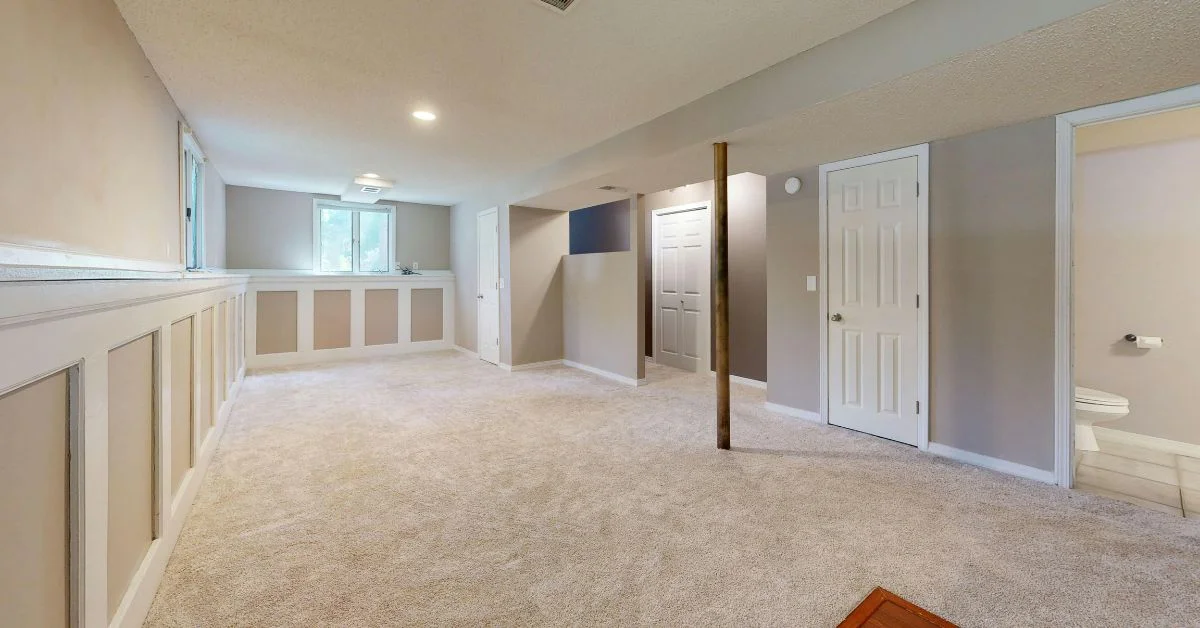
To renovate a rental property in the UAE, you need to take more than a one-step permission process. It usually involves landlord approval, building or community checks, municipal documentation, and strict recordkeeping from start to finish.
Step 1: Define the scope clearly
Start by separating cosmetic work from work that changes the property itself. The tenancy contract clause on modifications means that even a seemingly minor change can become a legal issue if it is not approved in writing. When renovating a rental property in the UAE, the first step is to decide what you are changing and who must approve it.
Step 2: Get the landlord’s written approval
The Ejari tenancy contract requires written landlord approval before any amendments or modifications to the premises. Keep that approval in writing, because it is part of the official contract framework and may be needed later if there is a dispute about damage or restoration.
Step 3: Check building and community rules
Dubai’s permit ecosystem is run through Dubai Municipality’s building services, while jointly owned property and lease matters sit within the wider DLD framework. If the unit is in a managed community, the building or owners’ association rules should be checked before any contractor is booked, because the municipality approval is only one layer of the process.
Step 4: Prepare the technical documents
The Dubai Land Department indicates that certain permit-style requests may require engineering data and detailed drawings, while its technical report services can involve site inspections and formal report preparation. This is why renovating a rental property in the UAE often goes beyond basic maintenance once the scope becomes technical.
Step 5: Apply through the right portal
For Dubai, use the relevant Dubai Municipality or DLD-linked service route for building-related approvals. For Abu Dhabi, DMT and TAMM provide the building permit and maintenance permit channels. Do not assume a contractor can simply start work after a phone call or informal OK; the official systems are built around documented approval.
Step 6: Keep work within the approved scope
Once work starts, keep it aligned with the approved drawings and written permissions. Dubai Land Department’s tenancy rules make clear that the tenant must comply with property regulations and common-area instructions, and the same legal structure supports the idea that unapproved changes can trigger liability.
Step 7: Keep all records
Before you renovate a rental property in the UAE, it’s always recommended that you store the landlord approval, permit documents, drawings, contractor details and any completion records in one file. If the lease later ends, those documents help with deposit discussions, handover discussions and any future dispute at the RDC.
Costs, Penalties & Financial Planning
There is no single fee structure for renovation work across the UAE, as costs vary by emirate, the type of permit required, the scope of the renovation, and the approval process. In practice, anyone planning how to renovate a rental property in the UAE should budget for multiple cost components, including approvals, consultant fees, contractor work, engineering documentation, and any follow-up compliance requirements.
The risk of skipping approvals is not just administrative. In Dubai, the tenancy framework gives landlords legal grounds to act if the tenant causes damage, changes the property in a way that endangers safety, or breaches contract terms. In Abu Dhabi, DMT explicitly operates permit pathways for minor works, which shows that even smaller projects are expected to pass through a formal process.
Practical Tips for Smooth Renovation
Keep renovating a rental property in the UAE simple by following three habits. These habits include getting written permission first, using the correct municipal channel, and keeping your scope tightly controlled. That alone removes most of the avoidable risk.
If the home is in Dubai, remember that rent-related changes and contract amendments are tied to the Ejari system and the RERA rental framework. This includes the 90-day notice rule for changes before expiry. If the property is in Abu Dhabi, use the DMT/TAMM permit routes for modifications and maintenance.
Key Takeaways
Renovating a rental property in the UAE comes down to one principle: approval first, work second. In Dubai, the tenancy contract prohibits unauthorised modifications, and Ejari registration is mandatory for rental contracts.
For renovating a rental property in the UAE, Dubai uses Build in Dubai and other municipal approval channels. On the other hand, Abu Dhabi uses DMT and TAMM services for building permits, minor works, and maintenance-related approvals. That makes local verification essential before any contractor starts work.
Records matter too. Keep approvals, drawings, and contractor detail. These protect the tenant, the landlord, and the property in the event of later questions about damage, restoration, or handover.
FAQs
No. Dubai’s unified Ejari contract states that the tenant must not make any amendments or modifications without the landlord’s written approval.
Not every cosmetic change will need the same approval path. Anything beyond simple decoration should be checked with the relevant municipality or permit portal. Dubai Municipality’s Build in Dubai system exists specifically to handle building permit services and procedures.
Abu Dhabi uses DMT and TAMM services for building permits, permit changes and maintenance permissions. DMT has also introduced a simplified route for minor construction work on residential properties, villas, farmhouses and holiday homes.
The Dubai tenancy contract makes the tenant liable for damage caused by unauthorised modifications, and the landlord may rely on the tenancy law if the change breaches the contract or endangers safety.
Start before lease renewal or contractor booking. In Dubai, any change to tenancy terms or rent should be communicated at least 90 days before expiry, unless both parties agree otherwise. Therefore, renovation planning is best done early in the lease cycle.