



Renting a property in Dubai involves more than simply signing a tenancy contract—it also requires understanding how rent payments work and what rules govern them. From payment schedules and accepted methods to legal requirements such as contract registration, tenants must follow specific procedures to ensure a smooth rental experience. Dubai’s rental market is regulated to maintain transparency and protect both landlords and tenants.
Whether you are a new resident renting your first apartment, like Al Barsha apartments for rent in Dubai, looking for properties in Business Bay, searching for a unit in Al Satwa, or a long-term tenant renewing your lease in Oud Metha, or a growing family looking for 3 bedroom flats for rent in Dubai, it is important to know the available rent payment options, typical payment structures, and the regulations that apply. This guide explains how rent payment in Dubai works, including payment frequencies, common methods, and key rules tenants should be aware of in 2026.

- Overview of Rent Payment Rules in Dubai
- Types of Rental Contracts in Dubai
- Ejari Registration and Its Importance
- Rent Payment Frequency Options in Dubai
- Methods for Paying Rent in Dubai
- Security Deposit and Initial Rental Payments
- Rent Increases and the RERA Rental Index
- What Happens if Rent Is Paid Late?
- Digital Platforms for Paying Rent in Dubai
- Common Mistakes Tenants Make When Paying Rent
- Tips for Managing Rent Payments in Dubai
- Key Takeaways
- FAQs
Overview of Rent Payment Rules in Dubai
Rent payment in Dubai is governed by a well-structured legal framework designed to regulate the relationship between landlords and tenants. Rental agreements typically outline the payment terms, including the total annual rent, payment schedule, and accepted payment methods. These conditions are agreed upon by both parties before signing the tenancy contract and must be followed throughout the lease period.
The rental market in Dubai is overseen by authorities such as the Dubai Land Department and its regulatory arm, the Real Estate Regulatory Agency. These institutions establish rules that protect both landlords and tenants, ensuring transparency in rental agreements and payment processes. As a result, tenants are expected to follow the agreed payment schedule, while landlords must comply with regulations regarding rent increases, notices, and contract terms.
Types of Rental Contracts in Dubai
Paying rent in Dubai can be done in two ways. Both ways have their benefits and disadvantages depending on what the tenant is looking for. There are two types of rent agreements in Dubai:
- Fixed Contract
- No Contract
Fixed Contract
This is the agreement that’s preferred by a large number of landlords in Dubai. It guarantees the landlord’s safety when it comes to receiving rent payments in Dubai. In a fixed contract, the tenant and landlord for payment at a specified date.
The signed lease agreement must then be registered on Ejari. The process to register a tenancy contract with Ejari in Dubai is quite simple. These contracts must mention the method for rent payment. After that, it must be signed by both the parties.
Due to a fixed contract, the landlord cannot evict the tenant until the term of the lease is over which is a year from the start date. The fixed contract requires the tenant to pay the specified amount at a due date. Failure to pay will be considered a contract violation and can warrant legal action from the landlord. Before signing a tenancy contract, know your rights as a tenant in Dubai.
No Contract
This agreement is for tenants who wish to rent a residence for the short term. The payment between landlord and tenant can be agreed upon on a daily, weekly or monthly basis.
As such, there is no formal contract required. This agreement is perfect for expats who are still awaiting their resident visas.

Ejari Registration and Its Importance
Registering a tenancy contract through Ejari is a mandatory step when renting a property in Dubai. The system, introduced by the Real Estate Regulatory Agency, ensures that all rental agreements are officially recorded and regulated. This registration helps create transparency in the rental market and protects the rights of both landlords and tenants.
Ejari registration is required for several essential services in Dubai. Tenants typically need a valid Ejari certificate to activate utilities such as electricity and water, apply for certain residency services, or resolve rental disputes. By registering the tenancy contract through Ejari, both parties gain legal recognition of their agreement, making it easier to enforce contract terms and handle any issues that may arise during the tenancy period.
Rent Payment Frequency Options in Dubai
In Dubai, tenants and landlords can agree on different rent payment schedules depending on the terms outlined in the tenancy contract. While rental contracts are typically signed for one year, the total annual rent does not always have to be paid in a single payment. Instead, tenants may divide the payment into multiple installments throughout the year.
Common Payment Schedules
The most common rent payment structures in Dubai include:
- One cheque – The entire annual rent is paid in a single payment.
- Two cheques – Rent is split into two payments, usually every six months.
- Four cheques – Quarterly payments made every three months.
- Six or twelve cheques – Monthly or bi-monthly installments.
In many cases, landlords offer lower rental prices for fewer cheques, while more flexible payment schedules may result in slightly higher annual rent. Tenants should carefully review the payment structure before signing the tenancy contract to ensure it aligns with their financial plans. Since many properties for rent in Dubai offer varying cheque schedules, tenants have the leverage to negotiate terms that suit their income flow.
Methods for Paying Rent in Dubai
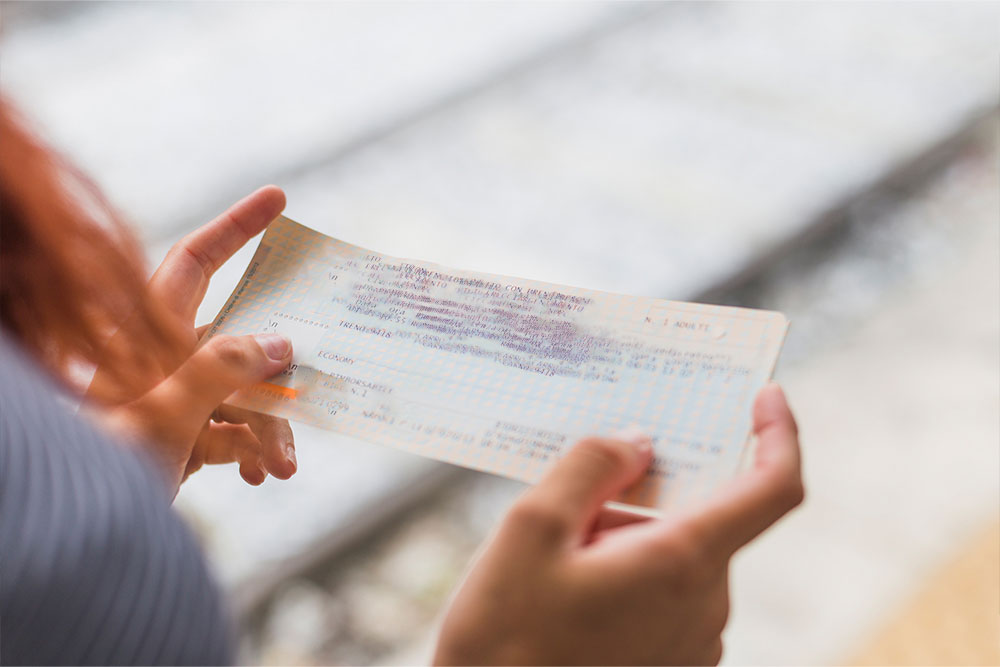
Tenants in Dubai can pay their rent using several methods, depending on the terms agreed upon in the tenancy contract and the landlord’s preferred payment option. While traditional payment methods are still widely used, digital solutions have also become increasingly common in recent years.
Common Rent Payment Methods
The most common ways to pay rent in Dubai include:
- Post-dated cheques – This is the most widely used method. Tenants provide a set of cheques dated according to the agreed payment schedule (e.g., quarterly or yearly).
- Bank transfers – Some landlords accept direct transfers from the tenant’s bank account.
- Cash payments – Although less common for large amounts, some landlords may accept cash payments with proper receipts.
- Debit or credit card payments – Certain property management companies allow tenants to pay using card payments.
- Online payment portals – Some real estate companies offer digital platforms where tenants can track and pay rent electronically.
Regardless of the payment method used, tenants should always keep proof of payment, such as receipts or bank confirmations, to avoid any potential disputes during the tenancy period.
Security Deposit and Initial Rental Payments
When renting a property in Dubai, tenants are usually required to make several initial payments before moving in. These payments are typically made at the time of signing the tenancy contract and help secure the property while covering administrative and service-related costs.
One of the most common upfront payments is the security deposit, which is usually around 5% of the annual rent for unfurnished properties and 10% for furnished units. This deposit is held by the landlord as a form of protection against potential damages to the property. If the property is returned in good condition at the end of the tenancy, the security deposit is typically refunded to the tenant.
In addition to the security deposit, tenants may also need to pay the first rent installment, depending on the agreed payment schedule. Other initial costs may include a real estate agent commission, if applicable, and Ejari registration fees required to officially register the tenancy contract. Understanding these upfront expenses can help tenants better prepare financially before signing a rental agreement in Dubai.
Rent Increases and the RERA Rental Index
Rent increases in Dubai are regulated to ensure fairness between landlords and tenants. Property owners cannot raise the rent arbitrarily; instead, increases must follow guidelines set by the RERA Rental Index, which is managed by the Real Estate Regulatory Agency.
The RERA Rental Index compares the current rent of a property with the average market rent for similar properties in the same area. Based on this comparison, the index determines whether a rent increase is allowed and the maximum percentage by which the rent can be raised. If the current rent is already close to the market average, the landlord may not be permitted to increase it.
Additionally, landlords must provide tenants with a written notice at least 90 days before the tenancy contract renewal if they intend to increase the rent. This notice allows tenants enough time to review the new terms or explore other housing options if needed.

What Happens if Rent Is Paid Late?
Paying rent on time is an important responsibility for tenants in Dubai. The payment schedule and deadlines are usually clearly stated in the tenancy contract, and tenants are expected to follow these terms throughout the lease period. If rent is not paid on the agreed date, the consequences may depend on the conditions outlined in the contract and the agreement between the landlord and tenant.
In some cases, landlords may allow a short grace period before taking further action. However, repeated late payments or failure to honor post-dated cheques can lead to penalties or legal complications. For example, a bounced rent cheque may result in additional fees or formal notices from the landlord.
If disputes arise over unpaid rent, either party can seek resolution through the Rental Dispute Settlement Centre, which handles rental conflicts and legal cases between landlords and tenants in Dubai. To avoid such situations, tenants should ensure that sufficient funds are available before cheque dates or scheduled payments.
Digital Platforms for Paying Rent in Dubai
In recent years, technology has introduced new ways for tenants to manage and pay rent in Dubai. While post-dated cheques remain common, many landlords and property management companies now offer digital platforms and online portals that allow tenants to pay rent electronically and track their payment history. These solutions make rent payments faster, more convenient and easier to manage.
Several online systems and fintech platforms enable tenants to pay rent through mobile apps or web portals using bank transfers, cards or automated payments. For example, the Dubai Land Department has integrated direct debit payment options through Ejari, allowing tenants to set up automatic rent deductions from their bank accounts according to the agreed payment schedule.
In addition, third-party rental platforms and fintech solutions are emerging in the UAE that allow tenants to split rent into monthly installments or pay using digital payment methods. These platforms provide features such as payment reminders, transaction records and flexible payment options, helping tenants better manage their finances and avoid missed payments.
As Dubai continues to adopt smart real estate technologies, digital rent payment solutions are expected to become more common, offering tenants and landlords a more efficient and secure way to handle rental transactions.

Common Mistakes Tenants Make When Paying Rent
Paying rent in Dubai is generally straightforward, but some tenants make avoidable mistakes that can lead to financial issues or disputes with landlords. Understanding the payment terms and following the correct procedures can help tenants avoid complications during their tenancy. Below are some common mistakes tenants should be aware of when paying rent in Dubai:
- Not reviewing the payment schedule carefully before signing the tenancy contract, which may lead to confusion about cheque dates or installment amounts.
- Issuing post-dated cheques without ensuring sufficient funds, which can result in bounced cheques and potential penalties.
- Failing to keep proof of payment, such as receipts or bank confirmations, which may be needed if disputes arise.
- Paying rent in cash without documentation, making it difficult to verify that payment was made.
- Ignoring Ejari registration, which is required to legally validate the tenancy contract.
- Missing payment deadlines due to poor financial planning or lack of reminders for upcoming payments.
Tips for Managing Rent Payments in Dubai
Managing rent payments effectively can help tenants avoid financial stress and maintain a smooth relationship with their landlord. By planning ahead and staying organized, tenants can ensure that payments are made on time and according to the terms of the tenancy contract. The following tips can help tenants manage their rent payments more efficiently in Dubai:
- Review the tenancy contract carefully before signing to understand the payment schedule, number of cheques and due dates.
- Set reminders for payment dates to ensure that rent installments or cheque clearances are not missed.
- Maintain sufficient funds in your bank account before the cheque date or scheduled payment to avoid bounced cheques.
- Keep copies of all payment records, including receipts, bank transfers or cheque acknowledgements.
- Communicate with your landlord early if you anticipate any payment delays to explore possible solutions.
- Use digital payment platforms or banking alerts to track transactions and manage payments more easily.
Key Takeaways
Rent payment in Dubai is regulated to ensure transparency and protect both landlords and tenants. Payment terms are outlined in the tenancy contract and overseen by authorities such as the Dubai Land Department and the Real Estate Regulatory Agency. Contracts must also be registered through the Ejari to be legally recognized. While post-dated cheques remain the most common payment method, bank transfers and digital payments are becoming more popular. Understanding payment schedules and regulations such as the RERA Rental Index can help tenants manage their rent payments smoothly and avoid disputes.
FAQs
Yes, some landlords allow monthly rent payments, usually through multiple cheques or digital payment platforms. For those seeking greater flexibility, there is a wide availability of furnished apartments in Dubai monthly basis. However, many tenancy contracts in Dubai still require rent to be paid in fewer installments, such as quarterly or semi-annually.
The most common method is through post-dated cheques, where tenants provide cheques dated according to the agreed payment schedule in the tenancy contract.
Yes, registering the tenancy contract through Ejari is mandatory. Ejari ensures the rental agreement is legally recognized and is required for services such as utility activation and resolving rental disputes.