


When choosing an apartment, whether renting or buying, the floor level plays a significant role in shaping your everyday living experience. The decision between high floor vs low floor apartments goes beyond preference, impacting comfort, cost, accessibility, and even long-term value.
In general terms, high-floor apartments refer to units located on mid-to-upper levels of a building, often above the 8th or 10th floor. Low-floor apartments typically include ground level up to the 3rd or 4th floor.
Each option comes with its own advantages and trade-offs. While high floors are associated with views, privacy, and reduced noise, low floors offer convenience, affordability, and ease of access.
In this guide, you’ll find:
- Pros of high-floor apartments
- Cons of high-floor apartments
- Pros of low-floor apartments
- Cons of low-floor apartments
- Mid-level floor: The ‘sweet spot’
- How to decide what’s right for you
- Summary comparison table
- Key takeaways
- Frequently Asked Questions (FAQs)
Pros of high-floor apartments

High-floor apartments are often considered more desirable due to a combination of comfort, privacy, and long-term value.
- Scenic views and privacy: Higher floors typically offer unobstructed views of the city skyline, sunsets, or surrounding landscapes. Being further away from street level also provides increased privacy, with minimal exposure to pedestrians or neighbouring buildings.
- Reduced noise and pollution: Elevation naturally reduces exposure to traffic noise, street activity, and environmental pollution such as dust and vehicle emissions, creating a quieter living environment.
- Better light, ventilation, and air quality: High-floor units generally receive more natural light due to fewer obstructions. Air circulation is also improved, with better airflow and reduced dust accumulation.
- Enhanced security and safety: Apartments located on higher floors are less accessible to intruders and less exposed to street-level risks such as flooding or disturbances.
- Higher resale value and prestige: High-floor units often command premium pricing and are perceived as more exclusive, which can contribute to stronger resale value and long-term investment appeal.
Explore the Available High Floor Apartments for Rent in Dubai
-
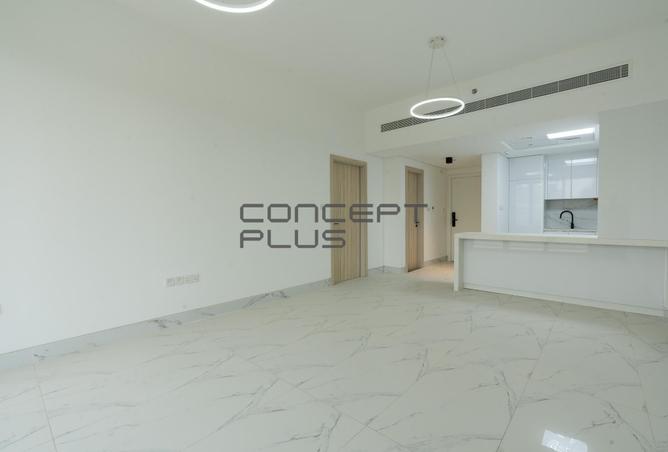

Apartment
Listed 3 weeks ago
78,000 AED/year
Brand-New Unit | Kitchen Equipped | Ready to Move-in
Lumina Vista Residences, District 14, Jumeirah Village Circle, Dubai
1
2
883 sqft
-
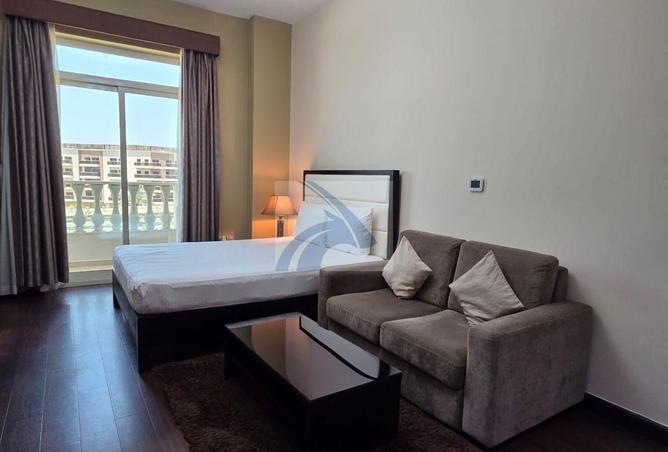
Apartment
Listed 2 days ago
39,600 AED/year
SPACIOUS STUDIO WITH BALCONY-12 CHQS-CHILLER FREE
Platinum One, Arjan, Dubai
studio
1
409 sqft
-
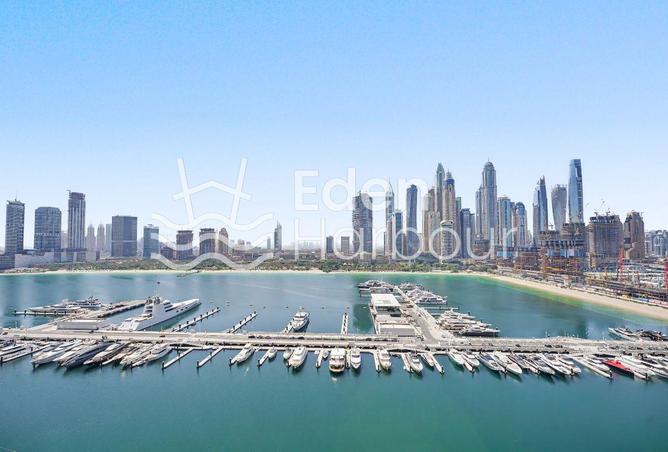
Apartment
Listed 2 days ago
180,000 AED/year
FULL HARBOUR VIEWS | MULTIPLE CHEQUES | VACANT
Beach Mansion Tower 1, Beach Mansion, Emaar Beachfront, Dubai Harbour, Dubai
2
3
1,245 sqft
-
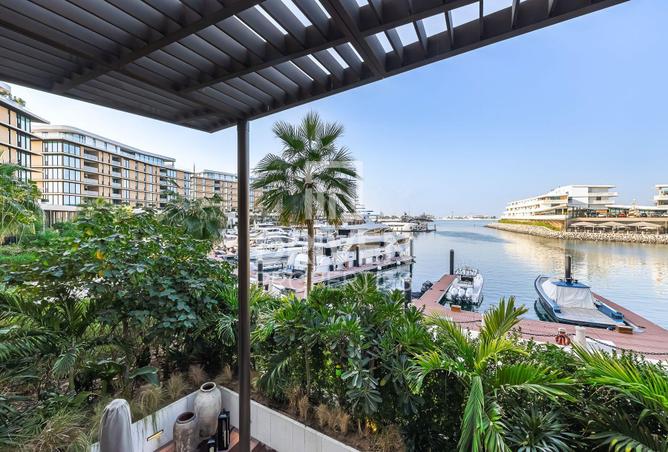
Apartment
Listed 6 days ago
3,000,000 AED/year
Exemplary Bulgari Loft | Full Marina Views
Bulgari Resort & Residences 6, Bulgari Resort & Residences, Jumeirah Bay Island, Jumeirah, Dubai
3
5
6,991 sqft
-
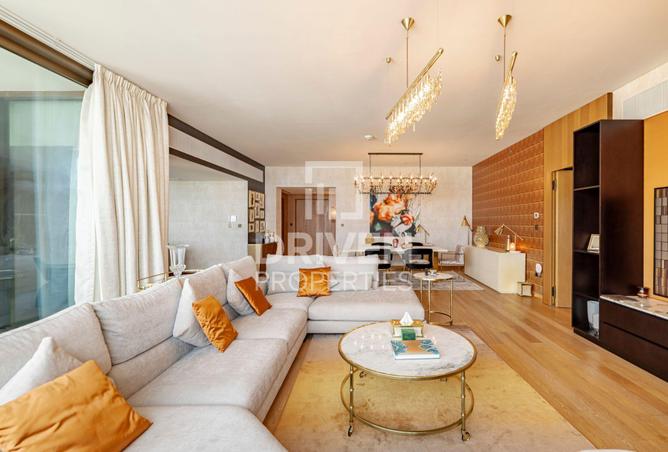
Apartment
Listed 1 week ago
2,500,000 AED/year
Lavish Apt with Marina View | Fully Furnished
Bulgari Resort & Residences 3, Bulgari Resort & Residences, Jumeirah Bay Island, Jumeirah, Dubai
3
4
2,698 sqft
-

Apartment
Listed 2 days ago
159,000 AED/year
Furnished | Avail Mid June | Palm View
Avani Palm View Hotel & Suites, Dubai Media City, Dubai
1
1
1,097 sqft
-
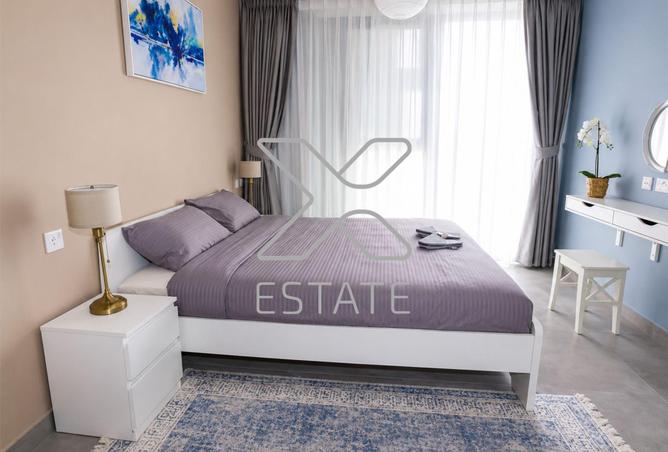
Apartment
Listed 8 hours ago
78,000 AED/year
Fully Furnished unit with Maids Room | Well Kept |
Lucky 1 Residence, District 13, Jumeirah Village Circle, Dubai
1
2
755 sqft
-

Apartment
Listed 9 hours ago
200,000 AED/year
Brand New | High Floor | Vacant | Downtown Views
Downtown Views II Tower 2, Downtown Views II, Zabeel 2, Zabeel, Dubai
2
2
1,167 sqft
-
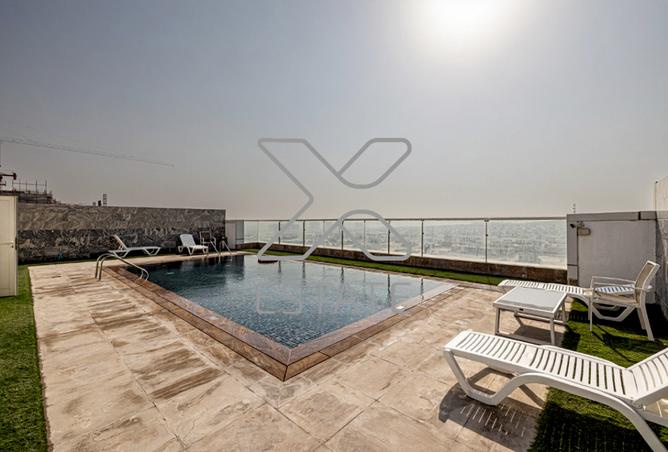
Apartment
Listed 16 hours ago
70,000 AED/year
Prime Location | Spacious Layout | Ready to Move
Maria Tower, Al Furjan, Dubai
1
2
907 sqft
-
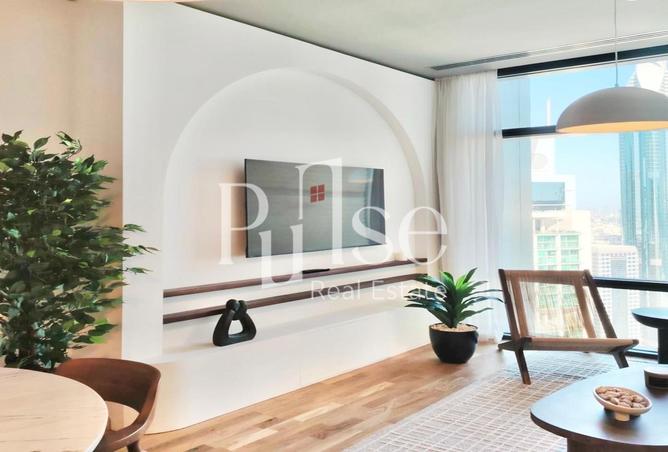
Apartment
Listed 3 days ago
178,000 AED/year
Newly Upgraded | Spacious 1BR | DIFC and Sea View
Index Tower, DIFC, Dubai
1
2
1,120 sqft






Cons of high-floor apartments
Despite their advantages, high-floor apartments come with practical limitations that should be considered.
- Higher costs: Apartments on higher floors are typically more expensive to rent or purchase. Utility costs, particularly for cooling, may also be higher due to increased sun exposure.
- Elevator dependence and wait times: Residents rely heavily on lifts for daily movement. During peak hours or maintenance periods, waiting times can become inconvenient.
- Emergency egress challenges: In emergency situations such as fires or power outages, evacuating from higher floors can take longer and require more physical effort.
- Heat, wind, and weather exposure: Upper floors are more exposed to direct sunlight and stronger winds, which can impact indoor temperatures and cause wear on windows and fixtures.
- Moving and accessibility issues: Transporting groceries, furniture, or large items can be more difficult, especially when elevators are busy or limited in capacity.
- Psychological discomfort: For some individuals, living at height can lead to discomfort, including vertigo, fear of heights, or a sense of isolation.
Pros of low-floor apartments
Low-floor apartments are often preferred for their practicality, accessibility, and affordability.
- Lower cost: Low-floor units are generally more affordable to rent or purchase. They may also have lower cooling costs due to reduced sun exposure.
- Accessibility and convenience: Daily activities such as entering and exiting the building, receiving deliveries, or running errands are easier and faster without relying heavily on elevators.
- Faster emergency exit: Lower floors allow for quicker evacuation in emergencies, making them a practical choice for safety-conscious residents.
- Cooler indoor environment: Surrounding structures and reduced sun exposure can help maintain cooler indoor temperatures.
- Outdoor access and space: Ground-floor apartments may include patios, gardens, or direct outdoor access, which is beneficial for families, pet owners, or those who enjoy outdoor living.
- Easier moving process: Moving furniture and large items is generally simpler due to easier access and reduced dependence on lifts.
Cons of low-floor apartments

While convenient, low-floor living has its drawbacks.
- Noise and privacy issues: Proximity to street level increases exposure to traffic noise, foot traffic, and building entrances, which can affect privacy.
- Security vulnerabilities: Lower floors are more accessible, which may increase the risk of break-ins or unwanted access compared to higher levels.
- Limited views and natural light: Views are often obstructed by nearby buildings or structures, and natural light may be reduced depending on the layout.
- Flood and water risks: Ground-level units are more susceptible to flooding, drainage issues, or water-related concerns.
- Lower prestige and value growth: Low-floor apartments are generally perceived as less premium, which can impact resale value and long-term appreciation.
- Temperature and dampness: Lower levels may feel cooler or slightly damp, sometimes requiring additional heating or lighting.
Mid-level floors: The “sweet spot”
If high and low floors feel like extremes, mid-level floors (typically between the 4th and 10th floors) often provide a balanced option.
| Aspect | Benefit of Mid Floors |
| Access | Shorter lift wait times; stairs remain a practical option if needed |
| Cost | Moderately priced, lower than high-floor premiums, but slightly higher than low floors |
| Light & Views | More open views than lower floors, with adequate natural light and less heat exposure |
| Noise & Privacy | Quieter than ground level, with reduced street noise and fewer disturbances |
When possible, visit the apartment at different times of day, such as morning and evening, to assess noise levels and natural light, particularly for the specific mid-level unit you are considering.
How to decide what’s right for you
Choosing between high-floor and low-floor apartments depends on individual needs and priorities.
- Define priorities: Consider whether you value views, privacy, cost, or accessibility.
- Assess mobility needs: Evaluate requirements for elderly residents, children, or accessibility concerns.
- Consider climate: Factor in sunlight exposure, heat, and ventilation based on your location.
- Review building features: Check lift capacity, maintenance, insulation, and soundproofing.
- Evaluate safety measures: Understand evacuation routes, fire safety systems, and backup power.
- Think long-term: Consider resale value and investment potential.
- Visit in person: Assess noise, lighting, and overall environment at different times of day.
Summary comparison
| Feature | High Floor | Low Floor |
| Price | Higher premium | Lower cost |
| Energy Use | Higher cooling costs | Lower cooling, possible heating needs |
| Noise | Quieter | More street noise |
| Security | More secure | More accessible |
| Views | Panoramic | Limited |
| Emergency Exit | Slower | Faster |
| Accessibility | Lift-dependent | Easier access |
Key takeaways

High-floor apartments offer better views, increased privacy, and reduced noise, but they come with higher costs and greater dependence on lifts. In contrast, low-floor apartments provide more convenience, lower costs, and easier emergency access, although they often involve trade-offs in terms of noise, privacy, and exposure. Mid-level floors tend to strike a balance, combining advantages from both options without most of the extremes. Ultimately, the right choice depends on your personal priorities, including safety, mobility, budget, views, and climate. It is also important to visit properties in person to assess factors such as noise, natural light, and temperature, while reviewing building infrastructure like lifts and safety features.
Frequently Asked Questions (FAQs)
Not always, but in most cases, yes. High-floor apartments typically command a premium due to better views and perceived prestige. However, depending on the location, building, demand, and unit orientation, a mid-floor apartment may offer similar value at a lower cost.
Lower floors generally allow for quicker evacuation during emergencies such as fires or power outages. That said, buildings with strong safety systems and well-planned evacuation routes can help reduce risks for residents on higher floors.
No. High-floor apartments often have higher cooling costs due to increased sun exposure, particularly in warmer climates. While heating costs may be lower, overall energy usage can still be higher unless the building is well insulated.
This depends on personal preference and the property market. In some locations, views significantly increase property value, while in others they may have less impact. If scenic or skyline views enhance your lifestyle, the additional cost may be worthwhile.
If you are uncomfortable with heights, it is advisable to avoid top floors. Mid-level floors can provide a more balanced option, offering some benefits of elevation without the discomfort. It is also important to consider window design, balcony safety, and building movement during strong winds.