


Renting an apartment or villa in Dubai offers a unique blend of modern living, world-class amenities, and diverse communities that cater to both new arrivals and long-term residents. Whether you are an expat relocating to the city, a professional seeking a central home, or a family exploring suburban lifestyles, a clear and reliable Renting in Dubai Guide is essential.
In this guide, you will learn about current market trends, housing options, legal requirements, rental costs, the step-by-step leasing process, tenant rights, utilities, and whether renting or buying is best for your situation. You will also find insights on short-term rentals, investment opportunities, and the most popular areas across the city.
- Understanding Dubai’s rental market in 2026
- Housing options in Dubai
- Long-term vs short-term rentals
- Legal requirements and registration
- Step-by-step rental process
- Utility setup and move-in essentials
- Financial considerations and costs
- Tenant rights and protections
- Professional assistance and support services
- Key takeaways
- FAQs
Understanding Dubai’s rental market in 2026
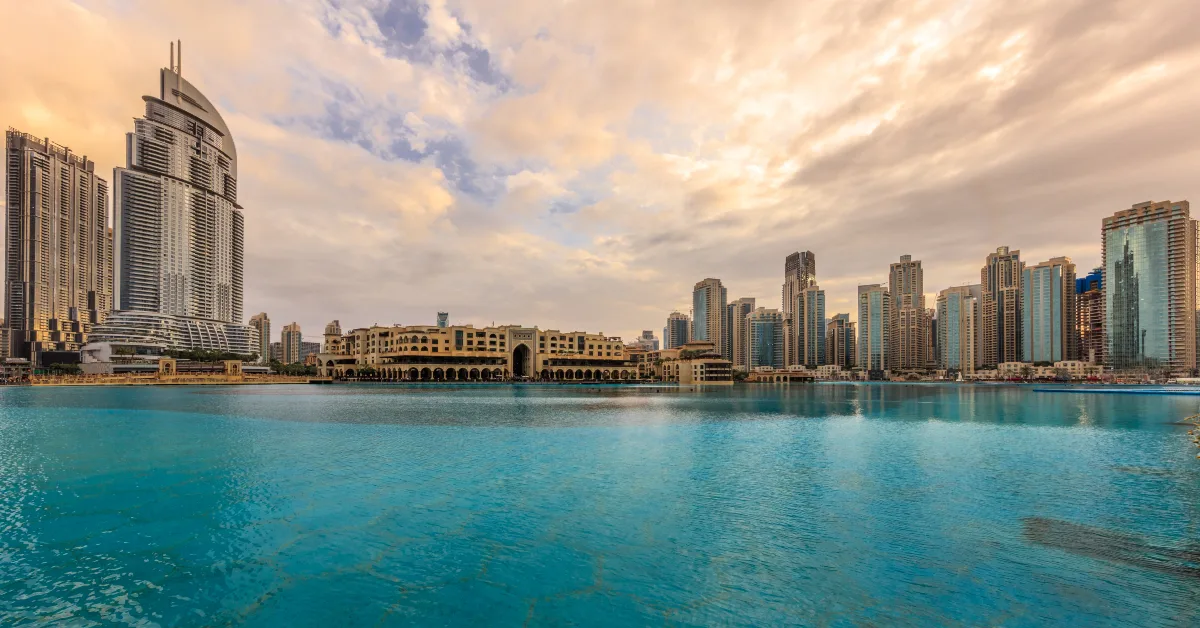
Dubai’s rental market in 2026 presents a dynamic and evolving landscape. Strong tourism numbers, a growing community of remote workers, and new residential developments are driving both short-term and long-term rental demand. For prospective tenants, investors, and property owners, understanding market conditions, pricing trends, and legal frameworks is essential to make informed decisions and secure the right property.
Market trends and price forecasts
Analysts forecast steady growth in Dubai’s rental market in 2026. Short-term rentals are expected to rise due to strong demand from tourists and business travellers, while long-term leases are projected to increase as expatriates and families continue seeking stable accommodation.
What this means for renters
The projected price growth highlights the importance of early planning. Starting your search sooner improves your chances of securing better rental rates before the market intensifies. You should also explore emerging neighbourhoods that offer excellent facilities at competitive prices, especially if you are searching within a modest budget.
Housing options in Dubai
Dubai offers a wide range of rental options, from city-centre apartments to spacious villas in suburban communities. Choosing the right home depends on your lifestyle, family size, commute needs, and preferred amenities.
Apartments
Apartments remain the most popular choice for renters. Areas such as Downtown Dubai, Dubai Marina, and Palm Jumeirah offer luxury living, waterfront access, and excellent proximity to transport and entertainment.
If you prefer family-friendly communities with greenery, The Greens and Jumeirah Lake Towers (JLT) provide a quieter urban feel.
For those on a tighter budget, Jumeirah Village Circle offers larger units at more affordable prices, although travel times to central areas tend to be longer.
Villas
Villas appeal to families who want extra space, privacy, and outdoor areas. Popular villa communities include Dubai Hills Estate, Arabian Ranches, and The Springs.
These areas offer green spaces, community facilities, and family-centred environments. However, villa neighbourhoods are usually located farther from metro stations, so car ownership is often necessary.
Townhouses
Townhouses offer a balanced alternative between apartments and villas. They provide more space than apartments, private entrances, small gardens or terraces, and are generally more affordable than standalone villas.
Key townhouse communities include Jumeirah Village Triangle (JVT), Mudon, and Al Furjan, which appeal to families seeking suburban comfort without the higher rental costs of villa living.
Studios
Studios are an excellent option for single professionals and newcomers to Dubai. They offer compact living with lower monthly rent and reduced utility costs. Well-known studio-friendly districts include JVC, International City, and Dubai Silicon Oasis. These areas also benefit from accessible amenities such as supermarkets, gyms, and public transport links.
Hotel apartments
Hotel apartments are a premium option for residents seeking maximum convenience and flexible lease terms. These units provide hotel-grade services, including room service, concierge support, housekeeping, and on-site dining.
While more expensive than standard rentals, they are highly favoured by short-term residents and executives on temporary assignments. Prime areas for hotel apartments include Palm Jumeirah, Sheikh Zayed Road, Al Barsha, and Business Bay.
Long-term vs short-term rentals
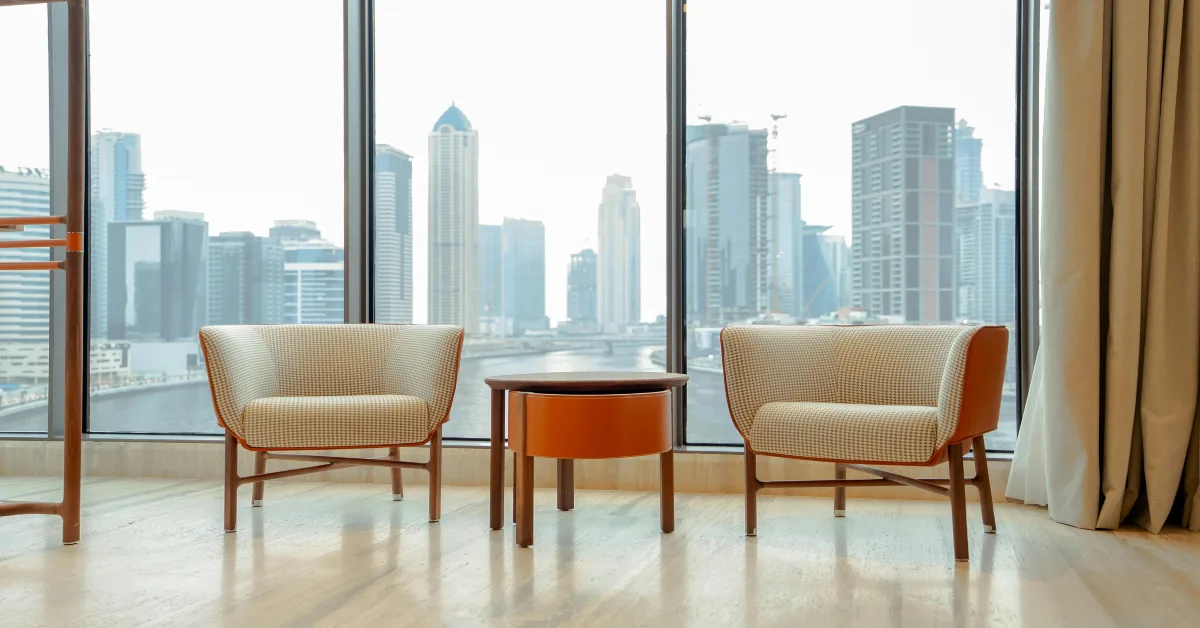
Dubai provides both long-term annual leases and flexible short-term rental options. Each model suits different lifestyles and financial circumstances.
Long-term rentals (annual leases)
Long-term rentals provide stability for residents staying in Dubai for extended periods. Before signing a lease, tenants must have an Emirates ID and be prepared to cover upfront costs, including deposits, agent fees, and utility charges. Annual contracts typically use post-dated cheques for rent payments, although some landlords now accept bank transfers.
Short-term rentals (holiday homes)
Short-term rentals allow tenants to stay for periods ranging from a few days to several weeks or months, without the need for a long-term contract. These fully furnished units are ideal for tourists, remote workers, freelancers, and new arrivals who want flexibility. The short-term market continues to grow, driven by demand for luxury stays, eco-friendly buildings, and tech-enabled accommodations.
Legal requirements and registration
Dubai has clear rules to protect both tenants and landlords, ensuring transparency and fairness across all rental transactions.
Ejari registration
All long-term rental contracts must be registered through Ejari. This system records tenancy agreements officially and is required for visa applications, utilities, and legal protection.
Short-term rental licensing
Owners operating holiday homes must register with Dubai’s Holiday Homes portal. Licensing involves fees, safety requirements, guest registration, and annual renewal. Properties must meet strict standards, including compliance with fire safety regulations and regular inspections for cleanliness.
Step-by-step rental process
Finding a rental in Dubai involves several stages, from property search to move-in. Understanding these steps and following the recommendations in this renting in Dubai guide will simplify your experience.
Finding your ideal rental property
The first step in the Renting in Dubai Guide is to identify suitable properties that match your budget, lifestyle, and preferred location. While online listings offer convenience and a broad overview of options, it is always advisable to arrange in-person viewings to verify the property’s condition, layout, and building facilities before making any commitments.
Essential documents
Prepare the following documents before applying:
- Passport and visa
- Emirates ID
- Employment contract or income proof
- Bank statements
- Reference letters from previous landlords (optional)
- Signed tenancy contract
Understanding rental agreements
Review your tenancy contract thoroughly. Pay particular attention to:
- Rent amount and payment schedule
- Refundable deposit
- Contract duration
- Maintenance responsibilities
- Dispute resolution process
- Pet rules and house regulations
- Parking arrangements
Utility setup and move-in essentials

After signing the tenancy contract and completing Ejari, tenants must set up their DEWA account for water and electricity. Installation usually requires a refundable deposit and initial meter reading.
For internet, Dubai residents can choose between the two main providers, du and Etisalat, both of which offer a wide variety of packages. It is advisable to arrange installation ahead of your move-in date to ensure a smooth transition.
Financial considerations and costs
Dubai’s rental costs vary depending on whether the apartment is furnished or unfurnished. Expect upfront charges such as:
- Five per cent agent commission
- Security deposit of five to ten per cent
- DEWA deposit
- Internet installation fee
- First month’s rent
Tenant rights and protections
Dubai’s rental laws provide tenants with explicit protections. Long-term leases follow regulated rent increase rules, giving tenants predictable annual expenses. Short-term rentals, however, are exempt from rental caps due to their flexible nature.
If disputes arise, tenants can contact the Real Estate Regulatory Agency (RERA) for mediation and guidance. Rental contracts typically include instructions for resolving conflicts and procedures for terminating the agreement.
Professional assistance and support services
Professional agencies simplify the rental process by helping tenants find suitable homes, negotiate leases, manage documentation, and complete Ejari registration. Many agencies offer complete support from property search to move-in, including assistance with short-term rental options.
Relocation services are also available to handle inspections, utility setup, and moving logistics, ensuring a smooth transition into your new home.
Key takeaways
Dubai’s rental market is poised for significant growth in 2026, with forecasted increases of 13% for long-term rentals and 18% for short-term leases. Renters should plan and consider a range of communities to find the best fit for their lifestyle and budget. Whether you choose apartments or villas, the Renting in Dubai Guide recommends being prepared for upfront costs, including agent fees, deposits, and utility charges.
Understanding legal requirements is essential, especially for Ejari registration of long-term tenants and licensing of holiday homes. Online platforms facilitate property searches, but in-person viewings remain crucial. Tenants enjoy legal protections, and professional agencies can assist with documentation and facilitate a smooth move-in process.
FAQs
Yes, an Emirates ID is required for all long-term leases. Short-term stays through platforms like Airbnb may not need it initially, but guest registration with authorities is mandatory.
Expect a five per cent agent fee, a security deposit of five to ten per cent, DEWA and internet deposits, and the first month’s rent. These costs typically amount to twenty to thirty per cent of your first-year rent.
Jumeirah Village Circle provides larger units at affordable prices. The Greens and JLT offer family-friendly options with higher price points but excellent amenities.
Short-term rents are projected to rise by 18 per cent, and long-term rents by thirteen per cent, due to increasing demand across Dubai.