



Thinking of visiting Dubai during Ramadan? This special month brings a unique atmosphere, with cultural traditions, shorter business hours and a focus on prayer and reflection. While some places may have adjusted timings, there are still plenty of things to do in Dubai in Ramadan, from lively night Ramadan markets to unique Iftar experiences.
Planning ahead is key, as Ramadan dates change each year based on the Islamic lunar calendar. This guide covers everything you need to know about the best things to do and visit during Ramadan in Dubai.
- Experience Traditional UAE Iftar Dishes
- Going Out During Suhoor
- Shop at Ramadan Night Markets
- Experience Ramadan Cannons
- Visit Jumeirah Mosque for Ramadan Tours
- Celebrate at the Ramadan Souq in Deira
- Take Part in the ‘Season of Wulfa’ Celebrations
- Explore Ramadan Cultural Exhibits and Workshops
- Join the Ramadan Night Walk
- Decorate Your Home
- Plan an Iftar Getaway
- Is it a good idea to visit Dubai in Ramadan?
- What is Dubai like during Ramadan?
- Etiquettes to Follow in dubai during ramadan
- Key Takeaways
- FAQs
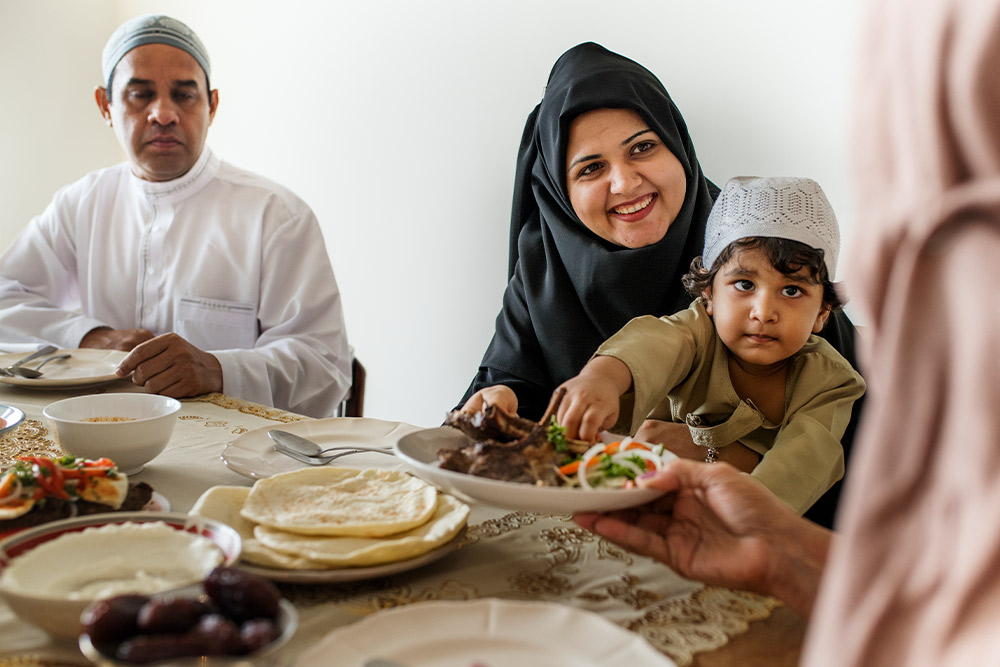
Experience Traditional UAE Iftar Dishes
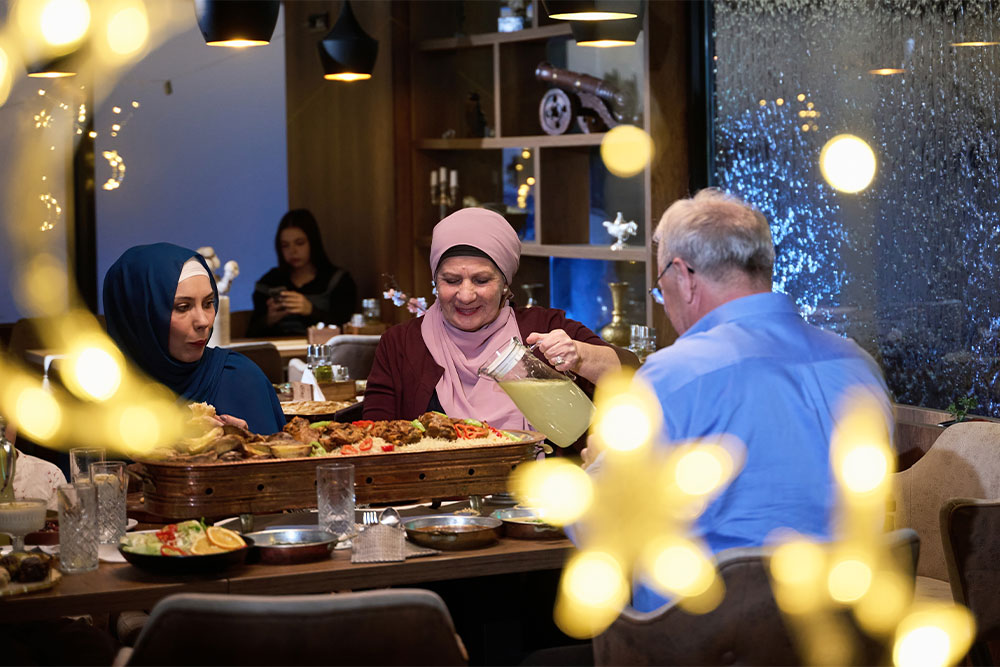
As the sun sets in Dubai during Ramadan 2026, breaking the fast (Iftar) becomes a celebrated ritual, with a range of options from traditional feasts to contemporary dining experiences across the city. Dates and water remain the classic way to open the fast, followed by an array of rich Middle Eastern favourites and international dishes that reflect Dubai’s cosmopolitan culinary scene.
Here are some of the best places to enjoy Iftar in Dubai:
- Asateer Tent at Atlantis, The Palm: A well-loved Ramadan experience where families and friends gather for an expansive buffet featuring Arabic and international cuisine in a festive tent setting.
- Beachfront Iftar at Address Beach Resort: Enjoy a thoughtfully curated Iftar buffet in an elegant beachfront environment, with traditional and modern dishes served from sunset.
- Liwan Iftar Buffet at Swissôtel Al Ghurair: A comforting Iftar spread with classic Arabic flavours and international favourites in a welcoming setting.
- Open Buffet at Atmosphere, Burj Khalifa: Break your fast on the 122nd floor with spectacular views, live cooking stations and a varied selection of dishes — perfect for a memorable Ramadan evening.
- AMAYA Dubai Mall: Dine with views of the Burj Khalifa and Dubai Fountain while savouring a balanced iftar menu that blends regional and global tastes in a relaxed atmosphere.
- Community & Cultural Iftar at Al Fahidi Historical District – Experience a traditional Emirati Iftar in a wind-tower house with Arabic coffee, dates and local dishes in a heritage setting, ideal for cultural immersion.
- Ramadan Garden at Jumeirah Beach Hotel: A popular outdoor iftar venue with views of the Burj Al Arab and a menu that combines Mediterranean influences with traditional Ramadan favourites.
Whether you’re seeking a lavish buffet at a luxury hotel, a scenic rooftop experience, or a community-style traditional meal, Dubai’s dining scene during Ramadan offers something for every palate and budget, but it’s wise to book early, as many venues fill up quickly each year.
Do Not Skip Going Out During Suhoor
Suhoor in Dubai is more than just a pre-dawn meal — it’s a late-night social experience that highlights the city’s unique Ramadan rhythm. While much of the day is calm, Dubai comes alive after midnight, with cafés, hotels and Ramadan tents welcoming guests until the early hours of the morning.
Unlike Iftar, Suhoor tends to be more relaxed and unhurried. Menus often feature lighter dishes such as eggs, pastries, yoghurt, soups and Arabic breads, alongside heartier options for those preparing for a long fasting day. Traditional drinks like laban, Arabic coffee and fresh juices are commonly served, creating a comforting and sociable atmosphere.
Many hotels and cultural venues host dedicated Suhoor settings with elegant seating, soft lighting and live oud music, making it a popular choice for friends and families to gather late at night. Well-known Suhoor experiences can be found at Madinat Jumeirah, where traditional majlis-style seating overlooks waterways, and at luxury hotels such as The Ritz-Carlton, Dubai, which typically host seasonal Ramadan tents and late-night dining experiences.
Whether you’re looking for a quiet spot to enjoy a peaceful meal before dawn or a lively setting with music and conversation, going out for Suhoor in Dubai offers a memorable way to experience the city during Ramadan 2026.
Shop at Ramadan Night Markets
Shopping after sunset is one of the highlights of Ramadan in Dubai, with night markets and pop-up souqs bringing together retail, food and cultural experiences in lively evening settings. During Ramadan, malls and outdoor venues extend their opening hours, while seasonal Ramadan markets appear across the city, offering everything from traditional crafts and perfumes to festive street food.
Some of the most popular Ramadan night markets in Dubai include:
- Dubai World Trade Centre – Ramadan Souq
Known for its spacious indoor setting, this Ramadan souq typically features stalls selling traditional clothing, incense, perfumes, home décor and gift items. The market usually operates in the evenings during the Ramadan period, making it a convenient stop after Iftar. - Dubai Festival City Mall – Ramadan Night Market
This waterfront destination often hosts Ramadan-themed night markets featuring artisan products, local food vendors and live entertainment, alongside late-night shopping and dining. - Dubai International Financial Centre (DIFC) – Ramadan District
DIFC offers a more upscale interpretation of the Ramadan market concept, combining boutique shopping, curated food stalls and cultural programming in a stylish urban setting. - Al Seef – Ramadan Night Market
Set along Dubai Creek, Al Seef’s Ramadan market blends heritage architecture with modern retail. Expect local handicrafts, traditional garments, accessories and Middle Eastern snacks in a picturesque, historic atmosphere. - City Walk – Ramadan Market
City Walk typically hosts a contemporary open-air Ramadan market, with vendors offering fashion, jewellery, home décor and gourmet street food, appealing to those looking for a modern twist on Ramadan shopping.
Experience Ramadan Cannons
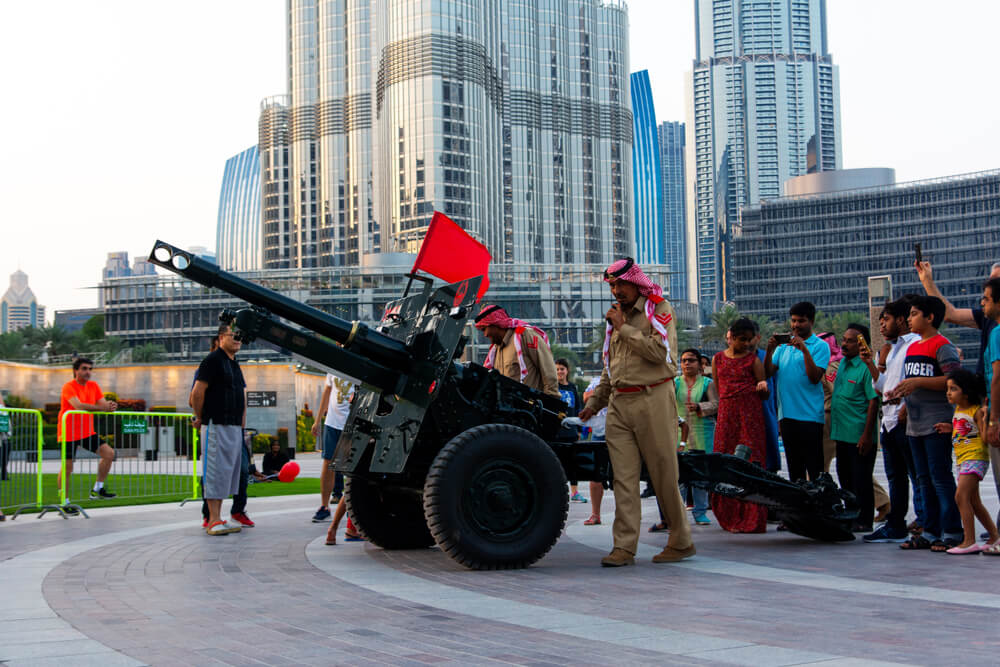
One of Dubai’s most cherished Ramadan traditions is the firing of the Ramadan cannon, a ceremonial practice that marks the exact moment of Iftar at sunset. The tradition dates back decades and continues today as a symbolic way of announcing the end of the daily fast, drawing families and visitors together for a shared cultural moment.
Each evening during Ramadan, the cannon is fired just before the Maghrib call to prayer, combining heritage with precision timing. While modern technology now broadcasts prayer times instantly, the Ramadan cannon remains a powerful reminder of the emirate’s traditions and communal spirit.
In Dubai, Ramadan cannons are stationed at several prominent locations, making them easy to experience across different neighbourhoods, including:
- Burj Khalifa
- Expo City Dubai
- DAMAC Hills
- Vida Creek Harbour
- Mirdif Downtown
- Dubai Festival City
- Hatta Guest House
Watching the Ramadan cannon fire is a simple yet memorable way to connect with Dubai’s cultural heritage — whether you’re witnessing it for the first time or revisiting a tradition that continues to unite the city each evening during Ramadan.
Visit Jumeirah Mosque for Ramadan Tours
A visit to Jumeirah Mosque during Ramadan offers a meaningful way to learn about Islamic traditions in an open and welcoming environment. As one of Dubai’s most recognisable religious landmarks, the mosque is known for hosting guided cultural tours that are open to non-Muslims, making it an excellent stop for visitors seeking deeper understanding rather than sightseeing alone.
During Ramadan, these tours place special focus on the significance of fasting, daily prayers and the spiritual values observed throughout the holy month. Guides explain key practices such as Suhoor, Iftar, Taraweeh prayers and the role of charity, while also answering questions about mosque etiquette and Islamic beliefs. The experience is informative, respectful and designed to encourage cultural exchange.
The mosque’s traditional Fatimid-style architecture adds to the experience, particularly in the early evening when the surroundings are calm before sunset. Visitors are advised to dress modestly, and abayas and headscarves are usually provided on site if needed.
Celebrate at the Ramadan Souq in Deira
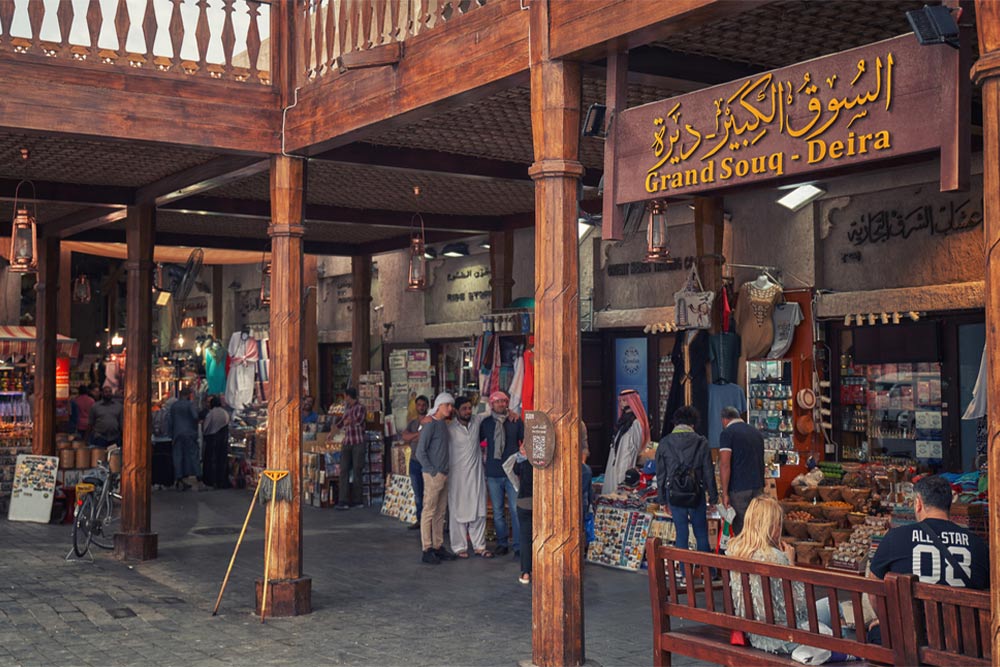
The Ramadan Souq in Deira offers one of the most authentic ways to experience the festive spirit of Ramadan in Dubai. Set within one of the city’s oldest trading districts, the souq combines traditional shopping, cultural activities and evening entertainment in a lively yet distinctly local atmosphere.
During Ramadan, Deira’s streets and market areas come alive after sunset with stalls selling spices, oud, incense, lanterns, textiles and handmade gifts that are closely associated with the season. Visitors can also find traditional Ramadan treats and street food, making it an ideal place to browse, snack and soak up the ambience late into the evening.
Beyond shopping, the Ramadan Souq often features cultural performances, family-friendly activities and decorative light displays that reflect Emirati heritage and community traditions. The setting itself — surrounded by historic buildings and long-established markets — adds to the sense of stepping into a more traditional side of Dubai.
Take Part in the ‘Season of Wulfa’ Celebrations
The Season of Wulfa is a city-wide cultural programme introduced to celebrate the values of togetherness, generosity and community during Ramadan and Eid. Wulfa, an Arabic word associated with harmony and unity, reflects the spirit of the holy month and shapes the tone of these seasonal events across Dubai.
During Ramadan, the Season of Wulfa brings together a series of curated experiences that blend tradition with modern city life. Visitors can expect community gatherings, cultural showcases, family-friendly activities and themed events that highlight Emirati heritage, hospitality and shared social values. Many of these celebrations take place in public spaces, cultural districts and lifestyle destinations, making them accessible to residents and visitors alike.
Unlike large-scale festivals focused purely on entertainment, the Season of Wulfa centres on meaningful social connection — from communal Iftars and storytelling sessions to cultural performances and heritage-inspired displays. The initiative also aligns with Ramadan’s emphasis on charity, reflection and togetherness, reinforcing the sense of unity felt across the city during the holy month.
Explore Ramadan Cultural Exhibits and Workshops
Dubai’s cultural institutions and community programmes often host Ramadan-inspired exhibitions, interactive workshops and heritage activities that allow visitors to explore the spiritual and artistic dimensions of the holy month. These experiences provide deeper insight into local traditions, Arabic arts and communal practices that enrich your time in the city.
Throughout Ramadan, organisations such as Dubai Culture and Arts Authority curate a diverse calendar of events under initiatives like “ليالي رمضان” (Ramadan Nights). These include workshops on traditional crafts, creative arts sessions at cultural venues, and hands-on demonstrations that celebrate Emirati customs and heritage. For example, museums like Al Shindagha Museum host immersive experiences that bring to life local stories and practices associated with Ramadan, blending education with entertainment.
Many of these activities feature Ramadan-themed calligraphy classes, storytelling sessions and creative displays connected to Islamic art, making them suitable for adults and families alike. They’re often scheduled in the early evening or after Iftar, so you can enjoy them alongside other nightly Ramadan festivities across the city.
Join the Ramadan Night Walk
The Ramadan Night Walk is a community-led activity that takes place in Dubai during Ramadan, typically after Iftar and evening prayers. It is designed to encourage light physical activity at a time when fasting has ended and temperatures are cooler, making it suitable for people of all ages.
These organised walks are usually held in pedestrian-friendly neighbourhoods and open areas, with Dubai Silicon Oasis being one of the locations that has hosted Ramadan Night Walk events in recent years. Routes are generally short and manageable, allowing participants to walk at a comfortable pace rather than as part of a fitness challenge.
Beyond exercise, the Ramadan Night Walk serves a social purpose by bringing residents together in a shared public setting. Some walks are linked to community initiatives such as charity awareness or family activities, while others focus purely on promoting movement and well-being during the fasting month.
Decorate Your Home
Bring in the festive spirit by decorating your home during Ramadan with warm lighting, traditional pieces and elegant table settings. You can use lanterns to add a soft glow and crescent moon and star motifs to create a special ambience.
Arabic calligraphy wall art, embroidered cushions and Ramadan-themed tableware can enhance the festive feel. Many shops and souqs, including Dragon Mart and Grand Souq Deira, offer beautiful Ramadan decorations to make your home feel welcoming and memorable.
Plan an Iftar Getaway
For a unique experience, book a desert safari in Dubai to enjoy iftar in a traditional Emirati style. You can dine under the stars while watching cultural performances like Tanoura dance and fire shows. Resorts like Al Maha and Sonara Camp offer luxury desert dining with authentic Emirati dishes. You can also escape to the mountains of Hatta for a peaceful iftar by the lakeside.
Is it a Good Idea to Visit Dubai in Ramadan?
Yes, visiting Dubai during Ramadan can be a very rewarding experience, especially for travellers interested in culture, food and local traditions. The city takes on a calmer, more reflective atmosphere during the day, while evenings become lively and social after sunset. Visitors can enjoy unique experiences such as traditional Iftar meals, Ramadan night markets, cultural events and extended shopping hours that are exclusive to this time of year.
That said, daily routines do change during Ramadan. Eating, drinking and smoking in public during daylight hours are restricted, and some attractions may operate on adjusted schedules. However, most hotels, restaurants and tourist venues remain open, often offering discreet daytime dining options for non-fasting guests and expanded activities at night.
What is Dubai like during Ramadan?
During Ramadan, Dubai feels noticeably calmer and more reflective during the day, with a slower pace that contrasts with the city’s usual high energy. Streets are quieter, work hours are often shorter, and there is a greater sense of mindfulness in public spaces as people observe the fast. Visitors may notice a more respectful atmosphere, with modest dress and considerate behaviour widely observed.
After sunset, the city transforms. As the call to prayer signals Iftar, Dubai comes alive with families, friends and communities gathering to break their fast. Restaurants, cafés, markets and public spaces fill with activity, and the mood becomes warm, social and festive. Night markets, Ramadan tents and cultural events give the city a unique evening charm that is distinct from any other time of year.
Overall, Dubai during Ramadan feels welcoming, community-focused and culturally rich. It offers a rare balance between tranquillity and celebration, allowing visitors to experience both the spiritual side of the city and its vibrant nightlife in a way that feels authentic and memorable.
Etiquettes to Follow in Dubai during Ramadan
Dubai is a multicultural city, but during Ramadan, it is important to respect the customs and traditions of the Muslim community.
Here are some etiquettes to keep in mind:
- Respect fasting hours by avoiding eating, drinking or smoking in public during the day.
- Non-Muslims are not required to fast but should be mindful of those who are.
- Restaurants remain open, with many offering indoor dining for non-fasting individuals. Children can eat and drink as usual.
- Adjust to shorter working hours, as many businesses and offices operate on reduced schedules. Check timings before planning visits.
- To show respect for the culture, dress modestly, covering shoulders and knees with loose-fitting clothing.
- Be mindful of public behaviour, keep noise levels low, and avoid public displays of affection or inappropriate conversations.
- Join in the celebrations by attending iftar gatherings, exploring Ramadan night markets and experiencing the city’s lively post-sunset atmosphere.
- Greet with ‘Ramadan Mubarak’ as a polite and thoughtful way to acknowledge the holy month.
- Participate in charitable activities by donating to government-approved charities at supermarkets, restaurants and fundraising events.
Key Takeaways
Ramadan in Dubai offers a truly distinctive experience, blending spiritual reflection with cultural celebration and vibrant evening life. From enjoying traditional Iftar meals and late-night Suhoor gatherings to exploring Ramadan night markets, cultural exhibits and community events, the city provides a wide range of activities that cater to both residents and visitors.
While daytime routines are quieter and guided by local customs, evenings reveal a warm and welcoming atmosphere filled with shared meals, heritage traditions and seasonal festivities. Whether you’re visiting a mosque for a cultural tour, witnessing the firing of Ramadan cannons, joining community walks or simply soaking up the calm yet festive mood, Dubai during Ramadan feels thoughtful, inclusive and deeply rooted in tradition.
By planning ahead, respecting local etiquette and embracing the unique rhythm of the holy month, visitors can enjoy an enriching and memorable stay. Ramadan is not just a time to see Dubai differently — it’s an opportunity to experience the city at its most reflective, generous and culturally alive.
FAQs
During daylight hours in Ramadan, eating, drinking and smoking in public places are restricted out of respect for those who are fasting. Many hotels and licensed restaurants offer screened or private dining areas for non-fasting guests during the day.
Most major attractions, beaches and shopping malls remain open throughout Ramadan, often with extended evening hours. However, some venues may adjust daytime schedules, so it’s best to check opening times in advance.
Late afternoon through late evening is the best time to explore Dubai during Ramadan. This allows visitors to experience Iftar, cultural events, night markets and a lively social atmosphere after sunset, when the city is at its most active.