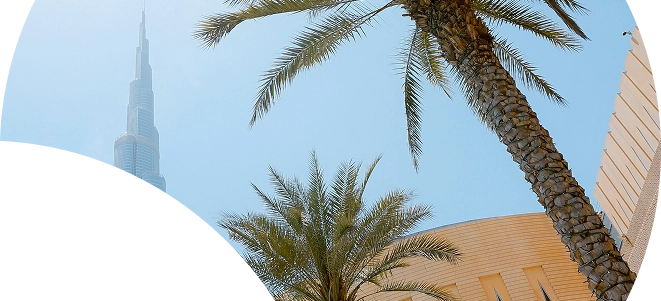

Al Ain stands out as the UAE's Garden City, where you'll find greenery stretching along wide boulevards and ancient oases tucked between modern developments. Located about 160 kilometers from Abu Dhabi and 120 kilometers from Dubai, this inland city sits right on the border with Oman.
What makes it special is its UNESCO World Heritage status, which recognizes sites like the Al Ain Oasis and historic forts scattered throughout the area. The climate here runs hot most of the year, though the humidity stays noticeably lower than what you'd experience in coastal cities.
The city attracts a different crowd than you'd find in Dubai or Abu Dhabi. Life moves at a slower pace here, which appeals to visiting professors, medical professionals on temporary assignments, and tourists who want to explore the region's cultural heritage without the coastal city rush.
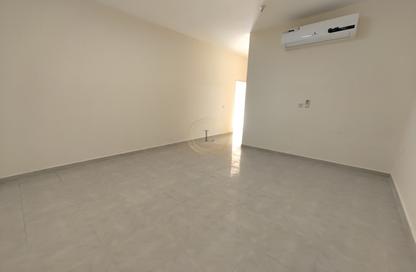
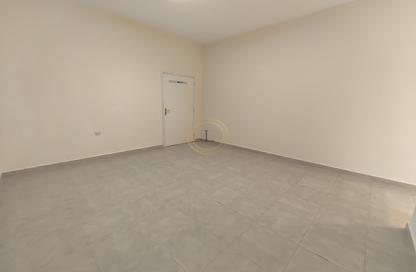
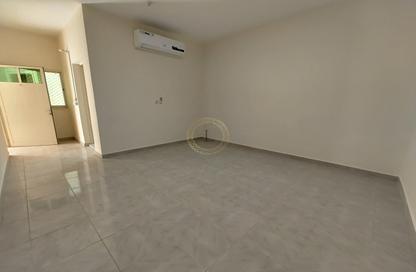
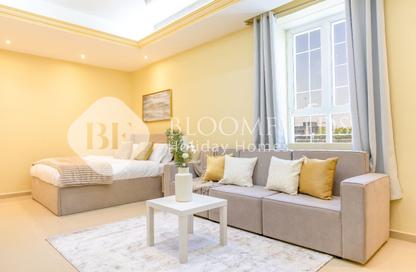
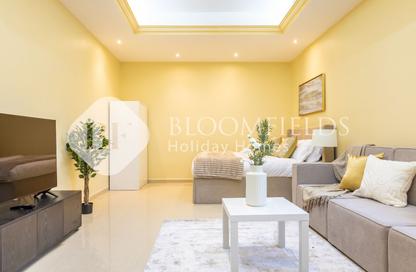
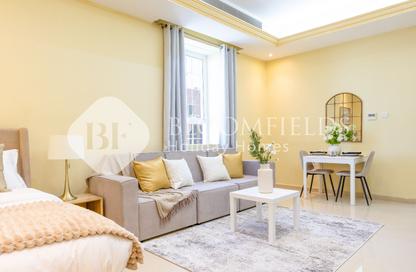
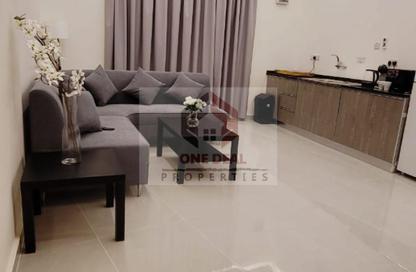
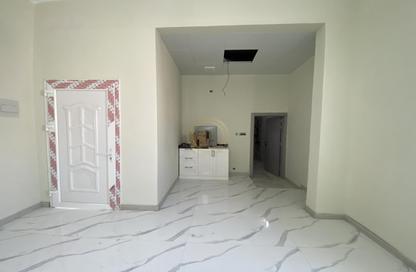
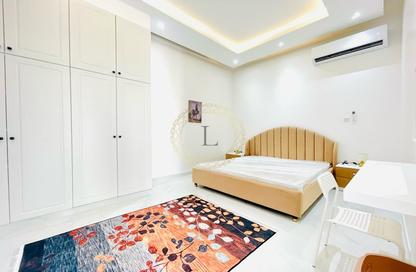
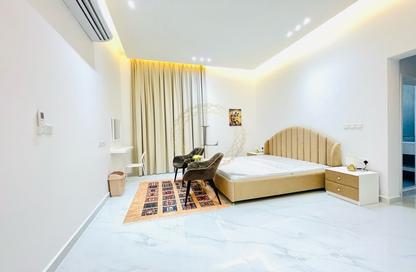
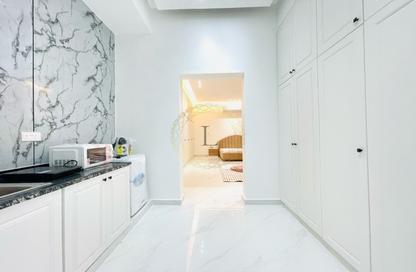
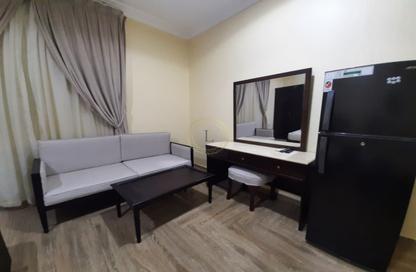
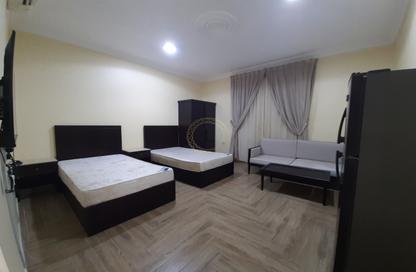
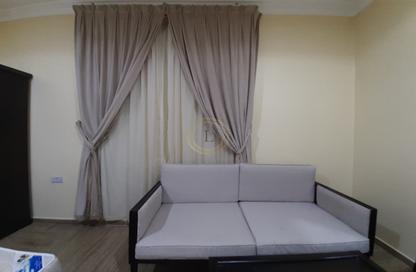
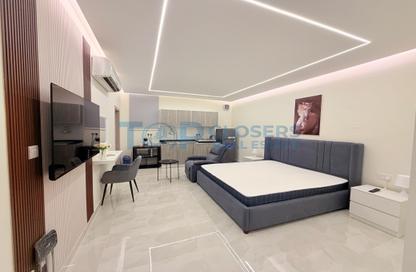
Al Ain's rental market reflects its identity as an education and healthcare center. The United Arab Emirates University and Higher Colleges of Technology bring in academic staff throughout the year, while Tawam Hospital draws medical professionals from around the region. These institutions create a steady demand for furnished studios that can accommodate people for a few months at a time.
You'll find two main types of monthly rentals here. Residential buildings in the town center typically offer basic furnished units, while hotel developments provide serviced apartments with housekeeping and front desk support. The market stays relatively stable compared to the rapid changes in Dubai, though availability can tighten when universities start new semesters.
Living in Al Ain means the UAE's only UNESCO sites are just down the road. The ancient Al Ain Oasis still operates its traditional irrigation system, while forts like Al Jahili tell stories from centuries past. Archaeological sites dating to the Bronze Age sit within easy reach of residential areas.
Building height restrictions keep the city feeling open and uncrowded. Trees line most streets, and parks like Green Mubazzarah offer natural hot springs at the foot of Jebel Hafeet. The desert air makes evening walks comfortable even in summer, particularly compared to the sticky humidity along the coast.
Academics and healthcare workers find Al Ain practical for short-term assignments. The university employs visiting faculty throughout the year, while Tawam Hospital regularly hosts specialists on rotation. Monthly rentals match these work patterns better than annual leases.
Residential areas in Al Ain tend to cluster around major facilities like shopping malls, hospitals, and university campuses. The city mixes busy commercial districts with quieter neighborhoods where gardens and parks dominate the landscape. Different areas serve different needs, from walkable town center locations to resort-style developments near natural attractions.
Town Centre
The commercial heart of Al Ain houses traditional souqs alongside Al Ain Mall. Living here puts shops and restaurants within walking distance, which works well if you prefer getting around on foot rather than driving everywhere.
Al Jimi
Al Jimi is a central district that contains Al Jimi Mall and Al Ain Hospital. Healthcare workers appreciate the proximity to medical facilities, while the concentration of supermarkets and services makes daily life straightforward.
Al Jahili
The historic Al Jahili Fort anchors this area, which also includes the Al Ain Rotana hotel. Premium parks and hotel-serviced apartments create a resort atmosphere that appeals to visitors who want amenities beyond basic housing.
Green Mubazzarah and Jebel Hafeet
Properties near the base of Jebel Hafeet offer access to natural hot springs and resorts like the Mercure Hotel. The setting suits those looking for a scenic environment and leisure-focused lifestyle during their stay.
Al Ain sits in the Eastern Region of Abu Dhabi emirate, right on the border with Buraimi, Oman. The Dubai-Al Ain Road (E66) connects directly to Dubai, while major highways link to Abu Dhabi. Expect about 90 minutes to two hours of driving time to reach either coastal city.
Public buses operate throughout the city, though most residents and visitors find having a car more practical, given how spread out everything is. Taxis work for shorter trips within town. Al Ain International Airport handles regional flights, while Zayed International Airport in Abu Dhabi is roughly 90 minutes away by car.
Major attractions include Jebel Hafeet mountain, the Al Ain Oasis with its ancient irrigation channels, Qasr Al Muwaiji palace, and the restored Al Jahili Fort. Most of these sites require driving to reach from residential areas.
The cooler months from October to March work best for outdoor activities and exploring heritage sites. The summer months from April through September bring extreme heat that can make daytime activities uncomfortable.
Yes, families appreciate the quieter environment compared to larger cities. Al Ain Zoo, numerous parks, and the slower pace of life appeal to those with children.
Most visitors rent a car or use taxis for convenience. While public buses serve the city, the spread-out layout makes driving the more practical option for daily errands and reaching attractions.