



A small bedroom look bigger strategy starts with understanding why the room feels tight in the first place. In many cases, the problem is not the footprint itself but how light, furniture, and clutter interact with it. A dark colour palette, oversized furniture and too many decorative items can make even a reasonably sized room feel cramped.
The goal is to create the impression of space without losing comfort or function. The best approach combines light, continuity, simplicity and multi-purpose design so the room feels open, calm and practical. When the right choices are made, a small bedroom can feel much more generous than its measurements suggest.
- Colour & Paint Techniques
- Lighting & Reflections
- Furniture Choices & Layout Hacks
- Use Vertical & Hidden Storage
- Final Styling: Décor, Textiles, & Accessories
- Summary Comparison Table
- Key Takeaways
- FAQs
1. Colour & Paint Techniques
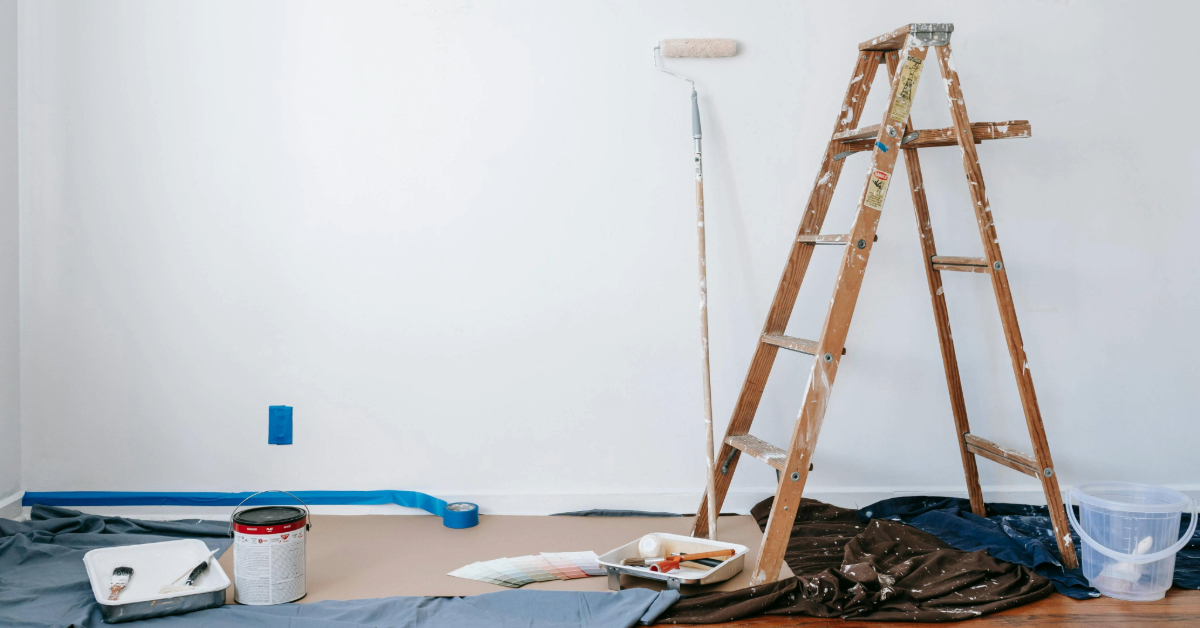
Paint colours are among the most effective ways to make a small bedroom in a Dubai apartment look bigger, as they shape how the eye reads the room. Lighter finishes, unified tones and carefully used accent shades can all help the walls feel less restrictive and the space more open.
1.1 Use Light, Reflective Colours
Soft whites, pale greys, warm neutrals, and light pastels are ideal for opening up a compact room. These shades bounce natural and artificial light throughout the space, making the bedroom feel brighter and less enclosed. Keeping the walls, trim and ceiling in similar tones also prevents the room from being visually chopped up.
1.2 Colour Drenching & Tone-on-Tone Palettes
Using the same colour, or very close shades, across the walls, trim and ceiling creates a seamless effect. This approach softens edges and can make the room feel wider and taller at the same time. To avoid the space feeling flat, vary the finish slightly through texture, fabric or accessories rather than introducing strong colour breaks.
1.3 Strategic Accent Colours & Patterns
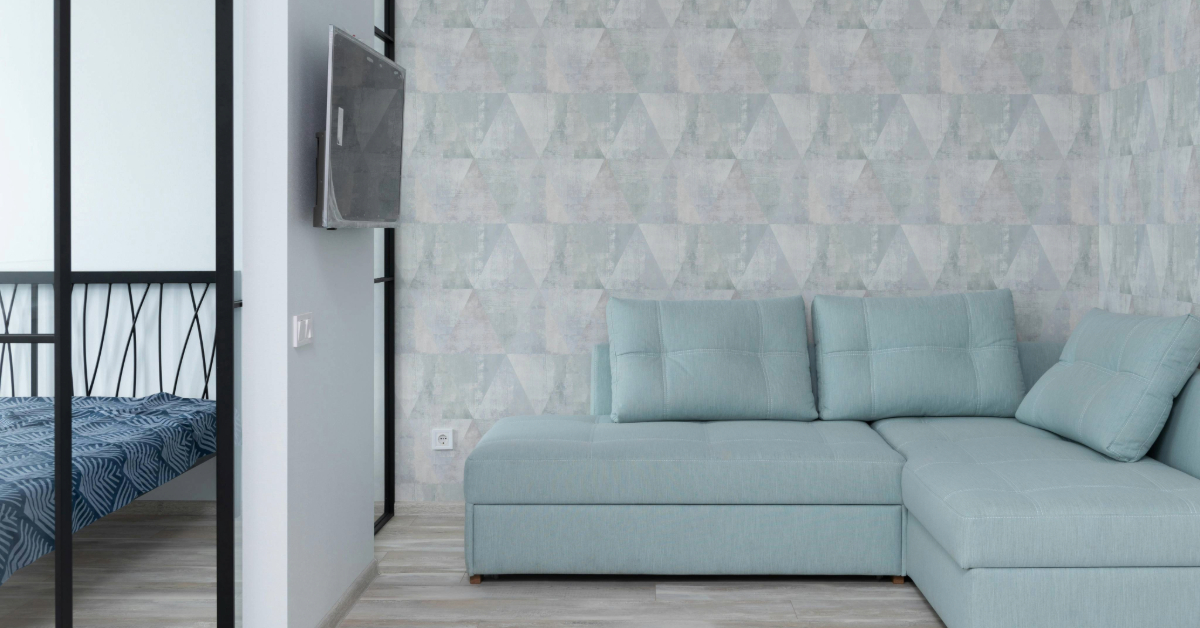
Accent shades can still work in a small room, but they should be used sparingly. Vertical stripes can draw the eye upward, while subtle colour blocking adds interest without overwhelming the space. Small-scale patterns are usually more successful than bold, oversized prints because they keep the room feeling balanced and controlled. A well-chosen accent can help a small bedroom look bigger without making it feel plain.
2. Lighting & Reflections
Light has a major influence on spatial perception. A bedroom with good daylight, layered lighting and reflective surfaces will almost always feel more open than one that relies on a single overhead fitting.
2.1 Maximise Natural Light
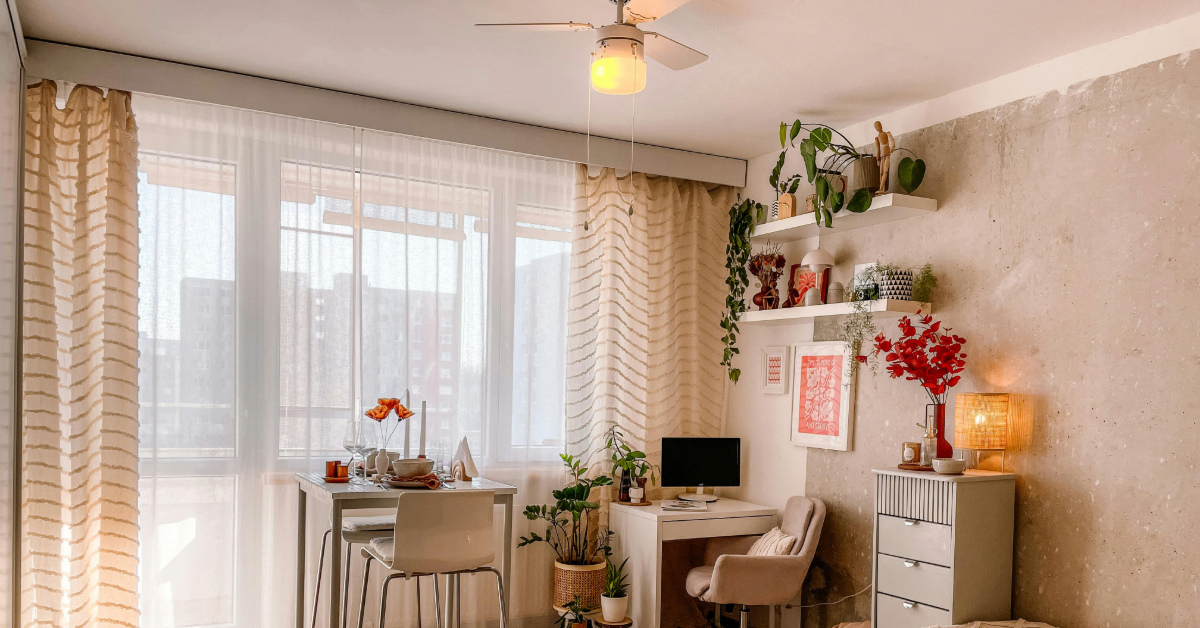
Natural light is one of the quickest ways to improve a small room. Sheer curtains, hung high and wide, allow daylight to enter without blocking the window. If possible, keep the window area clear and avoid placing bulky furniture in front of it. The more daylight reaches the room, the easier it becomes to make a small bedroom look bigger.
2.2 Layered & Wall Lighting
Instead of depending on one central light, combine ambient lighting with wall lights, bedside lamps or a slim floor lamp. Wall-mounted fixtures are especially useful because they free up floor and surface space. This layered approach creates depth and gives the room a softer, more spacious feel in the evening.
2.3 Mirrors & Reflective Surfaces
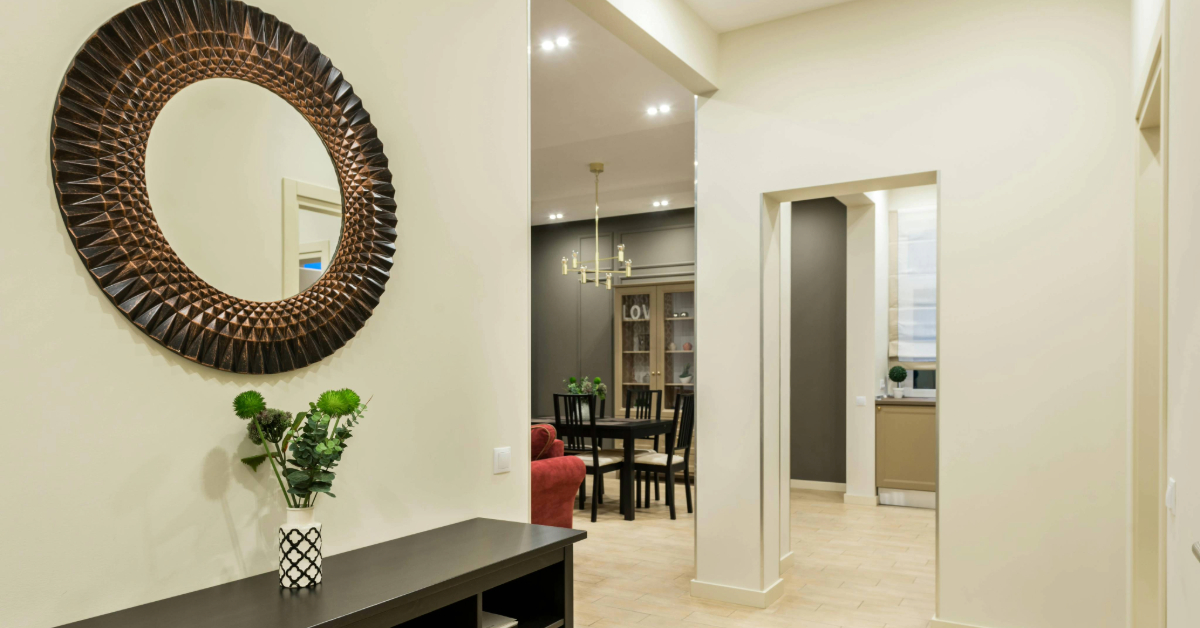
Mirrors can make a dramatic difference when placed well. Positioning one opposite a window reflects light deeper into the room and visually extends the space. Glass, lacquered finishes and other reflective surfaces can also help, as long as they are used in moderation. The aim is brightness and depth, not visual clutter.
3. Furniture Choices & Layout Hacks
Furniture has to work harder in a compact bedroom. The most effective pieces are those that serve more than one purpose, feel visually light and fit the room’s proportions properly. These principles are especially useful in compact bedrooms found across communities in Dubai, where smart layout choices make a noticeable difference.
3.1 Opt for Multi-Functional Furniture
A bed with built-in storage, a fold-out desk, or a bench that doubles as a storage seat can save a surprising amount of space. Multi-functional pieces reduce the number of items in the room, which immediately makes the layout feel calmer. In a tight room, every item should justify its presence.
3.2 Keep Furniture Scale Appropriate
Oversized furniture can overwhelm a bedroom, even if the room is not especially small. Pieces with visible legs often feel lighter because they allow more of the floor to show. A lower bed frame can also make the ceiling appear higher, which helps the room feel less compressed. Choosing the right scale is one of the simplest ways to help a small bedroom look bigger.
3.3 Smart Layout & Floor Plan
A good layout leaves breathing room around furniture and preserves clear walking paths. Pushing every piece hard against the wall is not always the best answer, because a little balance can create a more deliberate and open look. If flooring is being replaced, diagonal lines or continuous planks can help widen the visual sense of the room.
4. Use Vertical & Hidden Storage
When floor space is limited in your UAE apartment, the best place to store items is often upwards or out of sight. Vertical storage and hidden compartments keep the room tidy while freeing up valuable visual space.
4.1 Built-ins & Shelving
Shelves placed higher on the wall, built-ins that run to the ceiling and clever wall nooks all help draw the eye upward. This makes the room feel taller and keeps the floor area open. Built-in storage can be especially useful in older homes where wardrobe space is limited.
4.2 Under-Bed & Hidden Storage
The area under the bed is often wasted space, but it can store linen, shoes, seasonal items or spare bedding. Beds with drawers, lift-up mattresses and storage ottomans help keep belongings hidden from view. When clutter is out of sight, the whole bedroom feels more spacious and restful.
5. Final Styling: Décor, Textiles, & Accessories
Styling is the final layer, and it should support the room rather than crowd it. The most effective finishing touches are simple, coordinated and thoughtfully placed.
5.1 Flooring & Rugs
A large, low-pile rug can anchor the bed and make the room feel more cohesive. Continuous flooring without unnecessary breaks also creates the impression of a larger space. If the room has visible floor edges, keeping them as uninterrupted as possible helps the eye move smoothly across the area.
5.2 Curtains, Art & Wall Décor
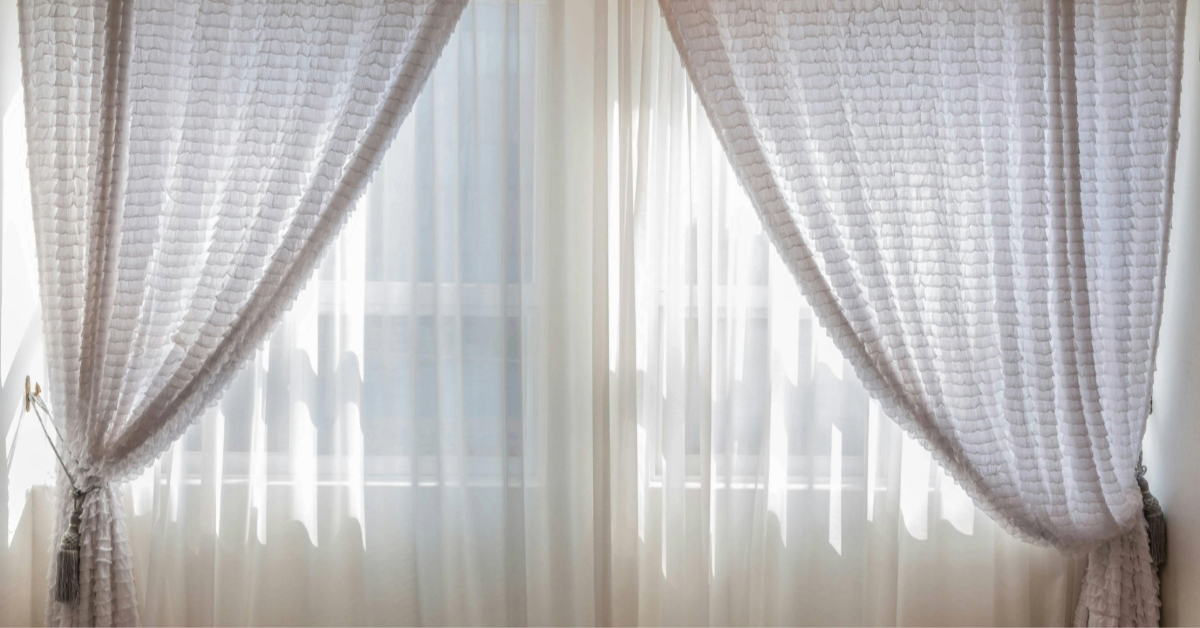
Curtains should be hung close to the ceiling line so the room appears taller. Long panels that fall to the floor help elongate the space visually. When adding artwork, keep it minimal or group smaller pieces in a neat arrangement rather than scattering them around the walls. This keeps the room stylish without making it busy.
5.3 Reduce Clutter & Maintain Uniformity
A tidy room always feels bigger than a crowded one. Use baskets, boxes and hidden compartments to store loose items, and keep accessories to a minimum. Matching textures and materials can also create a sense of order, which helps a small bedroom look bigger and feel more peaceful.
Summary Comparison Table
| Strategy | Visual Effect | Best For |
| Light monochrome paint | Opens up walls and ceilings | Rooms with low light or many small elements |
| Mirrors and reflective pieces | Doubles space, brightens dark areas | Rooms with windows or limited natural light |
| Scale and furniture with legs | Makes the floor feel larger, reduces visual weight | Tight floor space and compact furniture needs |
| Hidden storage | Clears surfaces, reduces visual clutter | Bedrooms with too many items or small closets |
Key Takeaways
- The most effective way to make a small bedroom look bigger is to focus on light, continuity and restraint
- Light, unified colours help soften edges and create a more open visual flow
- Mirrors and layered lighting enhance brightness and add depth to the space
- Furniture should be proportionate and multi-functional to avoid overcrowding
- Hidden storage helps keep the floor clear and reduces visual clutter
- Curtains, rugs and artwork should maintain a calm, cohesive look rather than add visual noise
FAQs
Satin or eggshell finishes usually work well because they reflect more light than matte paint while still helping to soften imperfections. Matte can feel calm, but it may absorb light and make the room seem less open.
Yes, when they are used carefully. A dark accent wall or ceiling can add depth, but the rest of the room should stay light so the space does not feel enclosed.
Mount curtain rods just below the ceiling line, ideally above the window frame, and let the curtains fall all the way to the floor. This draws the eye upward and helps the room feel taller.
Fewer, streamlined storage pieces usually work better. Built-ins, tall wardrobes and hidden storage keep the room looking organised and reduce visual clutter.
Place mirrors where they reflect light or provide a clean view, not clutter. A large mirror opposite a window usually works better than several small mirrors scattered around the room.