


Living in the UAE capital requires a clear understanding of the various administrative and housing costs that contribute to the city’s world-class infrastructure. One of the most significant recurring expenses for residents is the housing tax, commonly referred to as Municipality Fees Abu Dhabi. These fees are essential for maintaining urban services, from waste management and street lighting to the upkeep of public parks and roads. Whether you are a newcomer navigating the local rental market or a long-term resident, knowing how these charges are calculated, who is responsible for payment, and how they appear on your monthly utility statements is vital for accurate household budgeting in 2026.
- Understanding the Tawtheeq Registration System
- Who is Responsible for Municipality Payments?
- Breakdown of Costs and Fees for 2026
- The Registration and Billing Process
- Rules, Legal Framework, and Enforcement
- Key Takeaways
- FAQs
Understanding the Tawtheeq Registration System

Tawtheeq is the official system for registering tenancy contracts in the Emirate of Abu Dhabi, managed by the Department of Municipalities and Transport (DMT) through the TAMM digital platform. Much like the Ejari in Dubai, Tawtheeq provides a legal framework that protects both landlords and tenants by documenting the terms of a lease in a centralised government database. This registration is a mandatory requirement for connecting essential services such as water and electricity.
A registered Tawtheeq certificate is necessary for various legal processes within the emirate. Without this registration, a tenancy agreement is not legally recognised for official purposes, such as sponsoring family members or applying for certain government permits. The digitisation of this process through the TAMM portal has made it easier for property owners to stay compliant while ensuring that tenants have the necessary documentation to prove their legal residency status.
Who is Responsible for Municipality Payments?
The responsibility for paying municipality fees depends primarily on your residency status and the nature of the property lease. For expatriate tenants, the municipality fee is a mandatory charge calculated as 5% of the annual rental value of the property. This fee is applicable regardless of whether the property is currently occupied or vacant, as long as an active tenancy contract is registered. This is a key factor for those looking at apartments for rent or other rental properties in Abu Dhabi to consider when calculating their total yearly expenditure, especially if you are looking at premium options like apartments for rent in Abu Dhabi Corinche, or simply looking for a comfortable 1 bhk for rent in Abu Dhabi across the city.
Explore the Available Apartments for Rent in Abu Dhabi
-


Apartment
Listed 4 days ago
129,999 AED/year
Upcoming | Ground Floor Unit | Waterfront Living !
Waters Edge, Yas Island, Abu Dhabi
2
2
1,229 sqft
-

Apartment
Listed 4 days ago
99,990 AED/year
HIGH FLOOR | Move-In Ready | Balcony | Large Type!
Radiant Square, City Of Lights, Al Reem Island, Abu Dhabi
2
2
924 sqft
-

Apartment
Listed 3 days ago
68,000 AED/year
Unfurnished Studio |Prime Location Available Soon!
Waters Edge, Yas Island, Abu Dhabi
studio
1
470 sqft
-

Apartment
Listed 1 week ago
60,000 AED/year
Ready To Move | First Inhabitant | Great Location
Reeman Living, Al Shamkha, Abu Dhabi
1
1
484 sqft
-

Apartment
Listed 2 weeks ago
89,999 AED/year
Modern 2BHK | Perfect Home | Book It Now!
Reeman Living, Al Shamkha, Abu Dhabi
2
2
799 sqft
-

Apartment
Listed 15 hours ago
85,000 AED/year
Fully Furnished | Corner Unit | Price Negotiable
Al Maryah Vista, Al Maryah Island, Abu Dhabi
1
1
522 sqft
-
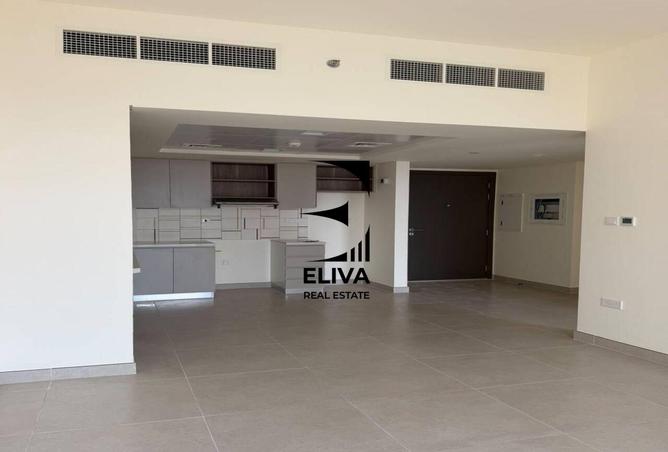
Apartment
Listed 2 days ago
60,000 AED/year
Move In Ready | Modern Layout | Brand New
Reeman Living, Al Shamkha, Abu Dhabi
1
1
521 sqft
-
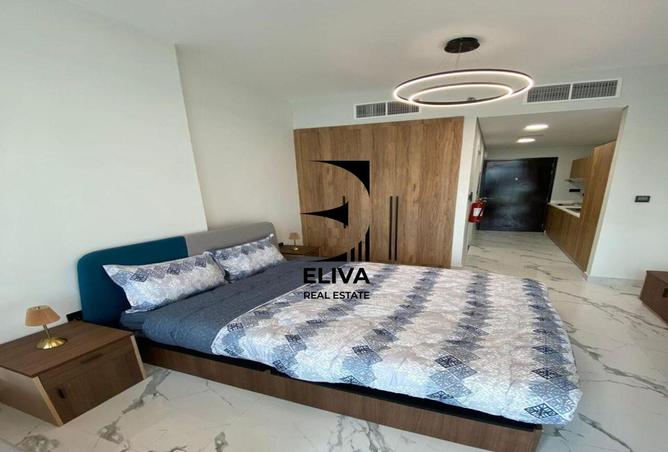
Apartment
Listed 6 days ago
65,000 AED/year
Studio w/ Balcony | Furnished | Move In Ready
Al Maryah Vista, Al Maryah Island, Abu Dhabi
studio
1
361 sqft
-

Apartment
Listed 2 weeks ago
85,000 AED/year
Brand New | 2BR w/ Balcony | Up to 4 Payments
Reeman Living, Al Shamkha, Abu Dhabi
2
2
793 sqft
-
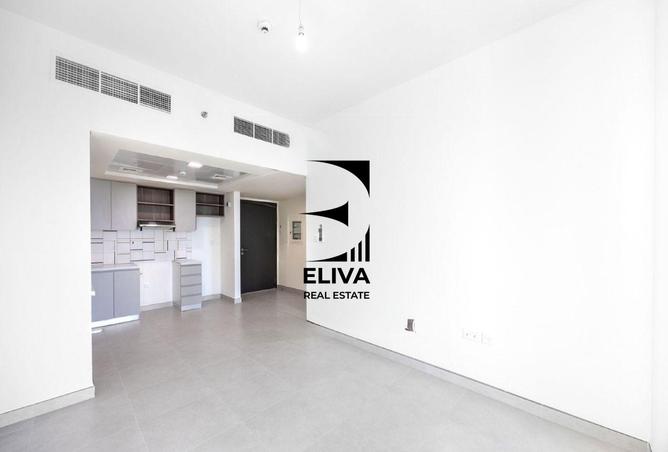
Apartment
Listed 1 week ago
60,000 AED/year
Modern 1BR | Move In Ready | First Tenant
Reeman Living, Al Shamkha, Abu Dhabi
1
1
485 sqft







In contrast, UAE Nationals are generally exempt from paying these fees for residential contracts intended for their own personal use. Landlords and property owners, however, have their own set of financial obligations. Owners must pay for the initial registration of the property and its individual units within the Tawtheeq system. They are also responsible for ensuring that all tenancy contracts are legally registered and for paying the associated administrative fees for new leases and renewals.
Breakdown of Costs and Fees for 2026
Understanding the specific amounts involved is crucial for both tenants and landlords to avoid financial surprises during the year. The following table provides a clear snapshot of the various charges associated with tenancy and municipality services in Abu Dhabi.
| Fee Type | Responsible Party | Rate / Amount | Notes |
| Municipality Fee (Residential) | Expat Tenant | 5% of annual rent | Minimum AED 450 per year; billed monthly |
| Property Registration | Landlord / Owner | ~ AED 900 | One-time fee per property |
| Unit Registration | Landlord / Owner | AED 5 per unit | Payable during initial unit setup |
| New Contract / Renewal | Landlord | AED 50 | Payable during each contract cycle |
| Commercial Contract | Business Tenant | Variable | Includes AED 50 registration + variable rate |
The Registration and Billing Process
The process of registering a lease and receiving bills has been highly streamlined through the UAE’s digital transformation initiatives. Most transactions are now handled through the TAMM platform, which serves as a one-stop shop for all government services in Abu Dhabi. This digitisation ensures that Municipality Fees Abu Dhabi are calculated accurately and applied to the correct accounts without the need for manual intervention by the tenant, significantly reducing the administrative burden on residents.
How to Register via Tawtheeq
The registration process begins with the landlord or an authorised property management company enrolling the property and its units in the DMT system. Once a lease is signed, the landlord submits the contract and required documents—such as the tenant’s Emirates ID and passport—through the TAMM portal. After the registration fee is paid, a Tawtheeq certificate is issued. This certificate is automatically linked to the Abu Dhabi Distribution Company (ADDC), triggering the connection of water and electricity services and the commencement of the municipality fee billing cycle.
How Monthly Billing Works

Once the Tawtheeq certificate is active, the 5% municipality fee is calculated based on the annual rent. This annual amount is divided into 12 equal installments and added to the tenant’s monthly ADDC utility bill. It is important to note that a minimum fee of AED 450 per year applies to all residential contracts. This means that if 5% of your rent amounts to less than AED 450, you will still be billed the minimum monthly instalment of AED 37.50. Tenants typically have 10 days after the issuance of the bill to make a payment.
Rules, Legal Framework, and Enforcement
The collection of municipality fees and the registration of tenancy contracts are governed by specific Abu Dhabi Executive Council resolutions. These laws ensure that the revenue collected is used transparently for the benefit of the city’s inhabitants. Enforcement is strict; utilities like water and electricity cannot be connected without a valid Tawtheeq. If you are looking for apartments for sale in Abu Dhabi as an investment, ensuring your units are properly registered is vital for attracting legal tenants.
Disputes regarding incorrect billing or registration issues should be directed to the relevant customer service departments. It is also worth noting that these fees are separate from other residential requirements, such as the need to maintain a valid bank account in the UAE for rent payments. For those interested in the specific lifestyle and amenity details of different districts, our community insights provide a deeper look at how these municipality services are implemented across the capital’s various neighbourhoods to support high-quality living standards.
Key Takeaways

The system for Municipality Fees Abu Dhabi is a well-organised and transparent method for funding the essential services that make the capital a premier global city. Expatriate tenants should budget for a 5% annual fee, which is conveniently spread across monthly utility bills with a minimum floor of AED 450 per year, while UAE nationals remain exempt for personal residential use. Landlords bear the responsibility of property and contract registration via the Tawtheeq system, which is a non-negotiable requirement for legal residency and utility connections. By ensuring that all contracts are properly registered through the TAMM portal and maintaining a sufficient balance in utility accounts, both tenants and landlords can enjoy the security and high-quality infrastructure that Abu Dhabi offers. For those seeking long-term stability, understanding these fees is an essential part of the process, much like applying for a UAE Golden Visa to secure your future in the emirates.
FAQs
In cases where an employer provides housing, the employer or landlord is responsible for the Tawtheeq registration. However, the 5% municipality fee is typically deducted from the employee’s monthly utility bill unless the employment contract explicitly states that the company will cover all housing-related taxes.
Failure to register a tenancy contract means you will be unable to connect water and electricity in your name. Additionally, you will not have a valid proof of residence, which is required for several administrative tasks, including sponsoring family members or renewing your Emirates ID.
The municipality fee is backdated to the effective start date of the tenancy contract, not the date of registration. If there is a delay in registering the Tawtheeq, the first utility bill after registration will likely include a lump-sum charge for the months that have already passed since the lease began.
Yes, the minimum municipality fee for any residential property in Abu Dhabi is AED 450 per year. Even if your annual rent is low enough that 5% would be less than this amount, the authorities will still apply the minimum monthly instalment to your utility bill.
Commercial and economic lease contracts involve a flat registration fee of AED 50 per year, but the municipality fee itself is calculated differently based on the specific contract value and type. Businesses should verify the current rates with the Department of Municipalities and Transport.