



The public transport network is entering a major expansion phase, with the upcoming Metro Extensions in Dubai set to reshape connectivity, commute patterns, and property demand across the city. At the centre of this transformation is the Dubai Metro Blue Line, a large-scale infrastructure project designed to link emerging residential and commercial hubs with the existing metro network.
Spanning multiple high-growth corridors, the extension is expected to unlock new real estate opportunities while improving accessibility for residents and businesses. Rather than focusing solely on central districts, the new line targets areas that have historically been underserved by mass transit, making it a critical development for long-term urban planning.
In this guide, you’ll find:
- Overview of Upcoming Metro Extensions
- Timeline & Phases
- Key Routes & Station Highlights
- Real Estate Impacts & Investment Opportunities
- Risks & Considerations
- Key Takeaways
- Frequently Asked Questions (FAQs)
Overview of Upcoming Dubai Metro Extensions
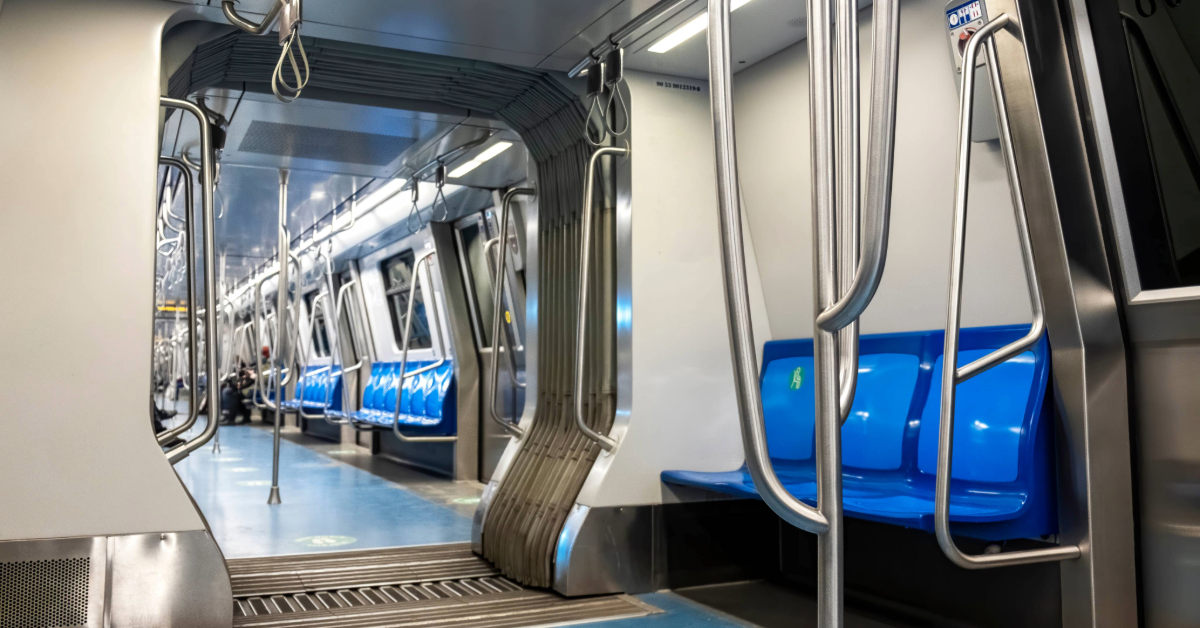
The most significant development within the Metro Extensions Dubai pipeline is the Dubai Metro Blue Line, a major infrastructure project currently under construction. Spanning approximately 30 kilometres and comprising 14 stations, the line is scheduled for full completion and public operation on 9 September 2029.
The route has been strategically planned to pass through some of Dubai’s fastest-growing corridors, including Dubai Creek Harbour, Dubai Silicon Oasis, Academic City, International City, Al Warqaa, and Mirdif. These areas represent a mix of residential, educational, and commercial zones that are expected to benefit directly from enhanced connectivity and reduced commute times.
Explore the Available Properties for Rent in Al Warqa’a
-
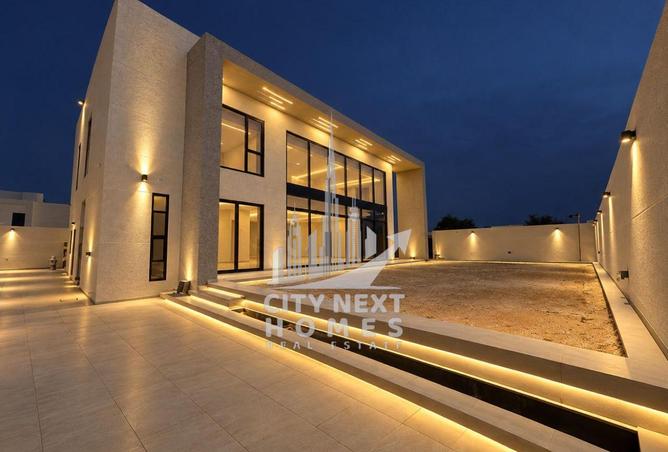

Villa
Listed 5 days ago
420,000 AED/year
Spacious 5BR Villa with Majlis & Maid’s Room |
Al Warqa'a 3, Al Warqa'a, Dubai
5
7
13,544 sqft
-


Villa
Listed 2 weeks ago
650,000 AED/year
FURNISHED VILLA|STUNNING MODERN STYLE|SERVICEBLOCE
Al Warqa'a 4, Al Warqa'a, Dubai
7+
7+
11,508 sqft
-
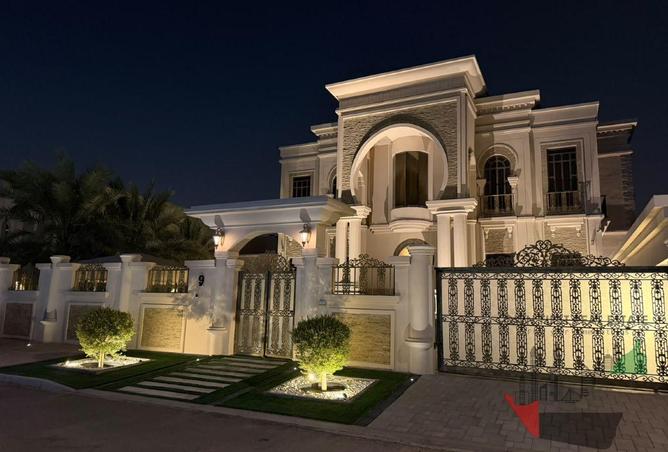

Villa
Listed 1 week ago
479,999 AED/year
BrandNew 5BR Villa with External Majlis
Al Warqa'a 2 Villas, Al Warqa'a 2, Al Warqa'a, Dubai
5
7+
11,985 sqft
-
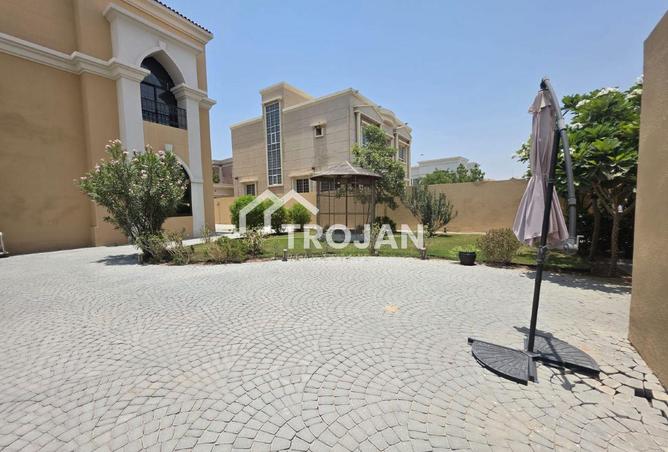

Villa
Listed 2 weeks ago
330,000 AED/year
Spacious 5BR+Maids | Private Garden| Negotiable
Al Warqa'a 2 Villas, Al Warqa'a 2, Al Warqa'a, Dubai
5
7
13,983 sqft
-
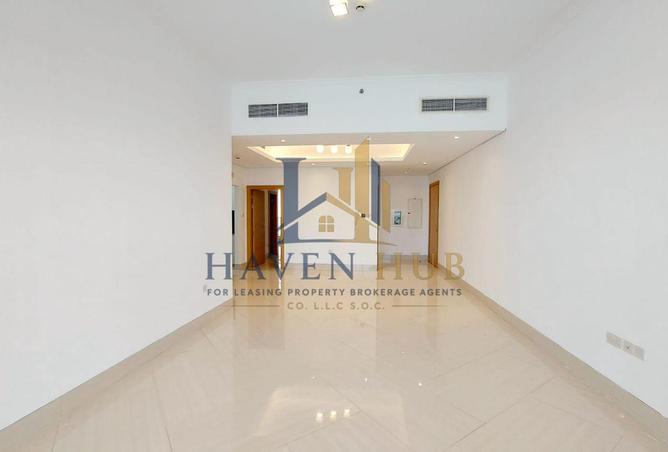

Apartment
Listed 2 weeks ago
90,000 AED/year
2 BR Apartment with Balcony and Covered Parking
Nozol Safana Building, Al Warqa'a 1, Al Warqa'a, Dubai
2
3
1,335 sqft
-
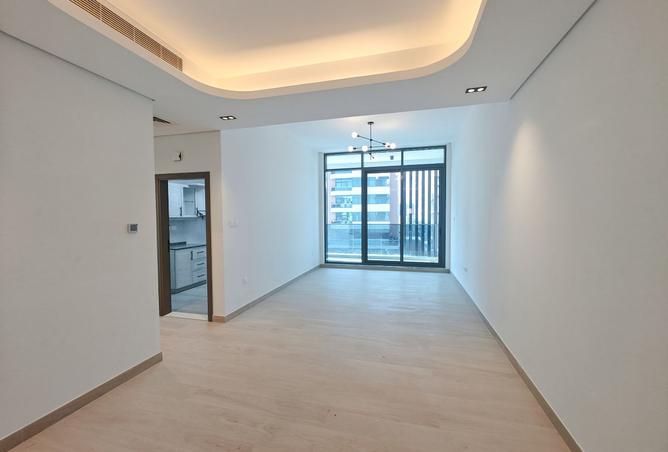

Apartment
Listed 1 month ago
115,000 AED/year
3 BHK Apartment | 1 Month Free | Al Warqaa
Gargash Building, Al Warqa'a 1, Al Warqa'a, Dubai
3
4
1,580 sqft
-


Apartment
Listed 3 weeks ago
50,000 AED/year
Bright & Spacious | Balcony | Closed Kitchen
Waqf Obaid Al Matrooshi Building, Al Warqa'a 1, Al Warqa'a, Dubai
1
1
538 sqft
-
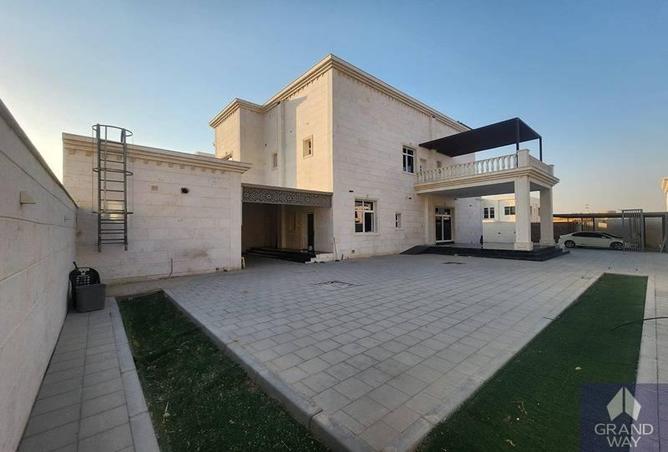
Villa
Listed 6 days ago
420,000 AED/year
Luxury Villa I Dedicated Service Block I Large Plot
Al Warqa'a 3, Al Warqa'a, Dubai
6
7+
12,009 sqft
-
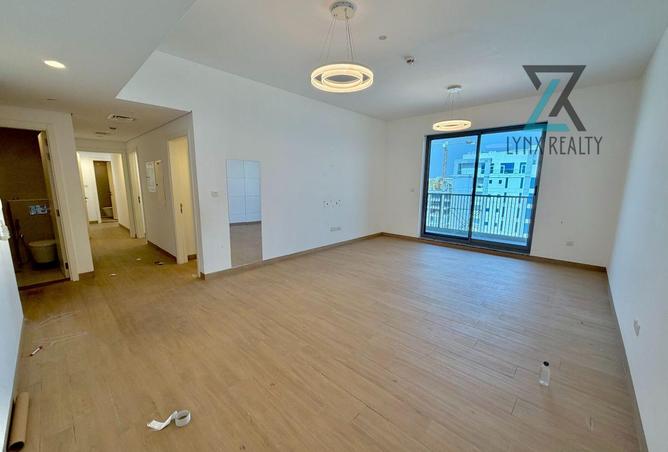

Apartment
Listed 1 month ago
90,000 AED/year
ELEGANT 2 BEDROOM | STORE ROOM | FAMILY ONLY
Al Warqaa Building, Al Warqa'a 1, Al Warqa'a, Dubai
2
3
1,203 sqft
-

Apartment
Listed 4 days ago
90,000 AED/year
SEMI NEW 2 BHK | HUGE & SPACIOUS APARTMENT |
Al Warqaa New Building, Al Warqa'a 1, Al Warqa'a, Dubai
2
3
1,259 sqft
The Blue Line is designed with two primary branches to maximise coverage and accessibility.
The first branch will run from Al Jaddaf or the Government Centre, passing through Festival City and Ras Al Khor Industrial Area before extending towards Silicon Oasis and Academic City. The second branch will connect from Centrepoint or Al Rashidiya, moving through Mirdif and Al Warqaa before reaching International City.
By linking these key districts with existing transport networks, the Blue Line is set to play a crucial role in improving mobility across the city while supporting future urban expansion.
Timeline & Phases
The development of the Dubai Metro Blue Line follows a structured timeline, with clearly defined milestones marking its progress from approval to full operation.
| Milestone | Date | Details |
| Approval & Investment Commitment | November 2023 | AED 18 billion allocated; Blue Line project approved by the government |
| Groundbreaking / Early Works | June 2025 | Utility relocations and enabling works begin |
| Construction Progress | As of November 2025 | Approximately 10% complete; target of 30% by the end of 2026 |
| Operational Launch | 9 September 2029 | Full Blue Line service across all 14 stations is expected |
Key Routes & Station Highlights
The Dubai Metro Blue Line is designed to connect a diverse mix of residential, commercial, and educational districts, many of which are positioned as key growth corridors within the city’s long-term development plan. The route will serve established communities as well as emerging neighbourhoods, improving accessibility and supporting population expansion in these areas.
Among the primary locations served are:
- International City
- Dubai Creek Harbour
- Dubai Silicon Oasis
- Academic City
- Al Warqaa
- Mirdif
Each of these districts offers a distinct value proposition. International City caters to a large residential population, while Dubai Silicon Oasis functions as a technology and business hub. Academic City is home to a concentration of universities and student accommodation, driving consistent commuter demand. Mirdif and Al Warqaa, on the other hand, are well-established residential communities that will benefit from enhanced public transport access.
Dubai Creek Harbour stands out as a landmark stop along the route, with plans for a metro station reaching approximately 74 metres in height, making it one of the tallest metro stations in the world. This not only strengthens connectivity but also adds a significant architectural and branding element to the area.
In addition to serving these locations, the Blue Line will feature key interchange stations that connect with the existing Red Line and Green Line, as well as future Etihad Rail services. These interconnections are expected to play a vital role in improving overall network efficiency, enabling smoother transfers, and reducing travel times across Dubai.
Real Estate Impacts & Investment Opportunities
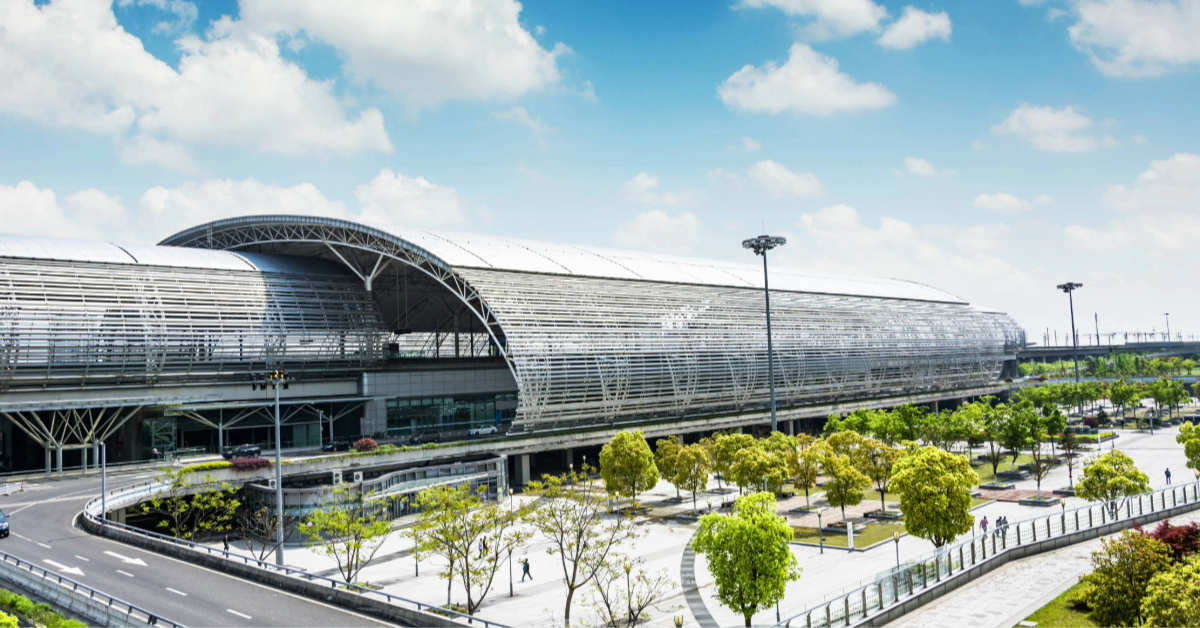
The Dubai Metro Blue Line is expected to significantly influence property values, rental demand, and investment strategies across key growth corridors.
Price Uplift & Rental Yield Forecasts
The introduction of new metro infrastructure has historically driven property appreciation, and the Blue Line is projected to follow a similar trajectory. Properties located within approximately 500 to 900 metres of future stations are expected to see capital value increases of around 20 to 30 per cent by the time the line becomes operational in 2029.
Rental trends are already reflecting this anticipated demand. Academic City has recorded a sharp rise in studio rents since late 2023, while areas such as Dubai Silicon Oasis and International City have experienced rental growth exceeding 20 per cent through 2025. This early momentum indicates strong tenant interest in well-connected locations.
In addition to capital appreciation, rental yields in metro-adjacent areas are expected to outperform the wider Dubai market by several percentage points. Improved accessibility typically leads to higher occupancy rates, making these locations particularly attractive for long-term investors.
Areas with High Upside Potential
Several districts along the Blue Line corridor stand out for their strong investment potential, offering a mix of affordability, demand drivers, and future growth.
| Area | Projected Appreciation by 2029 | Strengths |
| International City | 25-35% | Affordable entry point, large underserved population, and upcoming connectivity |
| Silicon Oasis | 20-28% | Strategic commuting hub, growing infrastructure, tech employment cluster |
| Academic City | 25-35% | Strong tenant demand, student population, and educational institutions |
| Dubai Creek Harbour | 20-30% | Premium masterplan, landmark metro station, branding and prestige |
Off-Plan & Timing Strategy
Timing is a critical factor when investing in metro-linked developments. Entering the market during the pre-construction phase, particularly between 2025 and 2026, is considered optimal. This allows buyers to secure properties before visible infrastructure development drives price premiums.
Investors are advised to target off-plan projects with handover timelines aligned with the Blue Line’s launch, ideally between 2028 and 2029. This ensures the ability to capitalise on both price appreciation and immediate rental demand upon completion.
Walkability also plays a key role in determining value. Properties located within a ten-minute walk of metro stations tend to command higher prices and achieve stronger rental yields, making proximity a crucial consideration in property selection.
Risks & Considerations
- Construction timelines may be affected by delays, cost overruns, or land acquisition challenges, making it important to track deliverables and progress reports to validate schedules.
- Early-phase investments carry higher risk, as project visibility is limited and surrounding amenities may not be fully developed until stations become operational.
- There is a potential risk of oversupply, with multiple off-plan developments concentrated along the same corridor, requiring careful selection of developers and lease structures.
Key Takeaways
- The Dubai Metro Blue Line, spanning 30 kilometres with 14 stations, is set to open on 9 September 2029 and is expected to significantly influence property values along its route.
- Key areas such as International City, Dubai Silicon Oasis, Academic City, and Dubai Creek Harbour present strong investment potential, driven by projected price appreciation and rising rental demand.
- Investing in off-plan properties or entering the market before the line becomes operational, particularly between 2026 and 2028, is likely to maximise returns.
- Proximity to stations remains a critical factor, with properties located within 500 to 900 metres typically achieving stronger premiums and higher demand.
- Additionally, factors such as municipal approvals, station design, and interchange connectivity should be closely monitored, as they play an important role in shaping both usage patterns and overall property valuation.
Frequently Asked Questions (FAQs)
The full Blue Line is scheduled to become operational on September 9, 2029.
Areas closest to planned stations, including International City, Academic City, Silicon Oasis, and Dubai Creek Harbour, are already showing early signs of rental growth and are expected to experience further appreciation.
Off-plan properties aligned with the metro’s completion timeline typically offer higher potential returns, while ready properties provide immediate rental income with lower risk.
Properties within approximately 500 to 900 metres of a station could see value increases of around 20 to 30 per cent by 2029, along with improved rental yields.
Key factors include interchange stations, connectivity with existing metro lines and Etihad Rail, station design, pedestrian access, and surrounding master-planned developments.