



LTV is one of the most important concepts when buying property in the UAE, especially if you are financing your purchase through a mortgage. It directly impacts how much you can borrow, how much cash you need upfront, and the type of loan you qualify for in 2026. A clear understanding of the LTV meaning helps you plan smarter, negotiate better, and avoid financial surprises during your home-buying journey.
In this guide, find out about:
- What is LTV?
- How to calculate LTV?
- UAE central bank rules: Maximum LTV limits
- Other key rules and conditions
- Why LTV matters: Practical impacts
- How to plan and budget around LTV
- Key takeaways
- FAQs
What is LTV?
LTV stands for the percentage of a property’s value that a bank is willing to finance. The remaining portion must be paid by the buyer as a down payment. In simple terms, it defines how much of the property price is covered by the loan versus your own funds.
Check out how you can Buy Property in Dubai With Zero Down Payment.
LTV is expressed as a percentage and calculated using the formula:
● (Loan Amount ÷ Property Value) × 100
Banks in the UAE always consider the lower value between the agreed purchase price and their internal valuation when calculating LTV. This ensures lenders manage risk effectively.
A higher LTV means you contribute less upfront cash but may face higher interest rates and stricter approval checks. A lower LTV typically results in better loan terms, lower risk, and potentially more competitive interest rates. Understanding LTV meaning becomes especially important when comparing different financing options, including home loans in the UAE for expats.
How to calculate LTV?
Calculating LTV is straightforward once you understand the steps involved. However, accuracy is critical because even small changes in valuation can affect your required down payment.
To calculate LTV:
- Identify the agreed purchase price of the property
- Obtain the bank’s valuation of the property
- Choose the lower value between the two
- Divide the loan amount by this value and multiply by 100
For example, if a property is valued at AED 2,000,000 and the bank agrees to lend AED 1,500,000, the LTV would be:
(1,500,000 ÷ 2,000,000) × 100 = 75 per cent
This percentage determines your minimum down payment and overall affordability. Buyers often estimate this early using borrowing calculators or by understanding how much they can borrow for a Dubai mortgage before committing to a property.
UAE central bank rules: Maximum LTV limits
LTV in the UAE is tightly regulated by the UAE Central Bank to ensure financial stability and responsible lending.
Below is a simplified breakdown of the current (2026) LTV limits:
| Buyer profile | Property value and type | Max LTV | Minimum down payment |
| UAE nationals (first home) | ≤ AED 5 million (ready) | 80 per cent | 20 per cent |
| UAE nationals (first home) | > AED 5 million | 70 per cent | 30 per cent |
| Expats (first home) | ≤ AED 5 million | 80 per cent | 20 per cent |
| Expats (first home) | > AED 5 million | 70 per cent | 30 per cent |
| Second or investment property | Any value (ready) | 60 to 65 per cent | 35 to 40 per cent or more |
| Off-plan property | All buyers | Around 50 per cent | 50 per cent or more |
| Non-resident expats | Ready property | Around 50 to 60 per cent | 40 to 50 per cent |
These limits apply across the UAE, including established residential zones across Dubai communities, where property values and buyer profiles often influence actual lending decisions.
Other key rules and conditions
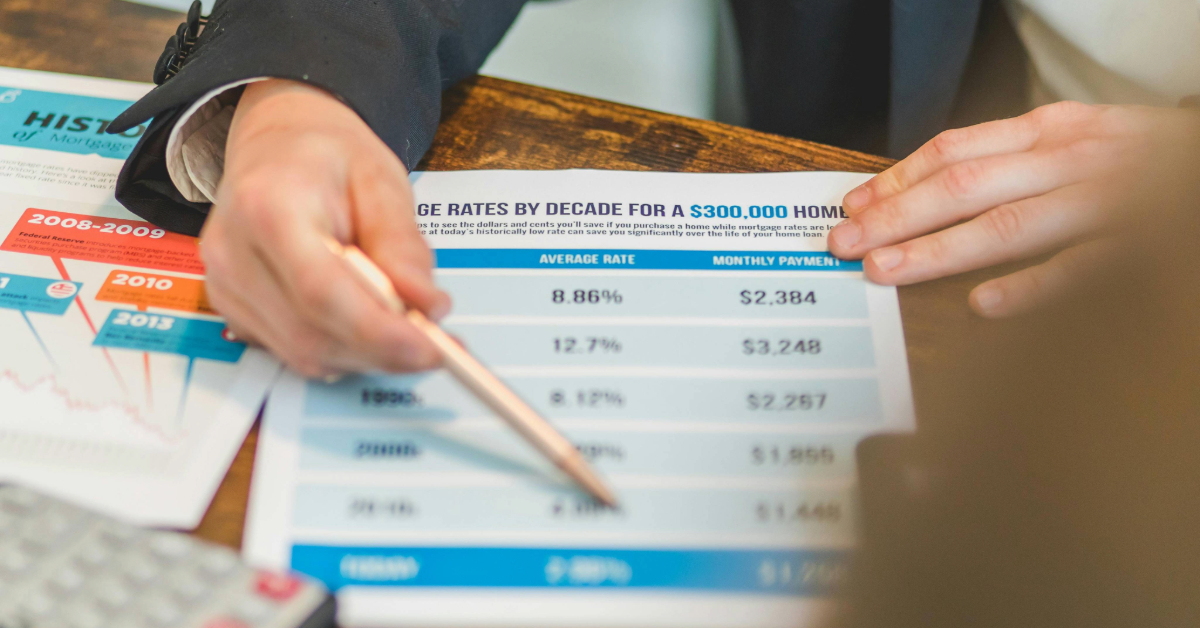
While LTV plays a major role, banks also evaluate several additional factors before approving a mortgage.
Debt burden ratio (DBR)
One key metric is the Debt Burden Ratio, which ensures that total monthly debt obligations, including the new mortgage, do not exceed 50 per cent of your gross monthly income.
Loan tenure limits
Loan tenure is another important condition. Mortgages in the UAE can go up to 25 years, but the loan must typically be repaid before the borrower reaches 65 years of age for salaried individuals or 70 years for self-employed applicants.
Nationality differences
Nationality can also influence LTV numbers. UAE nationals may receive slightly higher LTV allowances for first homes under certain conditions, while expats follow standard thresholds.
Bank-specific criteria
Banks may also apply stricter internal criteria even if the regulatory LTV allows higher borrowing. Factors such as income stability, credit history, property type, and location all play a role. This is particularly evident when comparing different types of mortgage structures in Dubai, where eligibility and terms can vary significantly.
Why LTV matters: Practical impacts
LTV has a direct and practical impact on your home-buying journey in the UAE.
- First, it determines how much upfront cash you need. This includes not just the down payment but also additional costs such as registration fees, valuation fees, and mortgage processing charges.
- Second, LTV influences your interest rate. Lower LTV ratios generally result in better loan terms, while higher LTV ratios may come with higher interest rates due to increased risk for lenders.
- Third, it affects your loan approval chances. Banks assess LTV alongside your Debt Burden Ratio, and both must fall within acceptable limits for approval.
When browsing options such as apartments for sale in Dubai, understanding LTV helps you quickly assess whether a property fits within your financing capacity.
Explore the Available Apartments for Sale in Dubai
-


Apartment
Listed 3 weeks ago
1,950,000 AED
Boulevard View | Vacant | Pristine Condition
29 Burj Boulevard Tower 2, 29 Burj Boulevard, Downtown Dubai, Dubai
1
2
799 sqft
-
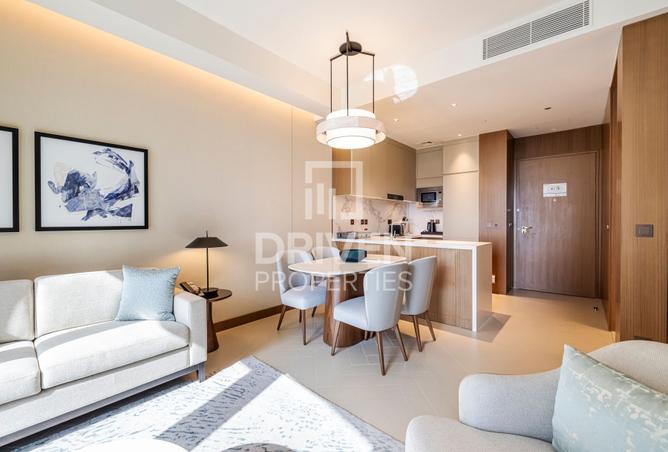
Apartment
Listed 5 days ago
2,750,000 AED
Best Price | Motivated Seller | Well Maintained
The Address Residences Dubai Opera Tower 2, The Address Residences Dubai Opera, Downtown Dubai, Dubai
1
2
803 sqft
-

Apartment
Listed 3 weeks ago
1,375,000 AED
Brand New | High Floor | Elegant Interiors
Regalia By Deyaar, Business Bay, Dubai
1
2
716 sqft
-
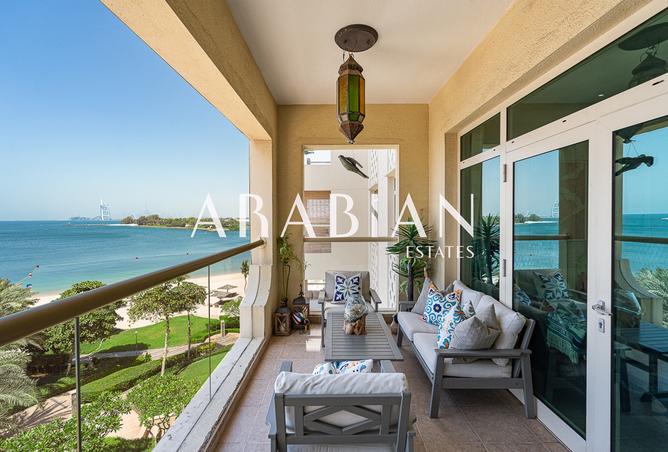
Apartment
Listed 5 days ago
3,499,900 AED
Priced To Sell | Fully Renovated | A Must View
Al Hatimi, Shoreline Apartments, Palm Jumeirah, Dubai
1
2
1,145 sqft
-
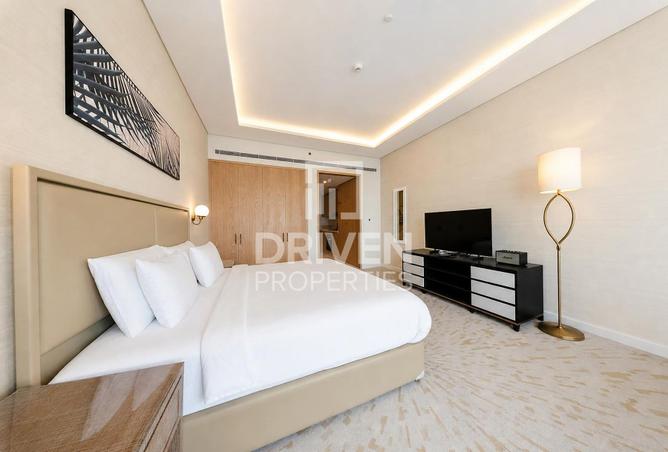
Apartment
Listed 3 weeks ago
2,250,000 AED
Community View | Elegant Studio | Great Location
The Palm Tower, Palm Jumeirah, Dubai
studio
1
524 sqft
-

Apartment
Listed 14 hours ago
5,350,000 AED
Iconic Residence | High Floor | High Yield
One Za'abeel Tower, Zabeel 1, Zabeel, Dubai
1
2
855 sqft
-

Apartment
Listed 3 days ago
38,000,000 AED
High Floor | Luxurious with Full Skyline Views
Bulgari Resort & Residences 2, Bulgari Resort & Residences, Jumeirah Bay Island, Jumeirah, Dubai
3
4
2,631 sqft
-

Apartment
Listed 5 days ago
11,300,000 AED
Island Living|Stunning Sea View |Upgraded Interior
Bluewaters Residences Building 2, Bluewaters Residences, Bluewaters, Dubai
2
3
1,488 sqft
-

Apartment
Listed 5 days ago
16,800,000 AED
Ain Dubai and Sea View|Luxury Upgraded|Corner Unit
Bluewaters Residences Building 2, Bluewaters Residences, Bluewaters, Dubai
3
4
2,115 sqft
-
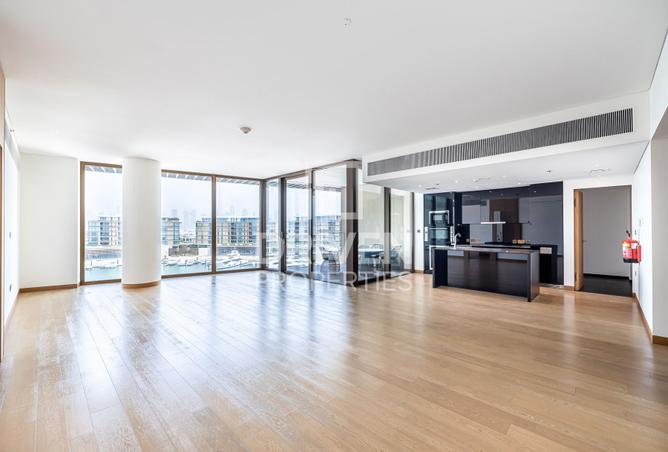
Apartment
Listed 3 weeks ago
38,000,000 AED
Luxurious | High Floor with Full Marina View
Bulgari Resort & Residences 6, Bulgari Resort & Residences, Jumeirah Bay Island, Jumeirah, Dubai
3
4
2,611 sqft








How to plan and budget around LTV
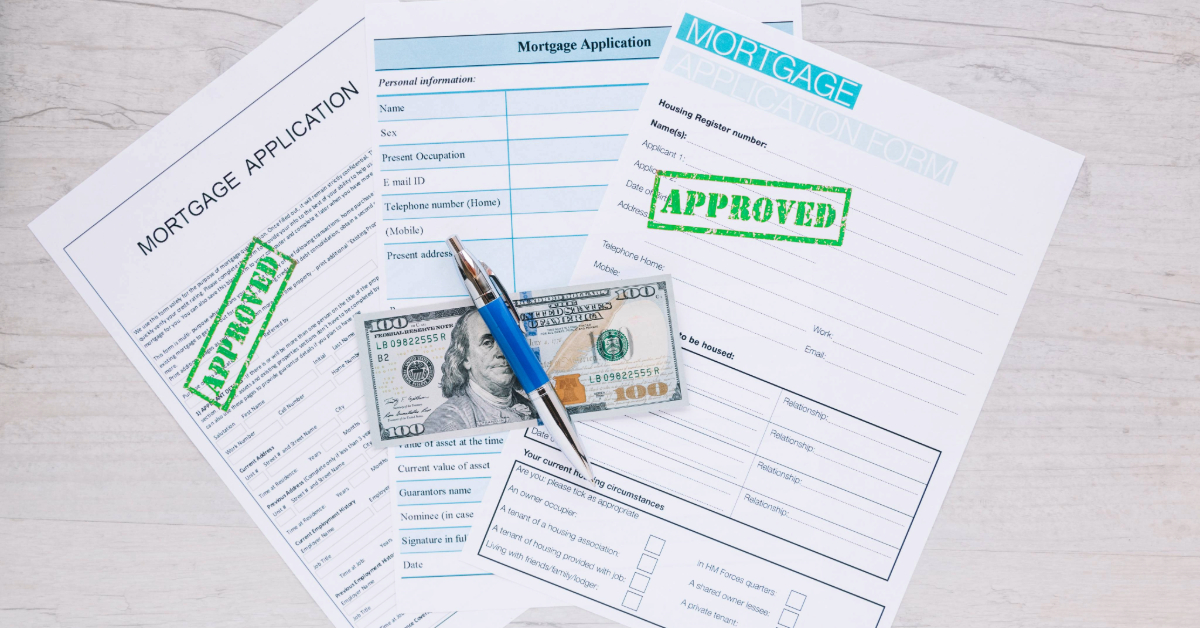
Planning around LTV requires a combination of financial preparation and market awareness.
- Get pre-approval early: Start by securing a mortgage pre-approval. This gives you a clear understanding of your borrowing capacity and expected LTV before you begin property hunting.
- Factor in additional costs: Account for costs beyond the down payment. Buyers often underestimate additional expenses such as property registration, mortgage registration, valuation fees, insurance, and agent fees.
- Keep extra savings: It is also wise to maintain extra savings beyond the minimum down payment. If the bank’s valuation comes in lower than the agreed purchase price, you will need to cover the difference in cash, effectively increasing your upfront contribution.
- Reduce existing debts: Reducing existing debts can improve your Debt Burden Ratio, increasing your chances of securing a favourable LTV and better loan terms.
- Work with qualified agents: Working with qualified professionals can also make a difference. Property Finder’s SuperAgent badge highlights top-performing real estate agents who meet strict quality standards, helping buyers navigate financing, negotiations, and property selection more effectively.
Key takeaways
LTV in the UAE is a regulated framework that determines how much of a property’s value can be financed through a mortgage. Limits vary based on nationality, property value, and whether the purchase is for a first home, investment, or off-plan unit. While expats can typically access up to 80 per cent LTV for properties under AED 5 million, stricter limits apply for higher-value or secondary properties. Banks also assess Debt Burden Ratio, loan tenure, and financial stability alongside LTV. Beyond the down payment, buyers must plan for additional costs and potential valuation gaps, making financial preparation essential.
FAQs
The down payment is the remaining percentage after the LTV determination. For example, an 80 per cent LTV requires at least a 20 per cent down payment, plus additional funds for fees.
Yes, LTV rules are set by the UAE Central Bank and apply across all Emirates, although banks may impose stricter conditions based on property or borrower risk.
In some cases, UAE nationals may qualify for slightly higher LTV limits for first homes, but these still fall within Central Bank regulations.
Off-plan purchases usually have lower LTV limits, often around 50 per cent, requiring a significantly higher upfront payment.
If the bank’s valuation is lower than your purchase price, you must cover the difference in cash, increasing your effective down payment beyond the standard LTV requirement.