



Choosing to buy property in UAE is a big milestone, especially for expats looking to settle down or invest for the long term. While paying the full amount upfront isn’t always realistic, home loans make that goal much more achievable.
With a range of mortgage options available from banks across the UAE, expats can finance their purchases in a structured, manageable way. The key is understanding how the system works so you can choose what best suits your situation.
- Understanding Home Loans in the UAE
- Eligibility Criteria for Expats
- Loan-to-Value (LTV) & Down Payment
- Interest Rates: Fixed vs Variable
- Loan Tenor & Borrowing Limits
- How Much Can You Actually Afford?
- Documents Required
- Step-by-Step Application Process
- Costs & Additional Fees
- Common Mistakes to Avoid When Taking a Home Loan
- Regulatory Caps & What They Mean for You
- First-Time Buyer Incentives & Special Programmes
- Tips to Improve Approval Chances
- Key Takeaways
- FAQs

Understanding Home Loans in the UAE
A home loan, or mortgage, allows you to buy a property without paying the full price up front. Instead, a bank finances part of the purchase, and you repay it over time through monthly installments with interest.
For many expats, this is the most practical route to owning property in the UAE. As long as you meet the basic requirements, banks are generally open to lending, making homeownership far more accessible than it might seem at first.
-
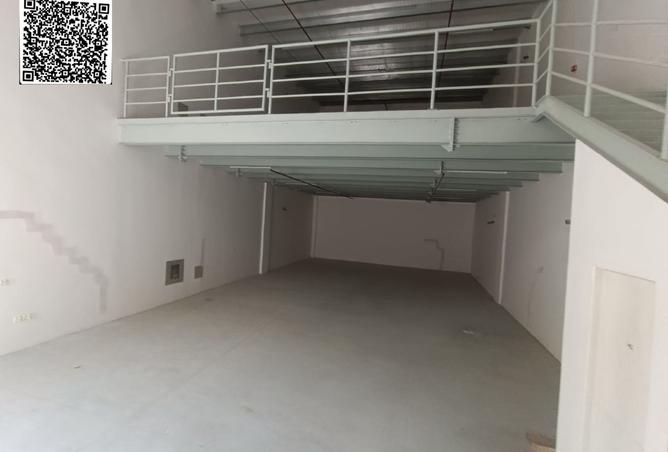

Warehouse
Listed 12 hours ago
110,000 AED/year
Warehouse for rent in Al Jurf; good price,
Al Jurf 3, Al Jurf, Ajman Downtown, Ajman
1
3,000 sqft
-


Apartment
Listed 15 hours ago
25,000 AED/year
Studio apartment for annual rent in Al Yasmin
Al Yasmeen 1, Al Yasmeen, Ajman
studio
1
450 sqft
-
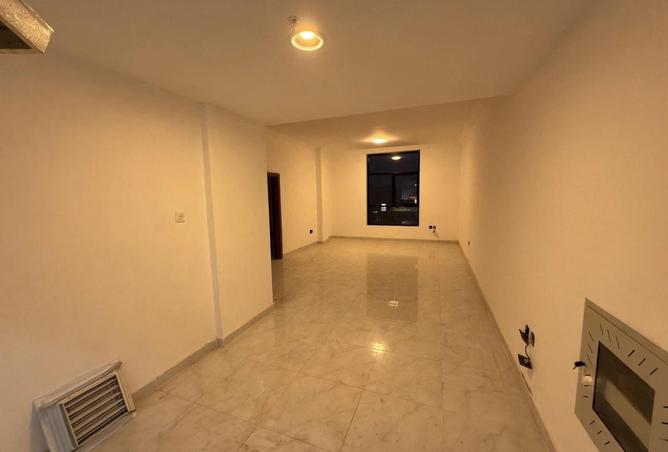
Apartment
Listed 15 hours ago
37,000 AED/year
1 BR Apartment in Al Yasmeen with Landmark View
Al Amira Village, Al Yasmeen, Ajman
1
2
1,100 sqft
-
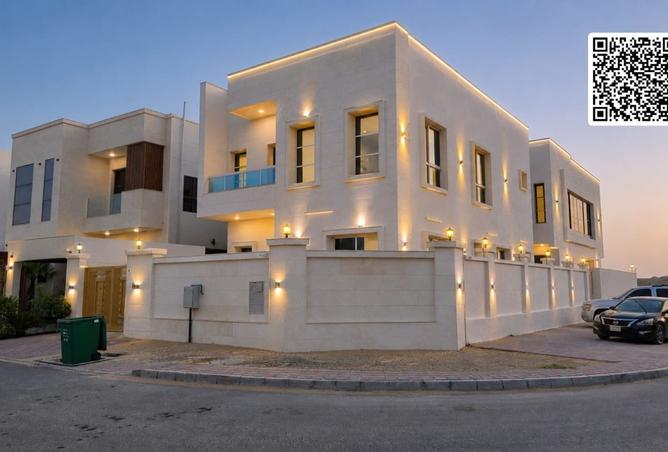

Villa
Listed 17 hours ago
1,600,000 AED
Villa for sale, electricity and water included
Al Yasmeen 1, Al Yasmeen, Ajman
4
6
3,014 sqft
-
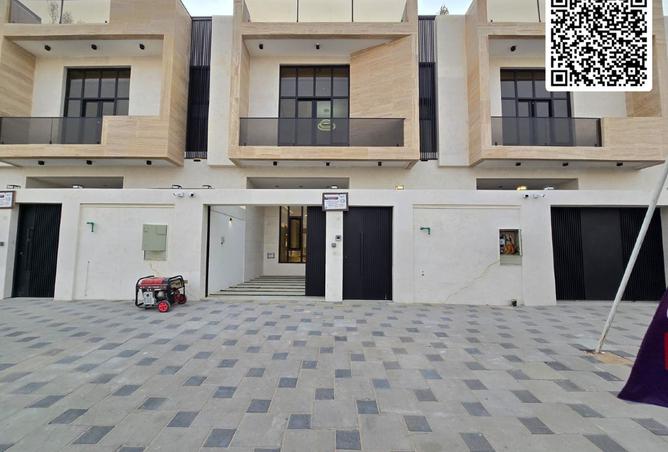
Villa
Listed 17 hours ago
1,470,000 AED
Villa for sale, including registration fees.
Al Yasmeen 1, Al Yasmeen, Ajman
5
7
1,722 sqft
-
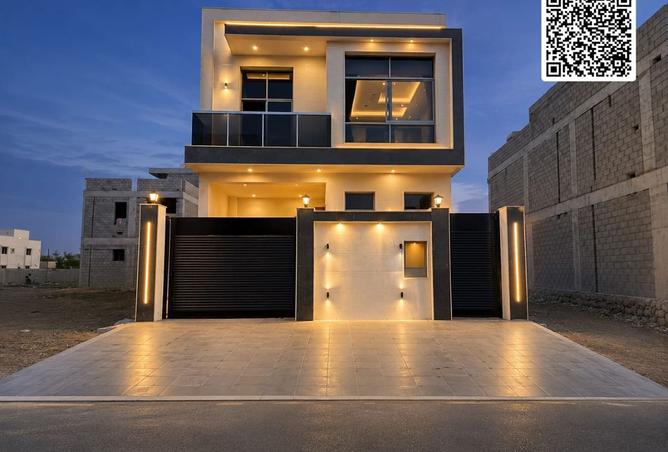
Townhouse
Listed 17 hours ago
85,000 AED/year
Villa for annual rent in Al Zahia
Al Zaheya Gardens, Al Zahya, Ajman
5
7
1,722 sqft
-
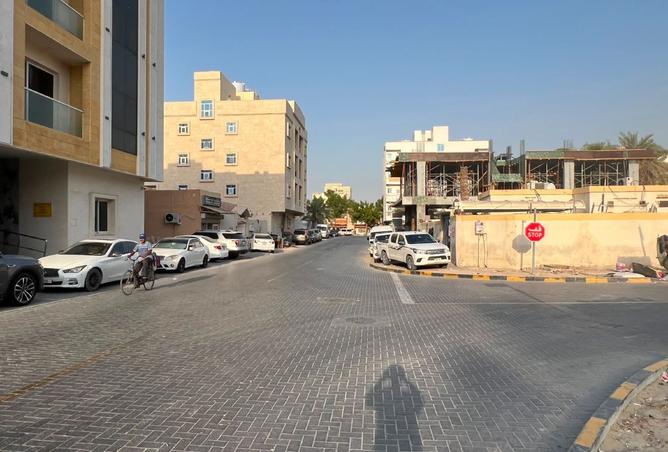

Land
Listed 16 hours ago
1,200,000 AED
4200 Sqft Commercial Corner Land in Al Nuaimiya
Al Naemiya Tower 2, Al Naemiya Towers, Al Nuaimiya, Ajman
4,200 sqft
-
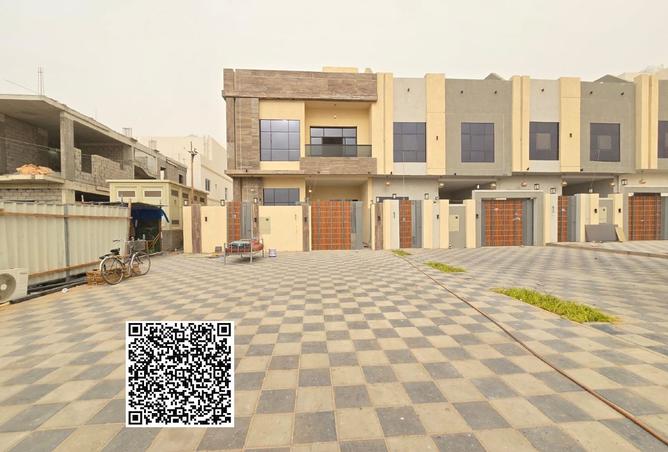

Villa
Listed 2 days ago
1,340,000 AED
4BR Villa in Al Helio with 3000 Sqft Built-up Area
Kabbali Hills, Al Helio 2, Al Helio, Ajman
4
6
2,100 sqft
-
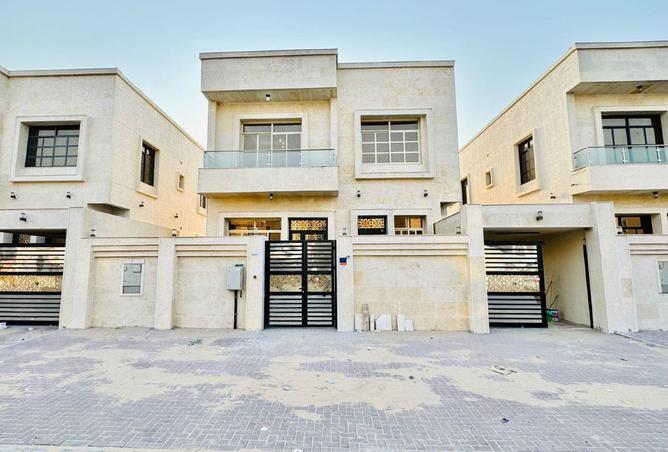

Villa
Listed 2 days ago
90,000 AED/year
5BR Master Villa for Rent Al Yasmeen Great Price
Al Yasmeen 1, Al Yasmeen, Ajman
5
7
3,014 sqft
-
Land
Listed 1 day ago
2,100,000 AED
6,400 Sqft Commercial Land for Sale in Al Nuaimiya
Al Naemiya Tower 3, Al Naemiya Towers, Al Nuaimiya, Ajman
6,400 sqft
Eligibility Criteria for Expats
Before applying, it helps to understand what banks are actually looking for. While the exact requirements can vary, most lenders follow a similar approach when assessing applications.
Typically, expats need:
- UAE residency: Residents usually benefit from better terms
- Stable income: Around AED 15,000 per month is common, though some flexibility exists
- Age requirement: Usually 21 and above, with upper limits depending on the bank
- Employment status: Both salaried and self-employed applicants are eligible
- Manageable debt levels: Monthly obligations should not exceed roughly half your income
Meeting these criteria doesn’t just improve your chances of approval; it can also help you secure more favourable rates.
Loan-to-Value (LTV) & Down Payment
One of the first things to plan for is your upfront contribution. Banks in the UAE do not finance the full property value, so buyers need to cover part of the cost themselves.
For expats, this usually means:
- Around 20% down payment for properties up to AED 5 million
- Around 30% for higher-value properties
- Higher deposits for second or investment properties
- Lower financing (around 50%) for off-plan properties
When you include additional fees, most buyers should realistically budget around 25–30% of the property value upfront.
Interest Rates: Fixed vs Variable
Choosing between fixed and variable interest rates is one of the most important parts of the decision.
This choice directly affects how stable your monthly payments will be and how much flexibility you’re willing to handle over time. Fixed rates offer predictability, while variable rates move with the market.
Fixed Rate Mortgage
- Interest rate stays the same for a set period
- Monthly payments remain predictable
- Suitable for those who prefer stability
Variable Rate Mortgage
- Linked to EIBOR
- Rates can go up or down over time
- Better suited for those comfortable with some uncertainty
Many expats start with a fixed rate for peace of mind, then move to a variable structure later. In 2026, fixed rates typically range between 4.9% and 5.8%, depending on the bank and loan terms.
Loan Tenor & Borrowing Limits
Home loans in the UAE are relatively flexible, giving buyers room to choose repayment plans that work for them.
The loan term you select will affect both your monthly payments and the total cost over time. A longer tenure reduces monthly pressure but increases overall interest.
- Loan terms can go up to 25 years
- Banks may lend up to 7 times your annual income
- Non-residents often face stricter limits
It’s less about borrowing the maximum and more about choosing what you can comfortably sustain.
How Much Can You Actually Afford?
Before focusing on how much a bank is willing to lend, it’s important to look at what you can realistically afford. Just because you qualify for a certain loan amount doesn’t always mean it’s the right choice for your financial situation.
Banks typically allow up to 50% of your monthly income to go towards debt repayments, including your mortgage. While this gives you a rough idea of your borrowing capacity, it’s worth being more conservative when planning your budget.
You should also factor in additional costs such as service charges, maintenance, insurance, and everyday living expenses. These can have a noticeable impact on your monthly finances, especially in the first few years.
A good approach is to choose a property, such as one of the many villas for sale in Dubai, that allows you to stay financially comfortable, rather than stretching to the maximum limit. This gives you more flexibility in case of unexpected expenses or changes in income.
Documents Required
Getting your paperwork ready early can make a big difference. Most delays happen because something is missing or incomplete. Banks typically ask for similar documents to assess your financial profile.
Having everything prepared in advance not only speeds up the process but also shows lenders that you’re organised and financially stable. Even small gaps or inconsistencies in documents can slow things down, so it’s worth double-checking everything before submission.
For Salaried Applicants
- Passport, visa, and Emirates ID
- Salary certificate or employment letter
- Bank statements (3–6 months)
For Self-Employed Applicants
- Trade licence
- Company financial statements
- Memorandum of Association (MOA)
- Bank statements
You may also need to provide details related to the property itself, such as the sale agreement.
Step-by-Step Application Process
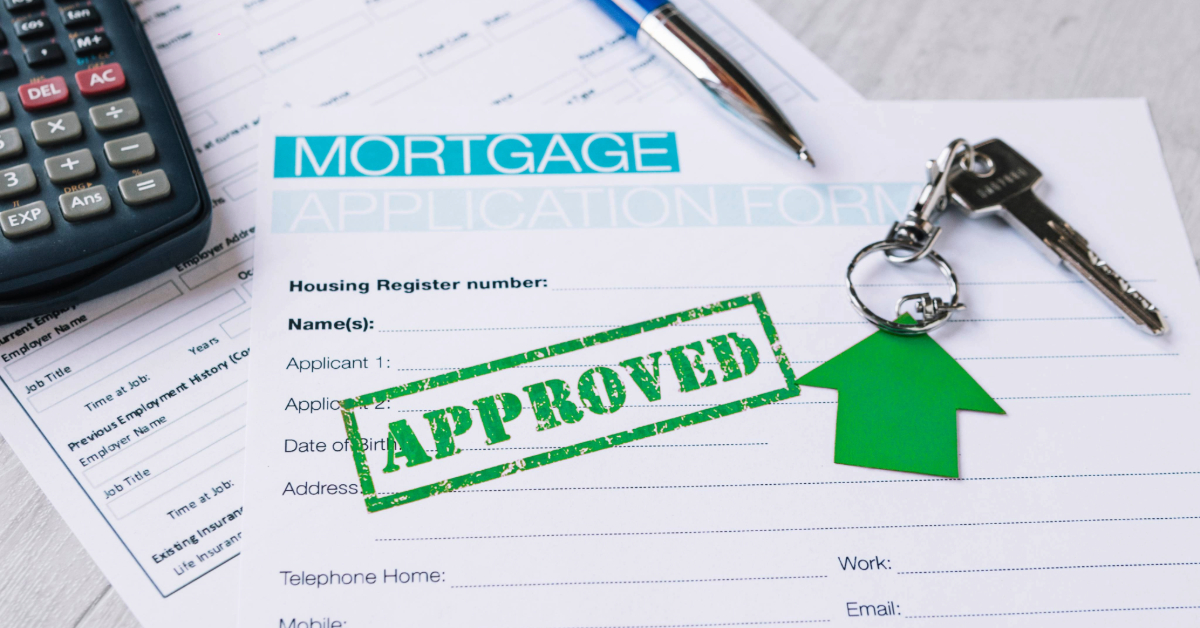
The process of applying for a home loan is more straightforward than it might seem. Once you understand the steps, it becomes much easier to navigate.
In many cases, buyers start with a pre-approval to understand their budget before choosing a property. From there, the process moves step by step, with each stage bringing you closer to final approval and ownership.
- Choose a property that fits your budget
- Check how much you can borrow
- Compare mortgage options across banks
- Submit your application with documents
- Receive approval and loan offer
- Sign agreements and pay your down payment
- Complete the property transfer and begin repayments
If everything is in order, the process usually moves quickly.
Costs & Additional Fees
Beyond the down payment, there are several additional costs to factor in. These are often overlooked at the start, but can add up significantly.
Planning for these expenses early helps you avoid surprises later on and gives you a clearer picture of the total investment required. It’s not just about the purchase price, but the full cost of completing the transaction.
- Dubai Land Department fee: Around 4% of the property value
- Mortgage registration fee: About 0.25%
- Bank processing fee: Around 0.5%–1%
- Valuation fee: AED 2,000–3,500
- Early settlement fee: Around 1% (capped)
Altogether, these costs can bring your total upfront requirement to around 25–30% of the property value.
Common Mistakes to Avoid When Taking a Home Loan
Taking a home loan is a long-term commitment, and small mistakes early on can have lasting effects. Being aware of common pitfalls can help you make more confident decisions.
Some of the most common mistakes include:
- Borrowing the maximum amount without considering lifestyle costs
- Overlooking additional fees and upfront expenses
- Not comparing mortgage options across different banks
- Choosing the wrong interest rate structure without understanding the risks
- Ignoring the impact of long loan tenures on total interest paid
Avoiding these mistakes can make a significant difference, not just in getting approved but in how manageable your mortgage feels over time.
Regulatory Caps & What They Mean for You
Home loans in the UAE are regulated to ensure borrowing stays within reasonable limits. While you don’t need to get into the technical details, these rules shape how much you can borrow and how your repayments are structured.
The Central Bank of the UAE sets key limits, while banks assess your credit profile through the Al Etihad Credit Bureau.
In simple terms, the stronger your financial profile, the better your chances of approval and the more competitive your loan terms will be.
First-Time Buyer Incentives & Special Programmes

If you’re buying your first home, there are initiatives designed to make things easier.
Dubai’s First-Time Home Buyers Scheme is one example, offering support to residents who don’t already own property in the emirate.
For eligible properties, buyers may benefit from reduced fees, cashback, or more flexible loan options, depending on the lender. These programmes can make a noticeable difference, especially when managing upfront costs.
Tips to Improve Approval Chances
Getting approved for a mortgage isn’t just about meeting the minimum requirements. Banks look at your overall financial picture, so small improvements can go a long way.
Simple steps like organising your finances, reducing outstanding debts, and maintaining consistent income records can strengthen your application and help you secure better terms.
- Keep your credit score strong
- Reduce existing debts
- Maintain consistent income records
- Save for a higher down payment
- Compare lenders before committing
Even small adjustments can help you secure better terms and lower interest rates.
Key Takeaways
Home loans have made it much easier for expats to own property in the UAE. While the process requires planning and upfront costs, it offers a clear path towards long-term stability and investment, whether you plan to buy a city apartment or a villa for sale in Fujairah.
Understanding the basics, from eligibility to costs, helps you make more confident decisions. With the right preparation, the journey from renting to owning can be smoother than expected.
FAQs
Usually around AED 15,000, though some banks may accept less.
Typically 20%–30%, depending on the property.
Yes, but with stricter conditions.
Around 4.9%–5.8% for fixed rates in 2026.
Fees can bring your upfront cost to around 25–30% of the property value.