


Getting around Abu Dhabi is straightforward thanks to its well-connected public bus network. Whether you’re commuting within the city, heading to the airport, or travelling to another emirate, abu dhabi bus station options offer a reliable and affordable choice.
From the main terminal in Al Wahda to smaller stations across the emirate, the system is designed to cover both daily commutes and longer intercity journeys. This guide breaks down everything you need to know, from key stations and routes to fares and practical tips.
- Major Bus Stations in Abu Dhabi
- Other Bus Stations Across the Emirate
- Types of Bus Routes in Abu Dhabi
- Bus Fares in Abu Dhabi
- How to Pay for Bus Travel
- Advantages of Using Buses in Abu Dhabi
- Tips for Using Abu Dhabi Buses
- Key Takeaways
- FAQs
Major Bus Stations in Abu Dhabi
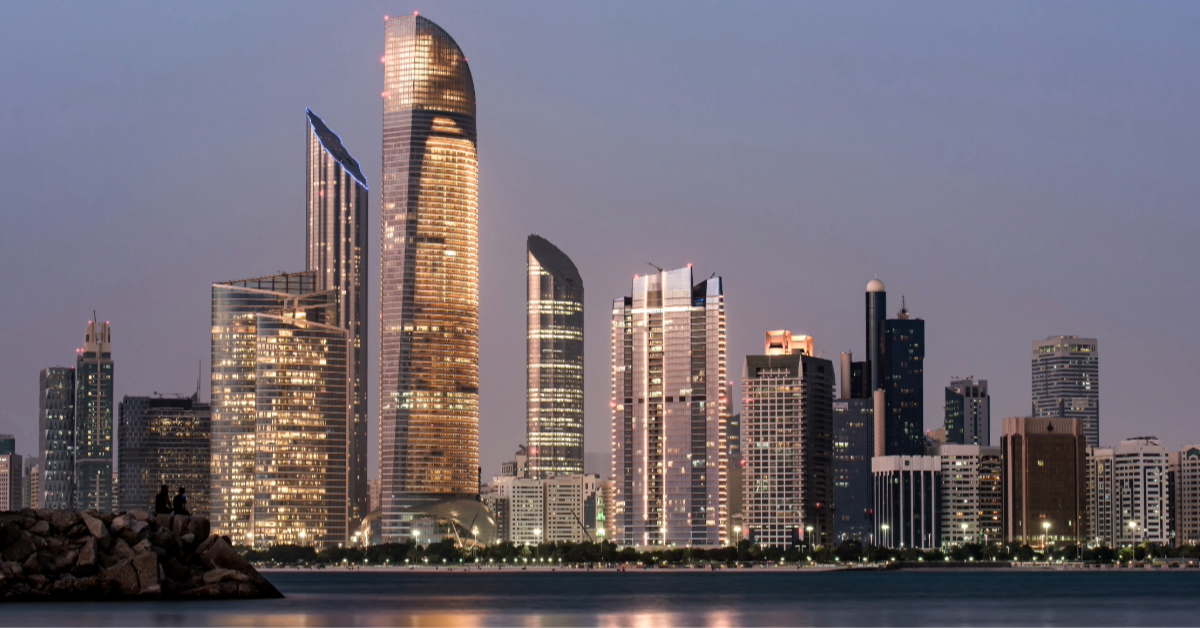
Abu Dhabi’s bus services and network are centred around a main terminal, supported by a few key stations across the emirate. The Central Bus Station in Al Wahda remains the primary hub, while other important terminals such as Mussafah Shabiya and Al Shahama serve different residential and industrial areas.
Explore the Available Apartments for Rent in Al Wahda
Together, these stations provide access to both local routes and intercity travel, making it easier to move around without relying on private transport.
| Station | Area | What It Serves |
|---|---|---|
| Central Bus Station (Al Wahda) | City Centre | Main hub for local & intercity routes |
| Mussafah Shabiya Bus Station | Mussafah | Industrial & worker commuting routes |
| Al Shahama Bus Station | Northern Abu Dhabi | Suburban & residential connections |
| Al Ain Bus Station | Al Ain | Intercity travel hub |
Central Bus Station (Al Wahda)
The main hub for bus travel in Abu Dhabi is the Central Bus Station in Al Wahda. Located near Al Wahda Mall, it serves as the starting point for most city and inter-emirate routes.
The station operates 24/7 and is busiest during weekday mornings and evenings. It’s well-equipped with amenities that make travel more comfortable, especially if you’re on longer routes.
As the emirate’s primary transport hub, the Central Bus Station plays a key role in connecting residents and visitors to both local districts and other emirates.
- Location: Rashid Bin Saeed Al Maktoum Street, Al Wahda
- Facilities: Free Wi-Fi, prayer rooms, ATMs, ticket counters, rest areas
- Access: Easily reachable by taxi and city buses
Mussafah Shabiya Bus Station
Mussafah Shabiya Bus Station is a key transport point serving one of Abu Dhabi’s busiest industrial and residential zones. It is widely used by daily commuters travelling between Mussafah and central Abu Dhabi.
- Location: Mussafah Shabiya area, Abu Dhabi
- Facilities: Basic waiting areas, shaded bus stops, nearby shops and services
- Access: Well-connected by local bus routes and easily reachable by taxi
Al Shahama Bus Station
Al Shahama Bus Station serves the northern parts of Abu Dhabi, including suburban and residential communities. It helps reduce travel time for residents who would otherwise need to reach the main terminal.
- Location: Al Shahama area, Abu Dhabi
- Facilities: Covered waiting areas and essential commuter amenities
- Access: Connected through city bus routes and accessible by taxi
Other Bus Stations Across the Emirate
In addition to the main terminal, several smaller stations serve as hubs for routes across Abu Dhabi and nearby regions, particularly for travellers from outer districts.
These terminals also help reduce congestion at the main station and improve connectivity across the emirate, offering more direct access to nearby routes without first travelling to Al Wahda.
- Al Ain Bus Station: Key hub for intercity travel to and from Al Ain
- Airport Bus Station: Connects Zayed International Airport to the city
Types of Bus Routes in Abu Dhabi
The bus system includes different route types, each designed for specific travel needs. Understanding these makes it easier to plan your journey.
| Route Type | Code | Purpose |
|---|---|---|
| Airport Routes | A | Airport connections |
| Express Routes | X | Long-distance & faster routes |
| City Routes | Regular | Daily commuting within Abu Dhabi |
City & Regional Routes
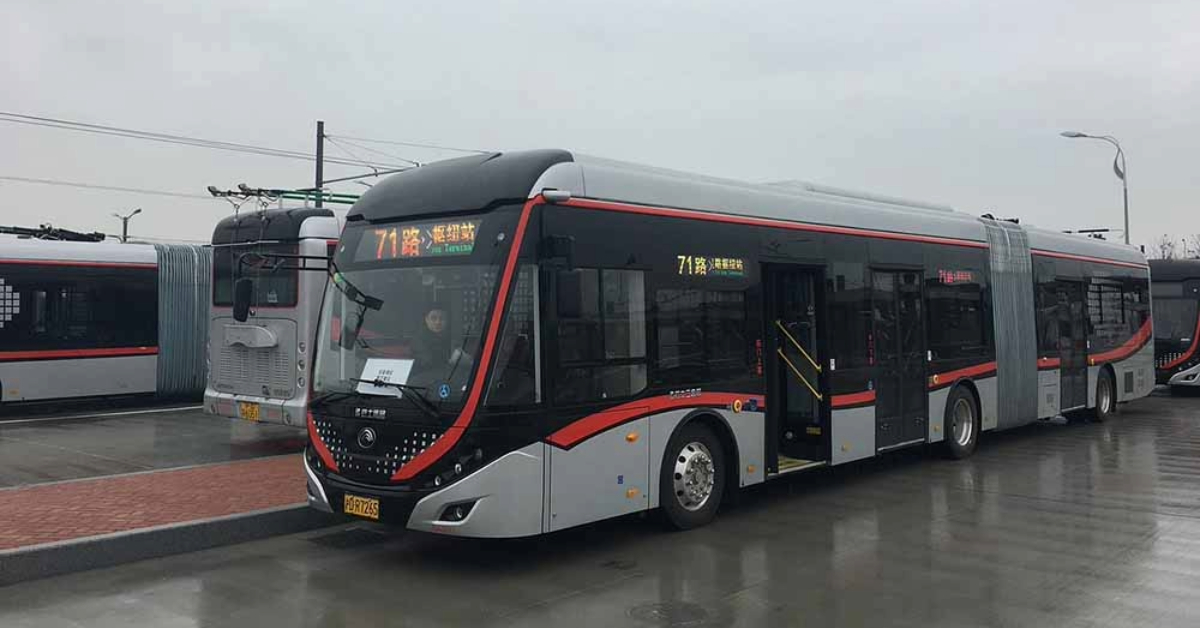
City buses connect key districts within Abu Dhabi, including residential areas, business hubs, and shopping destinations. These routes are frequent and reliable, making them ideal for daily commutes.
One of the key advantages of Abu Dhabi’s bus system is its wide coverage across residential and commercial areas. Whether you’re commuting to work, heading to university, or visiting major attractions, most areas are connected through at least one bus route. This makes buses a reliable option for those who prefer not to drive, especially during peak traffic hours.
Route prefixes can help you identify service types:
- A routes: Airport connections
- X routes: Express or long-distance routes
- Regular routes: Standard city services
Popular routes include connections to Mussafah, Saadiyat Island, and MBZ City.
Intercity & Express Routes
For travel between emirates, Abu Dhabi offers several intercity bus routes that are both affordable and widely used.
| Route | Destination | Approx. Duration | Frequency | Fare for one-way |
|---|---|---|---|---|
| E100 | Dubai (Al Ghubaiba) | ~2h 20m | Every 20–30 min | ~AED 25 |
| E101 | Dubai (Ibn Battuta) | ~1h 45m | Every 30 min | ~AED 25 |
| 117 | Sharjah | ~2h 30m | ~45–60 min | ~AED 33 |
| X90 | Al Ain | ~2h | ~45–60 min | ~AED 25 |
Intercity routes are particularly popular among commuters who travel between emirates for work. With frequent departures and relatively short travel times, buses offer a practical alternative to driving. However, these routes can become busy during weekends and public holidays, so planning your journey in advance is recommended.
Airport Bus Connections
Zayed International Airport is well connected to the city through dedicated bus routes, making it easy to travel without a car.
- Routes: A1, A2, A10
- Coverage: City centre, Khalifa Street, MBZ City, Dalma Mall
- Frequency: Every 30–60 minutes
- Availability: 24/7
This makes airport transfers convenient, even for late-night or early-morning flights.
Bus Fares in Abu Dhabi
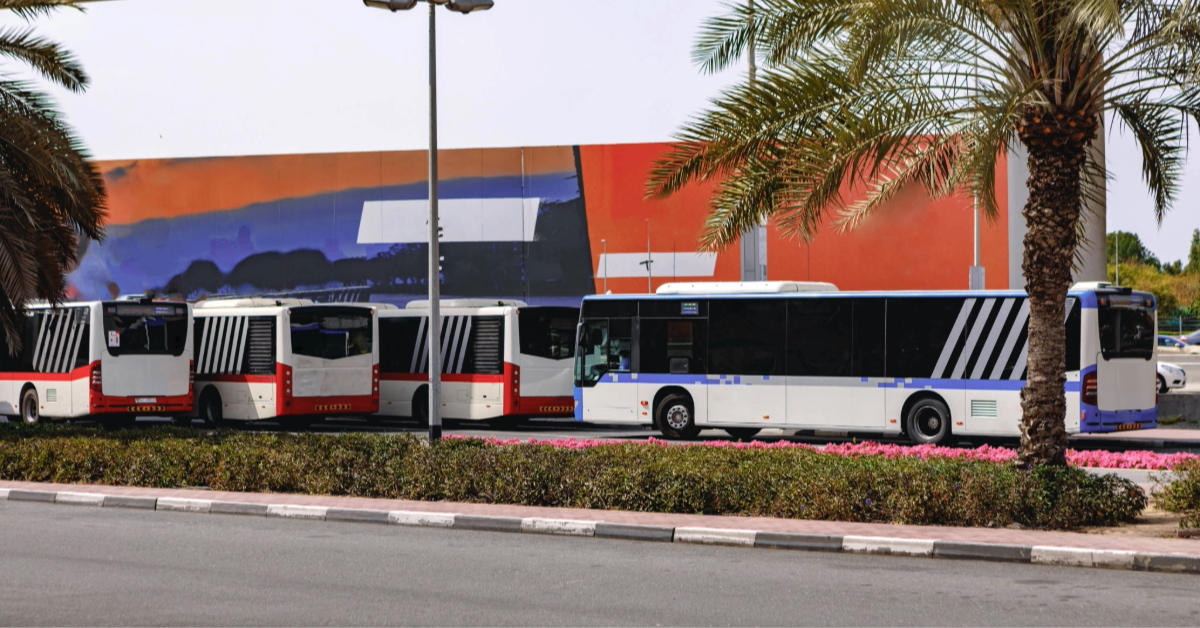
Public transport in Abu Dhabi is affordable, making it a practical option for both daily and long-distance travel.
Compared to taxis or private transport, bus fares remain one of the most budget-friendly options. The daily fare cap is especially useful for regular commuters, as it limits how much you spend regardless of how many trips you take in a day.
City Bus Fares
For local routes, fares are simple and cost-effective.
- Starting fare: AED 2 per trip
- Daily cap: AED 6 (after which rides are free for the day)
This makes buses a practical option for daily commuting within the city.
Intercity Bus Fares
Fares for longer journeys depend on distance but remain relatively affordable.
- Dubai: ~AED 25 per trip
- Sharjah: ~AED 33 per trip
- Ras Al Khaimah: ~AED 35 per trip
- Al Ain: ~AED 30 per trip
These routes are widely used by commuters and travellers alike.
How to Pay for Bus Travel
Public buses in Abu Dhabi operate on a cashless system, meaning all passengers must use a Hafilat smart card to travel. This card is essential for boarding and is used across the entire bus network.
You can easily purchase and top up your card at bus stations, ticket machines, and selected retail outlets across the city. Once you’re on board, simply tap your card when entering and again when exiting to ensure the correct fare is calculated.
- Purchase and recharge at bus stations, vending machines, and selected retail outlets
- Tap in and out when entering and exiting the bus
- Cash and bank cards are not accepted on board
Advantages of Using Buses in Abu Dhabi
Public buses in Abu Dhabi provide a reliable and accessible way to get around the city. With air-conditioned vehicles and clearly defined routes, they provide a comfortable travel experience even during the hotter months.
Another major advantage is affordability. Compared to taxis or private transport, bus fares are significantly lower, making them ideal for daily commuters and students. The expanding network also continues to improve connectivity to newer residential areas and business districts.
For visitors, buses provide an easy way to explore the city without worrying about parking or navigation, making them a practical option for short stays.
Tips for Using Abu Dhabi Buses
Using public buses in Abu Dhabi is generally straightforward, but a little planning can help you avoid delays and travel more efficiently. Understanding peak hours and how routes operate is especially useful if you rely on buses regularly.
Familiarity with the system also helps you move around with more confidence, whether you’re commuting daily or using buses occasionally. These simple tips can help you get the most out of the network:
- Use the Darbi app to check routes and timings
- Avoid peak hours (7–9 AM and 4–7 PM) when possible
- Allow extra time for intercity travel on weekends
- Carry water during the hotter months
- Arrive early for long-distance routes
Key Takeaways
Abu Dhabi’s bus network is reliable, affordable, and well-connected, making it a practical option for both daily commutes and intercity travel. With the Central Bus Station in Al Wahda acting as the main hub, passengers can easily access routes across the city and beyond.
The Hafilat card system keeps payments simple, while frequent services to Dubai, Sharjah, and Al Ain make travelling between emirates straightforward. For residents and visitors alike, buses remain one of the most efficient ways to get around Abu Dhabi. Whether you’re a first-time buyer or a seasoned investor, Abu Dhabi offers some compelling options. Browse an apartment for sale in Abu Dhabi to explore properties currently on the market.
FAQs
No, all payments must be made using a Hafilat card.
Typically around AED 25, depending on the route.
Yes, airport buses operate 24/7.
Yes, students receive discounts, while seniors and People of Determination can travel free within the city.
At bus stations, vending machines, and selected retail outlets.