


Buying property in Dubai from India has never been easier. For those wondering how to buy property in Dubai from India, the emirate offers no citizenship or residency restrictions, tax-friendly policies, strong rental yields, and a safe, globally connected market.
Better still, Indian buyers can purchase freehold property in designated Dubai zones without visiting the UAE. Whether you’re planning to invest in an apartment, villa, holiday home, or commercial unit, the UAE provides a streamlined, transparent, and fully remote buying experience.
- Understanding Your Investment Goals
- Regulatory Framework and Legal Requirements
- Step-by-Step Buying Process
- Best Areas for Indian Property Buyers in Dubai
- Financing Options for Indian Buyers
- The Golden Visa Opportunity
- Common Mistakes to Avoid
- Timeline and Costs
- Key Takeaways
- FAQs

Understanding Your Investment Goals
Clarify your purpose early to guide every decision you make in the buying journey.
Define Your Purpose
Before you begin exploring properties, take time to identify the exact reason behind your investment. Your objective will shape your property choice, financing approach, and expected returns.
Investment Categories:
- Rental Income: Ready properties can generate immediate rental returns, with net yields typically ranging from 8% to 13% after service charges, depending on the location and tenant profile.
- Capital Appreciation: Off-plan units usually offer more attractive entry prices, with strong potential for value uplift upon completion.
- Holiday Home: Ideal for those seeking a personal retreat in prime locations like Palm Jumeirah or Downtown Dubai.
- Mixed Strategy: A balanced approach that blends rental earnings with long-term capital appreciation.
Research and Market Analysis
Carry out detailed market research to assess high-performing zones and property types. Popular freehold areas accessible to foreign investors include Palm Jumeirah, Downtown Dubai, Dubai Marina, and emerging neighbourhoods that offer competitive prices and strong future demand.
Regulatory Framework and Legal Requirements
Ensure full compliance with Indian and UAE regulations to avoid delays or penalties.

Foreign Exchange Regulations (FEMA)
Indian residents must adhere to the Foreign Exchange Management Act (FEMA) and the Liberalised Remittance Scheme (LRS) when purchasing property overseas.
- LRS Limit: Indian residents may remit up to USD 250,000 (approx. INR 2.08 crore) per individual per financial year for an overseas property purchase.
- Since this limit applies per person, spouses and family members can pool their allowances for larger investments.
Required Documents
Having your documents ready speeds up verification and fund transfers.
Core Documents for Individual Buyers:
- Valid passport copy
- Identity proofs
- Proof of address for KYC
- Contact details
- PAN (Permanent Account Number)
- Bank statements (for mortgage assessment)
- Income proof (if applying for financing)
Property-Specific Documents:
- Developer’s NOC
- Current title deed
- Sale and Purchase Agreement (SPA)
- Letter of transfer
- Dubai Land Department (DLD) registration papers
Note: You do not need a UAE visa to buy property in Dubai, though a valid passport is required for all transactions.
Step-by-Step Buying Process
Here is a clear roadmap to navigate your purchase smoothly.
Step 1: Set Your Budget and Investment Strategy
Define a realistic budget that aligns with your financial standing and investment goals. Decide whether you’re using savings, family contributions, or mortgage financing. Focus on actual net returns, considering service charges, maintenance, and vacancy rates.
Step 2: Research and Select Properties
Explore listings through online portals, developers, and agents. Choose between:
- Off-plan: Lower entry cost, staged payments, higher appreciation potential
- Ready units: Immediate rental income
Explore the Available Off-Plan Projects for Sale in Dubai
-

Virella at The Valley
Dubai,The Valley
3 and 4 bedrooms
Valia Tower
Dubai,Dubai Creek Harbour (The Lagoons),Valia Tower
1, 2, 3 and 4 bedrooms
From: AED 2,060,000 Down payment: 20%

Palm Central Private Residences Phase 2
Dubai,Palm Jebel Ali
1, 2, 3, 4 and 5 bedrooms
From: AED 2,700,000 Down payment: 20%

Damac Islands
Dubai,DAMAC Islands
4, 5, 6 and 7 bedrooms
From: AED 2,490,000 Down payment: 20%

Le Chateau Piétrus
Dubai,Dubai Islands
2, 3 and 4 bedrooms
From: AED 3,940,000
Virella 2
Dubai,The Valley,Virella 2
3 and 4 bedrooms
From: AED 4,370,000 Down payment: 10%

Sobha Sanctuary Apartments
Dubai,Sobha Sanctuary
1 and 2 bedrooms
From: AED 999,000 Down payment: 20%

The Meriva Collection
Dubai,Dubai Islands,The Meriva Collection
1, 2 and 3 bedrooms
From: AED 2,700,000
Avarra by Palace
Dubai,Business Bay,Avarra by Palace
1, 2, 3, 4 and 6 bedrooms
From: AED 2,824,888 Down payment: 10%
The Brooks at Sobha Sanctuary
Dubai,Sobha Sanctuary,The Brooks at Sobha Sanctuary
4 and 5 bedrooms
From: AED 3,995,908 Down payment: 20%
Many developers now offer virtual viewings and online booking options.
Step 3: Engage a RERA-Licensed Real Estate Agent
Work with a RERA-licensed agent who is experienced in working with Indian buyers. They’ll assist with negotiation, documents, and regulatory compliance – including FEMA and LRS specifics.
Step 4: Prepare Documents
Gather all required documents early. Keep both digital and physical copies of your passport, KYC proofs, PAN, address proof, and financial records. Corporate investors should prepare board resolutions and company documents.

Step 5: Set Up Payment Channels from India
Coordinate with your bank to remit funds under the LRS. Provide your PAN, KYC documents, and ensure you specify the correct purpose code for overseas property purchase.
Funds are transferred via SWIFT to the developer’s escrow account (off-plan) or the trustee account (ready units). The remitter’s name must match the buyer’s name.Step 6: Make an Offer and Negotiate
Submit your offer and negotiate terms such as price, payment schedule, and completion timelines. For off-plan units, examine project milestones and penalty clauses. Document every negotiated term clearly.
Step 7: Obtain Financing (if required)
Banks in Dubai offer NRI mortgages covering 75 – 80% of the property value. You will need:
- Strong income profile
- Acceptable credit history
- Employment letters and salary certificates
- Bank statements
- Property valuation report
Step 8: Sign Contracts and Deposit
Sign the MOU (Form F) issued by the DLD and pay a 10% security deposit. For off-plan units, sign the SPA and register it with Oqood. Confirm payment schedules and delivery commitments.
Step 9: Conduct Legal Due Diligence
Verify property ownership, ensure the title is clear, and confirm there are no mortgages or liens. Cross-check all details with the DLD and verify escrow accounts before transferring funds.
Step 10: Complete Remaining Payments
Follow the payment plan outlined in the SPA. Off-plan payments align with construction milestones. For ready properties, arrange the final payment before transfer.
Step 11: Transfer of Ownership
Visit the Dubai Land Department to finalise the transfer. Submit all required documents, make the final payment via manager’s cheque, and pay the 4% DLD fee. Once verified, you’ll receive your new title deed.
Step 12: Post-Purchase Administration
After transfer, you should complete tasks such as:
- Registering Ejari (if renting)
- Activating utilities
- Paying service charges
- Appointing a property manager if you are not based in Dubai
Explore the Available Properties for Sale in Dubai
-


Villa
Listed 1 week ago
33,999,999 AED
Lake Views | Fully Extended | 5 Bedrooms
Entertainment Foyer, Mediterranean Clusters, Jumeirah Islands, Dubai
5
6
10,781 sqft
-


Villa
Listed 1 week ago
5,600,000 AED
Greenbelt Backing | New To Market | Best Priced
Maple at Dubai Hills Estate 1, Maple at Dubai Hills Estate, Dubai Hills Estate, Dubai
4
4
3,119 sqft
-


Apartment
Listed 4 days ago
6,000,000 AED
Rare Duplex | Corner Unit | Full Park View
Elvira 2, Elvira at Dubai Hills Estate, Dubai Hills Estate, Dubai
3
4
2,509 sqft
-


Apartment
Listed 4 days ago
17,000,000 AED
Seafront Residence | High Floor | Best Deal
Bayview Tower 1, Bayview, Emaar Beachfront, Dubai Harbour, Dubai
4
5
2,464 sqft
-


Apartment
Listed 3 days ago
12,000,000 AED
Premium 2BR Apartment | Ain Dubai View | Furnished
Bluewaters Residences Building 7, Bluewaters Residences, Bluewaters, Dubai
2
3
1,669 sqft
-


Villa
Listed 6 days ago
11,000,000 AED
Contemporary D1 Villa | Expansive Living Spaces
Jebel Ali Village Villas, Jebel Ali Village, Jebel Ali, Dubai
5
6
6,794 sqft
-
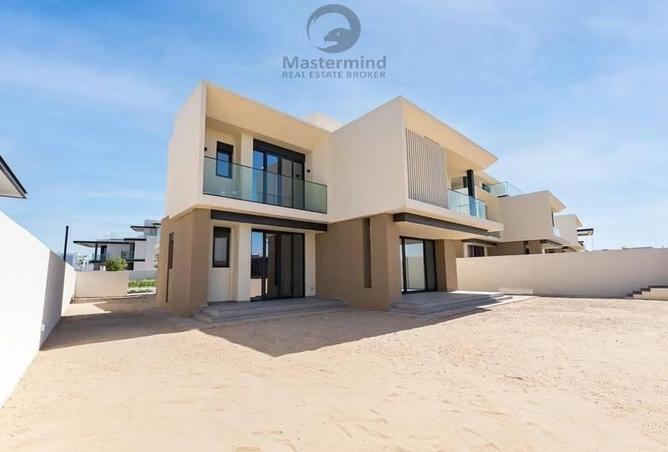
Villa
Listed 6 days ago
11,000,000 AED
Exclusive D1 Villa|Expansive Layout |Luxury Living
Jebel Ali Village Villas, Jebel Ali Village, Jebel Ali, Dubai
5
6
6,942 sqft
-
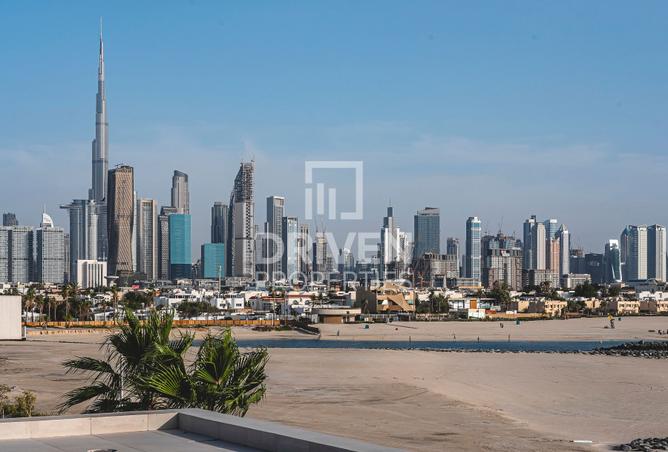

Villa
Listed 2 weeks ago
88,000,000 AED
Bespoke Smart Home Living | Italian Designer Villa
La Mer South Island, La Mer, Jumeirah, Dubai
6
7+
9,620 sqft
-
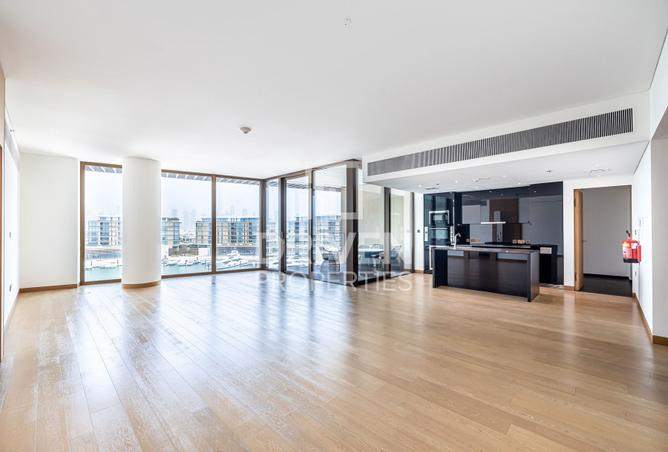
Apartment
Listed 2 weeks ago
38,000,000 AED
Luxurious | High Floor with Full Marina View
Bulgari Resort & Residences 6, Bulgari Resort & Residences, Jumeirah Bay Island, Jumeirah, Dubai
3
4
2,611 sqft
-
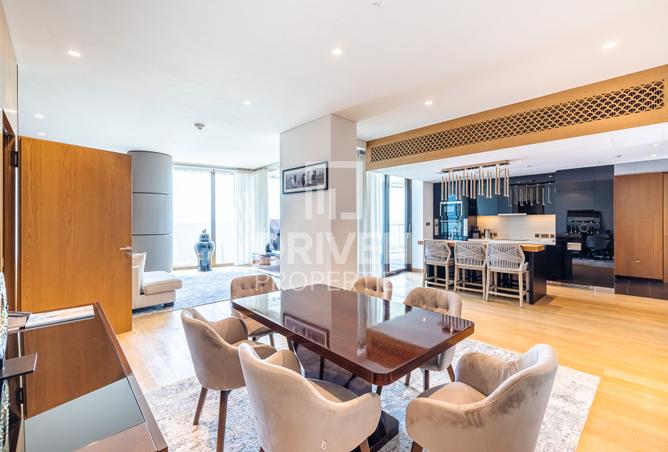
Apartment
Listed 2 weeks ago
32,000,000 AED
Fully Upgraded with Sea and Skyline View
Bulgari Resort & Residences 6, Bulgari Resort & Residences, Jumeirah Bay Island, Jumeirah, Dubai
3
4
2,630 sqft
Best Areas for Indian Property Buyers in Dubai
Top-performing freehold zones with strong demand and appreciation potential.
Location Property Type Target Investor Profile Key Advantage Downtown Dubai Apartments, Studios First-time buyers, investors Central location, established community, strong rental demand Dubai Marina Apartments, Penthouses Mid to high-net-worth investors Waterfront living, premium amenities, luxury market Palm Jumeirah Villas, Townhouses High-net-worth individuals Luxury development, unique island lifestyle, high appreciation Jumeirah Villas, Townhouses Luxury market investors Beachfront access, premium community, capital appreciation Business Bay Apartments, Studios Budget-conscious investors Affordable entry prices, good rental yields, business hub proximity Financing Options for Indian Buyers
Choose the structure that maximises your overall returns.
Mortgage Eligibility and Terms
Dubai banks offer mortgages to NRIs, typically financing 75 – 80% of the property value. Requirements include:
- Steady income
- Good credit score
- Employment verification
- Recent bank statements
- Passport and visa copies
- Property valuation report
Self-Financing vs. Mortgage
- Self-financing: Faster completion and full ownership
- Mortgage: Allows leverage, preserves liquidity, and supports portfolio diversification
The Golden Visa Opportunity
A lucrative residency pathway tied to property ownership.
Eligibility Through Property Investment
Investing AED 2 million (approx. INR 4.5 crore) or more can make you eligible for a 10-year Dubai Golden Visa. Both ready and off-plan units qualify, subject to valuation and financing conditions.
Application Process
A licensed real estate advisor or immigration consultant can help with:
- Property valuation checks
- Document preparation
- Submission to the UAE immigration authorities
Common Mistakes to Avoid
Avoid these pitfalls for a smooth investment experience.
- Skipping Due Diligence: Always confirm ownership and title clarity via the DLD.
- Incomplete Documentation: Missing KYC, PAN, or address proofs can delay bank transfers.
- FEMA Non-Compliance: Ensure all LRS remittances use the correct purpose code.
- Ignoring Contract Details: Understand clauses related to penalties, delays, and handover.
- Poor Post-Purchase Planning: Hire a reliable property manager if you are abroad.
Timeline and Costs
Know what to expect before you begin.
1. Transaction Timeline
A typical transaction takes 3 – 6 months for ready units and 2 – 4 years for off-plan developments. Breakdown for ready properties:
- Property selection & offer: 1 – 2 weeks
- Documentation: 1 – 2 weeks
- LRS remittance: 1 – 2 weeks
- Contract signing: 1 – 2 weeks
- Final transfer: 1 – 2 weeks
2. Cost Breakdown
Cost Category Percentage/Amount Notes Property Price 100% Agreed purchase price Registration Fee 4% of property value Paid to Dubai Land Department Agent Commission 2-3% Varies by agent agreement Legal/Advisory Fees 0.5-1% Optional but recommended Mortgage Processing 0.5-1% If financing used Initial Service Charges Variable Annual building maintenance Key Takeaways
Indian nationals can legally purchase property in Dubai’s designated freehold zones with full ownership rights. Compliance with FEMA is essential, as funds must be remitted under the LRS limit of USD 250,000 per individual per financial year using the correct documentation and purpose codes.
A UAE visa is not required to buy property; a valid passport and standard KYC documents are sufficient. Buyers can also access financing, with Dubai banks offering NRI mortgages that cover 75 – 80% of the property value at competitive rates.
To ensure a smooth experience, it is advisable to work with RERA-licensed agents, legal advisors, and property managers.
FAQs
How can an Indian resident legally remit money to buy property in Dubai?Use the Reserve Bank of India’s Liberalised Remittance Scheme (LRS), which allows up to USD 250,000 per individual per financial year.
Coordinate with your bank, provide your PAN and KYC documents, use the correct purpose code for overseas property purchase, and remit via SWIFT to the developer’s escrow account for off-plan properties or the trustee-instructed account for ready transfers. Keep all receipts and bank statements for compliance records.Do I need a UAE visa or a local bank account to buy property in Dubai?No, you don’t. A UAE visa is not required to purchase property in Dubai. You can buy it with just a passport copy and contact details for KYC verification.
Does buying a property in Dubai qualify me for a long-term residency visa?Yes, it does. Property ownership of AED 2 million (approximately INR 4.5 crore) or more qualifies you for Dubai’s Golden Visa, granting a 10-year residency permit.
What is the minimum investment required for a residency visa?The minimum property investment required for Dubai residency is AED 750,000 to qualify for a residency visa, though the Golden Visa for higher visa validity requires AED 2 million or more.
Can I buy an apartment off-plan, and what are the advantages?Yes, off-plan purchases are popular among Indian investors. These properties typically offer favourable entry prices compared to ready units and provide staged payment plans aligned with construction milestones, reducing upfront capital requirements.
Share
Iman Youssef

Property Finder
Real Estate Professionals