



Future Transportation in UAE is moving decisively from planning to execution between 2025 and 2029, marking one of the most extensive mobility upgrades globally. Major metro expansions, national rail links, flying taxis, and autonomous pod systems are being developed to ease congestion, shorten travel times, and support sustainable urban growth across Dubai, Abu Dhabi, and other emirates, while also shaping how communities expand, connect, and function over the long term.
In this guide, discover:
- The Dubai Metro Blue Line expansion
- Etihad Rail and the high-speed Abu Dhabi–Dubai link
- Flying taxis and aerial mobility
- Urbanloop autonomous pod system in Abu Dhabi
- Autonomous and smart transport
- Abu Dhabi Tram line 4
- Dubai Walk master plan towards a pedestrian city
- Major road and infrastructure upgrades
- Cross-border and regional rail projects
- Other support projects and concepts
- Key takeaways
- FAQs
The Dubai Metro Blue Line expansion
The Dubai Metro Blue Line is among the most ambitious public transport projects currently under development in the country.
- Route and stations: The project spans approximately 30 km and includes 14 stations, with five underground and nine elevated. The line runs from the Creek Interchange and passes through Dubai Creek Harbour, Dubai Silicon Oasis, and Academic City, linking residential, education, and innovation hubs.
- Opening timeline: The Dubai Metro Blue Line is scheduled to begin operations on September 9, 2029, aligning with Dubai’s long-term transport and urban development strategy.
- Key infrastructure features: The expansion includes a 1.3 km bridge crossing Dubai Creek. A major highlight is the Emaar Properties Station, planned to be around 74 metres tall and 38 metres wide, making it the tallest metro station in the world.
- Projected ridership: Daily passenger numbers are expected to reach approximately 200,000 by 2030, increasing to around 320,000 by 2040 as surrounding communities continue to develop.
Explore the Available Properties for Sale in Dubai
-


Apartment
Listed 2 weeks ago
8,000,000 AED
Upgraded | 5 Star Facilities | Palm Jumeirah View
Kempinski Palm Residence, The Crescent, Palm Jumeirah, Dubai
3
4
2,566 sqft
-
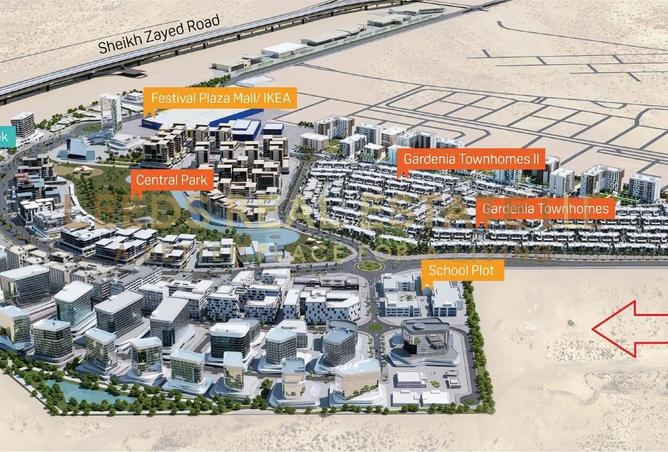

Land
Listed 6 days ago
93,999,999 AED
Prime Freehold Residential Plot | Near Wasl Gate
Al Furjan West, Al Furjan, Dubai
55,970 sqft
-
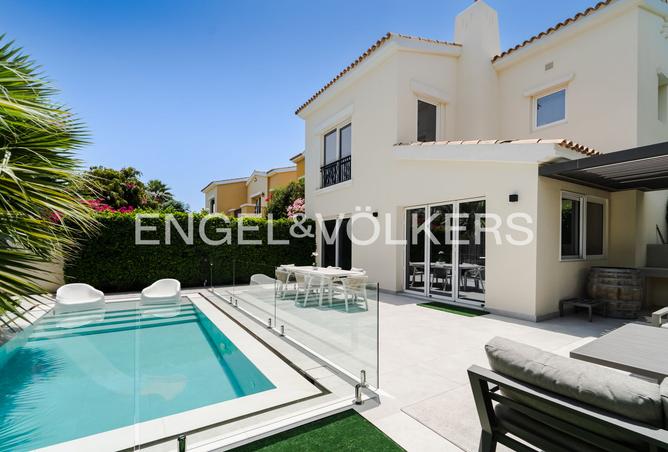

Townhouse
Listed 4 weeks ago
7,650,000 AED
Fully Renovated | 3 Bed + Study | Private Pool
Palmera 2, Palmera, Arabian Ranches, Dubai
3
2
3,236 sqft
-
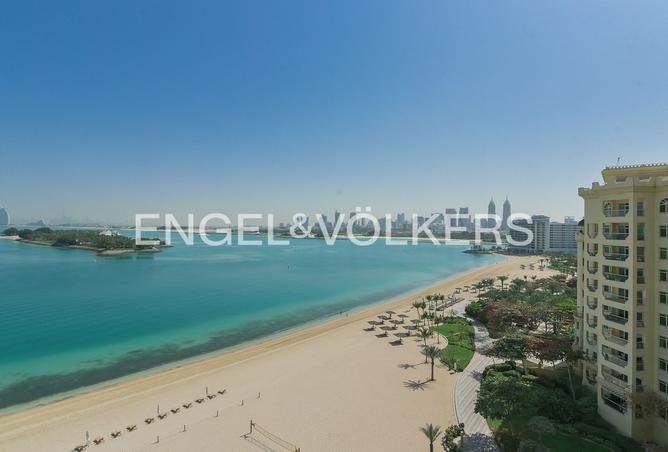
Apartment
Listed 6 days ago
4,500,000 AED
High Floor | Beach Access | Full Sea View
Al Hatimi, Shoreline Apartments, Palm Jumeirah, Dubai
1
2
1,145 sqft
-
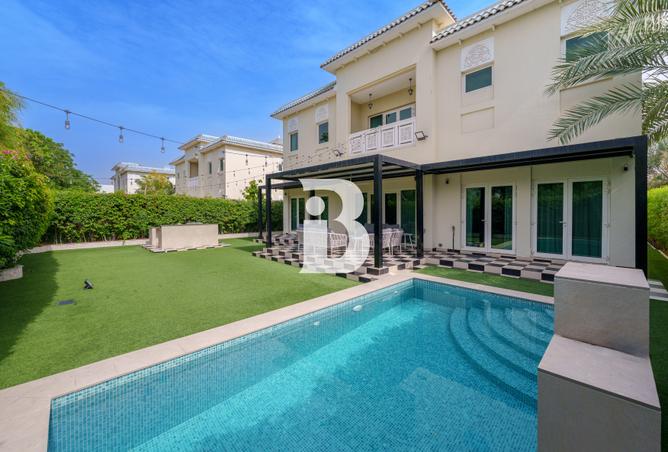

Villa
Listed 1 week ago
7,300,000 AED
Rare Park-Facing with Pool |Exclusive
Quortaj, North Village, Al Furjan, Dubai
4
4
6,458 sqft
-


Villa
Listed 2 weeks ago
425,000,000 AED
Prestigious Waterfront Mansion with Open Sea Views
Bulgari Resort & Residences 1, Bulgari Resort & Residences, Jumeirah Bay Island, Jumeirah, Dubai
6
7+
29,101 sqft
-

Villa
Listed 2 weeks ago
265,000,000 AED
Timeless Beachfront Villa | Unparalleled Sea View
Jumeirah Bay Island Villas, Jumeirah Bay Island, Jumeirah, Dubai
5
7
17,252 sqft
-

Apartment
Listed 2 weeks ago
38,000,000 AED
High Floor | Luxurious with Full Skyline Views
Bulgari Resort & Residences 2, Bulgari Resort & Residences, Jumeirah Bay Island, Jumeirah, Dubai
3
4
2,631 sqft
-
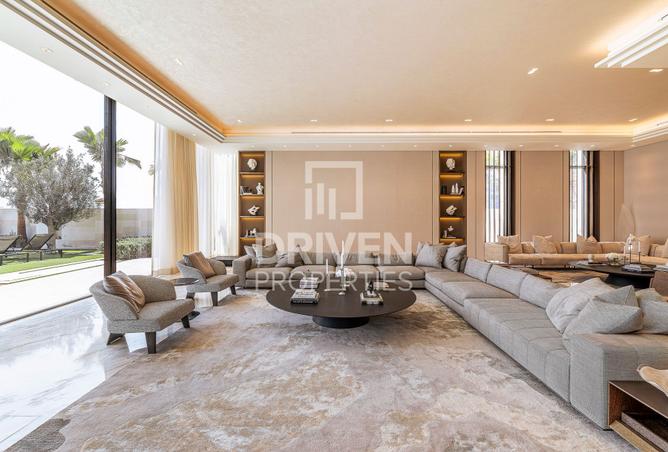
Villa
Listed 2 weeks ago
250,000,000 AED
Sophisticated Modern Villa | Incomparable Luxury
Jumeirah Bay Island Villas, Jumeirah Bay Island, Jumeirah, Dubai
5
6
16,014 sqft
-

Villa
Listed 2 weeks ago
195,000,000 AED
Bulgari Front Row Mansion | Full Skyline Views
Bulgari Resort & Residences 1, Bulgari Resort & Residences, Jumeirah Bay Island, Jumeirah, Dubai
5
7
19,101 sqft
Etihad Rail and the high-speed Abu Dhabi–Dubai link
A major shift in inter-emirate travel will arrive with the launch of Etihad Rail’s passenger services, expected in 2026, as one of the biggest Future transportation in UAE. The national rail network will connect all seven emirates, linking key economic zones, industrial hubs, and major cities.
Alongside the national network, a high-speed rail link between Abu Dhabi and Dubai has been announced. Trains operating at speeds of up to 350 km per hour are expected to cut travel time between the two cities to approximately 30 minutes. Planned stations include Reem Island, Yas Island, Saadiyat Island, Zayed International Airport, Al Maktoum International Airport, and Al Jaddaf.
For professionals commuting between emirates, this level of connectivity will fundamentally change daily travel patterns.
Flying taxis and aerial mobility
Aerial mobility is moving from concept to reality in the UAE. Dubai plans to launch commercial electric vertical take-off and landing taxi services by the first quarter of 2026, making this one of the significant future transport projects in the UAE.
- Initial routes are expected to connect Dubai International Airport, Palm Jumeirah, Dubai Marina, and Downtown Dubai.
- These aircraft are designed to carry four passengers plus a pilot, flying at speeds of up to 320 to 330 km per hour.
- A journey from the airport to Palm Jumeirah could take just 10 to 12 minutes, compared to around 45 minutes by road during peak traffic.
Abu Dhabi and Ras Al Khaimah are also part of the aerial mobility rollout, with vertiports planned and phased operations expected between 2026 and 2027.
Urbanloop autonomous pod system in Abu Dhabi
Abu Dhabi is also investing in last-mile mobility through the Urbanloop autonomous pod system. Announced by Abu Dhabi Transport at Global Rail 2025, Urbanloop is a personal rapid transit solution designed for short-distance urban trips.
The system uses self-driving electric pods operating on dedicated guideways. A pilot launch is planned for April 2026, with the first two locations situated on Reem Island. While Urbanloop made its public debut at the Paris Olympic Games in 2024, the Abu Dhabi version has been adapted for local conditions, including advanced air conditioning and enhanced dust protection.
A key differentiator of Urbanloop is its ability to bypass stations entirely, allowing for direct point-to-point travel. This reduces waiting times and improves efficiency in dense urban districts, supporting Abu Dhabi’s wider strategy to cut congestion while improving the commuter experience.
Explore the Available Properties for Sale in Abu Dhabi
-
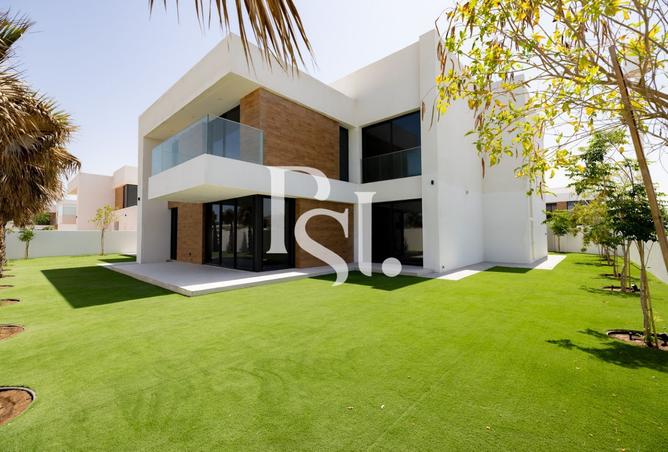

Villa
Listed 1 week ago
15,000,000 AED
Standalone Villa |Corner| Prime Poolside Location!
The Dunes, Saadiyat Reserve, Saadiyat Island, Abu Dhabi
5
7
10,785 sqft
-

Apartment
Listed 2 months ago
3,689,999 AED
Investor Deal | Luxury 1BR | Best Community
The Row Saadiyat, Saadiyat Island, Abu Dhabi
1
2
958 sqft
-


Villa
Listed 3 weeks ago
15,000,000 AED
Single Row Corner | Brand New | Type C | Vacant
The Dunes, Saadiyat Reserve, Saadiyat Island, Abu Dhabi
5
7+
11,122 sqft
-

Villa
Listed 3 weeks ago
11,900,000 AED
Single Row | First Row From The Golf | Brand New
The Dahlias, Yas Acres, Yas Island, Abu Dhabi
4
6
6,802 sqft
-
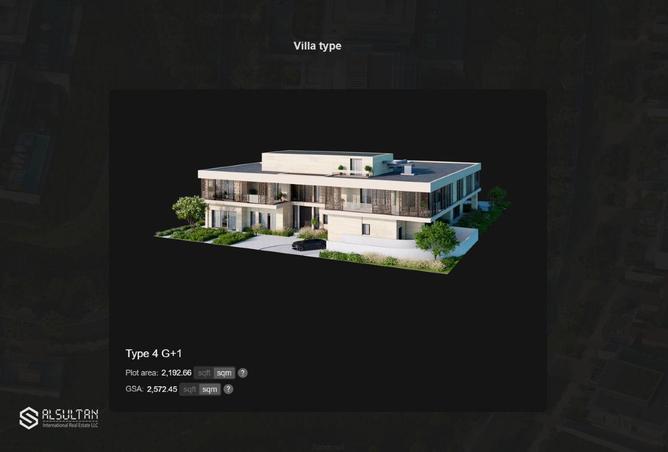

Villa
Listed 7 days ago
72,000,000 AED
Corner Mansion I Full 360 Island View I 40M High
Nawayef West, Al Hudayriat Island, Abu Dhabi
7
7+
27,689 sqft
-


Villa
Listed 3 days ago
4,425,044 AED
Resale 5BR+M | Majilis | Study Room | Great Deal
Fay Al Reeman II, Al Shamkha, Abu Dhabi
5
6
8,073 sqft
-


Townhouse
Listed 3 days ago
3,950,000 AED
HOT DEAL!!! Elite 4BR+M | Luxurious | Prime Area
Bayn by Ora Developers, Ghantoot, Abu Dhabi
4
5
2,840 sqft
-


Villa
Listed 3 days ago
9,500,000 AED
Premium Location | Corner Unit | Maids + Drivers
Saadiyat Lagoons, Saadiyat Island, Abu Dhabi
5
6
8,536 sqft
-

Villa
Listed 3 days ago
10,500,000 AED
Single Row | Corner Unit | 5BR+M w/ POD | Al Ghaf
Saadiyat Lagoons, Saadiyat Island, Abu Dhabi
5
6
9,303 sqft
-

Villa
Listed 5 days ago
4,999,999 AED
5BR Corner Villa | Premium Finish | Ideal Location
Fay Al Reeman II, Al Shamkha, Abu Dhabi
5
6
9,623 sqft
Autonomous and smart transport
Autonomous transport is already visible on UAE roads. On Yas Island, fully driverless robotaxi services operated by WeRide have launched, with expansion planned across additional zones.
- Alongside autonomous vehicles, cities are rolling out smart traffic systems using vehicle-to-everything technology, intelligent signalling, and dedicated lanes for buses and taxis.
- These measures are expected to be implemented more widely between 2027 and 2028, improving traffic flow and reducing delays across major corridors.
- Smart transport systems complement fixed infrastructure such as metro stations, including developments around new metro stations like Al Warqa, where integrated planning supports smoother transitions between transport modes.
Abu Dhabi Tram line 4
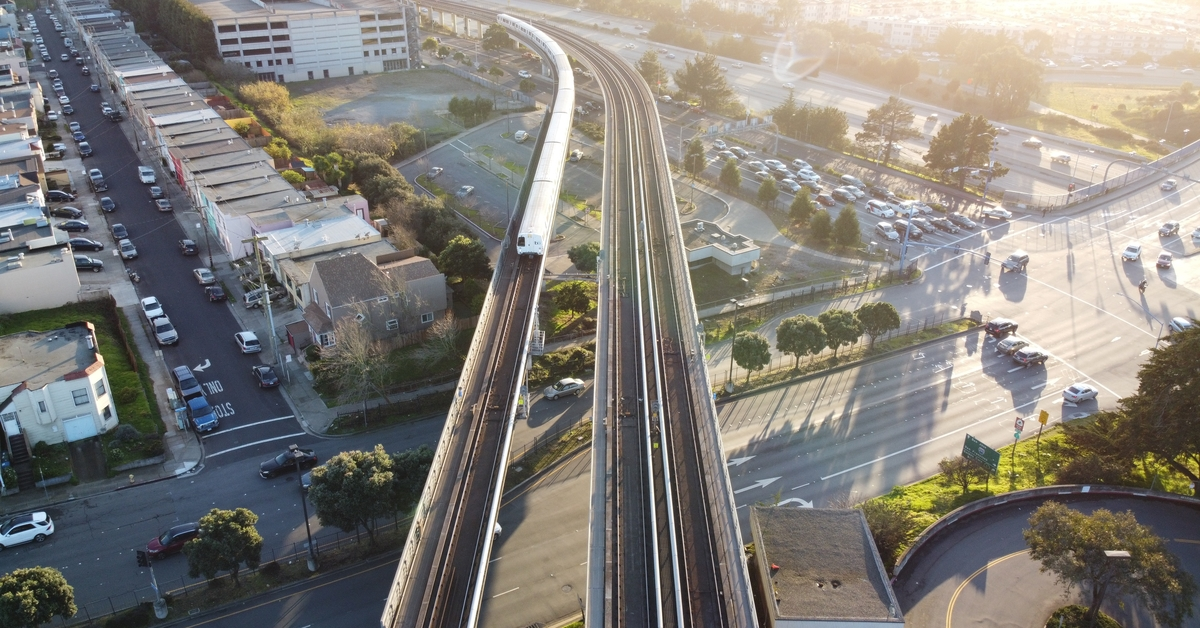
The Abu Dhabi Tram is another long-term project aimed at improving urban connectivity. Line 4 forms part of a proposed tram network spanning approximately 33 km with 38 stations across two phases.
Phase one will cover around 20 km, linking Yas Gateway Park through major tourist zones to Zayed International Airport, Al Raha, and Etihad Plaza. Phase two includes extensions to Khalifa City and a loop around Yas Island. Construction is scheduled to begin in 2026, with full operations expected by 2030.
This network is designed to support growing residential and commercial districts, particularly around transit-oriented developments similar to those emerging near Dubai Creek Harbour’s planned metro connectivity.
Dubai Walk master plan towards a pedestrian city
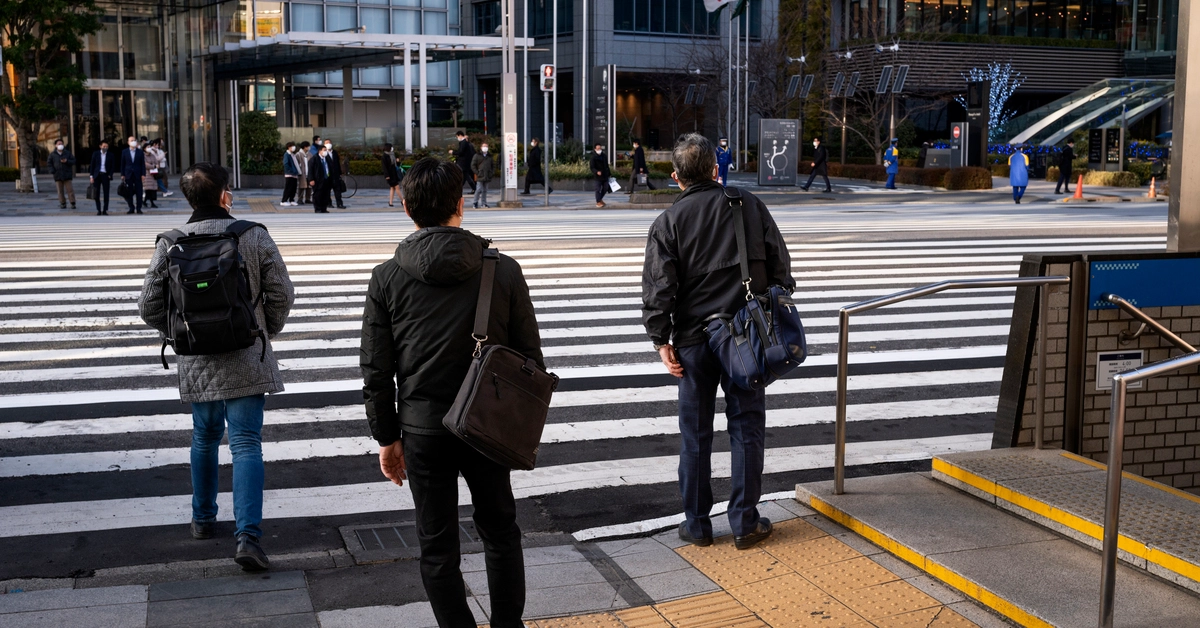
Beyond vehicles and rail, Dubai is rethinking how people move on foot. The Dubai Walk Master Plan aims to transform the city into a year-round pedestrian-friendly environment.
The plan covers a total pedestrian network of 6,500 km across 160 areas. This includes 3,300 km of new walkways, rehabilitation of 2,300 km of existing paths by 2040, and more than 900 km planned beyond that date. The objectives focus on encouraging walking for short trips, improving public health, and reducing congestion and emissions.
Walkways will integrate with metro and tram stations, cycling infrastructure, and future transport networks, reinforcing Dubai’s long-term sustainability goals.
Major road and infrastructure upgrades
- Public transport investments are supported by significant road upgrades. The UAE has committed around Dh170 billion to road infrastructure by 2030.
- Major expansions include widening Emirates Road and Sheikh Mohammed bin Zayed Road to 10 lanes, and Etihad Road to 12 lanes.
- Projects such as the Al Shindagha Corridor Improvement are extending Sheikh Rashid Road by 4.8 km and increasing capacity to nearly 19,400 vehicles per hour.
- Dedicated bus and taxi lanes spanning more than 13 km across key streets are also being introduced between 2025 and 2027.
Cross-border and regional rail projects
Regional connectivity is expanding through projects like Hafeet Rail, a 238 km rail link connecting Abu Dhabi with Sohar Port in Oman. As part of the Etihad Rail network, this cross-border route supports trade, logistics, and long-term economic integration. Over half of the construction has already been completed, positioning rail as a key enabler of regional mobility.
Other support projects and concepts
Additional concepts include the Dubai Loop, a proposed 17 km underground tunnel system by The Boring Company, aimed at linking high-density districts. The UAE is also expanding electric and solar-powered transport options, including e-abras, hydrogen-powered buses and trucks, and a wider EV charging network.
Key takeaways
Future Transportation in UAE reflects a coordinated push towards integrated, sustainable, and technology-driven mobility. Major metro, tram, and national rail projects are reshaping daily travel, while aerial mobility and autonomous systems move closer to mainstream use. Road upgrades continue to address congestion, and sustainability remains central to long-term planning, aligned with Net Zero 2050 targets. Together, these initiatives position the UAE as a global leader in future-ready urban transport.
FAQs
The Dubai Metro Blue Line is scheduled to open on September 9, 2029.
Etihad Rail is the UAE’s national railway network connecting all seven emirates, with passenger services expected to launch in 2026.
Flying taxis are expected to reach speeds of around 320 to 330 km per hour, initially operating between Dubai International Airport, Palm Jumeirah, Dubai Marina, and Downtown Dubai.
Road upgrades aim to widen major highways, increase capacity by up to 65 percent in some corridors, reduce travel times, and integrate smart traffic systems.
Construction of Abu Dhabi Tram Line 4 is set to begin in 2026, with full operations expected by 2030.