



Dubai’s public transport network isn’t just about the metro. Feeder buses like the F16 bus schedule play a critical role in connecting residential districts, staff accommodations, and industrial zones to larger transit hubs.
If you live or work in Al Quoz, understanding how the F16 bus operates can significantly improve your daily commute. This guide breaks down the route, timings, fares, and how the service fits into everyday life in this part of Dubai.
- What Is the F16 Bus in Dubai?
- Where the F16 Operates in Al Quoz
- F16 Bus Stops & Route Map
- Why the F16 Matters for Residents
- Operating Hours & Frequency (Weekday vs Weekend)
- Fares & Ticketing: What You Pay
- How the F16 Connects to the Dubai Metro
- Who Uses the F16 Most?
- Living in Al Quoz: Is the F16 Enough?
- Real-World Commute Scenario
- Daily Operations & Special Schedule Notes
- Should You Choose Housing Near the F16?
- Key Takeaways
- FAQs
What Is the F16 Bus in Dubai?
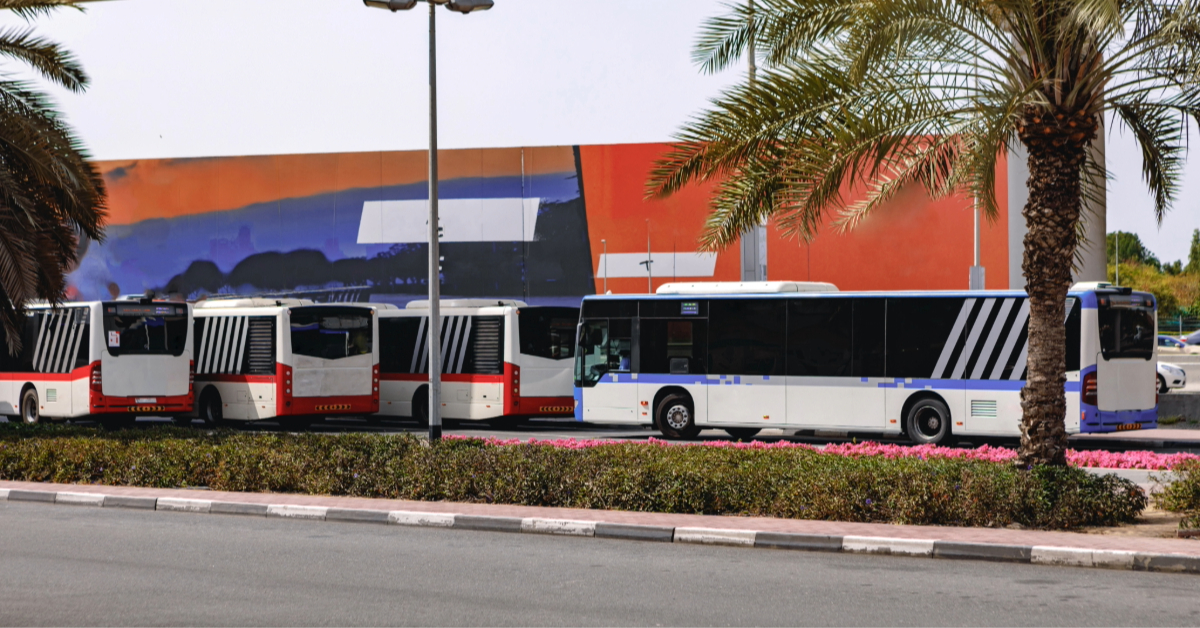
The F16 is a feeder bus operated by Dubai’s Roads and Transport Authority (RTA). Feeder buses are designed to connect residential and industrial districts to major transport hubs, especially metro stations and central bus termini.
Unlike long intercity routes, feeder buses operate within specific zones and follow circular or short-loop patterns. The F16 serves parts of Al Quoz, primarily connecting staff accommodations, schools and commercial areas to Onpassive Bus Terminus 1.
For commuters, this means the F16 isn’t meant for cross-city travel. Instead, it functions as a last-mile solution, helping residents reach metro lines or central transit points efficiently.
Understanding this distinction makes it easier to plan transfers and avoid confusion when comparing feeder routes to mainline RTA buses.
Where the F16 Bus Operates
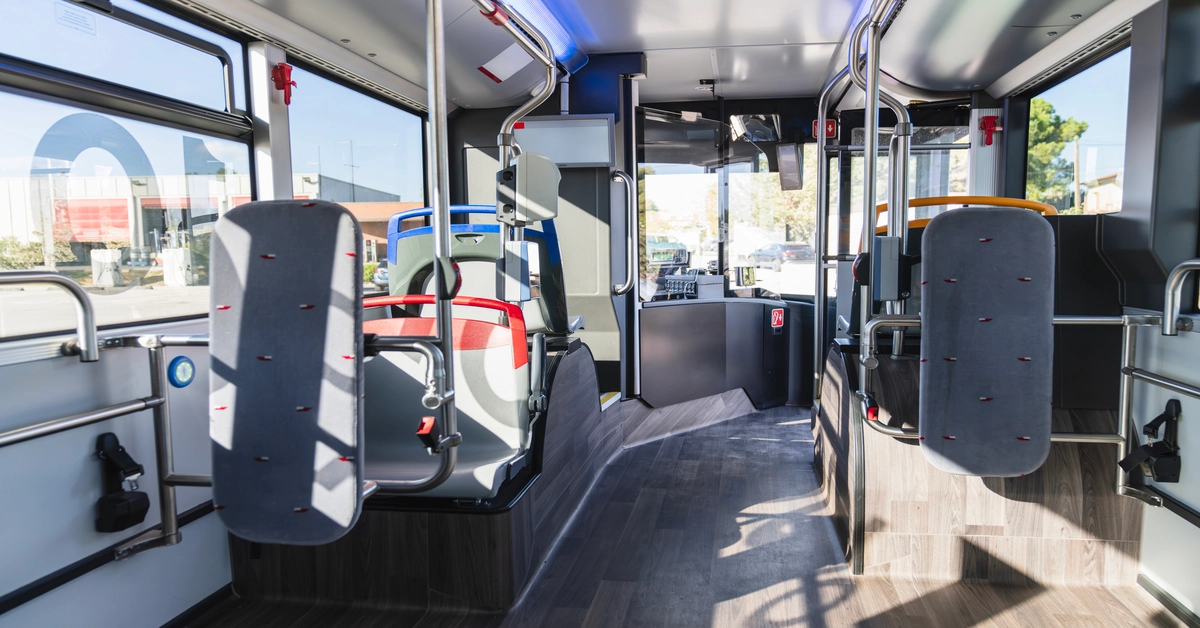
The F16 is an RTA-operated feeder bus running in a loop between Onpassive Bus Terminus 1 and key residential and accommodation areas in Al Quoz.
Al Quoz is one of Dubai’s most diverse districts. While widely known for its industrial warehouses and commercial facilities, it also includes residential pockets, labour accommodations and schools. Its central location between Sheikh Zayed Road and Al Khail Road makes it accessible but heavily traffic-dependent, which is why feeder routes matter.
F16 Bus Route & Major Stops
The F16 operates as a circular loop with approximately 12–13 stops across Al Quoz. Because it runs in a loop, passengers can board from multiple points depending on their location within the district.
The route mainly serves residential pockets, staff accommodations and nearby commercial zones, keeping overall journey times relatively short.
Key stops include:
- Onpassive Bus Terminus 1
- Al Quoz, Cement Factory
- Al Waaha Street
- Taj Al Madina Supermarket
- Al Futtaim Private Staff Accommodation
- Farnek Staff Accommodation
- Credence High School
- Emirates Post Office
- New Housing Junction
- Latifa Bint Hamdan Street
Because much of the route serves staff housing and commercial zones, peak hours tend to align with worker shift times. The average end-to-end journey takes 25–30 minutes, depending on traffic.
Explore the Available Apartments for Sale in Al Quoz
-


Apartment
Listed 2 weeks ago
530,000 AED
Studio for Sale in Al Khail Heights – Rented
Al Khail Heights 6, Al Khail Heights, Al Quoz, Dubai
studio
1
456 sqft
-
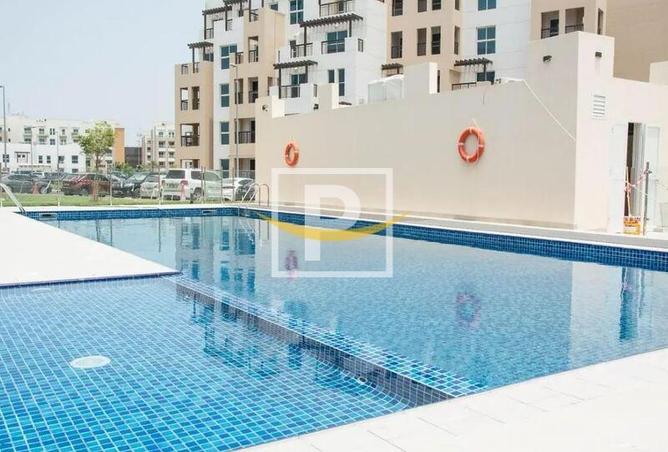
Apartment
Listed 5 months ago
540,000 AED
Vacant | Ground Floor| Affordable Investment
Al Khail Heights 6, Al Khail Heights, Al Quoz, Dubai
studio
1
420 sqft
-

Apartment
Listed 3 weeks ago
1,150,000 AED
BIG LAYOUT | HIGHER FLOOR | VASTU UNIT |STORE ROOM
Al Khail Heights 5, Al Khail Heights, Al Quoz, Dubai
1
2
1,249 sqft
-
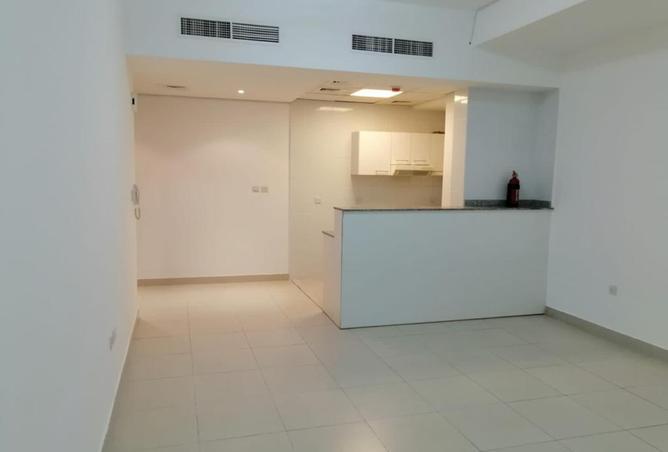
Apartment
Listed 4 weeks ago
630,000 AED
VACANT UNIT | NEAR TO EXIT | INVESTOR DEAL | VASTU
Al Khail Heights 7, Al Khail Heights, Al Quoz, Dubai
studio
1
672 sqft
-
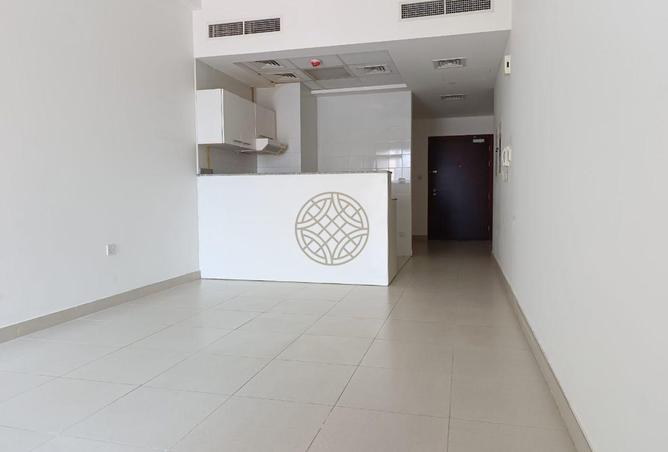
Apartment
Listed 2 months ago
525,000 AED
Spacious | Well Maintain| Multiple Units Available
Al Khail Heights 8, Al Khail Heights, Al Quoz, Dubai
studio
1
436 sqft
-
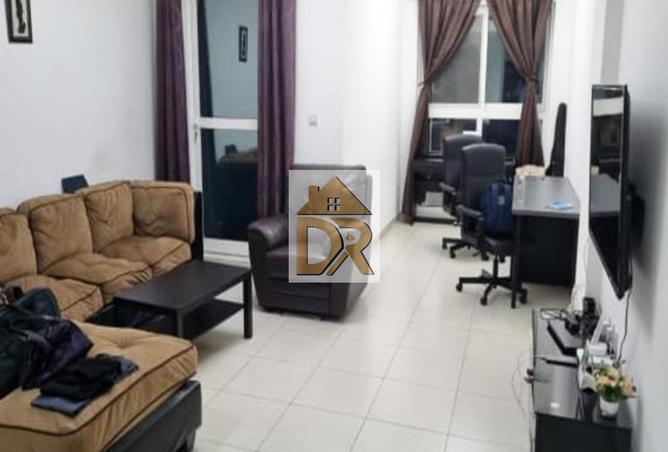
Apartment
Listed 2 months ago
1,100,000 AED
Brand New | Family Gated Community | Huge Size
Al Khail Heights 7, Al Khail Heights, Al Quoz, Dubai
1
2
1,227 sqft
-

Apartment
Listed 2 weeks ago
1,800,000 AED
Investor Deal | Prime Location | Motivated Seller
Al Khail Heights 6, Al Khail Heights, Al Quoz, Dubai
2
2
1,714 sqft
-
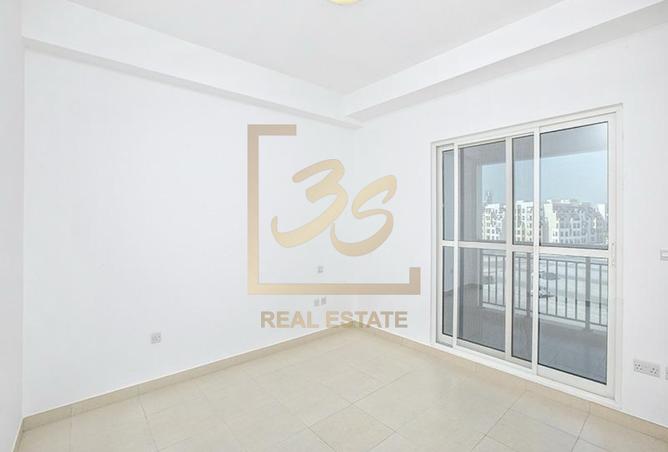
Apartment
Listed 1 month ago
1,500,000 AED
Investor Deal | Prime Location | Motivated Seller
Al Khail Heights 7, Al Khail Heights, Al Quoz, Dubai
2
3
1,342 sqft
-
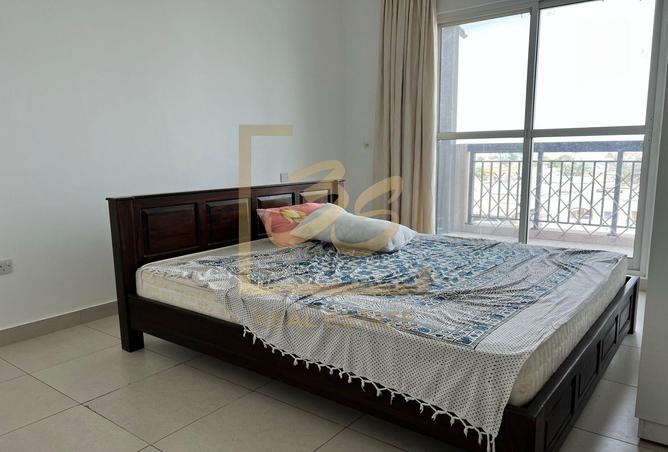
Apartment
Listed 3 months ago
920,000 AED
1 BR | SPACIOUS LAYOUT | GREAT INVESTMENT
Al Khail Heights 7, Al Khail Heights, Al Quoz, Dubai
1
2
1,123 sqft
-
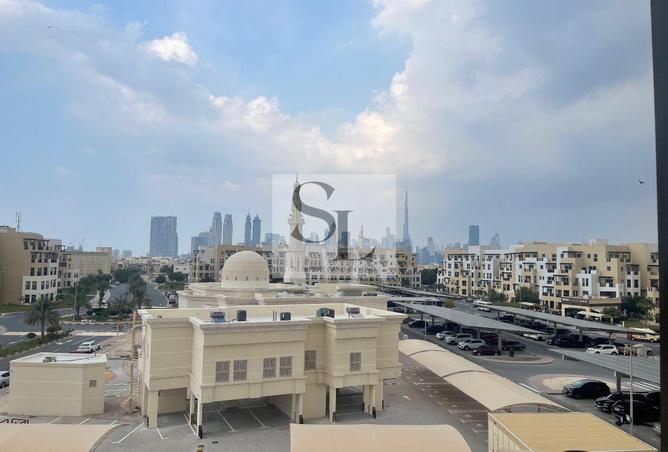
Apartment
Listed 2 weeks ago
925,000 AED
BURJ KHALIFA VIEW 1-BEDROOM APT WITH STORE ROOM
Al Khail Heights 8, Al Khail Heights, Al Quoz, Dubai
1
2
885 sqft





Why the F16 Matters for Residents
Feeder buses like the F16 are especially important in areas where metro stations are not directly within walking distance.
In parts of Al Quoz, residential buildings and staff accommodations are several minutes away from the nearest metro line. The F16 bridges that gap, allowing commuters to:
- Connect to metro hubs
- Avoid daily driving
- Reduce parking dependency
- Lower transportation costs
For renters evaluating accessibility, proximity to feeder routes can be just as important as proximity to the metro itself.
F16 Operating Hours & Frequency
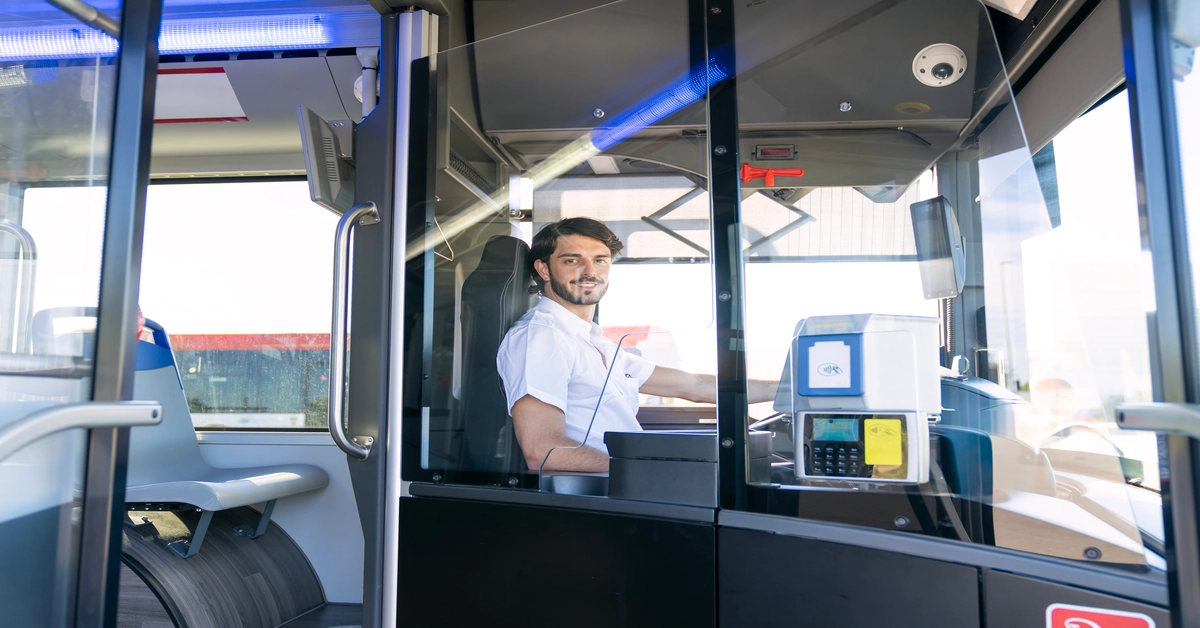
The F16 runs daily, including weekends. Operating times vary slightly by day, with earlier departures on weekdays and a later start on Sundays. Frequency also shifts between peak commuting hours and quieter off-peak periods.
| Day | First Bus | Last Bus | Frequency |
|---|---|---|---|
| Mon–Thu | ~4:20 AM | ~11:45 PM | 11–20 mins |
| Friday | ~4:23 AM | ~12:45 AM | 12–18 mins |
| Saturday | ~4:19 AM | ~11:46 PM | 12–21 mins |
| Sunday | ~7:00 AM | ~11:46 PM | 15–30 mins |
Peak Hours
- Morning: 7:00–9:00 AM
- Evening: 5:00–8:00 PM
During peak commuting hours, buses may arrive every 7–8 minutes. Off-peak intervals extend, particularly on Sundays when services start later.
Fares & Ticketing: What You Pay
Dubai’s bus system operates on a zone-based fare structure. The amount you pay depends on how many fare zones your journey crosses, though most F16 trips fall within a single zone. Payment is made exclusively through the NOL card system.
For most F16 journeys within one zone:
- Standard fare: AED 3
- Payment via NOL card only
- No cash accepted
If you transfer from the metro and tap your NOL card within 30 minutes, the feeder connection is free.
How the F16 Connects to the Metro
While the F16 does not replace the metro, it complements it. The route functions as a feeder service, helping commuters reach larger transit hubs where they can continue their journey across Dubai.
Commuters typically use the F16 to:
- Travel from residential or staff housing areas in Al Quoz
- Reach a metro-accessible transit hub
- Continue into central business districts
This makes the route particularly valuable for workers heading toward Dubai Downtown, Business Bay or Deira via metro transfer.
Who Typically Uses the F16?
The route primarily serves workers, students and residents within Al Quoz who rely on public transport for daily commuting. Peak usage often aligns with shift changes and school start times.
The route primarily serves:
- Workers in industrial facilities
- Staff accommodations
- Students attending nearby schools
- Residents without private vehicles
Because Al Quoz includes both commercial and residential zones, the passenger mix varies throughout the day. Early mornings are typically worker-heavy, while late afternoons see more school-related traffic.
Living in Al Quoz: Is Public Transport Enough?

For many Al Quoz residents, feeder buses reduce the need for daily car use. However, the area is still considered more car-dependent compared to fully residential districts like Dubai Marina.
Rental costs in Al Quoz are generally lower than in central waterfront communities, making it attractive to renters who are comfortable using feeder buses and seek budget-conscious options.
Explore the Available Apartments for Sale in Dubai Marina
-

Apartment
Listed 4 days ago
1,250,000 AED
Furnished | Mid Floor | Vacant
Marina Crown, Dubai Marina, Dubai
1
2
749 sqft
-

Apartment
Listed 3 weeks ago
2,150,000 AED
Premium location | Vacant | Great Layout
Botanica Tower, Dubai Marina, Dubai
2
3
1,207 sqft
-

Apartment
Listed 1 week ago
6,400,000 AED
Duplex Residence | Pool & Palm Views
Cayan Tower, Dubai Marina, Dubai
3
4
3,009 sqft
-
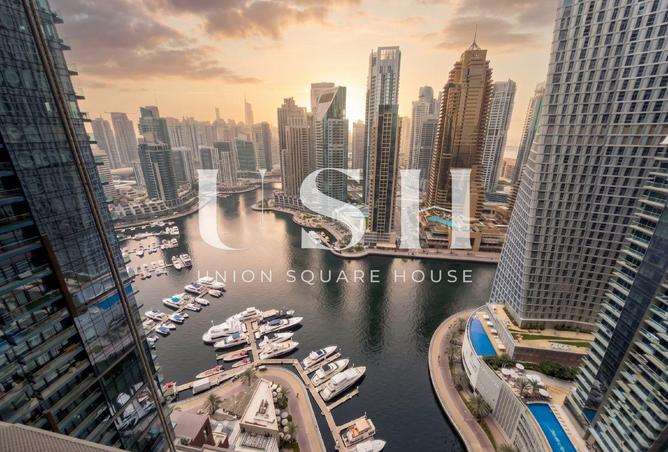
Apartment
Listed 2 weeks ago
7,600,000 AED
Fully Furnished | Full Marina View | Vacant
Jumeirah Living Marina Gate, Marina Gate, Dubai Marina, Dubai
3
4
2,130 sqft
-

Apartment
Listed 2 weeks ago
4,799,999 AED
LUXURY UPGRADED APARTMENT WITH STUNNING VIEW
Continental Tower, Dubai Marina, Dubai
3
3
1,673 sqft
-

Apartment
Listed 4 days ago
1,499,995 AED
FULLY UPGRADED | Cash Only | Unaffected by fire
Marina Pinnacle, Dubai Marina, Dubai
2
3
1,219 sqft
-

Apartment
Listed 2 weeks ago
1,099,990 AED
Fully Upgraded | High Floor | View
Escan Tower, Dubai Marina, Dubai
1
1
660 sqft
-

Apartment
Listed 2 weeks ago
4,290,000 AED
Full Marina View | VOT | Best Layout
No.9, Dubai Marina, Dubai
3
4
1,764 sqft
-

Apartment
Listed 2 weeks ago
2,480,000 AED
Vacant Soon | Practical Layout | Must See
Jumeirah Living Marina Gate, Marina Gate, Dubai Marina, Dubai
1
2
791 sqft
-
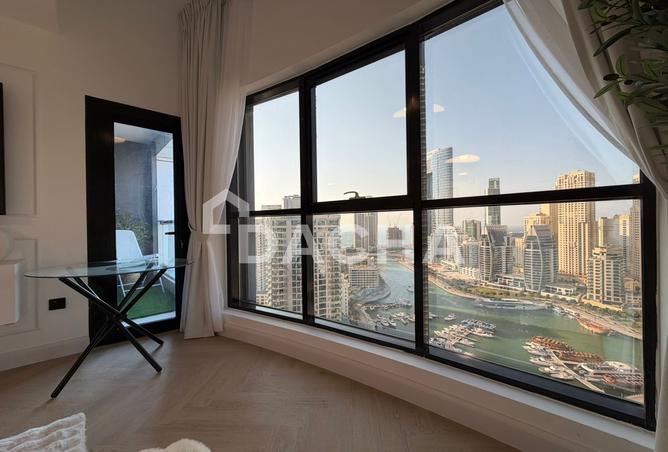
Apartment
Listed 1 month ago
1,390,000 AED
Full Marina View | Fully Upgraded | Corner Unit
Escan Tower, Dubai Marina, Dubai
1
2
746 sqft







Real-World Commute Scenario
To understand how the F16 works in practice, consider this example:
A resident living near Al Waaha Street boards the F16 at 7:30 AM. Within 15–20 minutes, they reach the terminus and transfer to the metro. The total commute into Downtown Dubai might take 45–60 minutes door-to-door, without driving or paying for parking.
For shift-based workers, especially those starting before 8 AM, the early first departure around 4:20 AM ensures accessibility.
Daily Operations & Special Notes
While the F16 runs every day, operating hours and frequency may shift during public holidays, Ramadan or special city events. It’s advisable to check updated schedules during seasonal changes.
- Public holidays may adjust frequency
- Ramadan schedules may vary
- Extreme weather can affect service
Sunday services begin later, which is important for early commuters. Live tracking is available via official RTA apps.
Should You Choose Housing Near the F16?
If you rely on public transport daily, choosing housing near feeder stops is practical. Proximity to routes like the F16 can reduce travel time and eliminate the need for daily driving.
Consider:
- Walking distance to the nearest stop
- Frequency during your commute hours
- Connectivity to metro lines
- Door-to-door travel time versus driving
Key Takeaways
- The F16 bus is a loop feeder route connecting Onpassive Bus Terminus 1 to residential and accommodation areas in Al Quoz.
- Operating daily from early morning until around midnight, it provides reliable connectivity for workers, students and residents who depend on metro transfers.
- With a standard AED 3 fare payable via NOL card, and free metro-to-feeder transfers within 30 minutes, the F16 remains an affordable commuting option.
- For residents of Al Quoz, proximity to this feeder route significantly enhances access to Dubai’s public transport network.
FAQs
Around 25–30 minutes under normal traffic conditions.
Yes, if you transfer within 30 minutes using your NOL card.
Yes, but Sunday service begins later.
No. Payment is via NOL card only.
Yes. All standard NOL card types, including Silver, Gold and Blue, are accepted on the F16.
Yes. The route serves areas near schools in Al Quoz, and students commonly use it for daily travel, especially during weekday mornings.
Yes. While RTA maintains regular frequency, heavy traffic during peak hours can slightly increase journey time.
Yes. Like other RTA buses, the F16 includes designated seating for women, children and people of determination.