



Pakistan has become an increasingly popular destination for travellers from the UAE. From the vibrant streets of Lahore and the cultural heritage of Islamabad to the dramatic landscapes of the Karakoram and Hunza Valley, the country offers a mix of history, nature and adventure. Recent changes to Pakistan’s immigration policies have made travel easier for GCC nationals. UAE citizens can now enter Pakistan without a visa for short visits, while many UAE residents can apply through Pakistan’s digital visa system.
Understanding the latest visa policies is essential before planning a trip. Entry requirements vary depending on nationality, passport type and residency status in the UAE.
This guide explains who can enter Pakistan visa-free, when an e-Visa is required, and how UAE residents can complete the application process.
- Eligibility and visa exemptions
- Visa-free entry for UAE citizens
- Pakistan e-Visa for UAE residents
- Required documents for Pakistan visas
- Step-by-step visa application process
- Visa duration and entry rules
- Important travel tips before visiting Pakistan
- Key Takeaways
- FAQs
Eligibility and visa exemptions for UAE residents

Pakistan introduced new visa policies in August 2024 to simplify entry for travellers from GCC countries.
Under these policies, nationals of GCC countries, including the UAE, can enter Pakistan visa-free for tourism or business purposes for up to 90 days, with multiple entries permitted during that period.
Diplomatic and official passport holders from the UAE are also exempt from visa requirements for short visits.
However, Pakistan’s visa and entry rules differ for UAE residents who are not UAE citizens. These travellers generally need to apply for a visa before travelling.
Until the end of 2025, many GCC residents could travel to Pakistan under the Visa Prior to Arrival (VPA) system or visa on arrival. This scheme allowed simplified entry and, in some cases, waived visa fees.
Starting 1 January 2026, the free VPA option was officially suspended. Most UAE residents who are not UAE nationals must now apply for a paid e-Visa before travelling.
Indian passport holders
Indian citizens residing in the UAE generally cannot apply for a Pakistan e-Visa. Instead, they must apply for a visa through the Pakistan High Commission in Abu Dhabi or the Pakistan Consulate in Dubai.
Applications usually require additional documentation and an in-person submission. Processing times may vary depending on the visa category and supporting documents.
Visa-free entry for UAE citizens
UAE citizens holding ordinary passports can travel to Pakistan without obtaining a visa in advance.
The visa-free policy allows:
- Tourism visits
- Business trips
- Multiple entries
Travellers can stay in Pakistan for up to 90 days per visit under the current GCC travel arrangements. Although a visa is not required, travellers must still present valid travel documents at immigration.
Passport validity must be at least six months from the date of arrival, and travellers may be asked to show proof of accommodation or onward travel.
Pakistan e-visa for UAE residents

UAE residents who are not UAE citizens generally need to apply for a visa before travelling to Pakistan.
Applications are completed online through Pakistan’s Online Visa System (POVS).
The e-Visa system allows travellers to submit documents digitally and receive approval electronically, removing the need to visit an embassy in person. Typical visa processing times range from 7 to 10 business days, although processing can sometimes take longer depending on nationality and application volume.
Visa fees vary depending on the traveller’s nationality and visa category. Since the suspension of the Visa Before Arrival (VPA) system in January 2026, most applicants must apply through the standard e-Visa route.
Typical tourist e-Visa fees range from USD 20 to USD 75 (approximately AED 75–275) depending on nationality.
Required documents for Pakistan visas
Applicants applying for a Pakistan e-Visa from the UAE must submit several supporting documents as part of the online application.
Passport requirements
Your passport must meet standard international travel conditions.
It must:
- Be valid for at least six months beyond the planned date of arrival
- Contain a clear copy of the biographical page
- Include any required residency documentation if applying from the UAE
Failure to meet these conditions may result in delays or rejection of the visa application.
Residency proof for UAE residents
Applicants applying from the UAE must also provide evidence of legal residency.
This normally includes:
- Copy of UAE residence visa
- Copy of Emirates ID (front and back)
- Proof of legal residency in the UAE at the time of application
These documents confirm that the applicant is legally residing in the UAE at the time of application.
Supporting travel documents
Additional documents may be requested depending on the visa category. Typical supporting materials include:
- Recent passport-size photograph.
- Confirmed hotel booking or accommodation reservation.
- An invitation letter from a host in Pakistan (including the host’s CNIC or national ID copy) if staying with family or friends.
- Return or onward travel ticket.
- Recent bank statements (usually the last 3 months) showing proof of sufficient funds.
Providing accurate documentation helps ensure smoother visa processing.
Step-by-step visa application process
UAE residents applying for a Pakistan visa typically complete the entire process online.
Step 1 – Access the Pakistan Online Visa System
Applicants begin by visiting Pakistan’s official Online Visa System portal and selecting the appropriate visa category.
Common visa categories include tourist visas, business visas and family visit visas.
Step 2 – Complete the online application form
Travellers must fill in personal information and upload supporting documents.
Typical details requested include:
- Passport information
- Travel purpose
- Intended duration of stay
- Accommodation details
Step 3 – Upload required documents
Applicants must upload clear digital copies of their documents.
These normally include:
- Passport copy
- Passport photograph
- Accommodation proof or invitation letter
- Flight details
- UAE residency proof (for UAE residents)
Step 4 – Pay the visa fee
Visa fees vary based on nationality and visa type.
Payment is completed online through the official government portal. Travellers should avoid third-party payment services unless verified, as visa scams occasionally target online applications.
Step 5 – Wait for visa approval
- After submission, the application enters the processing stage.
- Most applicants receive a decision within 7–10 business days.
- Once approved, travellers receive an e-Visa confirmation or electronic authorisation that must be presented upon arrival in Pakistan.
Visa duration and entry rules
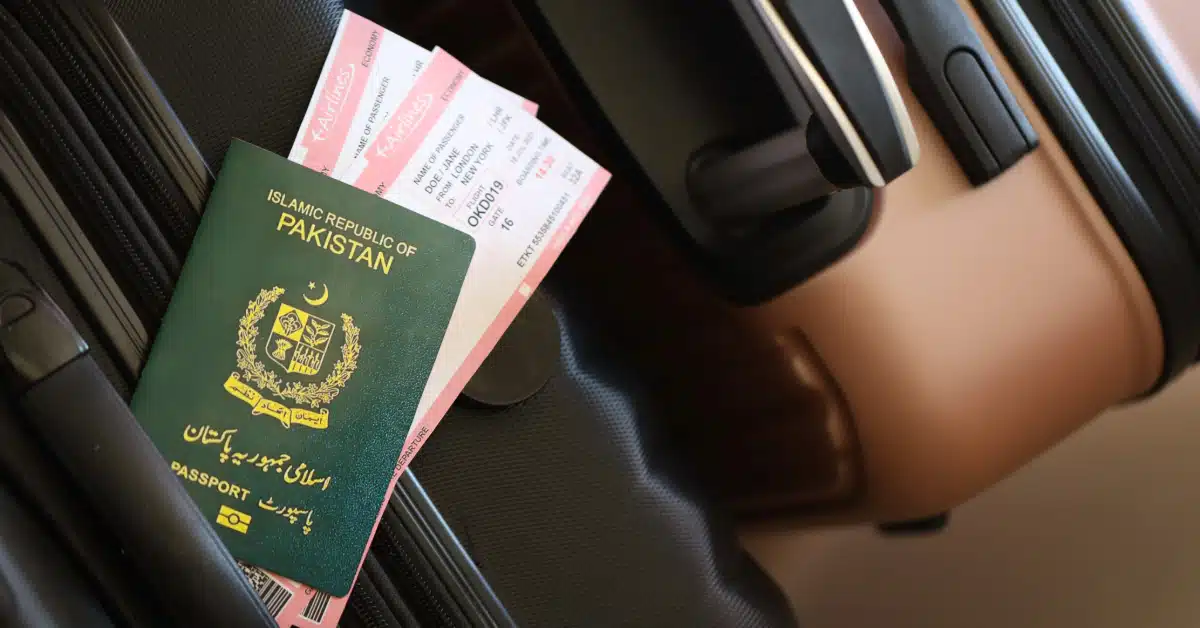
Pakistan visas vary depending on nationality and visa category. The main entry options available to UAE travellers include:
| Category | Eligibility | Duration | Fee |
| Visa-Free Entry | UAE citizens | Up to 90 days | No visa required |
| GCC Nationals | Citizens of GCC countries | Up to 90 days | Visa-free depending on nationality |
| UAE Residents (non-UAE citizens) | UAE residence permit holders | Duration varies | Paid e-Visa required |
| Diplomatic / Official Passport Holders | UAE diplomatic or official passports | Up to 90 days | Visa-free |
Entry conditions may change depending on immigration policies and bilateral agreements. Travellers should always confirm requirements before departure.
Important travel tips before visiting Pakistan
- Travellers from the UAE should prepare their documents carefully before departure.
- Passport validity is one of the most important requirements. Your passport should remain valid for at least six months beyond your intended arrival date.
- Copies of travel documents should also be kept in both digital and printed form.
- Accommodation reservations and return flight confirmations may be requested by immigration authorities upon entry into Pakistan.
- Applying for a visa well in advance is also recommended. Submitting an application at least 10 business days before travel is recommended. During peak travel periods such as Eid holidays or summer travel seasons, processing times may extend to 15–20 working days.
- Because visa policies occasionally change, travellers should verify entry requirements through official government sources before finalising travel plans.
Key Takeaways
- Travel to Pakistan has become easier for UAE residents following recent visa policy updates. UAE citizens can now enter Pakistan visa-free for tourism or business visits lasting up to 90 days.
- However, UAE residents who are not UAE citizens generally need to apply for an e-Visa through Pakistan’s Online Visa System before travelling.
- The application process requires standard documentation, including a passport valid for 6 months, proof of accommodation, return travel details, and UAE residency documentation when applying from the UAE.
- Processing typically takes between seven and ten business days, and travellers should apply early to avoid delays.
- Because visa rules may change, checking official immigration portals before travel is always recommended.
FAQs
Most UAE residents who are not UAE citizens must now apply for a paid e-Visa before travelling.
Yes. UAE passport holders with diplomatic or official passports can enter Pakistan visa-free for short stays of up to 90 days under current bilateral agreements.
Processing typically takes 7 to 10 business days, although timelines may vary depending on nationality and application volume.
Applicants usually need:
– Passport valid for at least six months
– UAE residence permit (if applicable)
– Passport photograph
– Accommodation confirmation or host invitation
– Return or onward travel ticket
Most free visa schemes were suspended in January 2026. As a result, many travellers who previously used the free VPA system must now apply for a paid e-Visa.