



Navigating the capital of the UAE has become more streamlined and technologically advanced with the implementation of the Darb toll system. Introduced officially in early 2021, the system was designed to alleviate traffic congestion and encourage the use of the city’s growing public transport network. The system is part of a broader effort to modernise urban transit and manage the flow of the millions of vehicles that traverse the emirate’s roads every year. Unlike other systems in the region, Darb utilises sophisticated licence plate recognition technology, removing the need for physical stickers or RFID tags on your windscreen.
- The Mechanics of the Darb Abu Dhabi System
- Primary Toll Gate Locations and the 2026 Expansion
- Operating Times and Peak Hour Schedules
- 24-Hour Operation for New Toll Gates
- Understanding Toll Fees and Account Registration
- Managing Out-of-Emirate Vehicle Registration
- Automatic and Application-Based Exemptions
- Fines and Penalties for Violations
- How to Register and Manage Your DARB Account
- Alternative Routes to Avoid New Toll Gates
- Common Darb Mistakes to Avoid
- Darb Toll Quick Overview (2026)
- Key Takeaways
- Frequently Asked Questions
The Mechanics of the Darb Abu Dhabi System
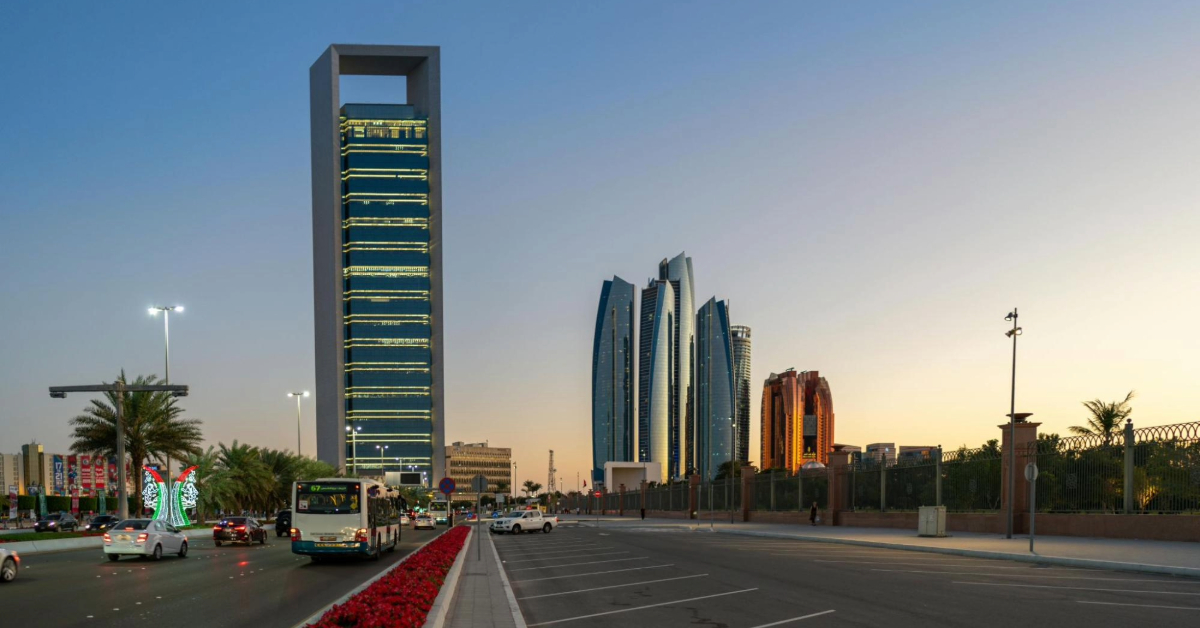
The DARB system was established under Law No. (17) of 2017 to manage the flow of vehicles across the city’s major arteries. The name “Darb” translates to “path” or “road” in Arabic, reflecting its role in directing the city’s transport future. The system automatically identifies vehicles as they pass under the gantries, deducting the relevant fee from a pre-funded electronic wallet. This hands-free approach allows for uninterrupted travel, though it requires motorists to be diligent about maintaining a sufficient balance in their accounts.
Primary Toll Gate Locations and the 2026 Expansion
For several years, the Darb system was focused exclusively on the four bridges that connect Abu Dhabi Island to the mainland. These original gates are located at the Sheikh Zayed Bridge, Sheikh Khalifa bin Zayed Bridge, Al Maqtaa Bridge, and Mussafah Bridge. However, as of May 4, 2026, the Integrated Transport Centre (ITC) has activated two additional gates to manage expanding urban traffic. The first new addition is the Ghantoot Toll Gate, located on Sheikh Maktoum bin Rashid Street near the border with Dubai. The second is the Al Qurm Toll Gate, situated on Wahat Al Karama Street at the entrance and exit of Sheikh Zayed Street.
Operating Times and Peak Hour Schedules
The charging schedule for Darb is divided into peak and non-peak periods to incentivise travel during quieter times of the day. For the original four bridge gates, tolls are only active from Monday to Saturday during the morning peak (7:00 AM to 9:00 AM) and the evening peak (3:00 PM to 7:00 PM). Outside of these specific hours, as well as all day on Sundays and public holidays, crossing the original bridge gates is free of charge. This structure allows residents living in Abu Dhabi to plan their commutes more effectively to avoid unnecessary costs.
24-Hour Operation for New Toll Gates
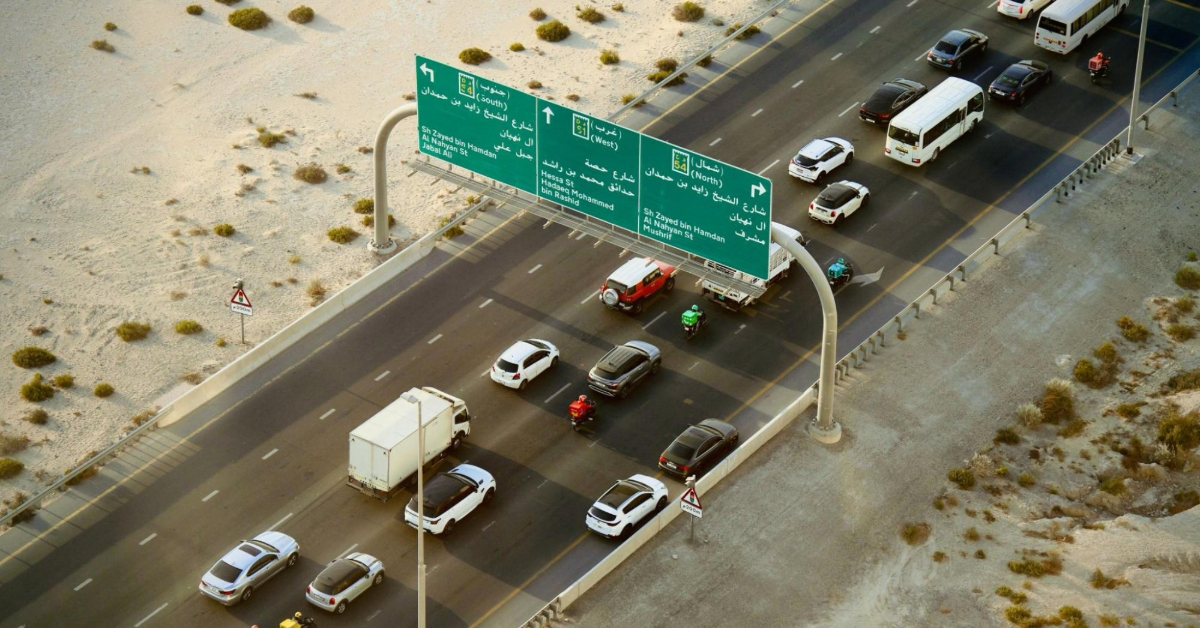
It is crucial for motorists to note that the two new gates activated in May 2026—Ghantoot and Al Qurm—operate differently from the original four. Unlike the bridge gates, these new installations are active 24 hours a day, seven days a week. Every crossing under these specific gates will incur a fee regardless of the time of day or whether it is a public holiday. This shift highlights the city’s evolving strategy to manage high-density transit routes that connect the capital to its northern neighbours and eastern suburbs.
Explore the Available Properties for Rent in Al Qurm


Understanding Toll Fees and Account Registration
The cost for a single crossing through any active Darb toll gate is AED 4. It is important for drivers to be aware that as of September 1, 2025, the previous daily and monthly fee caps have been entirely removed. This means there is no longer a maximum limit on how much a private vehicle can be charged in a single day or month. For new residents or those purchasing villas for sale in Abu Dhabi, the initial registration fee is AED 100 per vehicle. Of this amount, AED 50 is immediately credited back into your Darb account wallet to be used for future tolls.
Managing Out-of-Emirate Vehicle Registration
The Darb system applies to every vehicle passing through the gates, regardless of which emirate the license plate was issued in. If you are driving a vehicle registered in Dubai, Sharjah, or elsewhere, you must still create a Darb account and register the vehicle. Failure to do so before passing under a gate will result in fines. For business owners who manage fleets or utilize commercial vehicles in Abu Dhabi, ensuring all corporate vehicles are registered under a unified account is vital to avoid administrative penalties and logistical delays.
Automatic and Application-Based Exemptions
The Abu Dhabi government provides a comprehensive list of exemptions to support specific community segments and essential services. Public transport buses, school buses, ambulances, police vehicles, and civil defence units are automatically exempt from tolls. Furthermore, certain individuals can apply for an exemption for one vehicle per person or family. This includes People of Determination, senior citizens (UAE nationals), retired citizens, and low-income UAE families. Eligible residents can submit their applications through the official Darb website or the mobile application by providing the necessary supporting documentation.
Fines and Penalties for Violations
To maintain the integrity of the system, strict fines are in place for non-compliance. Passing through a gate with an unregistered vehicle leads to a staggered fine: AED 100 for the first day, AED 200 for the second day, and AED 400 for every subsequent crossing. For vehicles registered outside of Abu Dhabi, if the account balance is insufficient at the time of crossing, there is a five-day grace period to top up the wallet. If the balance remains insufficient after this period, a fine of AED 50 per day will be applied. More serious violations, such as plate tampering or damaging toll equipment, can result in significantly higher financial penalties.
How to Register and Manage Your DARB Account
Registering for Darb Abu Dhabi is a straightforward digital process that can be completed via the official portal, the Darb mobile app, or the TAMM service. To begin, you will need a valid Emirates ID, your traffic file number, vehicle registration details, and a registered mobile number. Once the AED 100 fee is paid and the account is active, you can easily top up your balance using a credit or debit card. It is highly recommended to enable “auto-top up” features to ensure you never fall below the required balance, especially if you frequently commute between the city and residential hubs.
Alternative Routes to Avoid New Toll Gates
For motorists looking to bypass the latest toll gates, several alternative routes remain available. To avoid the Al Qurm gate, drivers can utilise Sheikh Rashid bin Saeed Street or Arabian Gulf Street to enter or exit the main city areas. For those commuting from Dubai who wish to avoid the Ghantoot gate, Sheikh Mohammed bin Rashid Al Maktoum Street (E311) serves as a primary alternative to the E11. While these routes may add a few minutes to your journey during peak hours, they provide a toll-free option for those looking to manage their transport expenses more tightly.
Common Darb Mistakes to Avoid
- Driving without registration
- Forgetting to top up the wallet
- Assuming Dubai plates are automatically registered
- Missing rental car toll clauses
- Ignoring new toll gate 24/7 charges
- Confusing Darb with Salik rules
Darb Toll Quick Overview (2026)
| Item | Details |
|---|---|
| Standard Toll Fee | AED 4 per crossing |
| Registration Fee | AED 100 |
| Wallet Credit | AED 50 returned after registration |
| Original Toll Gates | Sheikh Zayed, Sheikh Khalifa, Al Maqtaa, Mussafah |
| New Toll Gates | Ghantoot + Al Qurm |
| Peak Hours | 7 AM–9 AM and 3 PM–7 PM |
| Free Days | Sundays + Public Holidays (original gates only) |
| Fine for Unregistered Vehicle | AED 100 → AED 200 → AED 400 |
Key Takeaways
The Darb Abu Dhabi toll system represents a sophisticated approach to urban traffic management, with its latest expansion in May 2026 reflecting the city’s growth. By charging AED 4 per crossing and implementing 24-hour tolls at key locations like Ghantoot and Al Qurm, the system encourages more efficient travel patterns. While the removal of daily and monthly caps requires more careful budgeting for frequent commuters, the ease of digital registration and the availability of alternative routes ensure the system remains accessible. Staying informed about peak hours for bridge gates and ensuring your Darb wallet is consistently topped up will help you navigate the capital with confidence and avoid unnecessary fines.
Frequently Asked Questions
Yes, all vehicles must be registered in the Darb system if they use the toll roads in Abu Dhabi. Even if you are visiting from Dubai or Sharjah for a day, you must have an active account with a sufficient balance to avoid non-registration fines.
No, the original four gates—Sheikh Zayed, Sheikh Khalifa, Al Maqtaa, and Mussafah—remain free of charge outside the peak hours of 7:00 AM to 9:00 AM and 3:00 PM to 7:00 PM, Monday to Saturday. They are also free on Sundays and public holidays.
Yes, the Ghantoot and Al Qurm gates, which were activated on May 4, 2026, operate on a 24/7 basis. Every crossing through these gantries will result in a deduction of AED 4, regardless of the time or day.
Many visitors arriving through Abu Dhabi airports or driving from Dubai use rental vehicles. In most cases, the rental company pays the Darb toll first, then charges the renter later along with an additional admin fee depending on the provider. Always check your rental agreement to understand toll charges, Salik fees, and delayed billing policies before driving.
You can check your Darb wallet balance through:
1. TAMM
2. Darb mobile app
3. Integrated Transport Centre website
4. Customer service support
It is recommended to activate auto top-up to avoid insufficient balance fines.
As of September 1, 2025, there is no maximum cap on toll fees. Motorists will be charged AED 4 for every single crossing during active hours, and there is no daily limit (previously AED 16) or monthly ceiling.
Unregistered vehicles are fined AED 100 for the first day they pass through a gate. This increases to AED 200 on the second day and AED 400 for the third day onwards. Drivers are encouraged to register as soon as they purchase a new vehicle.
No. Even if you are visiting Abu Dhabi for only one day from Dubai, your vehicle must be registered in the Darb system before using toll roads to avoid penalties.