



Renting in Dubai offers a comfortable lifestyle at competitive prices, though rental disputes can sometimes arise. These disputes happen when landlords or tenants breach the tenancy contract. The final resort to resolve such cases is to file a rental dispute in Dubai with the Rental Dispute Centre (RDC).
In this guide, learn all about:
- Understand the Rental Disputes Centre (RDC)
- Types of rental disputes
- How to file a rental dispute in Dubai
- Process of filing a rental dispute with RDC
- Step-by-step process to resolve a rental dispute in Dubai
- Important considerations and best practices
- Key takeaways
- FAQs
Understand the Rental Disputes Centre (RDC)

The Rental Disputes Centre (RDC), established under Decree No. 26 of 2013, is Dubai’s specialised judicial body for resolving rental conflicts in line with Real Estate Regulatory Authority (RERA) regulations. It has exclusive authority over most tenancy disputes, except those involving financial lease agreements or properties in free zones with their own dispute systems.
What is the RDC in Dubai?
The Dispute Settlement Centre (RDC) is structured into several departments, including the Amicable Settlement Department, First Instance Department, Appeal Department, and the Court of Cassation route for eligible high-value cases.
This structure ensures that disputes can be managed progressively, starting from reconciliation and moving to formal judgments only when needed.
As a tenant or a landlord, ensure that the reason for the dispute is valid. For instance, calculate the authorised rent increases using the RERA rental calculator, whether you are renting a villa in Mirdif, a studio in Business Bay, or a 3-bedroom apartment for rent in Dubai. Learn about the legal rules under which a landlord can evict a tenant or increase rent.
Why use the RDC?
Dubai’s rental market is considered one of the most regulated and transparent in the region, and the RDC helps maintain this by offering an accessible, efficient dispute resolution mechanism for both landlords and tenants. Most straightforward cases are resolved within weeks, especially when documentation is strong, and both parties cooperate with the process.
Types of rental disputes

The Dubai Land Department (DLD) oversees property-related processes to ensure smooth transactions for residents. Within the DLD, the Real Estate Regulatory Authority (RERA) has set clear tenancy laws aimed at protecting the rights of both tenants and landlords. The Law No. (33) of 2008 outlines the main types of rental disputes, as listed below:
- Illegal rent increases
- Unpaid rent
- Subletting property
- Lack of property maintenance by the landlord
- Security deposit refund
- Renting out an apartment in bad condition
- Cutting off essential supplies or restricting the entry of tenants to certain areas of a property
- Property damage
- Unfair evictions, such as immediate tenant eviction for selling a property
These disputes generally fall under the jurisdiction of the RDC, provided the property is not located in a free zone with its own dispute committee, and the agreement is not structured as a financial lease contract.
How to file a rental dispute in Dubai?
Filing a rental dispute in Dubai is seamless with online and in-person options. Let’s first learn about the required documents and fees.
Required documents
Gather the important documents to complete the application process easily. Please ensure that all the documents are translated into Arabic. Here is the list of must-have documents:
- Copy of Emirates ID (tenant)
- Passport copy (tenant and landlord)
- Residence visa copy (tenant)
- Copy of commercial licence (business)
- Copy of last Ejari
- Copy of the title deed of the property
- Bank statement with Plaintiff’s IBAN or a letter issued by the bank
- Any supporting document relevant to the case, such as bills, notices, correspondence, cheques, and letters
- Copy of eviction notice sent by the landlord via registered post with acknowledgement of the tenant (if applicable)
In addition to the above, it is important to provide clear proof of rent payments (such as bank transfers or cheque copies), records of maintenance complaints, and evidence of any communication between the parties about the dispute.
All documents on which you rely must be submitted in Arabic, so official legal translations of foreign-language documents are required before filing the case.
Service fees

The service fees for filing a rental dispute with RDC include:
- Rental disputes: 3.5% of the annual rental value. This fee can be a minimum of AED 500 and a maximum of AED 20,000.
- Monetary claims: The service fee is 3.5% of the claimed amount. This cost can be a minimum of AED 500 and a maximum of AED 15,000.
- General fees: In addition to these core fees, there may be small administrative charges such as knowledge and innovation fees or service charges, which are calculated at the time of filing and shown on the payment summary.
Since some minor fees may change over time, it is best to refer to the official Dubai Land Department or RDC platforms for the latest schedule of fees before submitting your case.
Process of filing a rental dispute with RDC
Using the RDC or DLD website or visiting service centres are two ways to file a rental dispute in Dubai. Let’s discuss both processes:
1. File Via RDC service centres
RDC has established multiple service centres, also known as service trustees, where you can file a rental dispute. The process involves these steps:
- Visit one of the RDC centres.
- Head to the counter and ask the staff about the rental dispute service.
- Provide the documents to the concerned person.
- Wait for a review of the documents.
- Pay the fees in cash and receive a payment receipt.
- All set, the next step is issue resolution.
Service trustee centres can assist with typing, checking documents, and submitting your case into the RDC system on your behalf, which can be useful if you are unfamiliar with the online portal or legal terminology.
Because locations and working hours may change, it is recommended to check the Dubai Land Department or RDC website for up-to-date details on service centres before visiting in person.
Main centre location
Dubai Land Department, Baniyas Road, Riggat Al Buteen, Deira, Dubai, UAE
Working hours
- 07:30 am to 03:00 pm: Monday to Thursday
- 07:30 am to 12:00 pm: Friday
Contact
Phone: +9718004488
2. File via the RDC or DLD website
DLD and RDC have simplified the process with their online application systems. Here is how to quickly file a dispute online:
- Visit the official Dubai Land Department website and access the Rental Dispute Resolution or RDC service section.
- Create an account or log in using your Emirates ID-linked profile.
- Choose the relevant rental dispute service (such as registering a new rental case).
- Fill out the online form, upload all required documents in PDF format, and pay the applicable fees using approved payment methods such as Noqodi or credit/debit cards.
Track your case
Complainants can easily track their rental dispute case by visiting the DLD official website. Under the ‘Home’ section, click on ‘RDC’, then click on ‘Track Your Case’. Enter your case number, case type, and year to view the status.
Once registered, hearings may be conducted using the RDC’s tele-litigation system, allowing parties to attend sessions remotely and receive notifications, updates, and judgments through the online platform.
Step-by-step process to resolve a rental dispute in Dubai
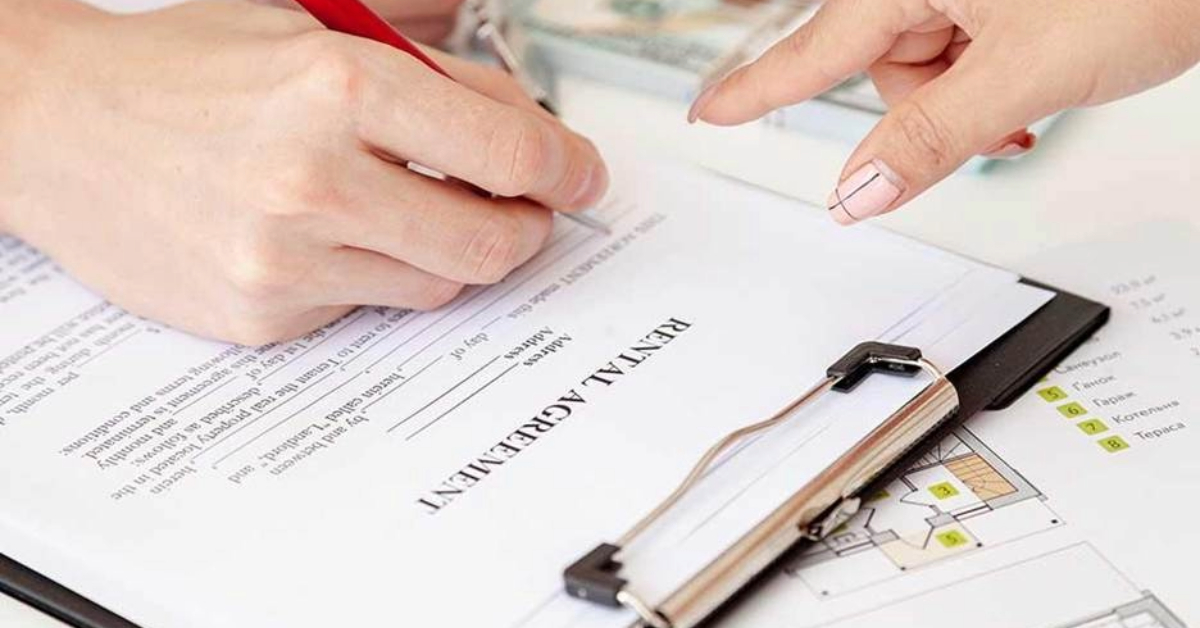
Now that an individual has filed a dispute, what’s next? Here is the RDC dispute resolution process, which starts from an initial discussion:
Step 1: Attempt amicable resolution
Before filing a formal complaint, you should always attempt to resolve the issue directly with the opposing party. Document all communication through emails, messages, or written correspondence, as this evidence will be crucial if you need to escalate the matter. This initial step demonstrates good faith and is often recommended by the RDC.
Step 2: Lodge a rental dispute with the RDC
If direct communication fails, the next step is to formally register your case with the RDC. You can file in two ways:
- In-person filing:
Visit the RDC head office with all required documents. A typist will assist you in lodging the complaint and guide you through the process.
- Online filing:
Visit the official Dubai Land Department (DLD) website and access the Rent Dispute Resolution Portal. Fill in the required information, upload documents, and pay the applicable fees online. With online filing, you may attend hearings through the tele-litigation system and receive your verdict on the website.
Step 3: Reconciliation / Amicable Settlement Department
Once your case is registered, it is automatically referred to the Reconciliation (Amicable Settlement) Department. A conciliator will attempt to mediate between you and the opposing party to reach a mutual agreement.
This phase typically lasts up to 15 days, though the period may be extended at the discretion of the supervising judge. If both parties reach an agreement, the terms are documented, signed by both parties and the conciliator, and approved by the supervising judge. This settlement becomes legally binding and enforceable.
Step 4: First instance hearing
If reconciliation efforts fail, your case proceeds to the First Instance Department. This department consists of committees chaired by a judge, alongside two members with legal and real estate expertise.
During this phase:
- Both parties appear and file memoranda outlining their claims, defences, and evidence.
All proceedings are conducted in Arabic, and all supporting documents must have official Arabic translations. - Arguments and evidence are primarily submitted in written form.
- The panel reviews all submissions.
A judgment is usually delivered within 30 days.
Step 5: Appeal process
If you disagree with the First Instance judgment, you may file an appeal within 15 days of the decision—provided the disputed amount exceeds AED 100,000 or pertains to an unspecified value. Appeals require a deposit of 50% of the awarded amount.
The Appeal Department reviews the case and issues a final decision, which is conclusive unless the case qualifies for Cassation.
Step 6: Court of Cassation (final appeal)
If the value of the tenancy dispute exceeds AED 330,000, the case may be escalated to the Court of Cassation. The appeal must be filed within 30 days of the Court of Appeal’s judgment. The Court of Cassation reviews the case and issues a final, binding ruling based on the evidence presented.
Important considerations and best practices
- Language requirement: All RDC proceedings are conducted in Arabic, so pleadings and evidence must be submitted in Arabic or accompanied by certified translations.
- Documentation is critical: Keep thorough records of communication, payments, and maintenance requests. Strong documentation significantly improves your case. You can also use Property Finder’s Data Guru to quickly check community prices and historical transactions to support your case with accurate market data.
- Professional representation: Legal representation isn’t mandatory, but hiring a lawyer familiar with Dubai rental laws can be helpful, especially in complex or high-value disputes.
- Compliance with judgments: RDC decisions are legally enforceable through Dubai courts, and both parties are required to comply with the final judgment.
Key takeaways
The Rental Disputes Centre (RDC) provides a structured, transparent system for resolving rental conflicts in Dubai, beginning with amicable negotiation and progressing through formal stages only when necessary. Filing can be done online or in person, with fees capped at 3.5% of annual rent, and judgments are issued within defined timelines across reconciliation, first instance, and appeal stages. Strong documentation, Arabic-compliant filings, and timely action are essential, and all RDC decisions are legally binding and enforceable through Dubai courts.
FAQs
Communicate the issue with your landlord and try to reach an agreement. However, if the issue persists, file a complaint with the RDC.
Visit the Rental Dispute Centre or apply online via the RDC or DLD website. Submit the document and pay the fees to file a rental dispute in Dubai.
If the issue is resolved out of court before the hearing, it nullifies the case. Tenants and landlords can also apply online for withdrawal from the case before the hearing through the DLD website.
That was all about the process of filing a rental dispute in Dubai. This process can help you resolve differences and reach a mutually agreeable solution in a dispute.