



Getting a deposit back should be straightforward, but in Dubai, it often depends on preparation. The good news is that the law is clear on the basic principle. A security deposit is meant to protect the property against real damage, not to become an automatic landlord profit. Under Dubai’s tenancy rules, the property should be handed back in the same condition as it was received, apart from normal wear and tear.
That is why how to get your security deposit back is really about two things. First, know the law. Second, document everything from day one. If you do that, getting your security deposit back becomes much easier, especially when you are getting your security deposit back in Dubai after a full tenancy cycle with Ejari, inspections, and utility clearances.
- Legal Foundations You Need to Know
- Standard Deposit Amounts & What Contracts Usually Require
- Step-by-Step Process to Maximise Your Chances of a Full Refund
- What Landlords Can and Cannot Deduct from Deposits
- Timeline & Expected Return Period
- If the Landlord Refuses or Delays Refund
- Common Problems & How to Avoid Them
- Sample Email Template to Request Deposit Return
- Key Takeaways
- FAQs
Legal Foundations You Need to Know
Dubai’s tenancy framework is set out in Law No. 26 of 2007, as amended by Law No. 33 of 2008. Article 20 allows the landlord to take a security deposit at the start of the lease, but it also requires the landlord to return that deposit, or any remaining balance, when the lease ends. Article 21 then says the tenant must hand the property back in the same condition it was received, except for ordinary wear and tear or damage outside the tenant’s control. If there is a dispute, it goes to the tribunal.
In practical terms, this means the deposit is meant for genuine maintenance or proven damage, not for vague claims. It also means the landlord needs a reason if they want to keep part of the money. The lease, the Ejari record, and the handover condition all matter. Ejari is the official tenancy registration system in Dubai and is the first step in regulating the lease process.
Standard Deposit Amounts & What Contracts Usually Require
In Dubai, the deposit amount is usually set by market practice and the tenancy agreement. It is common for unfurnished homes to require around 5% of annual rent, while furnished homes often require around 10% because furniture and fittings carry a higher risk of damage. The same pattern is often used for villas, although the exact figure can change depending on the property and contract.
- Unfurnished apartment: usually about 5% of annual rent.
- Furnished apartment: usually about 10% of annual rent.
- Unfurnished villa: usually about 5% of annual rent.
- Furnished villa: usually about 10% of annual rent.
Before signing, check the tenancy contract and the Ejari registration so the deposit amount is written down clearly. That small step can save a lot of trouble later.
Explore the Available Apartments for Rent in Dubai
-
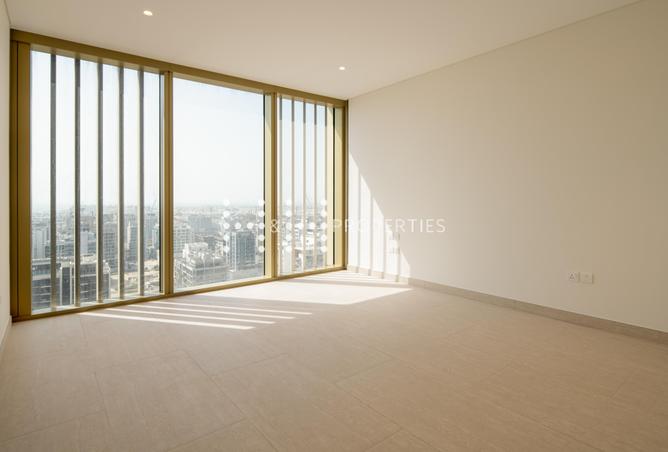
Apartment
Listed 2 months ago
170,000 AED/year
Exclusive Offer - 2 Months Rent Free | Sea View
City Tower 1, City Towers, Sheikh Zayed Road, Dubai
1
2
1,173 sqft
-


Apartment
Listed 7 days ago
138,000 AED/year
TURNKEY | DUAL VIEWS | MULTIPLE CHEQUES
Palace Beach Residence Tower 1, Palace Beach Residence, Emaar Beachfront, Dubai Harbour, Dubai
1
1
726 sqft
-
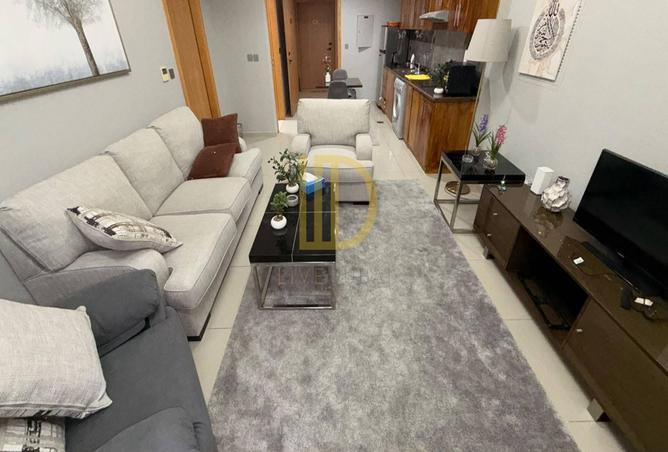
Apartment
Listed 1 week ago
60,000 AED/year
Prime Location | 2 Full Bathroom | Vacant
Lincoln Park Northside, Lincoln Park, Arjan, Dubai
1
2
828 sqft
-


Apartment
Listed 6 days ago
134,999 AED/year
SPACIOUS | LAUNDRY ROOM | AVAILABLE FROM 1ST MAY
Legacy by Sunrise, Arjan, Dubai
2
3
1,217 sqft
-
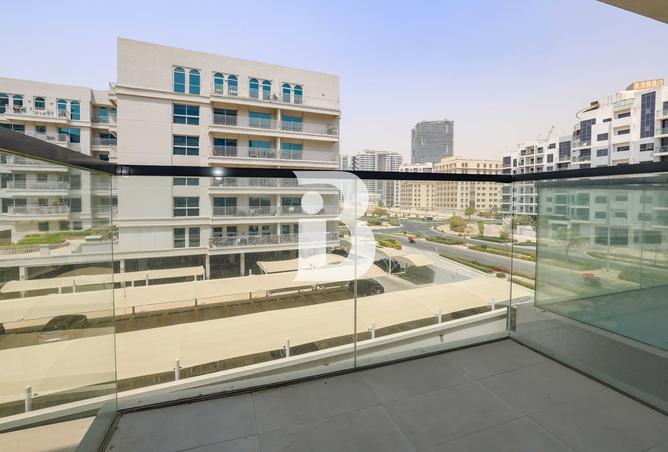

Apartment
Listed 6 days ago
110,000 AED/year
Open view | Fully Furnished | high floor
Welcome Residency, Arjan, Dubai
2
3
1,345 sqft
-
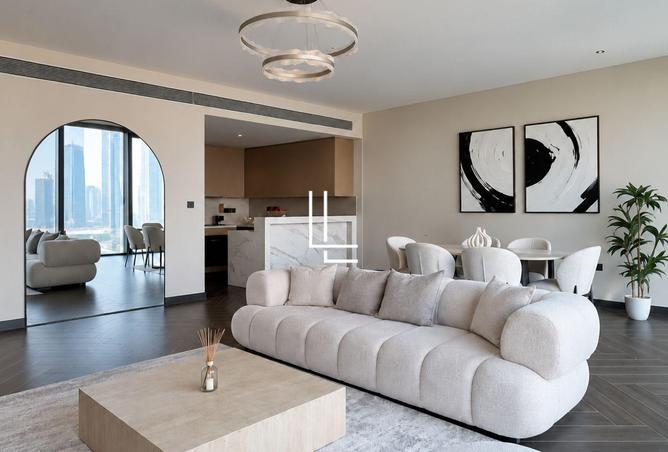

Apartment
Listed 5 days ago
320,000 AED/year
Furnished I Contemporary | Ready To Move
One Za'abeel The Residences, Zabeel 1, Zabeel, Dubai
1
1
1,159 sqft
-


Apartment
Listed 2 weeks ago
1,200,000 AED/year
Exclusive | Ocean View | Top Floor | Corner Unit
Serenia Living Tower 2, Serenia Living, Palm Jumeirah, Dubai
4
5
4,461 sqft
-
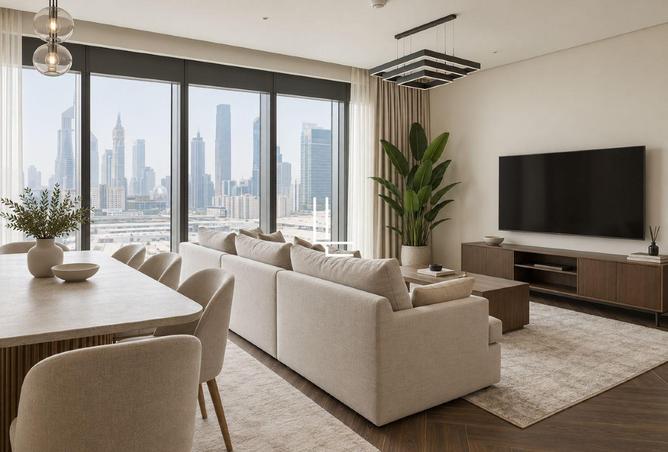
Apartment
Listed 1 week ago
425,000 AED/year
Furnished | Burj Khalifa View
One Za'abeel The Residences, Zabeel 1, Zabeel, Dubai
2
3
1,782 sqft
-


Apartment
Listed 4 days ago
89,999 AED/year
FULL MARINA VIEW - PREFECT CONDITION - VACANT
Continental Tower, Dubai Marina, Dubai
1
2
725 sqft
-


Apartment
Listed 7 days ago
318,000 AED/year
Terrace Home | 3 BR+M Apt | Full Golf Course Views
Al Badia Living Building B, Al Badia Living, Dubai Festival City, Dubai
3
5
3,319 sqft
Step-by-Step Process to Maximise Your Chances of a Full Refund
Before Move-In
Start with the paperwork. Keep a copy of the Ejari-registered lease that shows the deposit amount and the lease terms. Dubai’s tenancy guide explains that Ejari is the formal registration system for tenancy contracts, so it is your main reference point if a dispute arises later.
Then do a proper condition check. Take date-stamped photos and videos of every room, wall, appliance, fixture, key, and access card. Record any stains, cracks, chips, broken fittings, or missing items. A simple inventory list helps, too. The stronger your opening record, the harder it is for anyone to claim damage that was already there.
You should also confirm in writing who pays which bills, including DEWA, chiller, and internet. Keep the clause on normal wear and tear as clear as possible. If you can agree on these points in writing at the start, the end of the tenancy is much easier to manage.
During Tenancy
If something breaks, report it in writing as soon as possible. Save emails, WhatsApp messages, and receipts for approved repairs. This shows that you acted responsibly and did not ignore a problem until move-out. That is important because neglect can weaken your position if the landlord later says the damage became worse over time.
Keep the property clean and avoid unauthorised changes. Do not drill, paint, or replace fixtures without written approval. If you make improvements without consent, the restoration cost may be deducted from your deposit.
At Move-Out
Give your notice on time and check the contract for the required period. In many Dubai leases, tenants and landlords follow notice periods of 30 to 90 days, depending on the agreement. Then arrange a joint handover inspection and walk through the property together with a checklist.
Take new photos and videos on the day you leave. Return all keys, access cards, and remote controls. Clear final DEWA and other utility bills, and ask for clearance letters or final invoices where possible. Leave the property clean and repair any damage that goes beyond normal use.
What Landlords Can and Cannot Deduct from Deposits

Landlords may deduct amounts for real damage beyond normal wear and tear. That can include broken fixtures, holes in walls, misuse of appliances, or damage caused by negligence. They may also deduct unpaid utility bills or the cost of missing keys and access cards if those items were originally provided.
By contrast, they should not deduct for ordinary use. Minor scuffs, faded paint, and normal ageing are part of tenancy life. Routine cleaning is also not a fair deduction unless the property is left excessively dirty. If the landlord wants to deduct cleaning or repairs, they should be able to explain the cost and link it to the actual condition, not just a general complaint.
A useful rule of thumb is this: if the issue is a sign of living in the property normally, it is likely wear and tear. If it is damage caused by misuse, neglect, or an unauthorised change, it is more likely to be deductible.
Timeline & Expected Return Period
Dubai tenancy law does not set a fixed number of days in the main articles for refunding a security deposit, but the amended law is commonly understood to require return within one month of the tenancy ending. In practice, many deposits are returned within two to four weeks if the handover is smooth, the final bills are cleared, and there is no dispute.
If there is a dispute, the process can take longer. The Rental Disputes Centre handles rental disputes in Dubai and has exclusive jurisdiction over these matters, so a contested case may move at the speed of the case file rather than the move-out date.
If the Landlord Refuses or Delays Refund
The best first step is a formal written request. Send an email or registered letter stating the move-out date, the lease reference, the amount of the deposit, and the deadline for payment. A 7 to 14-day deadline is a reasonable starting point for a response. Quote Articles 20 and 21 of Law No. 26 of 2007, as amended.
If that does not work, file a claim with the Rental Disputes Centre. The RDC is Dubai’s specialised system for rental disputes, and it provides a formal route for tenants and landlords to settle disagreements. It also offers e-services, so some steps can be completed online or through service centres.
The fee for a writ of payment claim is 3.5% of the claimed amount, with a minimum of AED 500 and a maximum of AED 15,000. If you use a Real Estate Services Trustees Centre, additional partner service fees and VAT may apply. This is useful to know before filing, because the process has a real cost.
Before filing, collect everything: the Ejari contract, deposit receipt, move-in and move-out photos, inventory checklist, final utility bills, clearance letters, and all written communication with the landlord. Gulf News and other tenant guides consistently stress that strong documentation is the difference between a weak claim and a strong one.
Common Problems & How to Avoid Them
The most common mistake is failing to document the property at move-in. Without photos and a checklist, it becomes your word against the landlord’s. Another problem is agreeing to vague contract wording, such as a “non-refundable deposit” clause. In a regulated tenancy market, that kind of wording can create confusion and dispute.
A third issue is leaving the home late or returning the keys after the agreed-upon handover date. That can lead to extra charges, especially if the landlord says the delay caused loss of use or extra management work. Staying on schedule is one of the simplest ways to protect your deposit.
Sample Email Template to Request Deposit Return

Subject: Security Deposit Refund Request – [Property Address]
Dear [Landlord’s Name],
I vacated the property at [full address] on [move-out date], and we completed the handover inspection on [date]. Please return the full or remaining security deposit of AED [amount] within [7 to 14] days, in line with our Ejari-registered tenancy contract and Dubai tenancy law.
Attached are the supporting documents:
- Move-in and move-out photos
- Ejari contract and deposit receipt
- Final utility bills and clearance letters
- Key and access card return confirmation
Please also share an itemised list if you believe any deductions are required.
Kind regards,
[Your Name][Contact Information]Key Takeaways
Getting your deposit back is much easier when you treat the tenancy like a file from day one. Dubai law allows a security deposit, but it also requires the landlord to return it at the end of the lease, except where there is real damage beyond normal wear and tear.
The safest approach is to document the property before move-in, maintain written records during the tenancy, clear all utilities, and complete a joint move-out inspection. If the landlord still delays or refuses, the RDC gives you a formal route to challenge the issue.
For most tenants, the process is not about fighting. It is about showing evidence. That is the real answer to how to get your security deposit back in Dubai.
FAQs
Normal wear and tear includes things like light scuffs, faded paint, and minor ageing from ordinary use. Dubai tenancy law protects tenants from deductions for this kind of condition.
The amended law is commonly understood to require return within one month of the tenancy ending, although many refunds happen sooner when there is no dispute.
Ask for an itemised explanation in writing and then escalate to the Rental Disputes Centre if the issue is not resolved. Keep all evidence, especially the Ejari contract and your photos.
Only if the property is left excessively dirty and the cost is justified. Routine cleaning is not the same as damage.
Yes. Ejari is the official tenancy registration system in Dubai and is central to proving the lease terms, deposit amount, and contract dates.