



Dubai’s transport network is undergoing one of its most ambitious expansions to date, and at the centre of this evolution is the Dubai Creek Harbour metro station. Officially named Emaar Properties Station under a long-term naming rights agreement, this landmark development is set to redefine how residents and visitors move across the city.
More than just another stop on the map, the station is positioned as a gateway between historic Dubai Creek and the city’s future-facing waterfront districts. As part of the upcoming Dubai Metro Blue Line, it will play a vital role in improving connectivity, reducing congestion, and supporting long-term urban growth.
In this guide, you’ll find:
- Introduction to Emaar Properties Station
- Key Design & Architectural Features
- Blue Line Overview & Network Integration
- Transport Connectivity & Commuter Experience
- Impact on Urban Planning & Real Estate
- Key Specifications & Comparative Table
- Challenges & Things to Watch
- Key Takeaways
- Frequently Asked Questions (FAQs)
Introduction to Emaar Properties Station
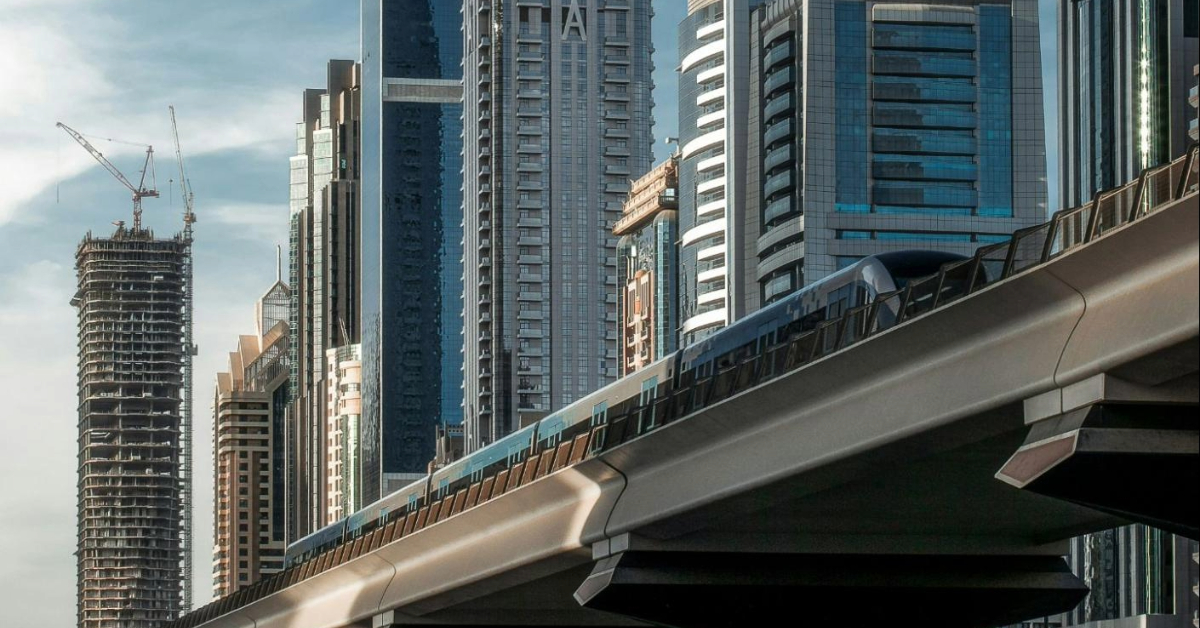
The Dubai Creek Harbour metro station is officially known as Emaar Properties Station, following a 10-year naming rights agreement announced by Emaar. While the formal name reflects the partnership, the station is widely recognised by its location-driven identity, serving the rapidly developing Dubai Creek Harbour district.
The station forms part of the Dubai Metro Blue Line, a major new addition to the city’s rail network. The Blue Line is scheduled to open to the public on September 9, 2029, marking a significant milestone in Dubai’s transport infrastructure.
Strategically located, the station will serve Dubai Creek Harbour and the surrounding areas, including the vicinity of Creek Tower, Dubai Festival City, and several waterfront residential and commercial districts. Its placement reinforces Dubai Creek Harbour’s role as a key urban hub, connecting established neighbourhoods with emerging communities.
Key Design & Architectural Features
One of the defining aspects of the Dubai Creek Harbour Metro Station is its architecture. Designed by global architectural firm Skidmore, Owings & Merrill (SOM), the station draws inspiration from Dubai Creek’s historic role as a trading waterway and reinterprets it as a modern gateway into the city’s future.
At 74 metres tall, Emaar Properties Station will become the tallest metro station in the world, setting a new global benchmark for transit architecture. The structure is designed to be instantly recognisable on Dubai’s skyline, balancing monumentality with functional performance.
The station spans approximately 11,000 square metres and is projected to handle around 160,000 passengers daily by 2040. This scale reflects its role not just as a local stop, but as a major interchange and destination within the metro network.
Material choices play a central role in the station’s design. The palette includes Jura limestone, bronze-toned metal panels, and extensive glazing that allows natural light to penetrate deep into the interior. These elements are intended to enhance both visual impact and thermal performance, creating comfortable, light-filled spaces while responding to Dubai’s climate.
Blue Line Overview & Network Integration
Route & Stations
The Dubai Metro Blue Line is a substantial expansion of the existing metro system. The line will span approximately 30 kilometres and include 14 new stations, significantly increasing coverage across eastern and northeastern Dubai.
The route is divided into two branches:
- The Creek branch, covering 21 kilometres with 10 stations, runs from Al Jaddaf through Dubai Creek Harbour and continues towards Academic City.
- The Centrepoint branch, measuring 9 kilometres with 4 stations, passes through Mirdif and Al Warqa, linking to the International City 1 interchange.
Key interchange stations ensure seamless connectivity across the network. The Creek station will connect with the Green Line, while Centrepoint will link to the Red Line. International City 1 serves as a junction where the two Blue Line branches converge, enabling efficient transfers.
Operational & Construction Timeline
The Blue Line project was officially approved in November 2023, with an estimated cost of AED 18-20.5 billion. Major construction works began in June 2025, signalling the transition from planning to execution.
Both the Dubai Creek Harbour metro station and the wider Blue Line are expected to become fully operational on September 9, 2029, aligning with Dubai’s long-term transport and urban development strategies.
Transport Connectivity & Commuter Experience
Connectivity is a central theme of the Dubai Creek Harbour metro station. The station is designed to integrate seamlessly with multiple modes of transport, including metro services, buses, taxis, cycling and scooter zones, and pedestrian infrastructure.
A key feature is a 1.3-kilometre pedestrian footbridge across Dubai Creek, linking Al Jaddaf to the Blue Line Dock. This connection enhances walkability and provides a direct, non-motorised route between communities on either side of the creek.
Internally, the station is organised across ground, concourse, and platform levels, with intuitive wayfinding guiding passengers through the space. A central glass roof vault allows daylight to flow into the station, illuminating a dramatic vertical space that extends approximately 40 metres down to the platform level.
In addition to land-based transport, the station will support marine transport services within Dubai Creek Harbour. Water taxis and marine routes are already operational in the area and will complement metro services once the station opens, offering commuters flexible travel options.
Impact on Urban Planning & Real Estate
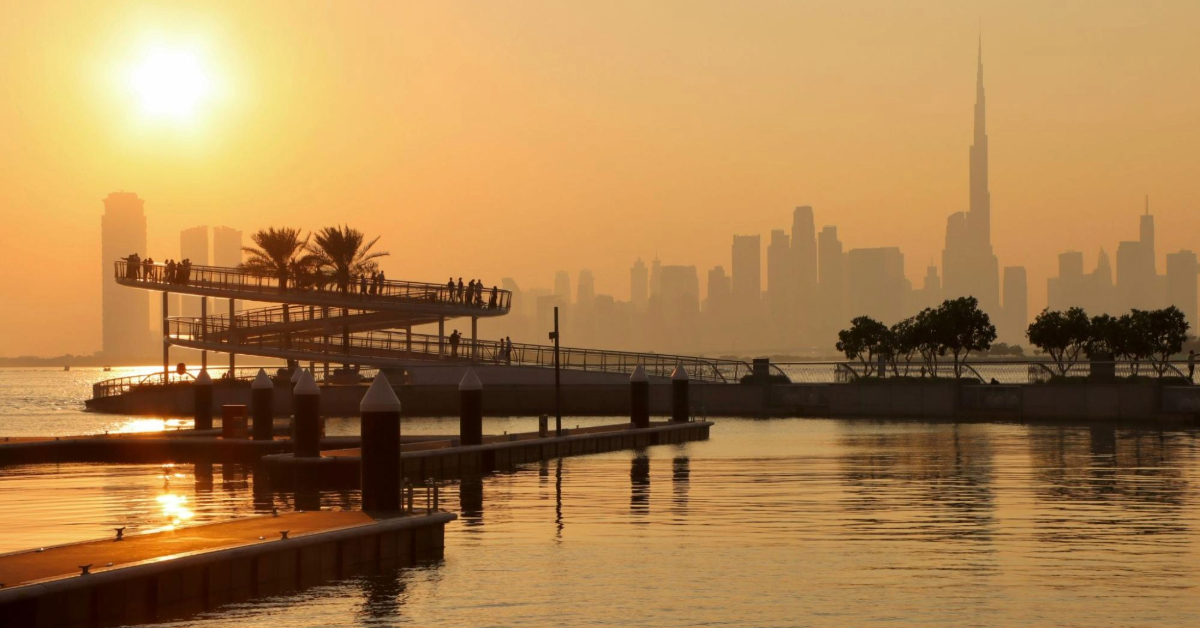
The Dubai Creek Harbour metro station plays a significant role in supporting Dubai’s 2040 Urban Master Plan, which prioritises sustainable mobility, walkability, and reduced reliance on private vehicles.
Across the Blue Line, daily ridership is projected to reach approximately 200,000 passengers by 2030, increasing to around 320,000 by 2040. These figures highlight the line’s importance in meeting future transport demand.
Improved connectivity is also expected to drive property value uplift in areas served by the Blue Line, particularly Dubai Creek Harbour, Academic City, Dubai Silicon Oasis, and International City. Proximity to metro infrastructure has historically been linked to increased demand and long-term investment appeal.
From a traffic perspective, the Blue Line is estimated to contribute to a 20 per cent reduction in congestion across nine neighbourhoods once fully operational, easing pressure on major road corridors and improving overall travel efficiency.
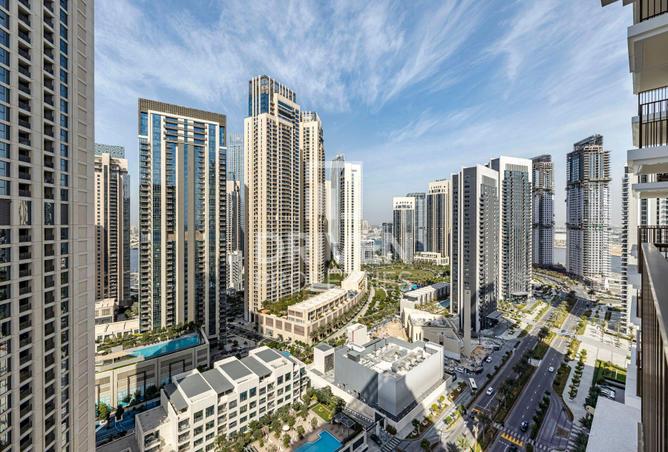
Explore the Available Properties for Sale in Dubai Creek Harbour
-
Apartment
Listed 3 weeks ago
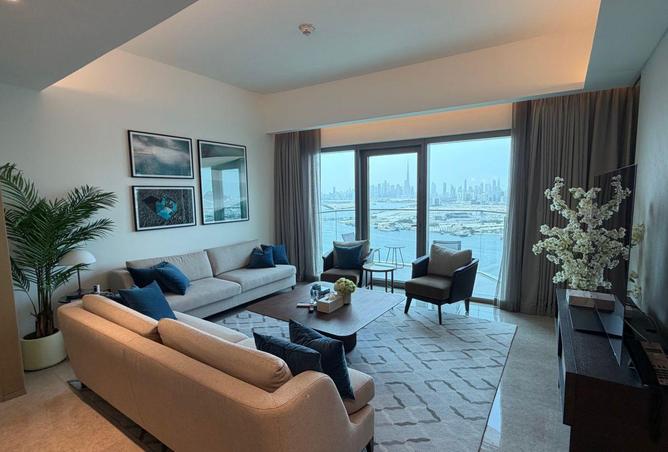
1,950,000 AED
High Floor | Great Layout with Terrace | Burj View
Creek Palace, Dubai Creek Harbour (The Lagoons), Dubai
1
1
644 sqft
-

Hotel & Hotel Apartment
Listed 1 month ago
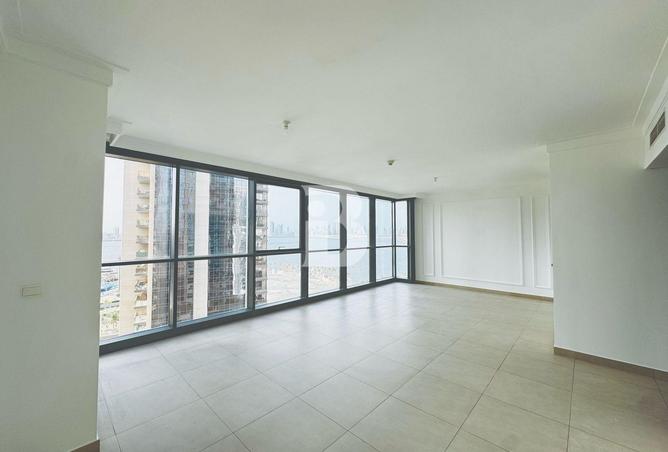
7,500,000 AED
Full Creek and Burj Views | Furnished | Vacant
Address Harbour Point Tower 2, Address Harbour Point, Dubai Creek Harbour (The Lagoons), Dubai
3
4
1,603 sqft
-
Apartment
Listed 1 week ago
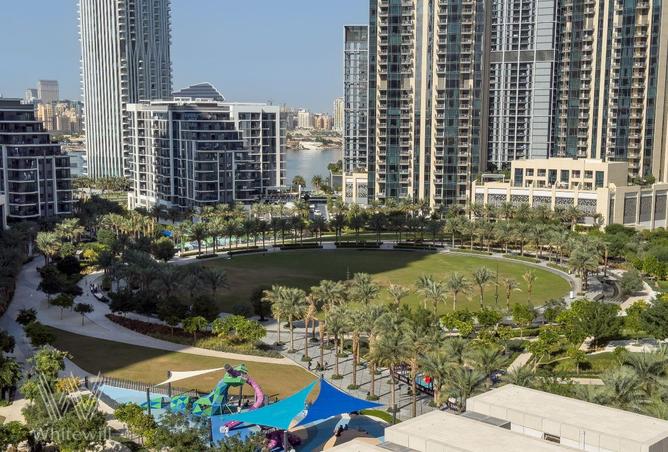
3,800,000 AED
Open water and Burj Views|Spacious|Lux Amenities
The Dubai Creek Residences South Podium, The Dubai Creek Residences South, The Dubai Creek Residences, Dubai Creek Harbour (The Lagoons), Dubai
2
3
1,468 sqft
-
Apartment
Listed 2 months ago
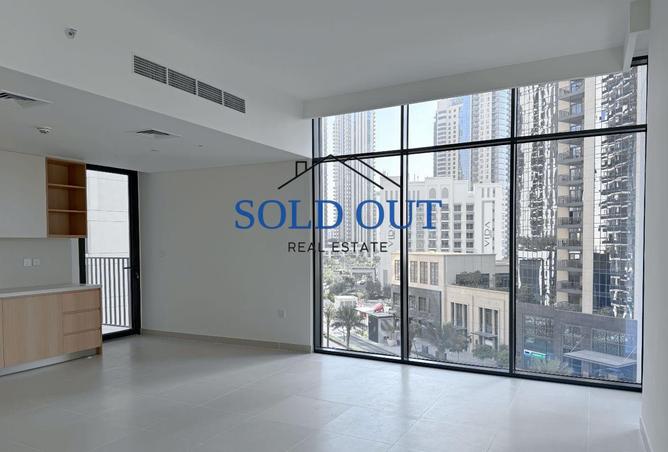
2,748,000 AED
Prime Waterfront Living | Furnished | Middle Floor
Creek Gate Tower 2, Creek Gate, Dubai Creek Harbour (The Lagoons), Dubai
2
2
1,114 sqft
-
Apartment
Listed 5 days ago
3,718,535 AED
NEGOTIABLE | AGENTS WELCOME | MULTIPLE UNITS
Island Park I, Dubai Creek Harbour (The Lagoons), Dubai
3
3
1,648 sqft
-
Apartment
Listed 1 week ago
7,200,000 AED
PANORAMIC VIEWS | RARE UNIT | HIGH FLOOR
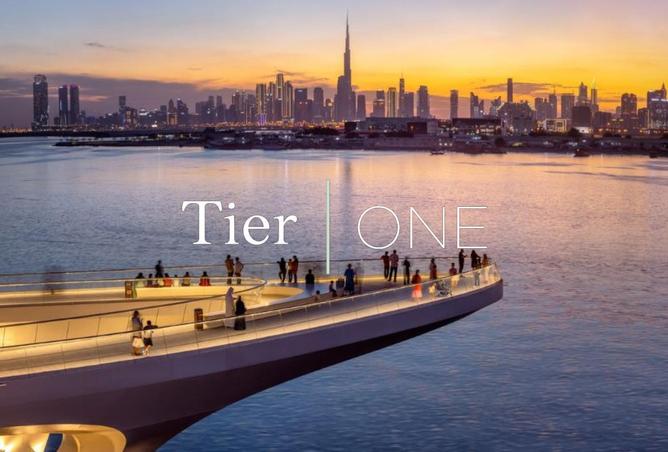
Creek Waters, Dubai Creek Harbour (The Lagoons), Dubai
4
4
2,631 sqft
-
Apartment
Listed 1 week ago
1,800,000 AED
Exclusive | Fully Furnished | Spacious
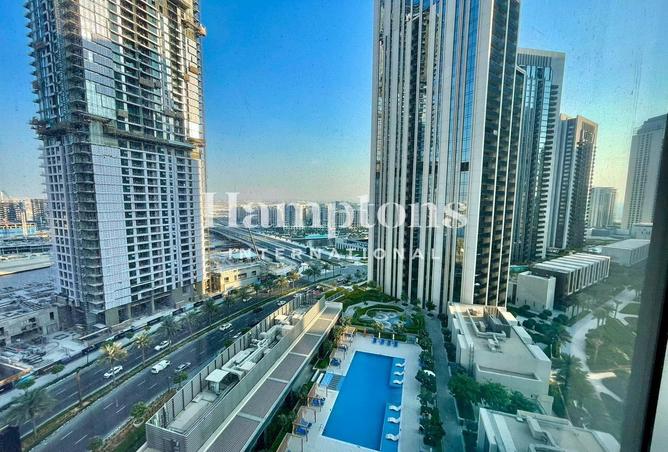
Harbour Gate Tower 1, Harbour Gate, Dubai Creek Harbour (The Lagoons), Dubai
1
1
683 sqft
-
Apartment
Listed 1 week ago
4,500,000 AED
Fully Upgraded | Sea View | High Floor
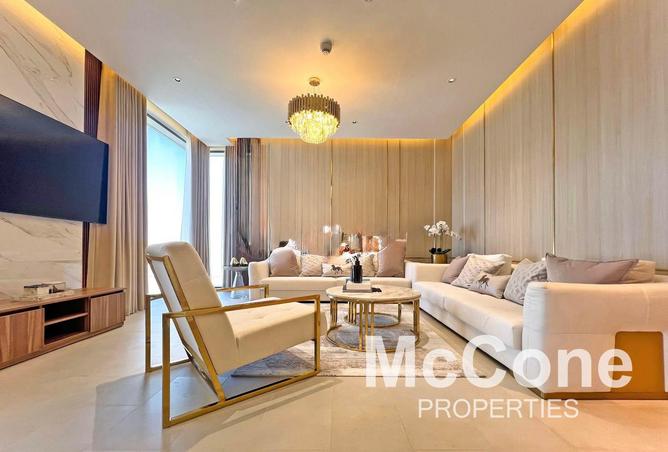
Creek Rise Tower 1, Creek Rise, Dubai Creek Harbour (The Lagoons), Dubai
3
4
1,665 sqft
-
Apartment
Listed 1 day ago
3,599,999 AED
Large Layout | Ideal for Families | Lagoon Access
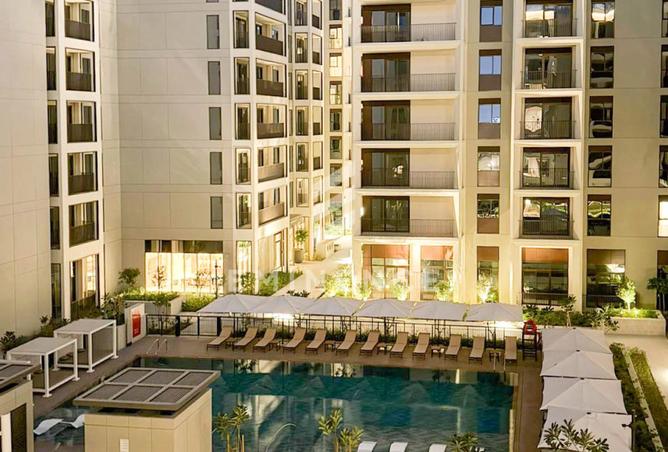
Rosewater at Creek Beach Building 3, Rosewater at Creek Beach, Creek Beach, Dubai Creek Harbour (The Lagoons), Dubai
3
3
1,751 sqft
-
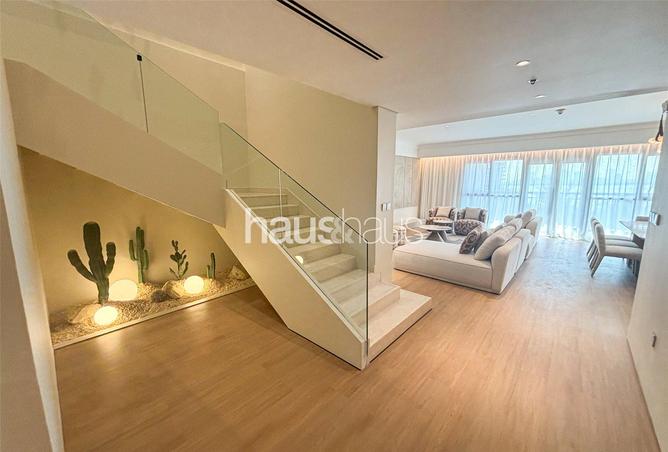
Townhouse
Listed 2 weeks ago
8,900,000 AED
Upgraded and Furnished | Duplex | Maids + Study
Dubai Creek Residences South Tower 3, Dubai Creek Residences South, Dubai Creek Residences, Dubai Creek Harbour (The Lagoons), Dubai
3
5
3,345 sqft









Key Specifications & Comparative Table
| Feature | Emaar Properties Station | Blue Line (Entire Project) |
| Height | 74 metres | – |
| Area | Approx. 11,000 sqm | – |
| Daily Capacity | 160,000 passengers by 2040 | 200,000 by 2030; 320,000 by 2040 |
| Total Stations | 1 iconic station, plus others, contributing to the overall count | 14 new stations. 30 km track |
| Route Split | Creek branch and the Centrepoint branch converge at the junction | – |
Challenges & Things to Watch
As with any large-scale infrastructure project, timelines remain subject to change. Construction progress depends on testing phases, regulatory approvals, and supply chain coordination, which could influence final delivery schedules.
Another critical factor is the integration of feeder transport services, including buses, marine routes, and last-mile connectivity. These elements are essential to achieving projected ridership figures and ensuring the station functions effectively within the wider network.
Accessibility and wayfinding will also be key. The station’s ambitious architectural design sets high expectations, and its success will depend on how well user experience aligns with the visual and spatial intent.
Key Takeaways
The upcoming Emaar Properties Station is set to become the world’s tallest metro station, rising 74 metres and scheduled to open in 2029. Part of Dubai Metro’s Blue Line, the project will add 30 kilometres of new track and 14 stations, seamlessly connecting Dubai Creek Harbour with key residential and business districts across the city. Designed by Skidmore, Owings & Merrill (SOM), the station places strong emphasis on architectural excellence, natural light, and an enhanced user experience.
By 2040, the Emaar Properties Station alone is expected to serve around 160,000 passengers daily, with total ridership across the Blue Line projected to be significantly higher. Beyond transforming mobility, the development is expected to drive real estate value appreciation and ease traffic congestion, although its long-term success will ultimately depend on execution quality and effective integration with supporting transport networks.
Frequently Asked Questions (FAQs)
The station is scheduled to open on September 9, 2029, coinciding with the public launch of the Dubai Metro Blue Line.
At 74 metres high, the Emaar Properties Station will be the tallest metro station in the world.
The Blue Line will connect Dubai Creek Harbour, Dubai Festival City, International City (Phases 1, 2, and 3), Mirdif, Al Warqa, Dubai Silicon Oasis, and Academic City. It will also interlink with the Red and Green Lines at existing interchange stations.
The Blue Line will feature 14 new stations across approximately 30 kilometres of track. The route is divided into two branches, the Creek branch and the Centrepoint branch, which converge at the International City 1 junction.
Commuters can expect light-filled interiors with elevated concourse and platform spaces, the use of natural materials such as limestone and bronze panels, integrated retail amenities, strong pedestrian and marine transport connectivity, footbridge access, and a layout designed for intuitive navigation and everyday comfort.