



Dubai has two main rail options for getting around: the Dubai Tram and the Dubai Metro. Both are linked through the same Nol ticketing system, but they’re built for different types of journeys. Once you know what each one does best, it’s much easier to pick the right option for your route.
- Dubai Tram and Dubai Metro Explained
- Route Length and Network Coverage
- Speed, Travel Time, and Passenger Capacity
- Operating Hours and Service Frequency
- Peak Hours, Crowding, and Daily Travel Experience
- Class Options, Comfort, and Onboard Facilities
- Fares and Ticketing Structure
- Ridership Levels and Strategic Importance
- Connectivity, Transfers, and Interchange Experience
- When to Use the Tram and When to Choose the Metro
- Which System Suits Tourists and Which Suits Residents
- Key Takeaways
- FAQs
Dubai Tram and Dubai Metro Explained
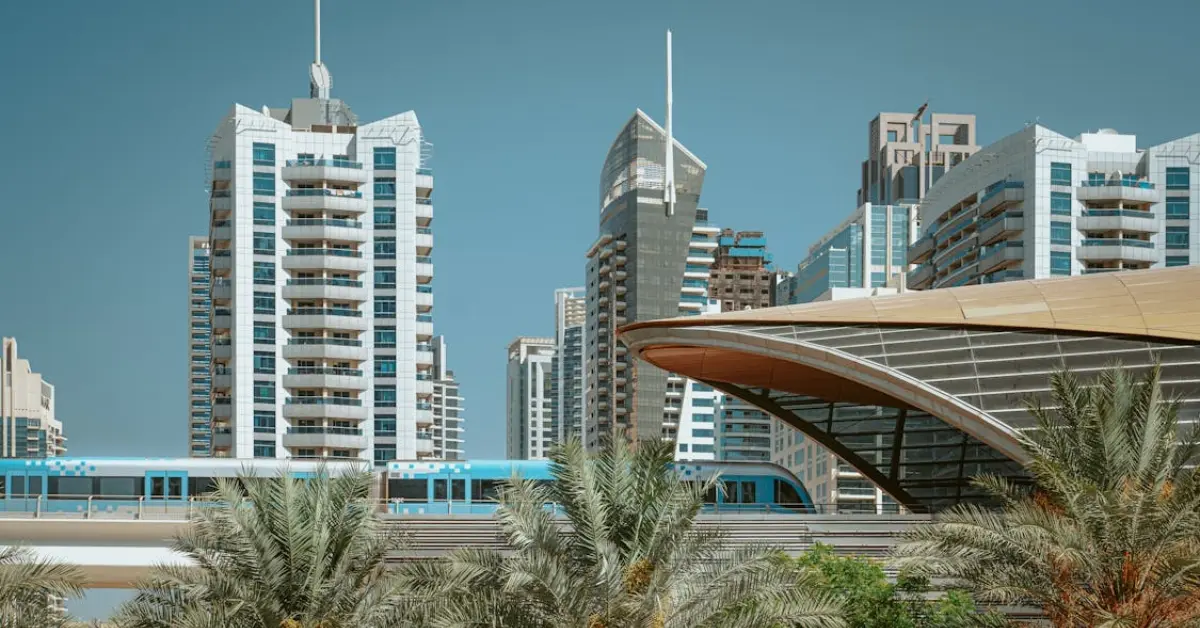
Dubai Tram is the ‘neighbourhood’ option along the coast, built for short trips and quick stops. It runs through high-density districts such as Dubai Marina, JBR, Al Sufouh, and Media City, where walkability and frequent stops are more important than speed. It also makes life easier if you’re switching to other transport, such as the Metro’s Red Line or the Palm Monorail, which helps with last-mile connections.
By contrast, the Dubai Metro functions as the backbone of Dubai’s public transport network. With its Red and Green Lines in operation and further expansion planned, the metro connects residential communities with business districts, major shopping areas, Dubai International Airport, and older parts of the city such as Deira and Bur Dubai. It’s faster, carries more people, and is usually the better choice when you’re crossing the city.
Route Length and Network Coverage
Coverage is one of the clearest differences between the two systems. Dubai Metro is designed for scale, serving long-distance travel across multiple districts, while Dubai Tram focuses on a defined coastal corridor where shorter journeys and frequent stops are more practical.
| System | Operational Length | Stations | Areas Served |
|---|---|---|---|
| Dubai Tram | 10.6 km (14.5 km planned) | 11 | Dubai Marina, JBR, Al Sufouh, Palm Monorail connection |
| Dubai Metro | ~89.6 km | 55 | Deira, Bur Dubai, DXB, Sheikh Zayed Road, inland corridors |
In simple terms, the metro covers much more of Dubai, while the tram sticks to the coastal strip. The tram, by contrast, concentrates on dense, pedestrian-heavy districts where local accessibility matters more than long-distance speed.
Speed, Travel Time, and Passenger Capacity
Speed and capacity are where the difference is obvious: the metro is built for speed and volume, the tram is built for convenience.
The tram operates at lower speeds, with frequent stops designed for accessibility and local movement. This makes it ideal for short hops between neighbouring districts. The metro, by contrast, runs at significantly higher speeds and carries more passengers per train, allowing it to handle heavy commuter volumes efficiently.
| System | Maximum Speed | Average Speed | Approximate Capacity |
|---|---|---|---|
| Dubai Tram | ~50 km/h | ~20 km/h | ~400 passengers |
| Dubai Metro | Up to 110 km/h | 32–45 km/h | ~650–700 passengers per train |
Operating Hours and Service Frequency
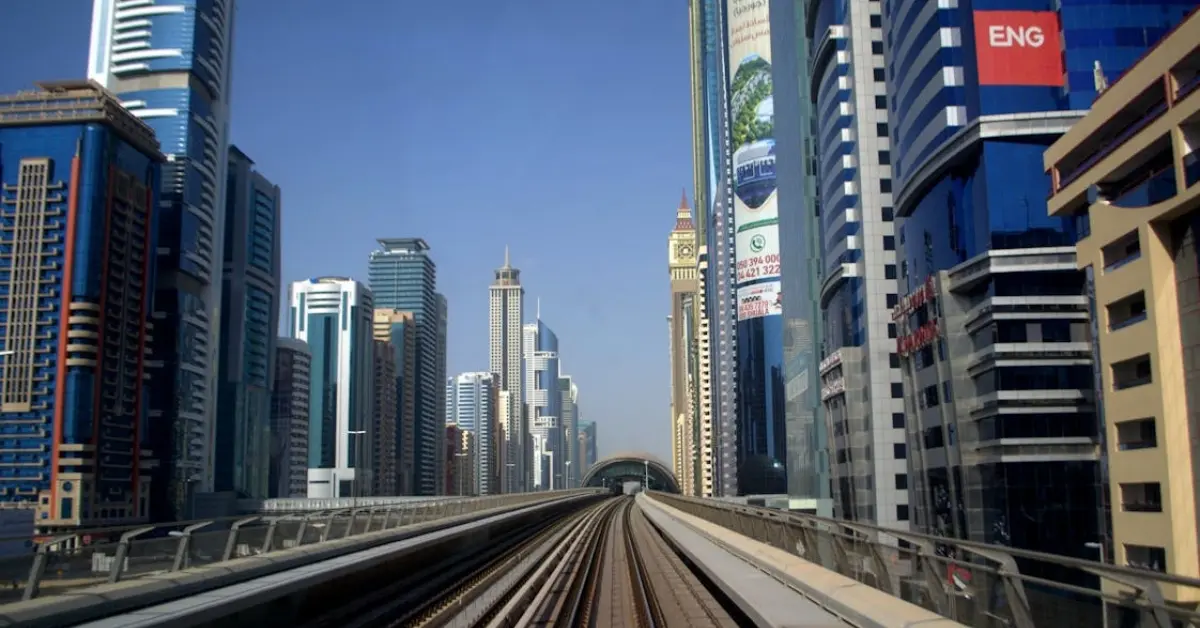
Dubai Metro services start early and run late into the night, making them suitable for long-distance commuting across the city.
Dubai Metro operating hours:
- Monday to Thursday: 5:00 AM – 12:00 AM (midnight)
- Friday: 5:00 AM – 1:00 AM (next day)
- Saturday: 5:00 AM – 12:00 AM (midnight)
- Sunday: 8:00 AM – 12:00 AM (midnight)
The Dubai Tram begins slightly later but operates later into the night, supporting leisure and residential travel along the coast.
Dubai Tram operating hours:
- Monday to Saturday: 6:00 AM – 1:00 AM (next day)
- Sunday: 9:00 AM – 1:00 AM (next day)
During peak periods, metro trains can arrive every three to four minutes. Tram services typically run every six to eight minutes during busy hours, with longer intervals outside peak times.
Peak Hours, Crowding, and Daily Travel Experience
Daily travel conditions can differ noticeably between the Dubai Tram and Dubai Metro, particularly during weekday peak hours. The metro, especially the Red Line, often becomes crowded during morning and evening commutes, as it serves major business districts, residential areas, and airport connections.
Common peak-time characteristics include:
- High passenger volumes on metro trains during work hours. Trains can fill quickly during the morning and evening rush.
- Shorter, busier boarding windows, with trains arriving frequently and filling quickly. Boarding feels more “stop-and-go” because services come frequently.
- More controlled waiting environments, thanks to enclosed stations. Waiting is usually more comfortable because metro stations are enclosed and air-conditioned.
The tram generally offers a calmer experience. Journeys are shorter, passenger turnover is higher, and crowding is spread across multiple stops. While it can get busy on weekends or during major events in Marina and JBR, it is often perceived as less intense than peak metro travel.
For some commuters, comfort and predictability matter more than speed, making the tram a preferred option for short daily trips.
Class Options, Comfort, and Onboard Facilities
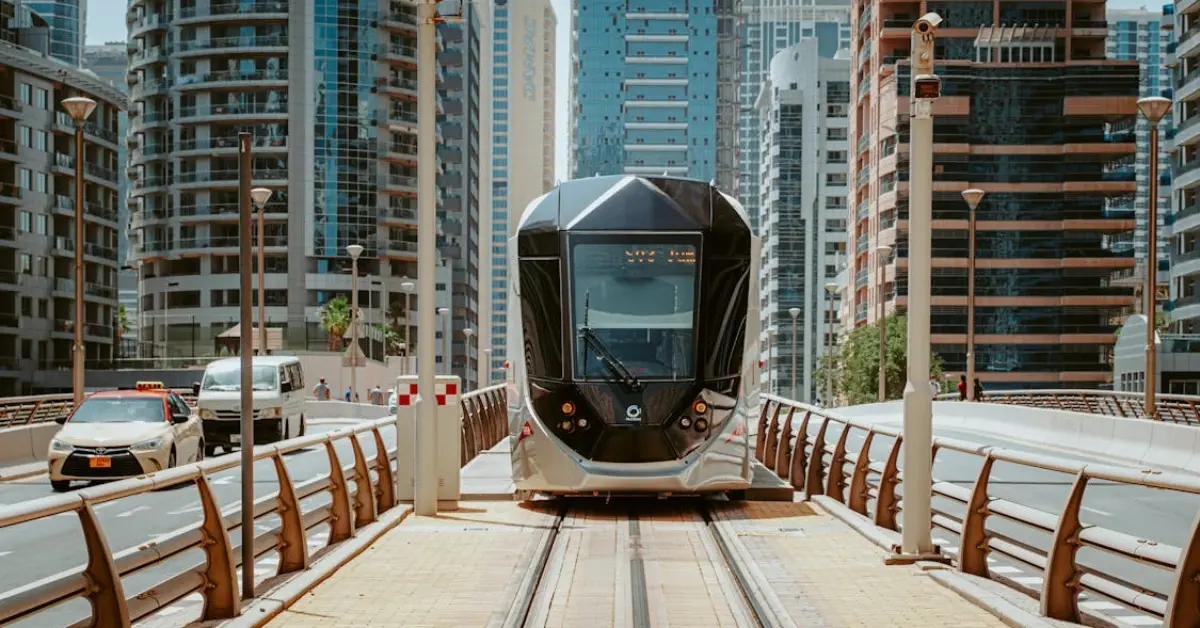
Both the Dubai Tram and Dubai Metro are designed to provide a comfortable and accessible travel experience, with modern features that cater to daily commuters, families, and tourists alike. While the overall standard is high across both systems, there are differences in how comfort and facilities are delivered by route type and operating environment.
- Air-conditioned carriages and stations.
- Women and children-only cabins.
- Gold Class sections, offering more spacious seating and a quieter environment.
- Fully driverless metro trains.
- Wi-Fi availability on the metro.
- Street-level tram stations with step-free access.
- Ground-level power technology on the tram.
This combination of features reflects the different roles each system plays: the metro prioritises efficiency and capacity, while the tram focuses on accessibility and local convenience.
Fares and Ticketing Structure
Both the Dubai Tram and Dubai Metro operate under Dubai’s unified Nol Card system, allowing passengers to transfer between different modes of public transport using a single card. This integration makes switching between trams, metros, and buses straightforward, particularly for daily commuters.
Despite sharing the same ticketing system, the way fares are calculated differs between the two services.
| System | Base Fare | Fare Type | Notes |
|---|---|---|---|
| Dubai Tram | AED 3–8.5 | Zone-based | Fare varies by Nol card type and the number of zones crossed |
| Dubai Metro | AED 3 and above | Zone-based | Fare depends on distance and zones crossed |
Tram fares are still easy to manage, especially if you’re staying within one or two zones.
Metro fares follow the same zone idea, but because the network is bigger, you’re more likely to cross zones on longer trips.
Ridership Levels and Strategic Importance
Ridership figures highlight the distinct ways in which the two systems are utilised in everyday life. Dubai Metro carries hundreds of millions of passengers each year and plays a central role in moving people across the city for work, education, and airport travel. Its scale and speed make it essential for long-distance commuting.
Dubai Tram serves fewer passengers by design, reflecting its role as a local service within coastal neighbourhoods. Rather than replacing the metro, it complements it by supporting short trips and last-mile access. Together, they form a balanced network that combines citywide reach with local convenience.
Connectivity, Transfers, and Interchange Experience
Dubai Tram and Dubai Metro are designed to work together within a single transport network. Many commuters use the metro for longer journeys across the city, then transfer to the tram for short trips within coastal districts such as Dubai Marina, JBR, and Al Sufouh.
Key interchange points allow smooth transfers, while the unified Nol Card system removes the need for separate tickets. Although walking distances between platforms can vary, clear signage helps passengers navigate transfers efficiently. In practice, the metro covers long distances and high speeds, while the tram provides local access in dense, pedestrian-friendly areas.
When to Use the Tram and When to Choose the Metro
Choosing between the Dubai Tram and the Dubai Metro usually comes down to how far you are travelling and which areas you need to reach. Each system is designed for a different type of journey, and understanding this distinction helps commuters move around the city more efficiently.
Choose the Dubai Metro for long-distance travel, airport access, and cross-city commuting, particularly along major corridors such as Sheikh Zayed Road and between business districts.
Use the Dubai Tram for shorter journeys within Dubai Marina, JBR, and Al Sufouh, or when making local connections to the Palm Monorail or the Metro Red Line.
In practice, many commuters combine the two systems on a single journey, using each where it offers the greatest convenience and time savings.
Which System Suits Tourists and Which Suits Residents

Tourists and residents often interact with Dubai’s rail systems differently, depending on their travel patterns and priorities.
- Tourists tend to favour the tram for its scenic coastal route and easy access to hotels, beaches, restaurants, and leisure areas in Marina and JBR.
- Residents and daily commuters rely more heavily on the metro, valuing its speed, wider coverage, and direct links to workplaces, business districts, and airports.
Key Takeaways
Dubai Metro is designed for long-distance, high-capacity travel across the city, while Dubai Tram focuses on short, local journeys along the coast. The metro offers faster speeds, wider coverage, and higher passenger volumes, whereas the tram provides convenient, zone-based travel along the waterfront. Both systems are fully integrated and complement each other within Dubai’s public transport network.
In short, Dubai Tram vs Dubai Metro is really about distance: choose the metro for cross-city journeys, and the tram for short, coastal trips around Marina and JBR.
FAQs
Yes. The same Nol Card works across the metro, tram, buses, and other public transport services.
For longer distances, the metro is significantly faster. The tram is slower but more convenient for short, local trips.
Yes. Both systems offer Gold Class cabins for a premium travel experience.
The metro generally starts earlier, while the tram often runs later into the night, especially on weekends.
Yes. Both include lifts, ramps, tactile guidance, and designated spaces for passengers with disabilities.