



Planning how to celebrate the New Year in Dubai can get overwhelming thanks to the endless outstanding options. The city offers everything from awe-inspiring firework shows to world-class dinners and thrilling activities. But what most people don’t account for is the road closures that happen on that magical night. Every year, Dubai New Year road closures are introduced to manage crowds, protect public safety, and keep movement controlled during the city’s largest celebration night.
Knowing what to expect before you step out can make the difference between a memorable night and a stressful one. Many residents choose to rent apartments in Dubai within Downtown or Business Bay to enjoy the fireworks from their balconies without worrying about road closures.
- Road Closure in Dubai for New Year 2025–2026: Timings and Affected Roads
- Public Transportation During Dubai New Year Road Closures
- Driving in Dubai on New Year’s Eve: Delays, Closures & Tips
- Why Dubai Implements Road Closures on New Year’s Eve
- Key Takeaways
- FAQs
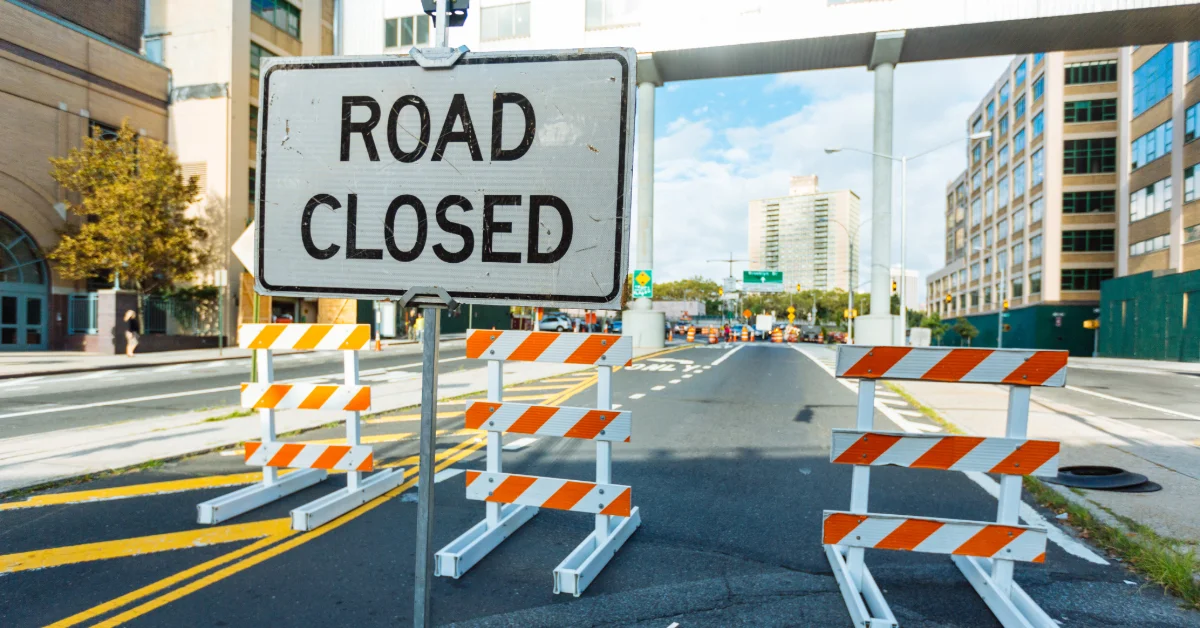
Road Closure in Dubai for New Year 2025–2026: Timings and Affected Roads
On December 31, distance becomes less important than timing. A five-kilometre drive at noon may take ten minutes. The same drive at 7:00 PM could take an hour. By late evening, it may not be possible at all.
Most New Year road closures in Dubai begin gradually in the afternoon. Of course, high-density areas are secured first. Outer roads follow later if the crowd numbers increase. This is why early planning matters more than choosing the shortest route.
For New Year’s Eve 2025–2026, Dubai’s Roads and Transport Authority (RTA), in coordination with Dubai Police and other government entities, has announced a phased traffic plan.
| Closure Time | Road / Area Affected | Additional Information |
|---|---|---|
| 4:00 PM | Al Asayel Street | Initial closure phase |
| 4:00 PM | Sheikh Mohammed bin Rashid Boulevard | Access restricted toward Downtown |
| 4:00 PM | Burj Khalifa Street | Closed to general traffic |
| 4:00 PM | Lower Financial Centre Street | Gradual diversion begins |
| 4:00 PM | Al Mustaqbal Street (Financial Centre St to Commercial Centre St) | Partial section closure |
| 8:00 PM | Al Sukook Street | Progressive closure |
| 9:00 PM | Upper Financial Centre Street | Controlled access |
| 11:00 PM | Sheikh Zayed Road (Al Maidaan Interchange to Commercial Centre Roundabout) | Major arterial road closure |
Initial Road Closures
The first phase of the traffic plan will commence at 4:00 PM on Wednesday, 31 December, with gradual closures implemented to divert traffic away from major celebration zones safely. Roads affected in this initial phase include:
From 4:00 PM, the following roads will be closed to traffic:
- Al Asayel Street
- Sheikh Mohammed bin Rashid Boulevard
- Burj Khalifa Street
- Lower Financial Centre Street
- Al Mustaqbal Street (between Financial Centre intersection and Commercial Centre Street)
Progressive Closures and Controlled Access
As crowd density increases throughout the evening, additional road closures will be implemented in stages to prioritise pedestrian safety and ensure emergency access.
The following closures are scheduled as the night progresses:
- 8:00 PM: Al Sukook Street
- 9:00 PM: Upper Financial Centre Street
- 11:00 PM: Sheikh Zayed Road (between Al Maidaan intersection and Commercial Centre roundabout)
What to Do If You’re Inside a Closure Zone?
Even the best planners can get stuck in a closure zone. Don’t worry, this can be easily fixed. Simply, walk.
Pedestrian access is prioritised once vehicle movement is restricted, and designated walking routes are clearly marked. Public transport stations outside the immediate closure area are usually accessible on foot.
Being prepared to walk short distances can save significant time and frustration.
Needless to say, that option won’t be available for those driving. That’s why it’s advised to use public transportation instead of driving your own vehicle.
Pedestrian Bridge and Walking Route Closures
While pedestrian access is prioritised once vehicle movement is restricted, not all walking routes remain open throughout the evening. On New Year’s Eve, certain pedestrian bridges and elevators are closed from 4:00 PM onwards to support traffic flow and ensure public safety.
These closures may affect routes across Dubai Creek and other high-traffic pedestrian crossings. Visitors should follow official signage, use designated walking paths, and allow extra time when moving between areas on foot. Staying flexible and prepared for minor detours can help avoid unnecessary delays during peak crowd periods.
Public Transportation During Dubai New Year Road Closures
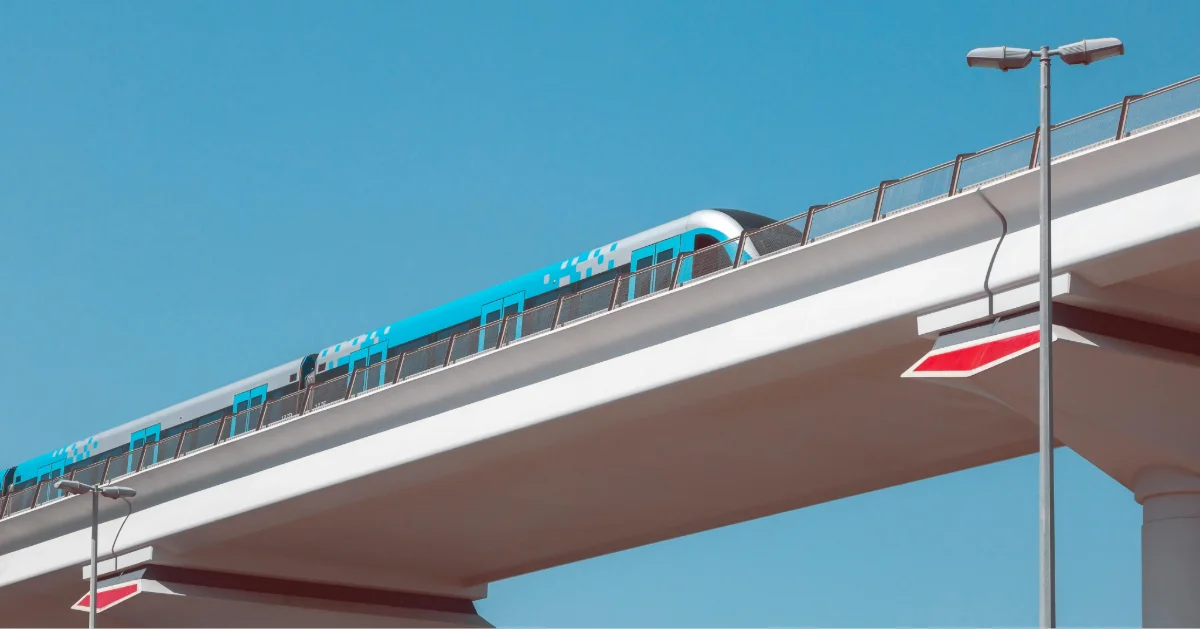
During the road closure Dubai New Year period, public transport is often the most reliable way to reach and leave celebration zones.
Dubai Metro’s operating hours have been extended, particularly on the Red Line serving Downtown Dubai and Dubai Marina. Trains run more frequently to accommodate the high passenger load. However, some stations near major event zones may close temporarily once capacity limits are reached.
Buses and trams operate on modified routes with designated drop-off points. Even taxis and ride-hailing services may be redirected away from closure zones.
Using public transport reduces stress, avoids parking issues, and ensures you can enjoy the festivities safely. Walking short distances from metro or bus stations is often unavoidable but preferable to being stuck in traffic.
Driving in Dubai on New Year’s Eve: Delays, Closures & Tips
If you have to drive, it’s best to:
- Travel earlier in the day
- Monitor official RTA and Dubai Police updates before moving from one location to the other
- Allow extra time for diversions
- Above all, expect delays and plan accordingly.
Driving on New Year’s eve in Dubai requires patience and flexibility. Even roads that remain open experience heavy congestion as traffic builds toward the evening.
Diversions may occur at short notice. Traffic officers may redirect vehicles regardless of navigation app instructions. It is also worth noting that fuel stations near event zones can also become crowded.
Parking Restrictions and Alternative Parking Options
Parking near major New Year’s Eve celebration zones is heavily restricted as crowd numbers increase. Stopping and roadside parking are prohibited on several key arterial roads, including Sheikh Zayed Road, Al Khail Street, Oud Metha Street, and surrounding routes leading into Downtown Dubai.
For those who must drive, Dubai authorities typically designate alternative parking areas away from the closure zones. These locations are supported by complimentary shuttle bus services operated by the RTA, allowing visitors to reach celebration areas without adding congestion to core roads. Arriving early remains essential, as parking capacity fills quickly and access becomes more limited as the evening progresses.
Whenever possible, using public transport or parking outside central areas and walking short distances remains the most efficient option on New Year’s Eve.
Why Dubai Implements Road Closures on New Year’s Eve
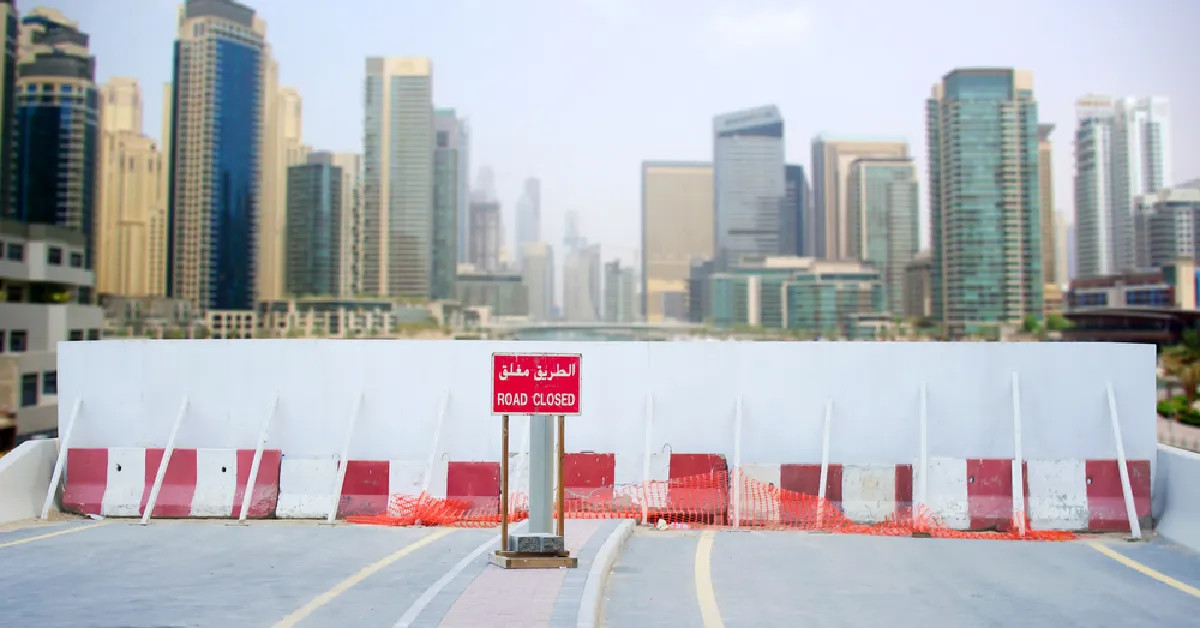
It may seem like an inconvenience, but they actually are essential. New Year’s Eve brings exceptionally high pedestrian density to key locations, and unrestricted vehicle access would pose serious safety risks.
To manage this, Dubai deploys a large-scale safety operation. In total, 9,884 Dubai Police officers will be on duty, supported by 1,625 police vehicles and patrols, 53 security and marine rescue boats, and 34 mounted patrols.
Medical readiness includes 12 hospitals and field clinics, supported by ambulances and emergency personnel positioned across the city.
These measures allow emergency services to operate efficiently, reduce congestion-related incidents, and ensure crowd movement remains controlled. Without them, the night would be far more chaotic.
In short, road closures are a key part of keeping New Year’s Eve celebrations safe and enjoyable for everyone.
Leaving Downtown After the Fireworks
Getting out of Downtown Dubai after the New Year’s Eve fireworks can take just as much planning as getting in. Immediately after the celebrations conclude, crowd density remains high, and road access continues to be controlled until movement normalises.
To support a smooth exit, dedicated shuttle bus services are typically deployed to transport visitors from the celebration zone to nearby metro stations, taxi collection points, and approved parking areas. These services help reduce congestion and allow emergency services to operate without obstruction.
Those looking to avoid peak departure times may choose to remain in the area briefly after the fireworks or walk toward transport hubs outside the main closure zone before continuing their journey home.
Key Takeaways
Road closures are a necessary and carefully planned part of New Year’s Eve in Dubai, designed to manage crowds, maintain safety, and ensure emergency access across the city. Most road closure New Year measures in Dubai begin from 4:00 PM on 31 December and intensify as the evening progresses, with Downtown Dubai and sections of Sheikh Zayed Road experiencing the most significant restrictions.
Public transportation remains the most reliable way to move around during the celebrations, as driving often involves delays, diversions, and strict access controls. Planning ahead, arriving early, staying informed, and being prepared to walk short distances can make the difference between a stressful night and a smooth start to the new year.
FAQs
Access becomes very limited once road closures and capacity caps are activated; vehicles are generally not allowed into Downtown after closures start, even for public parking.
Most New Year’s traffic restrictions are expected to be lifted between 1 am and 2 am on 1 January, subject to Dubai Police and RTA decisions based on crowd conditions.
RTA recommends using nearby stations like World Trade Centre station, Emirates Towers, Business Bay and Financial Centre and then walking to viewing areas in Downtown.
Most core Downtown Dubai roads begin closing from around 4:00 PM on December 31, with additional closures introduced progressively as crowd capacity increases.