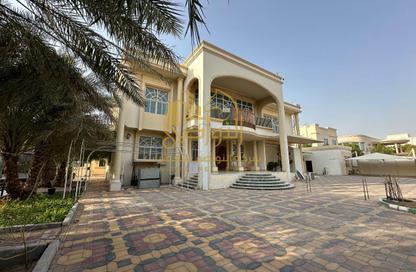
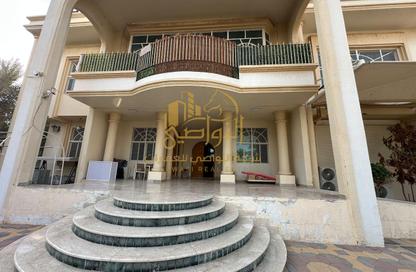
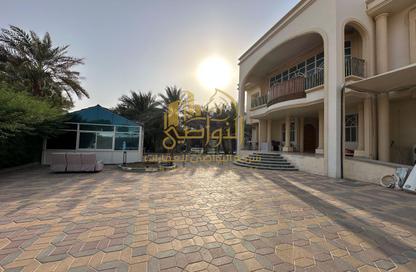
Properties for sale in Al Ain
Don't miss out
Get notified with new properties for Al Ain

Your mortgage pre-approved in minutes
Get the best offers from 20+ banks
Get notified with new properties for Al Ain

Your mortgage pre-approved in minutes
Get the best offers from 20+ banks
Al Ain, the UAE's first UNESCO World Heritage site, gives you something different from Dubai and Abu Dhabi. People call it the "Garden City" for good reason. You'll find oasis districts, historic forts, and streets lined with trees instead of skyscrapers.
The property market here focuses on family living and stability. You'll mostly see spacious villas and low-rise apartments rather than high-rise towers. While freehold land is mainly for UAE and GCC nationals, recent developments have opened doors for expats to own apartments and floors in specific investment zones.
Al Ain's property market stands apart from the capital. The focus is on villa communities and low-rise residential buildings.
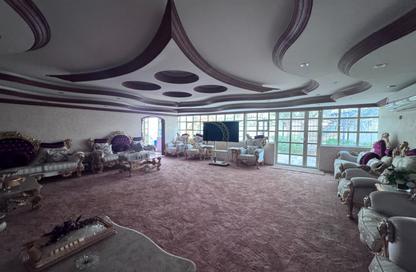
Prices here are more competitive than in prime areas in Abu Dhabi city or Dubai. You get better value per square foot, especially for larger plots. Properties tend to be generous in size. Villas often come with large majlises, courtyards, and multiple bedrooms built for extended families.
Buying property in Al Ain follows Abu Dhabi Department of Municipalities and Transport regulations. The process involves finding a unit, arranging financing, and completing the legal transfer.
Cash purchases move quickly, but mortgages give you leverage. Banks check your income and residency status.
This step makes your purchase official. Both parties commit to the transaction terms.
The developer must issue an NOC confirming the property is debt-free and ready for transfer.
This final step transfers legal ownership.
Al Ain has selective new developments that respect the city's heritage while meeting modern standards.
Property investment in the UAE can grant you long-term residency if you meet specific thresholds.
The UAE Central Bank regulates mortgages in Al Ain. Both residents and non-residents can apply, with specific loan-to-value ratios.
For non-residents:
For salaried individuals:
For self-employed individuals:
Submit documents so the bank can assess your borrowing capacity.
Make sure the property meets bank criteria for location and title deed.
The bank appoints an evaluator to determine market value.
The bank issues the final offer letter with specific terms.
Submit security checks as the lender requires.
Register the mortgage at the municipality or land department.
The bank releases funds to the seller when the title transfers.
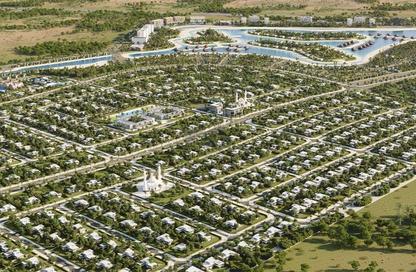
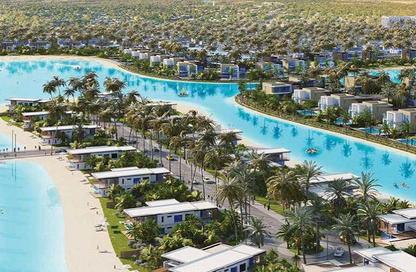
Zakher offers spacious villas at competitive prices. The man-made lake makes it popular with families looking for large plots away from the city center. You'll find a quiet lifestyle with essential amenities nearby.
Al Yahar Located on the highway connecting Al Ain to Abu Dhabi, this area works well for commuters. Housing consists mainly of independent villas at affordable prices, with good access to schools and healthcare centers.
Al Muwaiji is a historic district where Sheikh Khalifa bin Zayed was born. It's a prestigious address with high-end compounds near the Diwan. The area has lush oases and offers premium, tranquil living.
Properties at the mountain's base come with stunning views. This destination for luxury living sits close to Green Mubazzarah hot springs and high-end hotels, creating a resort-like atmosphere.
Ownership laws here differ from those in Dubai. UAE nationals have freehold rights across the city, but expatriates are generally limited to owning apartments and floors (not land) under 99-year titles or purchasing in designated investment zones.
Al Faqa’a is a developing area on the Dubai-Al Ain border that features new off-plan projects like Telal Al Salam. While traditionally, for locals, new developments often bring specific ownership structures. Check the ownership title (freehold versus long-term lease) with the developer.
Most designated freehold zones (like Yas Island and Al Reem) are in Abu Dhabi city. Expats in Al Ain typically look for long-term leasehold opportunities or apartment ownership in multi-story buildings as permitted by Abu Dhabi Law No. 19 of 2005.
Al Ain sits in a triangle with Dubai (120 km north) and Abu Dhabi (160 km west).
The Dubai-Al Ain Road (E66) and Abu Dhabi-Al Ain Road (E22) provide road access. A comprehensive bus network connects city districts and links to other emirates. Taxis are widely available.
Expatriates are generally limited to owning apartments or floors (not land) under 99-year titles in Abu Dhabi, unless the project sits in a designated investment zone.
Expatriates need a 20% down payment for properties valued under AED 5 million. UAE nationals need 15%.
Yes. The city is highly family-friendly, with numerous parks, excellent schools, low crime rates, and attractions like Al Ain Zoo and Hili Fun City.
Once you get the no-objection certificate from the developer, the final transfer at the municipality typically takes one day.
Yes. Property owners in compounds or buildings pay service charges for maintaining common areas. Confirm these rates with the developer before purchasing.
Investing AED 750,000 in residential property can make you eligible for a 2-year renewable investor visa. An AED 2 million investment can qualify you for a 10-year Golden Visa.
Yes. Modern highways connect the city. The drive to Dubai takes about 1 hour and 15 minutes, while Abu Dhabi city is about 1 hour and 30 minutes away.