



The quickest way to reach Jebel Ali Hindu Temple in 2025 is to take the Dubai Metro Red Line to Ibn Battuta or Energy Station, followed by a short taxi or bus ride to Worship Village. Opened in 2022, the temple sits beside the Guru Nanak Darbar Sikh Gurdwara and several churches, forming one of Dubai’s most diverse spiritual hubs.
It is easily accessed from neighbourhoods such as Jebel Ali, Dubai Marina, and Jumeirah Lake Towers (JLT). Through this guide, you will find how you can reach it by metro and how it is very accessible.
- Where Is the Jebel Ali Hindu Temple Located in Dubai?
- Which Metro Stations Are Closest to Jebel Ali Temple?
- How Do You Reach Jebel Ali Temple by Metro, Step by Step?
- Which Bus Routes Connect the Metro to Jebel Ali Temple?
- How Long Does the Trip Take and How Much Does It Cost?
- Example Itinerary: From Downtown Dubai to Jebel Ali Temple
- Do You Need to Book in Advance to Visit the Temple?
- What Facilities and Landmarks Are Near Jebel Ali Temple?
- Tips for a Smooth Metro Trip to Jebel Ali Temple
- Key Takeaways
- FAQs

Where Is the Jebel Ali Hindu Temple Located in Dubai?
The Jebel Ali Hindu Temple is located in Worship Village, Jebel Ali, a designated religious precinct in south Dubai where several faith centres stand side by side. The Worship Village is easily accessed from central neighbourhoods along Sheikh Zayed Road, including Jebel Ali Village, Discovery Gardens, Dubai Marina, and Al Furjan.
Because of its location near Ibn Battuta Mall and the Jebel Ali Free Zone logistics hub, the temple is convenient for worshippers who work in the southern corridor of Dubai or live in metro-connected districts.
Which Metro Stations Are Closest to Jebel Ali Temple?
Although the Jebel Ali Hindu Temple does not have a metro station directly beside it, several nearby Red Line stops offer reliable onward access by bus or taxi. The station you choose usually depends on where you are travelling from and how you prefer to complete the final part of the journey.
1. Ibn Battuta Metro Station (Red Line)
Most popular stop for temple visitors due to its strong transport links and proximity to the Worship Village.
- Best for: Travellers coming from Downtown Dubai, Dubai Marina, JLT, or anywhere along central Sheikh Zayed Road.
- Onward options: Bus F44, taxis, ride-hailing apps.
Location
It’s located in Jebel Ali Village – Dubai
2. Energy Metro Station (Red Line)
Convenient for those working in the southern industrial zones and logistics hubs of Jebel Ali.
- Best for: Commuters coming from Jebel Ali Free Zone, Dubai South, or nearby offices and warehouses.
- Onward options: Taxi (most reliable), occasional bus routes depending on timing.
Location
It’s located on Sheikh Zayed Road, Jebel Ali Village, Dubai.
3. Jabal Ali / Jebel Ali Area Stations (Red Line)
Travellers heading to the end of the Red Line often prefer Jabal Ali or nearby stops, though these usually require a taxi for the last leg.
- Best for: Riders already travelling towards the final Red Line stations.
- Onward options: Taxi or private drop-off.
Location
It’s located on Sheikh Zayed Road, Dubai.
Step-by-Step Guide to Reach Jebel Ali Temple
Reaching the Jebel Ali Hindu Temple by metro is straightforward once you follow the correct Red Line direction and know which stations offer the easiest onward transport to the Worship Village.
- Start at the nearest Red Line station or interchange at Union or BurJuman from the Green Line.
- Board a train heading in the direction of Expo 2020.
- Ride the metro to either Ibn Battuta or Energy Station.
- Continue the final distance by bus or taxi.
- Ask to be taken to “Worship Village, near Guru Nanak Darbar and Jebel Ali Hindu Temple.”
Because many Metro-heavy districts are popular with commuters, some residents work with a SuperAgent to find homes with strong transport access.
Which Bus Routes Connect the Metro to Jebel Ali Temple?
Several RTA bus routes connect the Red Line to the wider Jebel Ali area, making it easy to continue your trip to Worship Village without a private car. Buses serving this district generally pass through communities such as Discovery Gardens, Al Furjan, and sections of Jebel Ali Village.
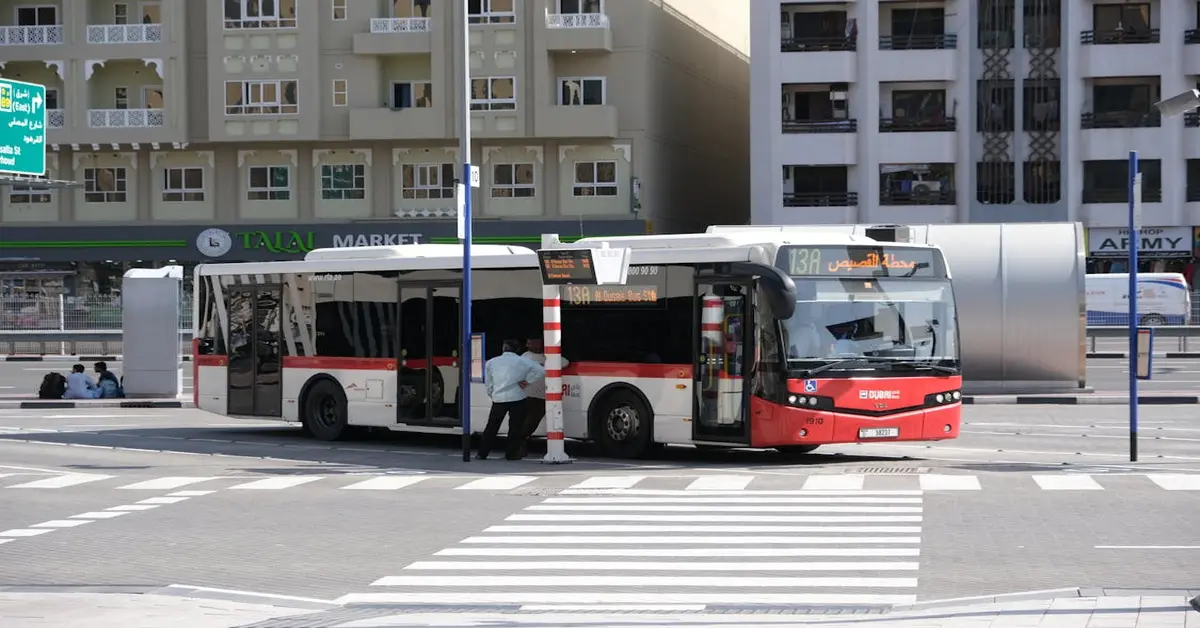
Bus Routes from Ibn Battuta Metro Station
- F44: Most commonly used for temple visitors. It travels through Discovery Gardens and parts of Jebel Ali, with stops close to Worship Village.
Best for: Visitors looking for an affordable, metro-connected public transport route. - 966 and X92: Both routes connect the wider Jebel Ali and Dubai South areas to Ibn Battuta.
Best for: Travellers arriving from Dubai Investments Park, DIP 2, or the southern logistics zones.
Bus Connectivity from Energy Metro Station
Energy Station does not always offer a direct bus to the temple. Depending on the time of day, you may find routes heading toward industrial Jebel Ali, but taxis are usually the quickest choice from this station.
Using Real-Time Apps for Accuracy
Bus timings vary, so it’s best to check the RTA Dubai or Moovit apps before leaving the metro platform. These apps show the closest stop to Worship Village and help you avoid long waits.
Residents considering moving closer to areas with strong bus and metro links often compare long-term commuting costs using the Rent vs Buy Calculator before deciding whether to live along the Red Line.
How Long Does the Trip Take and How Much Does It Cost?
Your total journey time depends on where you start, how long you wait for the connecting bus, and whether you choose a taxi from the metro station. Most visitors travelling from central Dubai reach the Jebel Ali Hindu Temple in 60–90 minutes by combining the metro and bus.
Typical Travel Times (From Key Dubai Areas)
- Dubai Marina / JLT: 25–40 minutes
- Downtown / Business Bay: 60–75 minutes
- Bur Dubai / Deira: 75–95 minutes (including Green Line transfer)
- Dubai South: 20–30 minutes
Metro Fares (2025)
Metro fares are based on RTA Dubai’s zone system. Most temple visitors travel across 2 or 3 zones.
- AED 7.5–9 per metro trip for most Red Line journeys
- Nol Silver allows a 30-minute transfer to the bus within the same journey
- Children under five travel free
Bus Fares
- AED 3–5 depending on zones
- Integrated into the same Nol journey if the connection is within 30 minutes
Taxi Costs (2025)
Taxis are the fastest option from both Ibn Battuta and Energy Stations, especially during hot weather.
- From Ibn Battuta Metro Station: AED 15–25
- From Energy Station: AED 12–20
- From Jabal Ali Station: AED 10–15
Example Itinerary: From Downtown Dubai to Jebel Ali Temple
If you are staying near Dubai Mall, Business Bay, or central Sheikh Zayed Road, reaching the temple is straightforward using the Red Line.
- Board the Red Line from Burj Khalifa/Dubai Mall or Business Bay towards Expo 2020.
- Stay on past Dubai Marina and JLT (~30–35 mins).
- Exit at Ibn Battuta and follow the signs to the bus terminal or taxis.
- Continue by F44 or a short taxi ride.
Total: ~60–75 minutes.
Do You Need to Book in Advance to Visit the Temple?
The Jebel Ali Hindu Temple accepts walk-in visitors on weekdays, but booking is strongly recommended during weekends, public holidays, and major festivals such as Diwali and Navratri. You can check timings and submit your booking request through the temple’s official website or app.
Visitor Guidelines
- Booking is recommended during busy periods
- Modest clothing required
- Remove shoes before entering prayer halls
- Photography is restricted in some areas
- Best time: early mornings
Facilities and Landmarks Near Jebel Ali Temple
The Jebel Ali Hindu Temple sits within Worship Village, where several religious centres stand side by side. This makes the area a unique spiritual hub with excellent road connectivity and easy access from neighbouring residential communities.
Nearby Landmarks:
- Guru Nanak Darbar Sikh Gurdwara
- St. Francis of Assisi Church
- Ibn Battuta Mall
- Jebel Ali Free Zone (JAFZA)
Tips for a Smooth Metro Trip to Jebel Ali Temple
Travelling to the Jebel Ali Hindu Temple by metro is straightforward. Still, a few small preparations can make the journey quicker and more comfortable, especially during peak times or when travelling with family.
Useful Tips
- Avoid peak hours whenever possible, particularly Friday evenings and festival days.
- Check real-time bus timings on the RTA Dubai or Moovit app before using the platform.
- Keep your Nol card topped up to avoid queues at ticket machines.
- Allow extra time if you have a fixed aarti or booking slot.
- Use taxis for elderly visitors, young children, or when carrying prasad items.
- Carry water and expect a brief outdoor walk near Worship Village.
Key Takeaways
Reaching the Jebel Ali Hindu Temple by metro is simple once you know the closest Red Line stations and the available onward connections to the Worship Village. Most visitors travel to Ibn Battuta or Energy Station and complete the final short distance by taxi or by using bus routes such as F44, with total journey times from central Dubai usually falling between 60 and 90 minutes. Fares remain budget-friendly, particularly when using integrated Nol transfers, and planning with real-time RTA apps makes the trip smoother during busy periods or festival days. The temple’s location near communities such as Jebel Ali Village, Discovery Gardens, and Dubai Marina also makes the journey convenient for regular worshippers.
FAQs
Ibn Battuta Metro Station (Red Line) is the most commonly used, thanks to its F44 bus link and easy taxi access to Worship Village.
No, you can’t directly as there is no metro station at the temple itself. You must continue by bus or taxi from stations like Ibn Battuta or Energy.
F44 is the primary route used by many visitors, with 966 and X92 serving nearby areas.
It costs around AED 7–14 each way, depending on the starting point, and whether you add a taxi ride.
Booking is highly recommended on weekends and major festivals, usually via the temple’s official website or app.
Modest clothing covering shoulders and knees is expected. It’s also polite to remove shoes before entering the inner prayer areas.
Yes, as long as you allow extra time and consider using taxis for the last leg from the metro, especially for elderly visitors or in hot weather.